Ten Tigers No. 1: Wong Yan-lam (王隐林), Former Monk of Mount Dinghu Who Passed On Hop Gar (侠家拳)
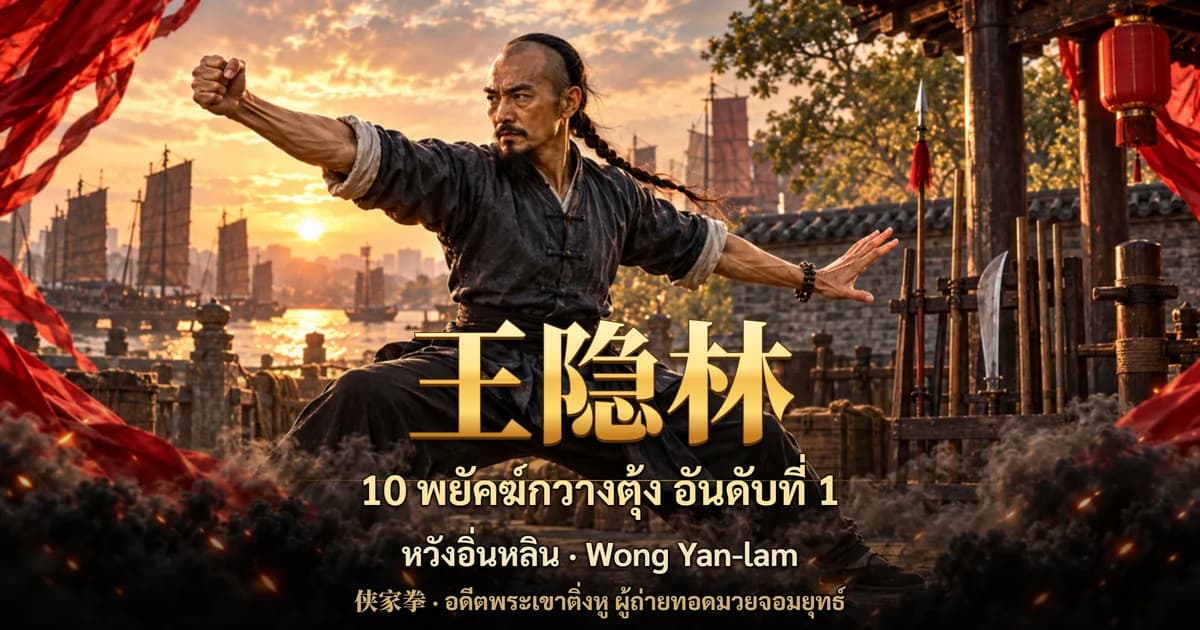
Wong Yan-lam is the first name on the list of the Ten Tigers of Canton, and one of the few whose lineage carries on today: Hop Gar, which is on Foshan's intangible cultural heritage list. But his years of birth and death, his family and the story of a challenge platform with 150 fights still come from a single source or from lineage stories. This article separates them one by one.
30 minTen Tigers of Canton · Episode 1
By Thaninpong Supapitakpong (Phoenix) · 28 Oct 2026
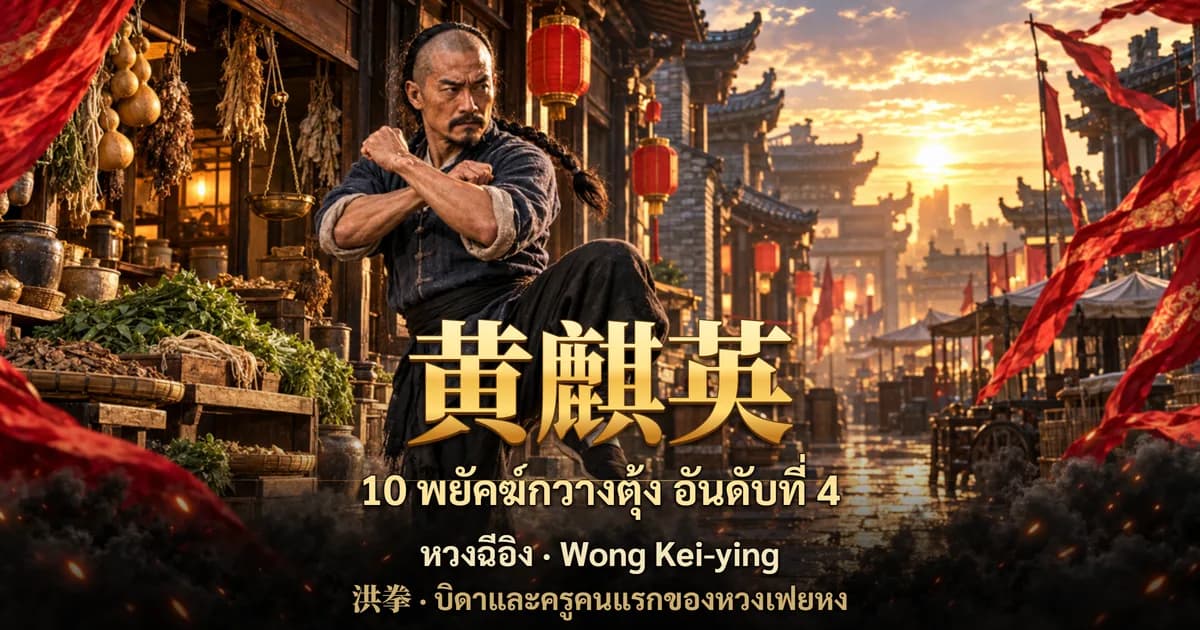
Wong Kei-ying is the fourth of the Ten Tigers of Canton, and Wong Fei-hung's father and first teacher. The Foshan Museum confirms that he died in 1886, but most of the stories about him, including his teacher Luk Ah-choi, his pay as an army instructor and the Shadowless Kick nickname, come from later writing. This article separates the evidence from the legend, and tells the story of the real Wong Fei-hung as well.
By Thaninpong Supapitakpong (Phoenix) · 25 Oct 2026
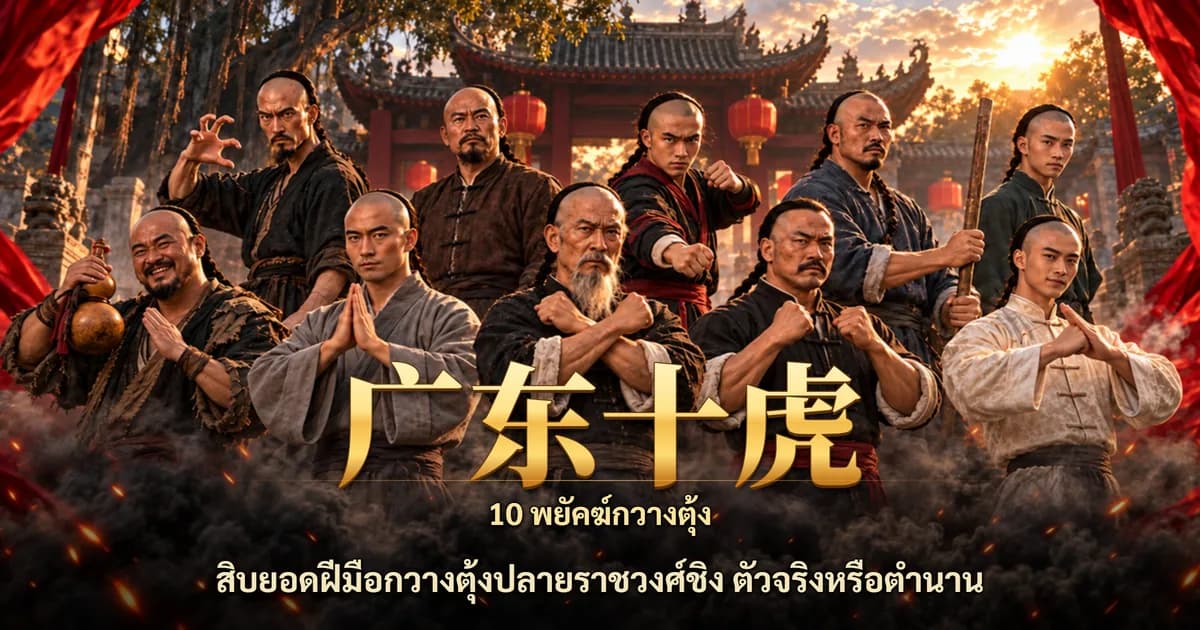
The Ten Tigers of Canton is a name later generations gave to ten Cantonese kung fu teachers of the late Qing dynasty. This article gives the full list of ten, traces how the group name moved from novels to the screen, and checks each man in turn: who has evidence of having existed, whose school still carries on, and who has not yet been found outside fiction and drama.
By Thaninpong Supapitakpong (Phoenix) · 28 Oct 2026
How many southern Chinese kung fu styles are there, really? This article gathers 32 southern styles backed by intangible cultural heritage lists or official documents, arranged by province: from the Five Great Families of Guangdong, Wing Chun and Choy Li Fut, through Fujian and Hakka boxing, to two styles that official Chinese documents say are practised in Thailand.
By Thaninpong Supapitakpong (Phoenix) · 27 Oct 2026
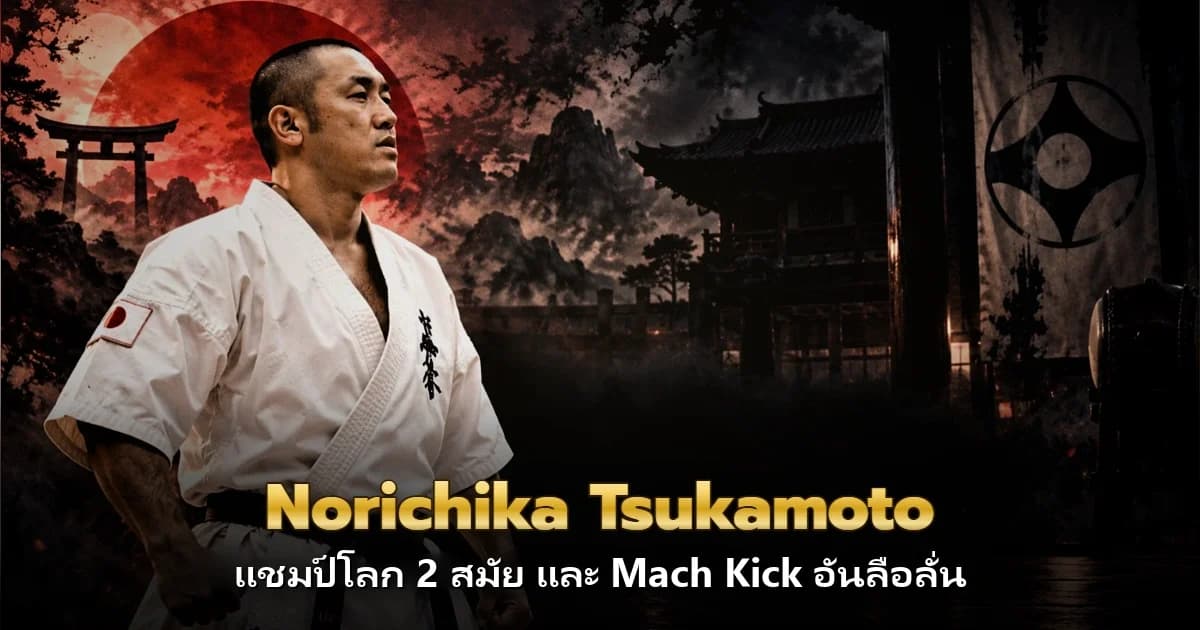
Norichika Tsukamoto won Shinkyokushinkai world titles 15 years apart, at 21 and 37. His competition record from the official results, the Mach Kick he is known for, and a 2014 seminar in Singapore where IMAC Dojo's founder trained with him.
By Thaninpong Supapitakpong (Phoenix) · 27 Oct 2026
Opening a clip does not mean immediately attempting every technique. Choose a question, read the guide, watch the demonstration and discuss uncertainties with an instructor, using member access as authorized.
By Thaninpong Supapitakpong (Phoenix) · 5 Oct 2026
An upper-body movement may depend on the feet beneath it. Separate what the head, shoulders and feet do before deciding that you have copied the movement.
By Thaninpong Supapitakpong (Phoenix) · 5 Oct 2026
The sweeping leg may be the easiest image to remember, but the manual starts with a straight punch. Reading the evasion and supporting leg comes before copying the finishing pose.
By Thaninpong Supapitakpong (Phoenix) · 5 Oct 2026
Read the hands as two different jobs: one arranges the incoming punch line while the other responds. The step and turn belong to the defense; this is not merely exchanging punches from the same position.
By Thaninpong Supapitakpong (Phoenix) · 5 Oct 2026
Eight limbs helps identify body parts; it does not mean only eight techniques. Start with fists, feet, knees and elbows, then read direction, distance and defence.
By Thaninpong Supapitakpong (Phoenix) · 5 Oct 2026
A descending elbow and a horizontal elbow differ in more than name. Separate direction, lead/rear arms and the purposes of demonstration, practice and defence to study nine clips in order.
By Thaninpong Supapitakpong (Phoenix) · 5 Oct 2026
The memorable image combines upper-body control and a knee. Understanding begins earlier, with the incoming punch's distance and the receiver's feet. Use these principles to watch and ask precise questions.
By Thaninpong Supapitakpong (Phoenix) · 5 Oct 2026
Why do several elbow responses to kicks have different names? Hak Nguang Aiyara includes receiving and controlling the leg before the body's position allows the elbow to work.
By Thaninpong Supapitakpong (Phoenix) · 5 Oct 2026
History includes more than celebrated individuals. Read teachers, practice forms, documents and places of performance together to understand what you learn.
By Thaninpong Supapitakpong (Phoenix) · 13 Oct 2026
Different elbow bends can reflect different distances. The manual separates short, long and returning forms, so read the arm with distance, base and recovery.
By Thaninpong Supapitakpong (Phoenix) · 5 Oct 2026
Inside does not mean the left or right edge of the screen. It describes a relationship to the punching arm. Reading that relationship distinguishes Inao Thaeng Krit from Chawa Sat Hok before the finishing elbow.
By Thaninpong Supapitakpong (Phoenix) · 5 Oct 2026
The first defense does not finish Khun Yak Chap Ling. The DPE manual divides it into punch, kick and elbow responses. The positions between phases are central to reading the next movement.
By Thaninpong Supapitakpong (Phoenix) · 5 Oct 2026
A pattern's name helps us remember its image. The useful questions concern distance, moving off the attack line and connecting defense with a response. This guide maps the set before you study individual patterns.
By Thaninpong Supapitakpong (Phoenix) · 5 Oct 2026
The same weapon can answer different problems. Mon Yan Lak begins with an incoming straight punch, inviting study of hand-and-leg distance, trunk position and the base supporting the push kick.
By Thaninpong Supapitakpong (Phoenix) · 5 Oct 2026
Holding a leg does not explain control of the whole situation. Naka Bit Hang asks how the receiver repositions and establishes a base before the knee, separating positioning from force on a partner.
By Thaninpong Supapitakpong (Phoenix) · 5 Oct 2026
Pak Luk Thoi is more than the elbow in a picture. The manual includes turning, withdrawal and the other arm's protection. Reading the whole body distinguishes it from receiving a leg and then using an elbow.
By Thaninpong Supapitakpong (Phoenix) · 5 Oct 2026
Inside entry does not end with stepping closer. Paksa Waek Rang asks us to read the receiving arms and head together to understand positioning inside the attacking arm.
By Thaninpong Supapitakpong (Phoenix) · 5 Oct 2026
Rear teep here identifies the rear leg in the stance, not a backward kick. Read lifting, sending and recovering the foot with the base across seven clips.
By Thaninpong Supapitakpong (Phoenix) · 5 Oct 2026
Both work at close range, but the rising elbow travels upwards while the thrusting elbow emphasizes forward movement. Separating path before lead/rear arms organizes the seven clips.
By Thaninpong Supapitakpong (Phoenix) · 5 Oct 2026
Salap Fan Pla is more than a hand parry. The manual invites us to see how feet and trunk move the receiver outside, where both hands relate to the attacking arm.
By Thaninpong Supapitakpong (Phoenix) · 5 Oct 2026
Moving sideways and changing body orientation are different questions. Read feet and angles across three demonstration/practice pairs for lateral evasion, pivots and Yang Sam Khum.
By Thaninpong Supapitakpong (Phoenix) · 5 Oct 2026
Height alone does not explain a straight knee. Read its direction, the supporting leg and hand position, while separating lead/rear lessons from defence across six clips.
By Thaninpong Supapitakpong (Phoenix) · 5 Oct 2026
A straight punch does not end when the arm extends. Read the outgoing and returning hand with shoulders, hips and feet, choosing among ten clips by side and task.
By Thaninpong Supapitakpong (Phoenix) · 5 Oct 2026
The manual records two Thai spellings, but the learning task is clearer than the spelling: one arm protects against the punch while the other connects a rising punch from a changed position.
By Thaninpong Supapitakpong (Phoenix) · 5 Oct 2026
An uppercut is more than a fist moving upwards. Read the bent elbow with shoulders, hips and feet, then distinguish single-hand lessons, both hands and defence.
By Thaninpong Supapitakpong (Phoenix) · 5 Oct 2026
Hands miming make-up, threading arms and a respectful greeting serve different purposes. Understanding the image gives more than a memorized finger position.
By Thaninpong Supapitakpong (Phoenix) · 6 Oct 2026
The two legs meeting in the image do different jobs. The manual presents Wirun Hok Klap as a push-kick response to a kick. Look before contact to read the attack's start and the receiver's position.
By Thaninpong Supapitakpong (Phoenix) · 27 Oct 2026
The uppercut is the finish, but the task starts by lowering away from a straight punch. Read the knees, feet and other hand together with the answering fist.
By Thaninpong Supapitakpong (Phoenix) · 5 Oct 2026
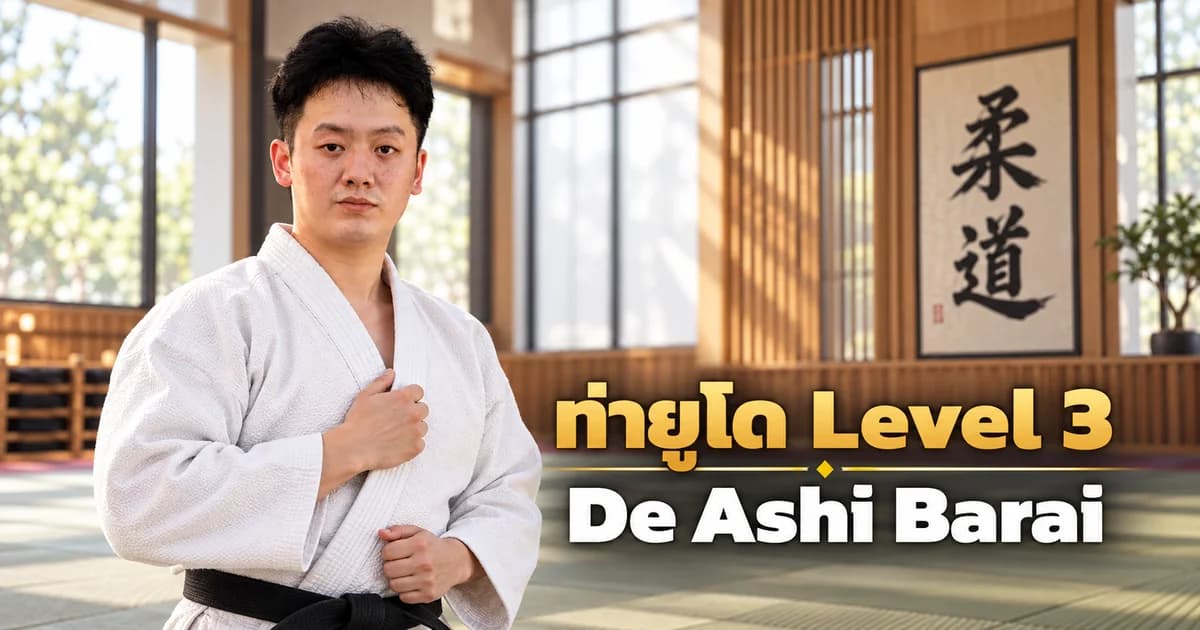
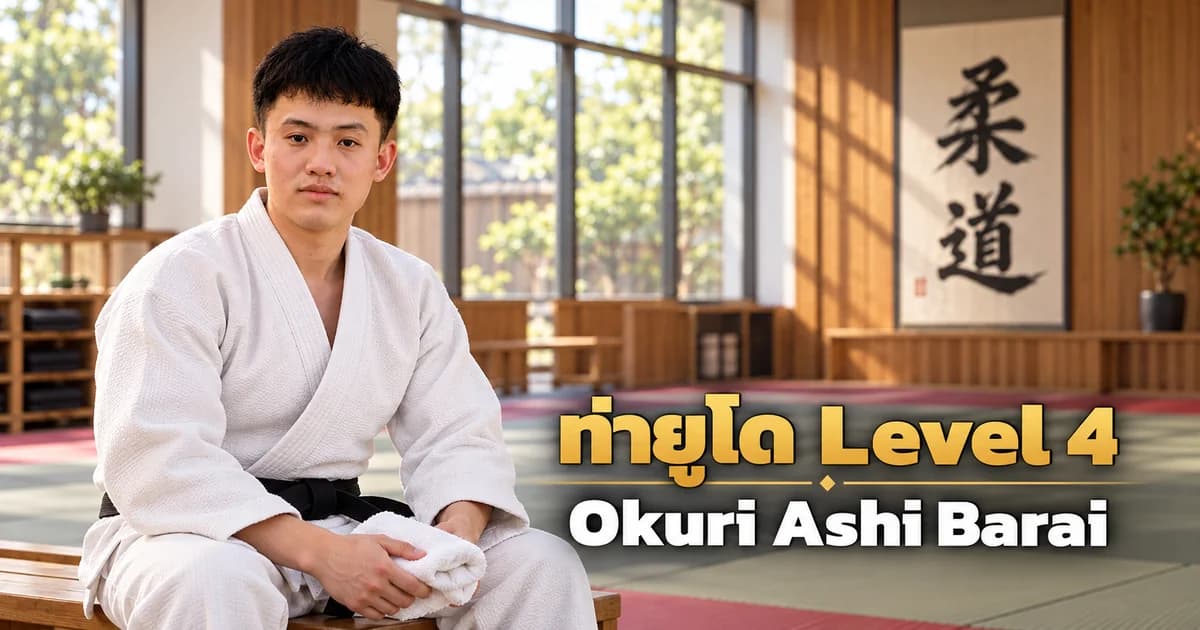
De Ashi Barai sweeps an advancing foot while weight transfer and upper-body control align. Kicking at an already settled, firmly weighted foot is not a useful model.
By Thaninpong Supapitakpong (Phoenix) · 5 Oct 2026
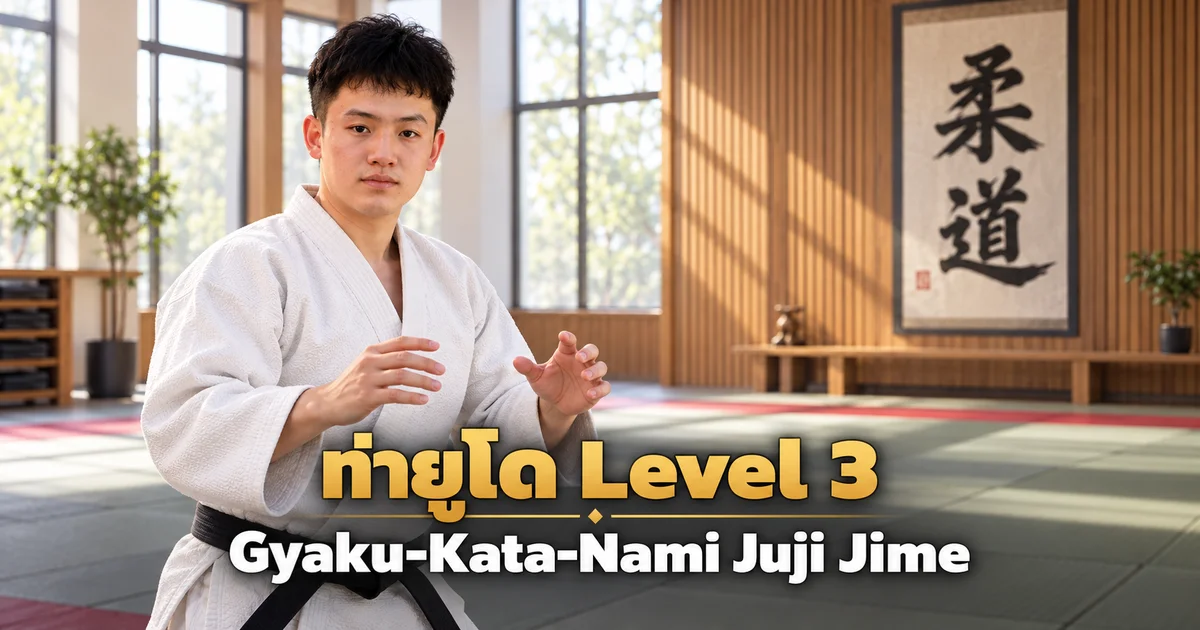
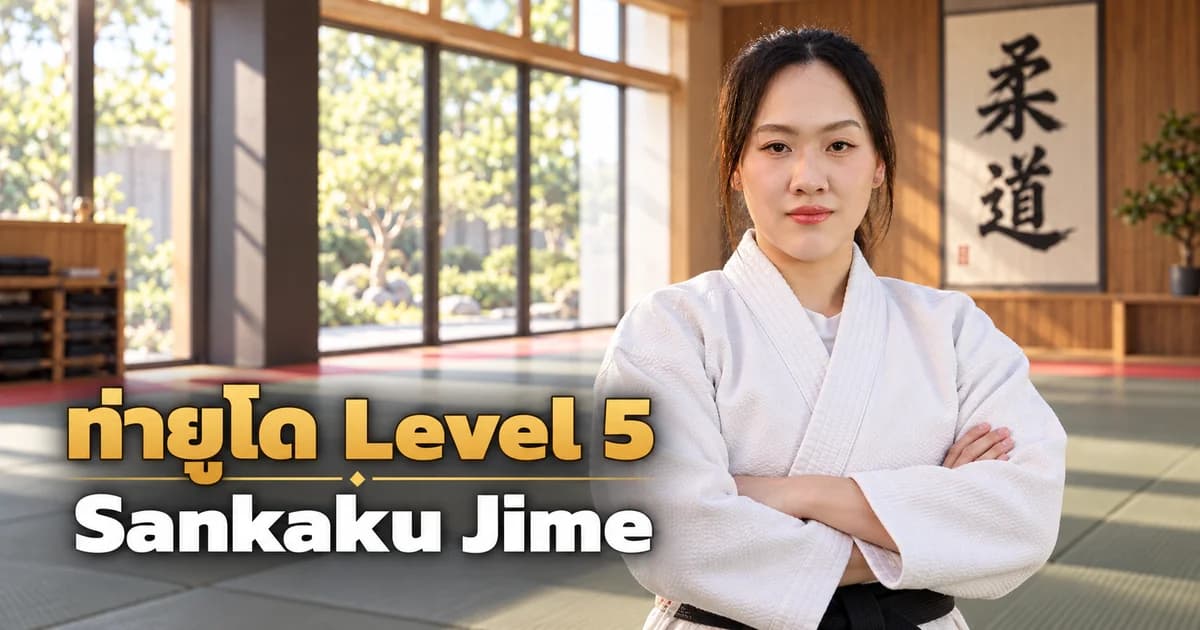
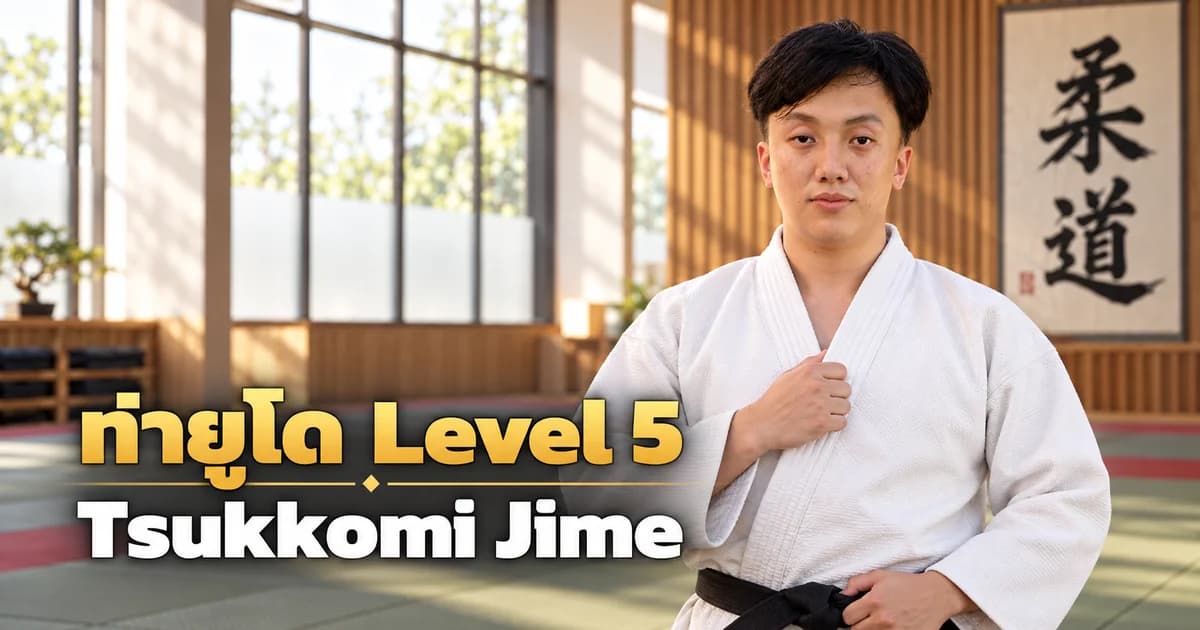
Gyaku, Kata and Nami Juji Jime are three crossed-arm strangle techniques distinguished by which fingers enter the collar. This article groups them according to the single combined clip without treating them as one technique.
By Thaninpong Supapitakpong (Phoenix) · 5 Oct 2026
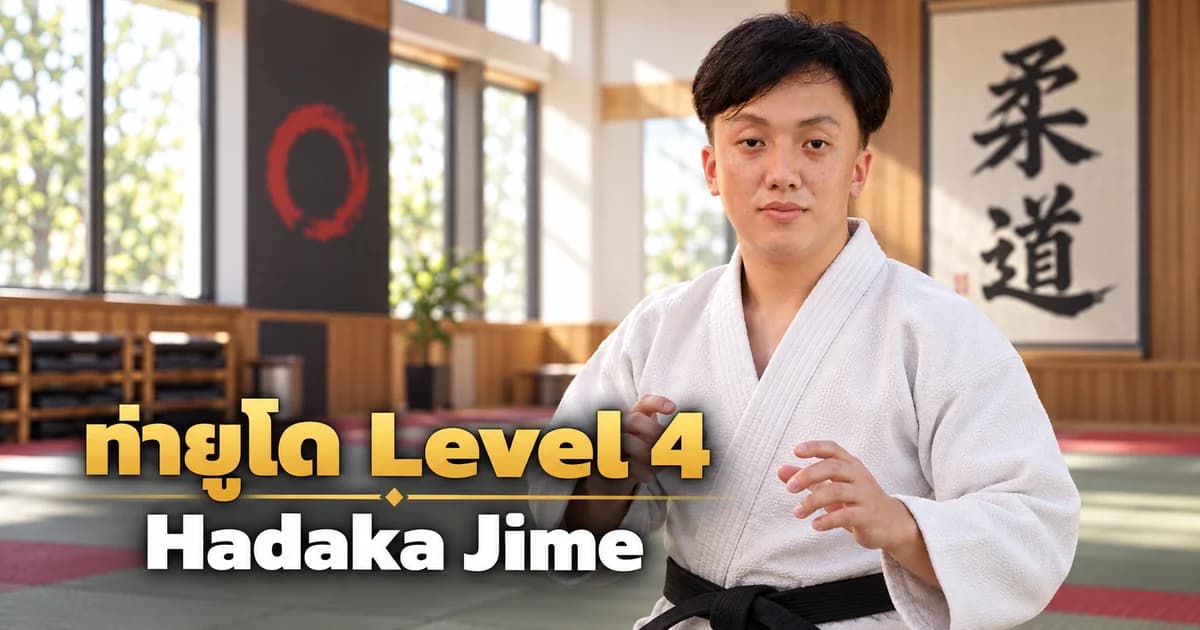
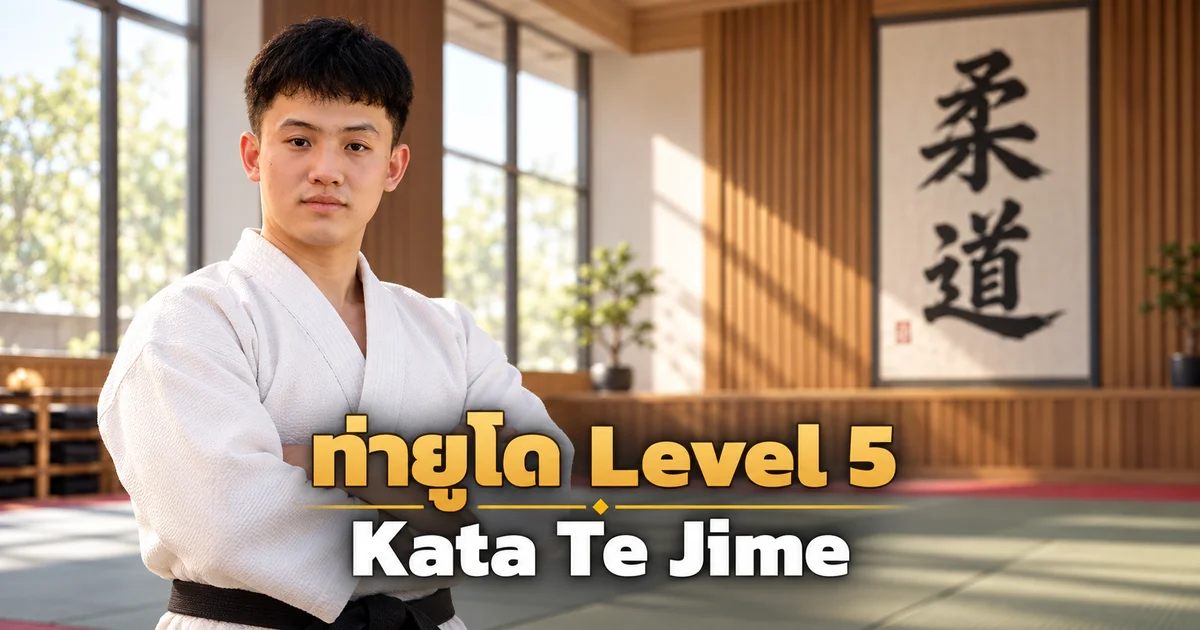
Hadaka Jime is a strangle technique that does not use judogi cloth for the strangle, so its name sets it apart from collar-based techniques. View positioning and communication under instruction, not endurance testing.
By Thaninpong Supapitakpong (Phoenix) · 5 Oct 2026
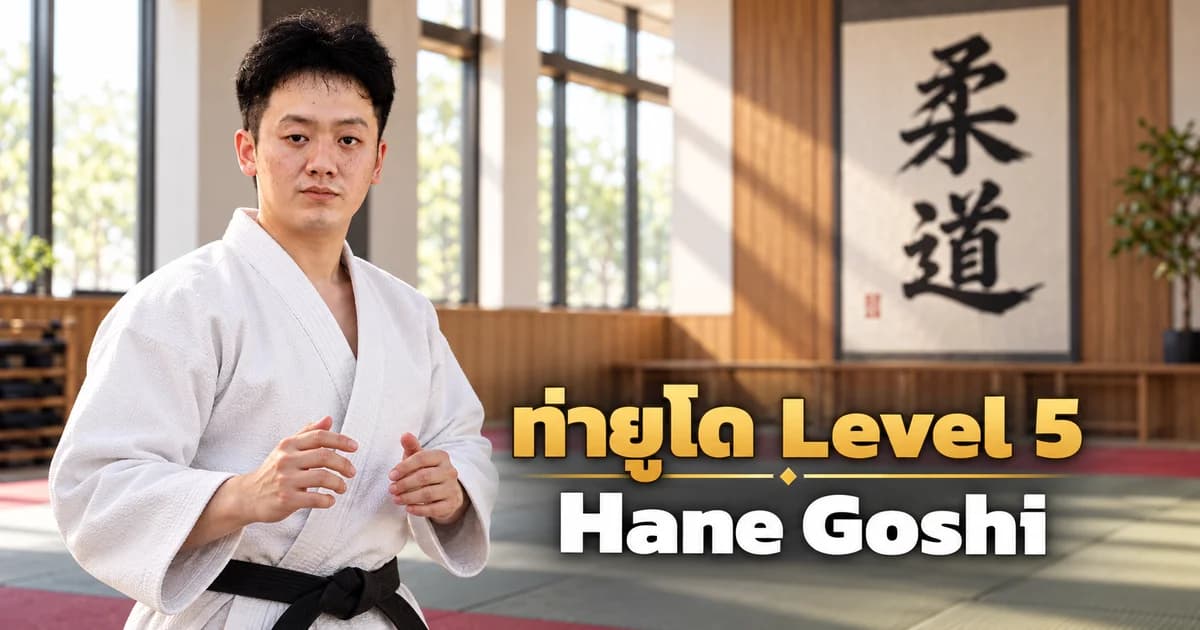
Hane Goshi is a hip technique springing the partner upward with hip and leg after forward imbalance. Observe connection rather than a jump by the thrower.
By Thaninpong Supapitakpong (Phoenix) · 5 Oct 2026
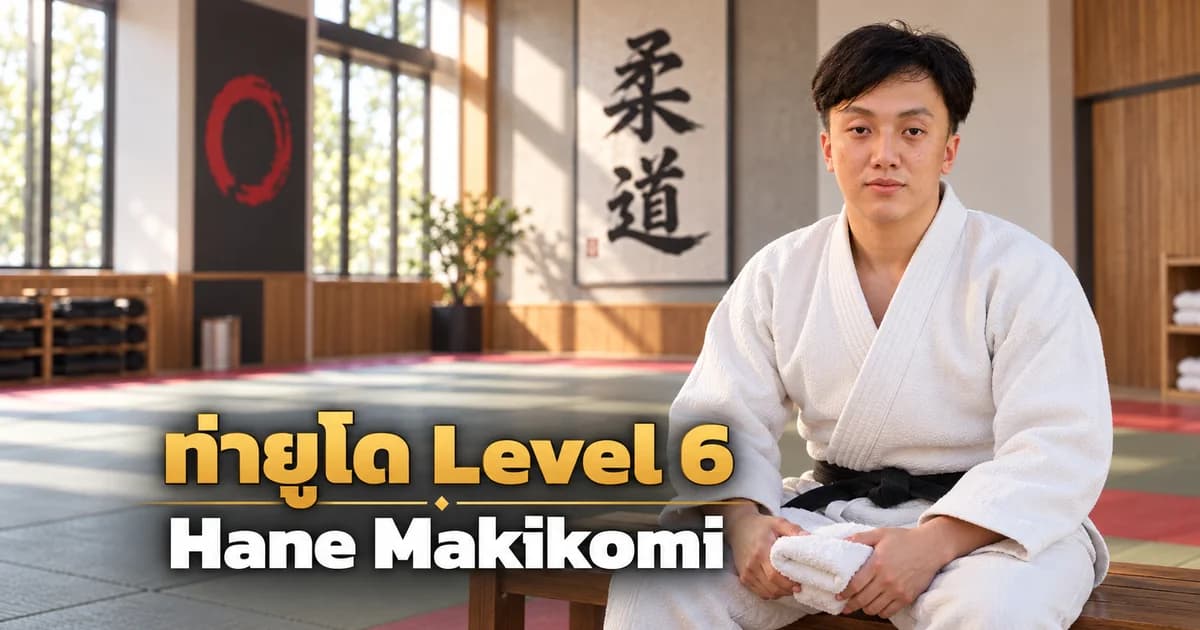
Hane Makikomi connects Hane Goshi-like action with wrapping descent. Although the start resembles a hip throw, Kodokan classifies it as a side sacrifice.
By Thaninpong Supapitakpong (Phoenix) · 5 Oct 2026
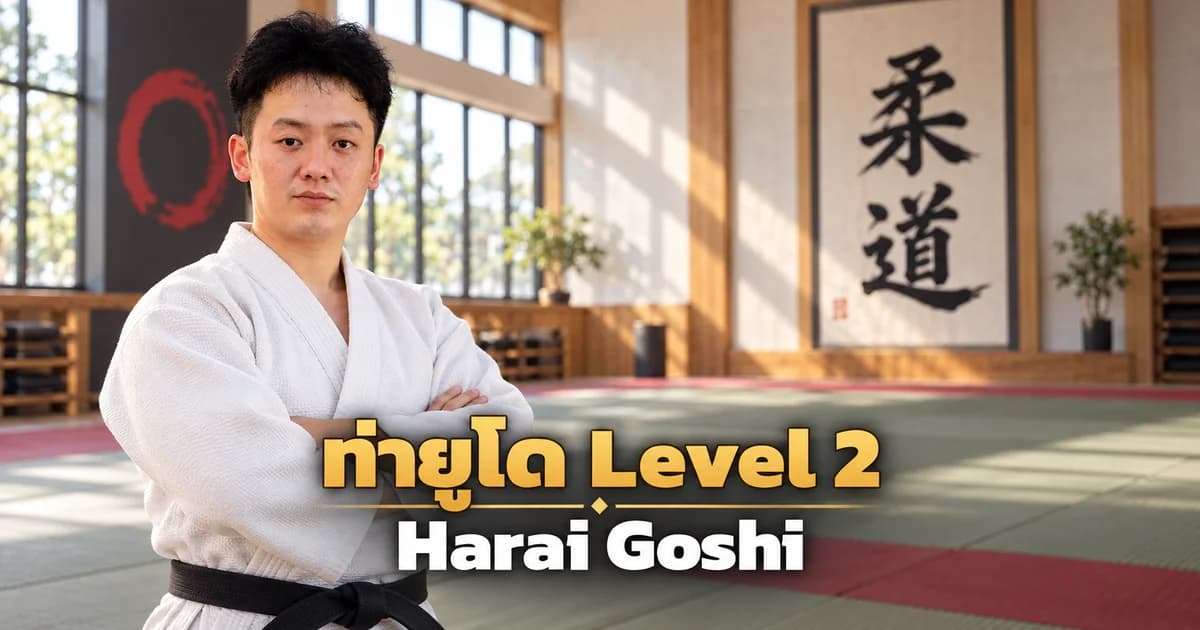
Harai Goshi is a hip technique connecting the inward draw with an upward leg sweep. A high swinging leg alone does not explain it: first observe imbalance and body contact.
By Thaninpong Supapitakpong (Phoenix) · 5 Oct 2026
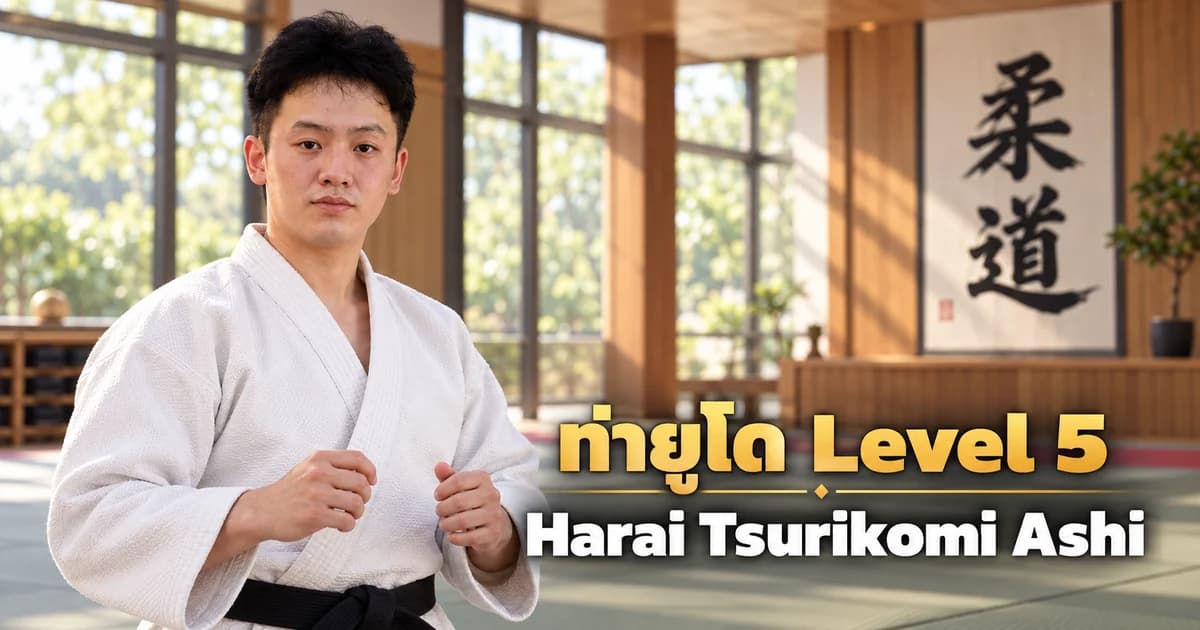
Harai Tsurikomi Ashi joins forward lifting-drawing action with an upward ankle-area sweep. Observe upper body and foot together, not merely a higher Sasae foot placement.
By Thaninpong Supapitakpong (Phoenix) · 5 Oct 2026
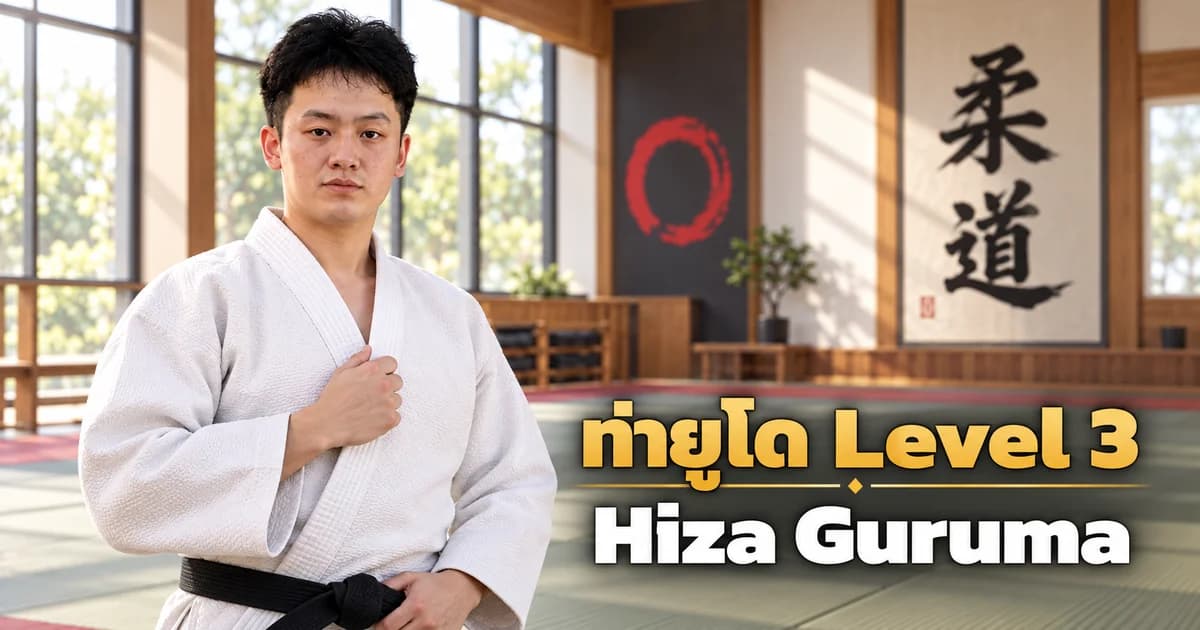
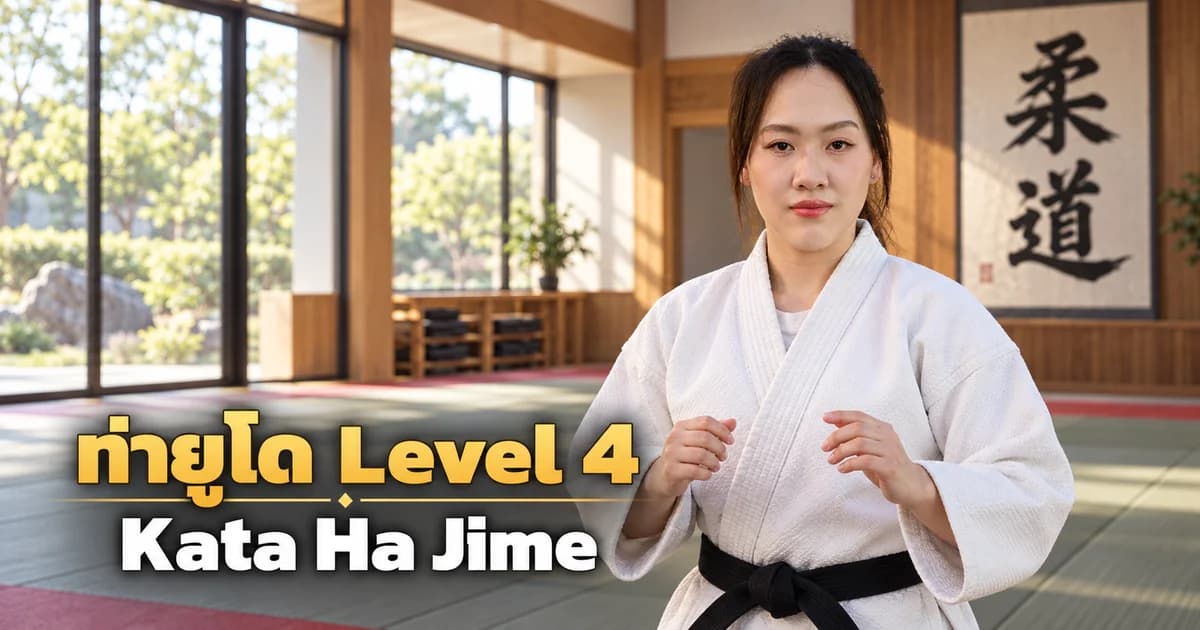
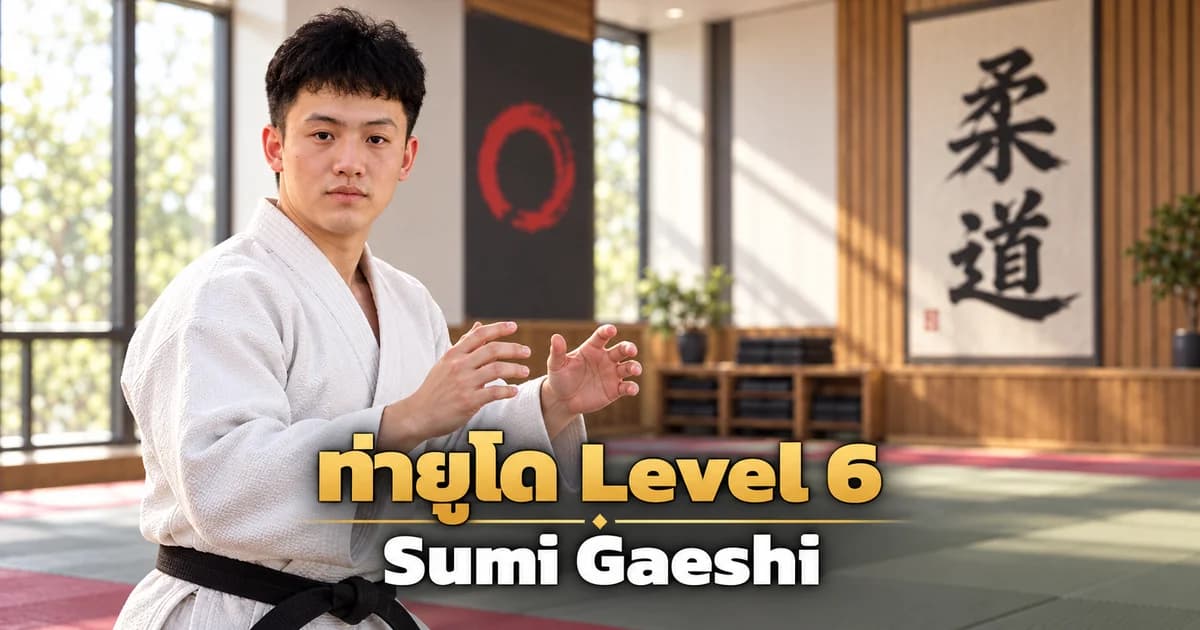
Hiza Guruma checks near the knee while guiding the partner into rotation from forward imbalance. Contact and upper-body guidance cooperate; it is not a kick to the knee joint.
By Thaninpong Supapitakpong (Phoenix) · 5 Oct 2026
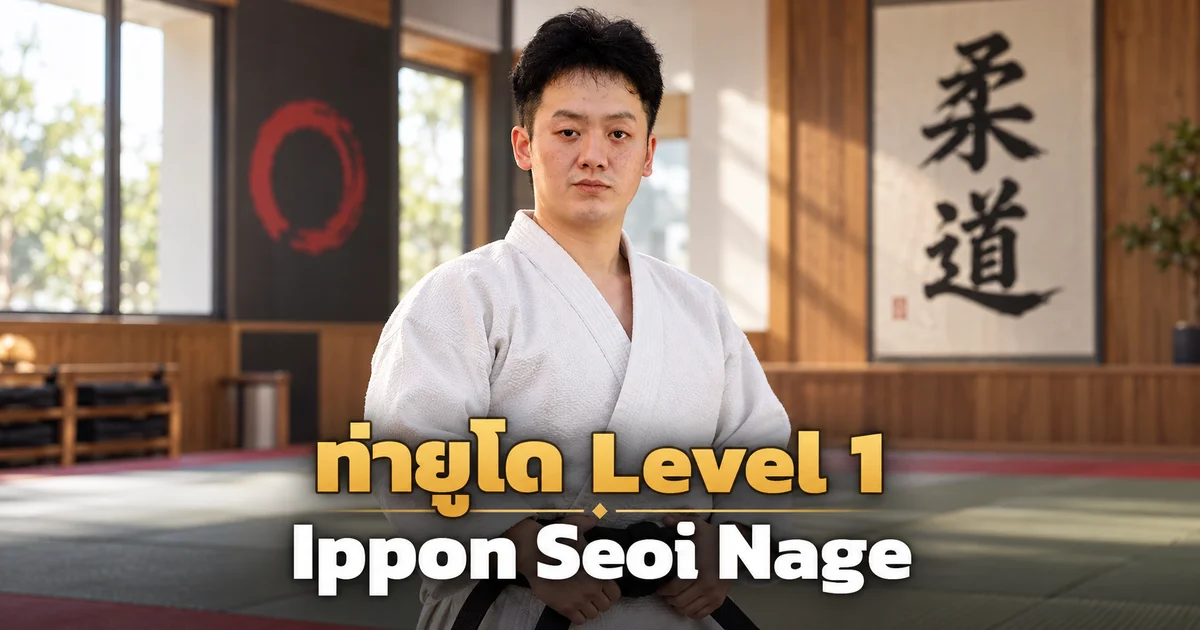
Ippon Seoi Nage is a shoulder throw in which one arm wraps and controls the partner's upper arm. The key is to bring their balance forward and connect the entry before throwing. Trying to lift someone who is still firmly balanced often makes the technique feel unnecessarily heavy.
By Thaninpong Supapitakpong (Phoenix) · 5 Oct 2026
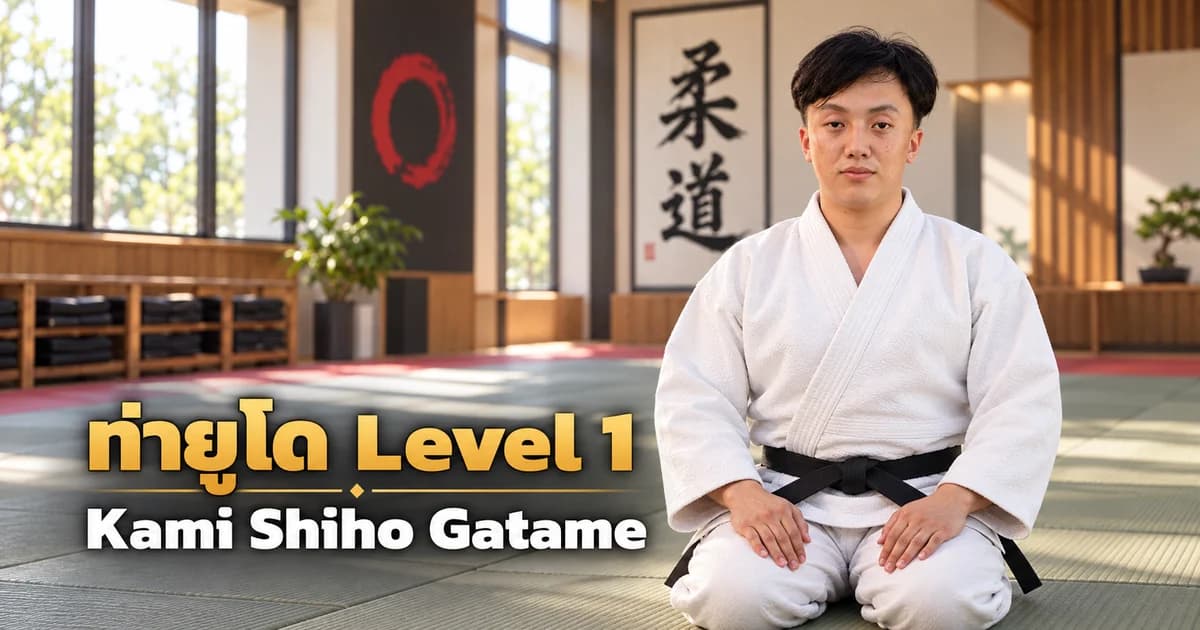
Kami Shiho Gatame approaches from the head, gripping the belt at the sides and controlling the partner’s upper body with the torso. The lesson concerns direction and base, not putting weight on the head.
By Thaninpong Supapitakpong (Phoenix) · 5 Oct 2026
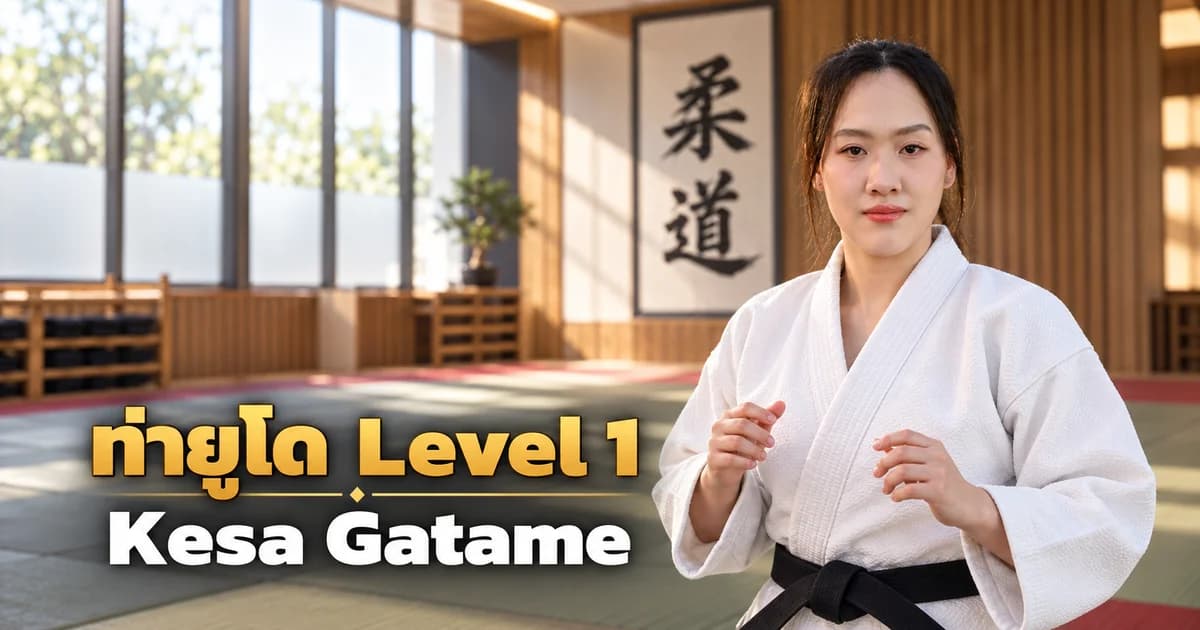
Kesa Gatame is a side hold controlling the partner’s arm and shoulder region. Body weight and the leg base cooperate; a tight grip around the neck alone does not explain it.
By Thaninpong Supapitakpong (Phoenix) · 5 Oct 2026
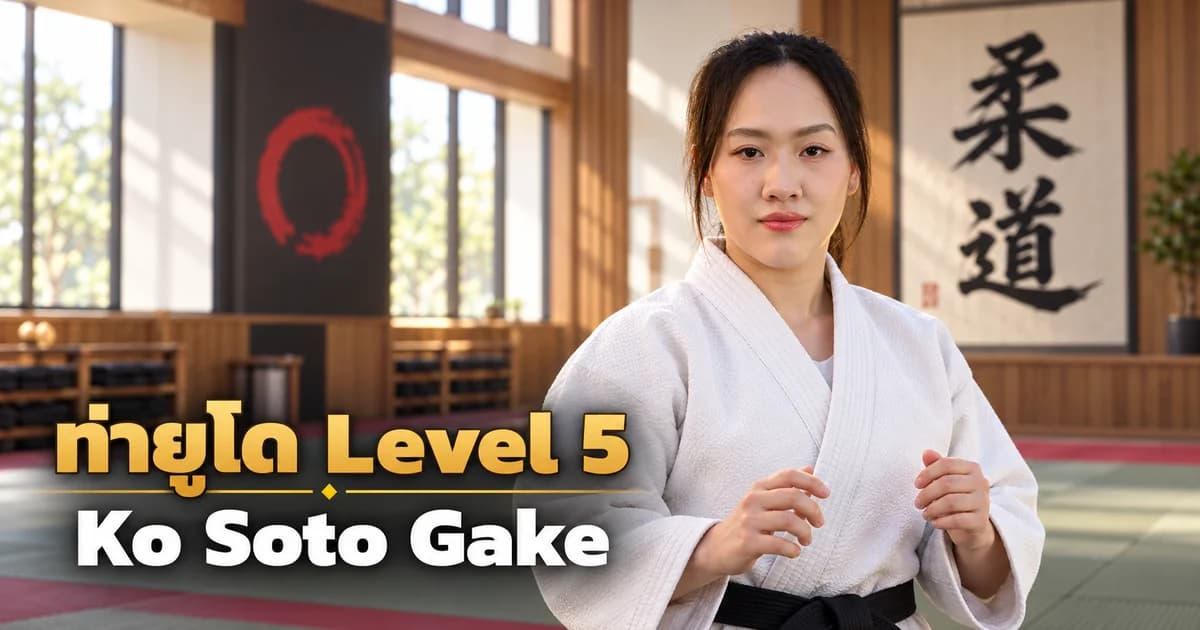
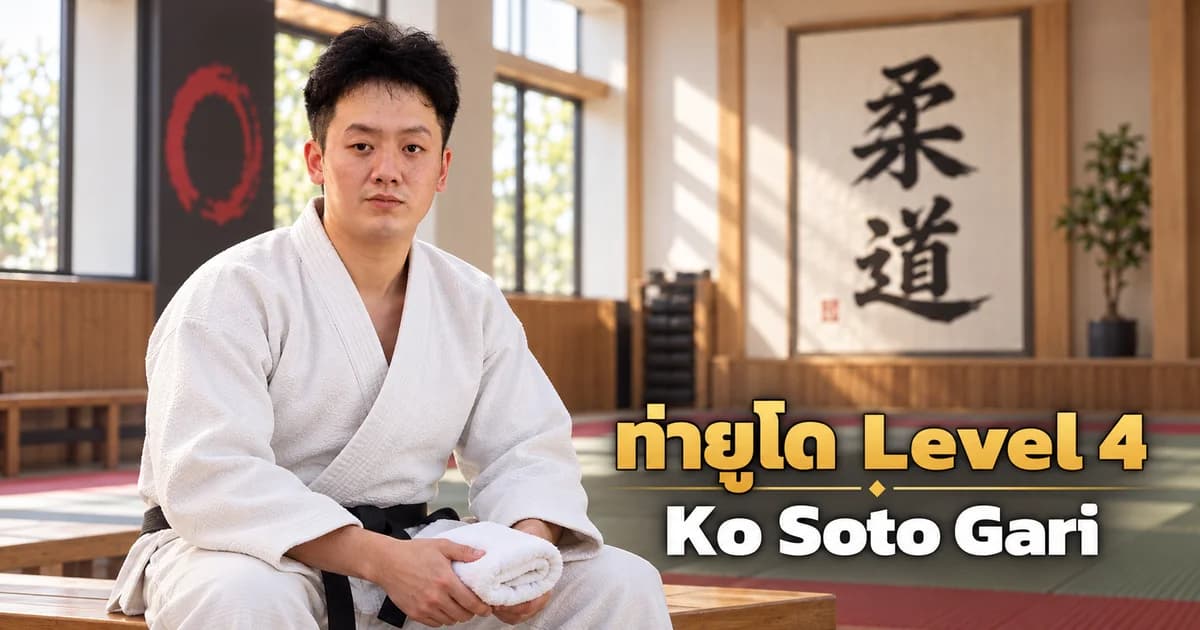
Ko Soto Gake combines backward imbalance with an outside leg hook. Its name resembles Ko Soto Gari, but leg function differs; watch beyond one contact frame.
By Thaninpong Supapitakpong (Phoenix) · 5 Oct 2026
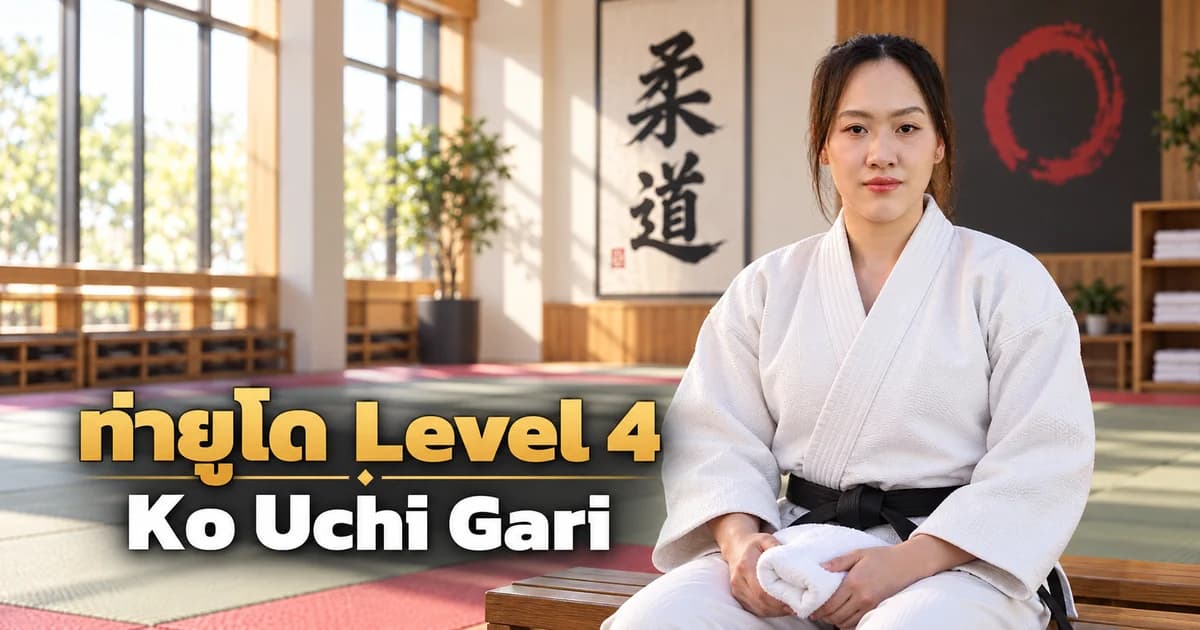
Ko Uchi Gari combines backward imbalance with an inside reap. The target foot and upper-body direction must relate; an isolated reap against a stable partner misses that connection.
By Thaninpong Supapitakpong (Phoenix) · 5 Oct 2026
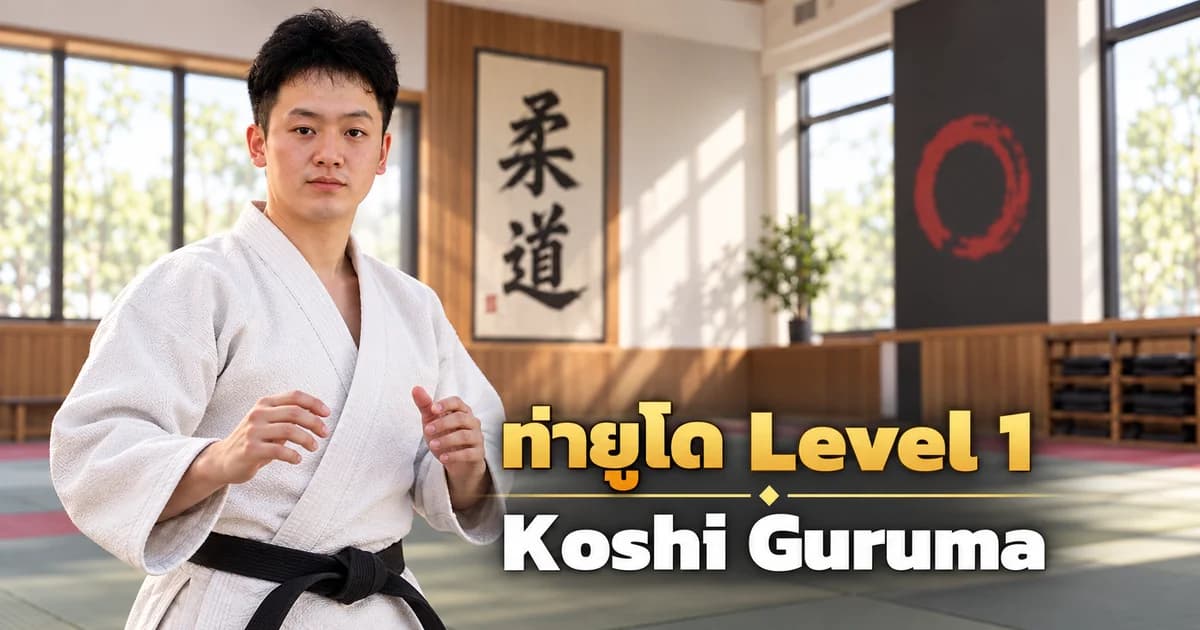
Koshi Guruma turns a partner over the hip with one arm around the neck area and the other controlling an arm. Forward imbalance precedes rotation, so observe the whole body rather than the wrapping arm alone.
By Thaninpong Supapitakpong (Phoenix) · 5 Oct 2026
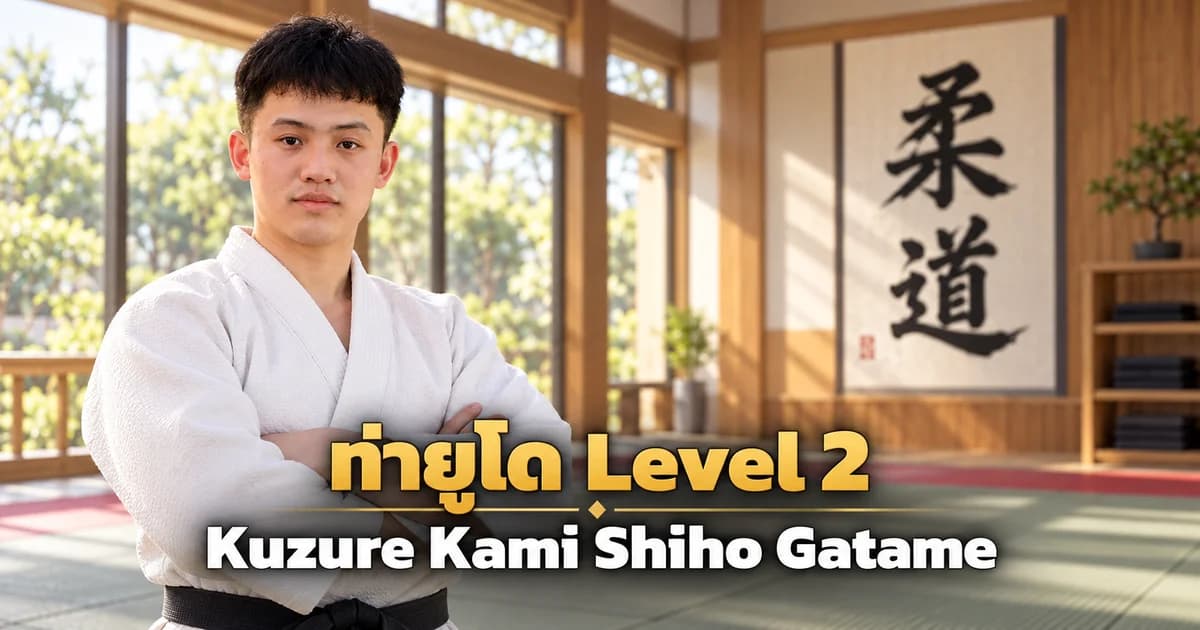
Kuzure Kami Shiho Gatame approaches diagonally from the head side, using one arm to control the partner’s arm while the other hand connects to the belt. Compare both angle and arm function.
By Thaninpong Supapitakpong (Phoenix) · 5 Oct 2026
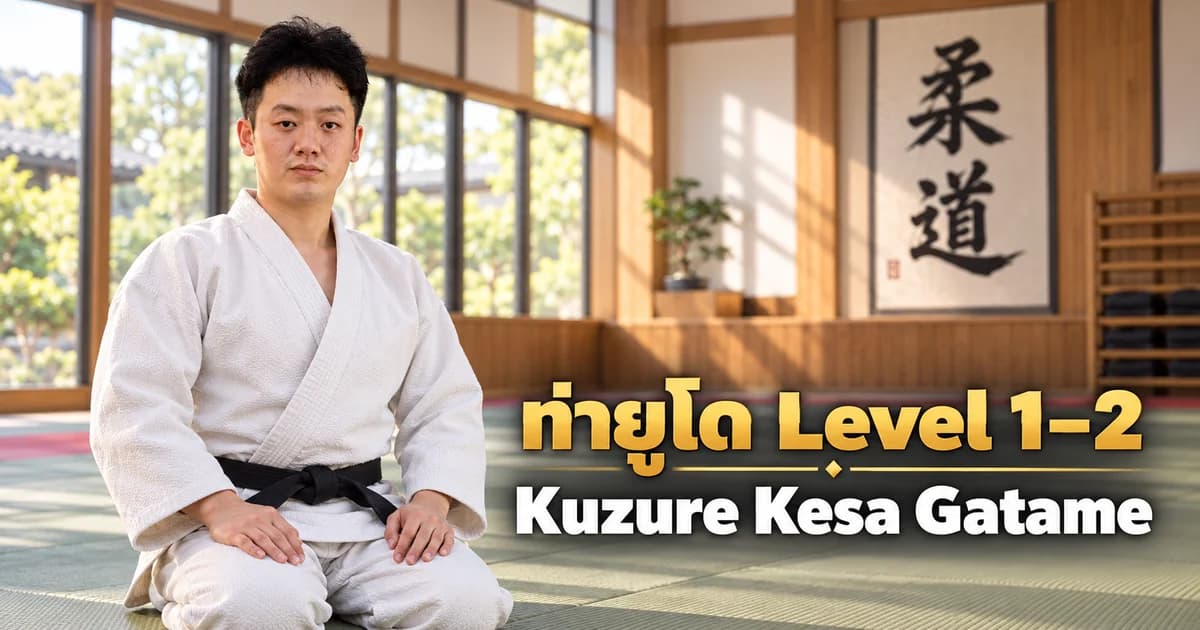
Kuzure Kesa Gatame changes Kesa Gatame by placing an arm under the partner’s far armpit. Side-body control remains important, and the leg base must adapt to movement.
By Thaninpong Supapitakpong (Phoenix) · 5 Oct 2026
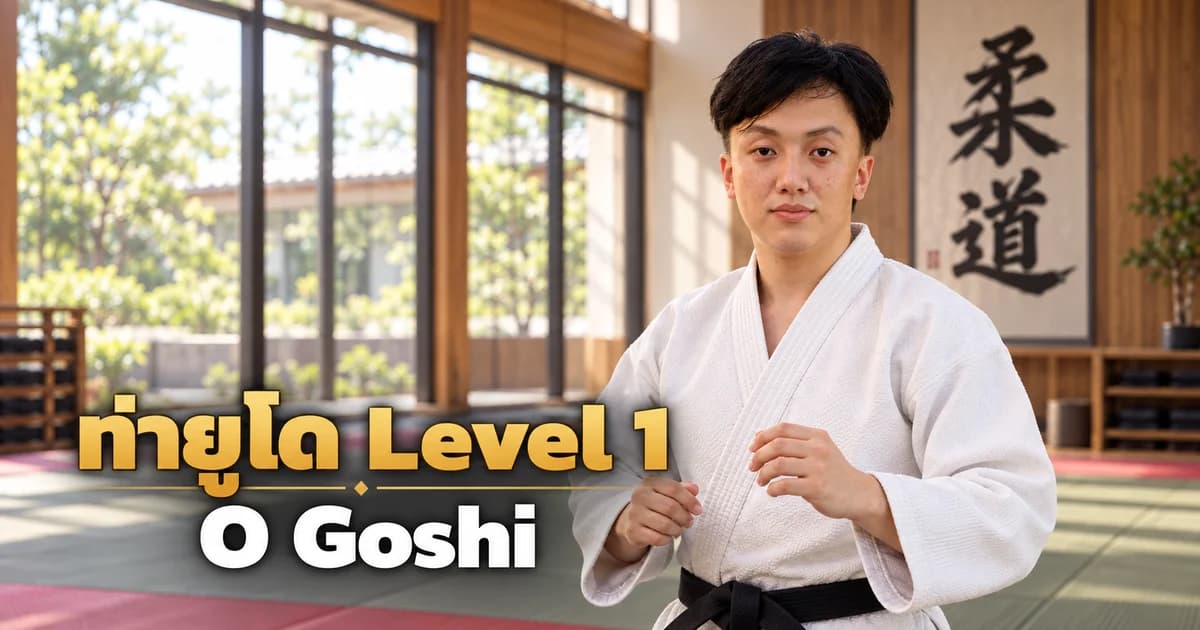
O Goshi brings the partner onto the hip with an arm passing under the armpit and around the back. Entry distance and forward imbalance work together; bending over and lifting someone does not explain the technique.
By Thaninpong Supapitakpong (Phoenix) · 5 Oct 2026
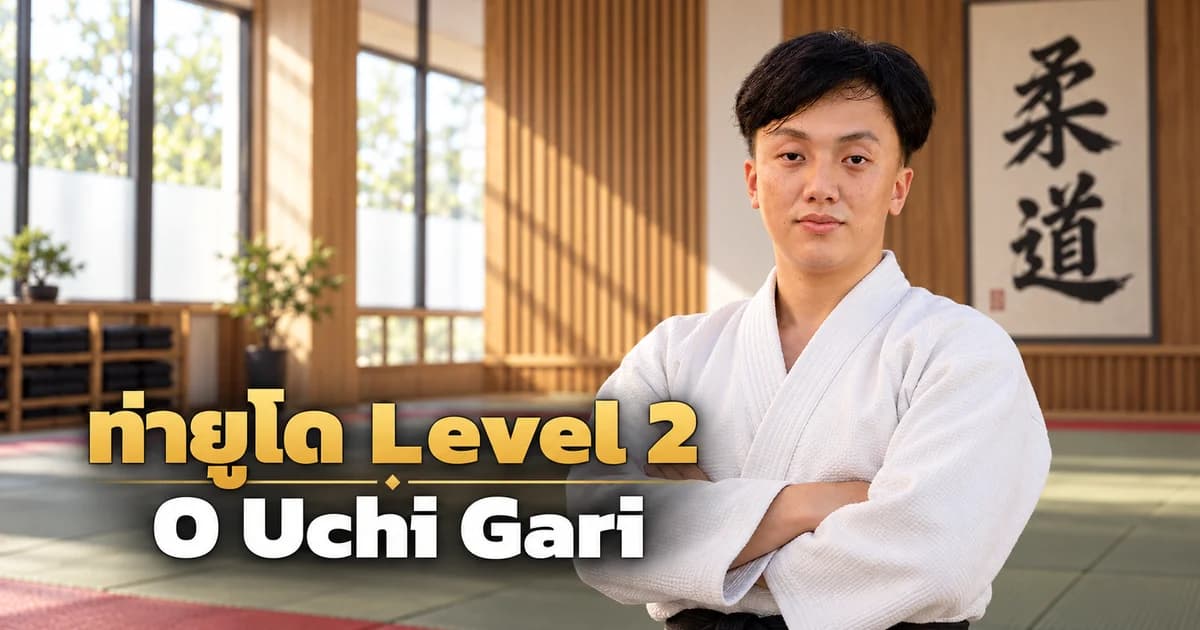
O Uchi Gari breaks balance backward and reaps from inside. Upper-body control must connect to the working leg; reaching as far as possible is not the objective.
By Thaninpong Supapitakpong (Phoenix) · 5 Oct 2026
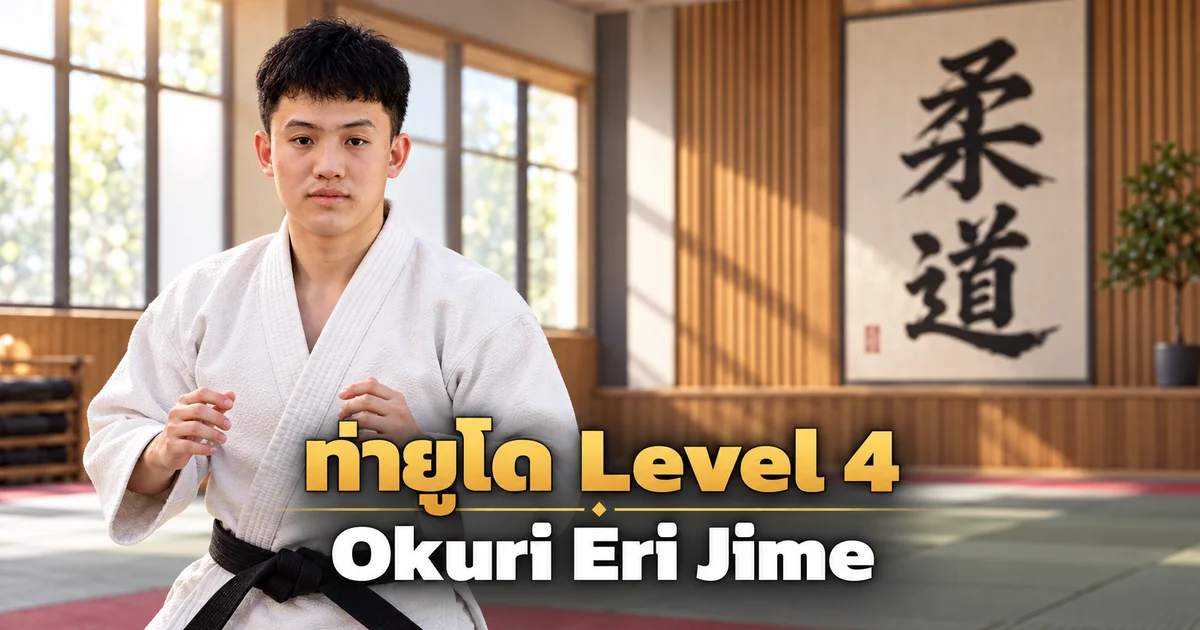
Okuri Eri Jime uses judogi collars with two hands performing different roles from behind. Trace arm paths and grips rather than merely noticing hands near the neck.
By Thaninpong Supapitakpong (Phoenix) · 5 Oct 2026
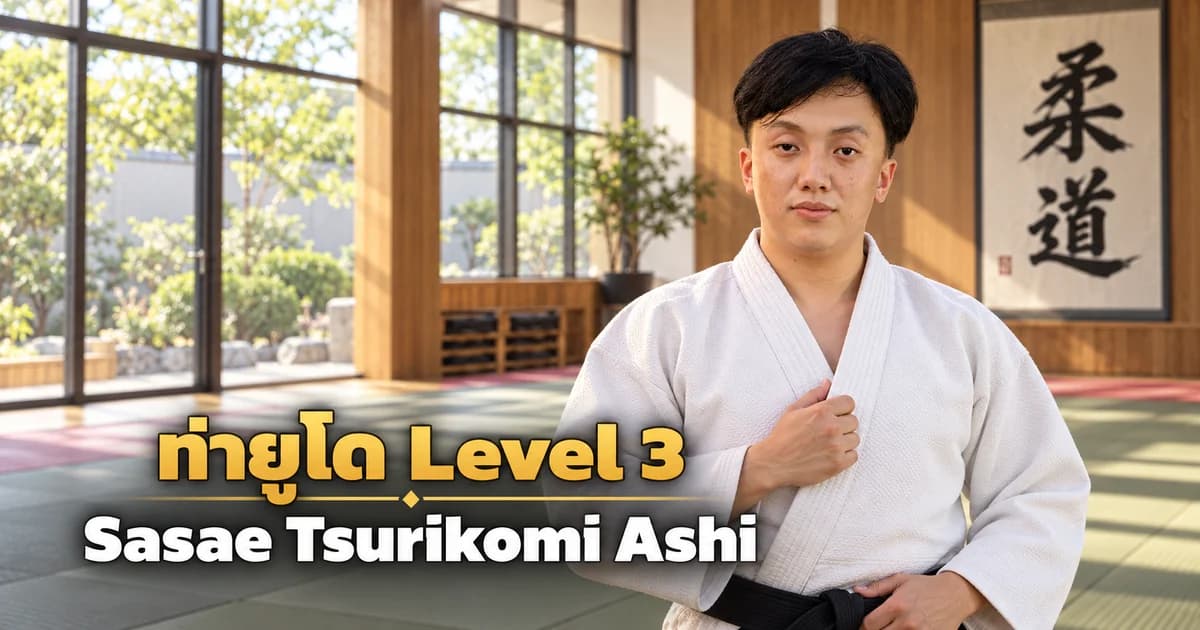
Sasae Tsurikomi Ashi checks the partner near the ankle while the hands guide the upper body forward. Observe both actions; do not treat it as kicking the ankle to cause a fall.
By Thaninpong Supapitakpong (Phoenix) · 5 Oct 2026
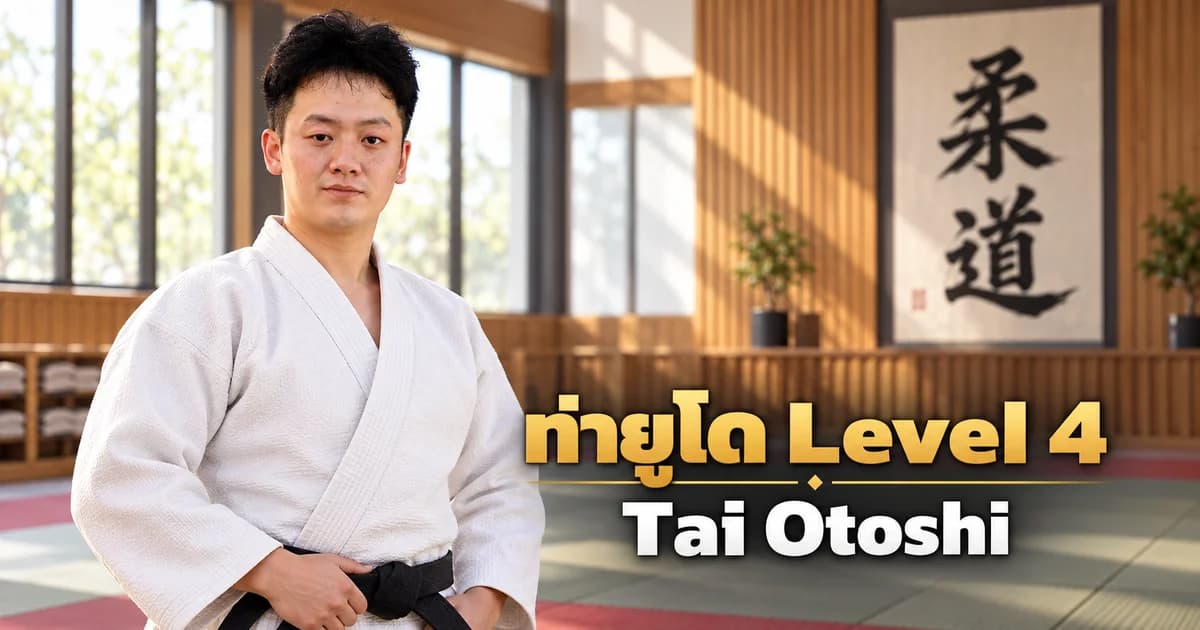
Tai Otoshi is a hand technique opening the body and guiding the partner down from forward-corner imbalance. The conspicuous extended leg should not reduce it to a simple trip.
By Thaninpong Supapitakpong (Phoenix) · 5 Oct 2026
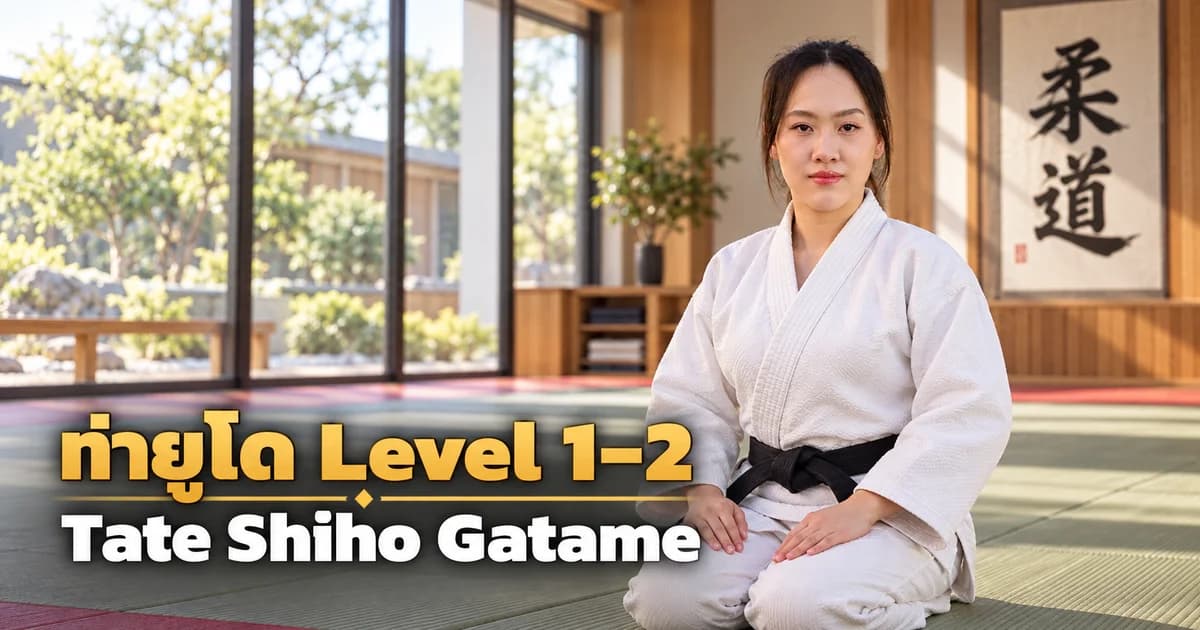
Tate Shiho Gatame aligns the holder along the partner’s body. Arm-and-neck-region control works with the legs controlling the lower body, so look beyond simply being astride someone.
By Thaninpong Supapitakpong (Phoenix) · 5 Oct 2026
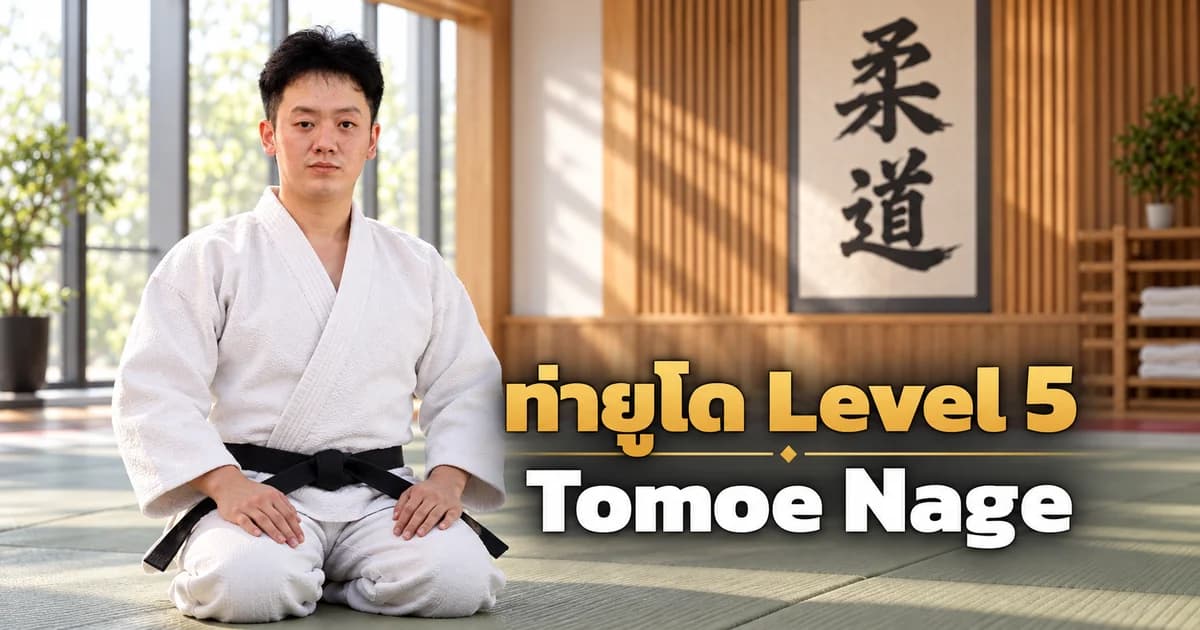
Tomoe Nage is a rear-sacrifice throw guiding the partner overhead, not simply lying down and kicking. Watch imbalance and hand connection before descent.
By Thaninpong Supapitakpong (Phoenix) · 5 Oct 2026
Tsurikomi Goshi connects a lifting draw with hip loading. This article includes its main lesson and a related Sode Tsurikomi Goshi clip, a separately named technique whose grips need clear identification.
By Thaninpong Supapitakpong (Phoenix) · 5 Oct 2026
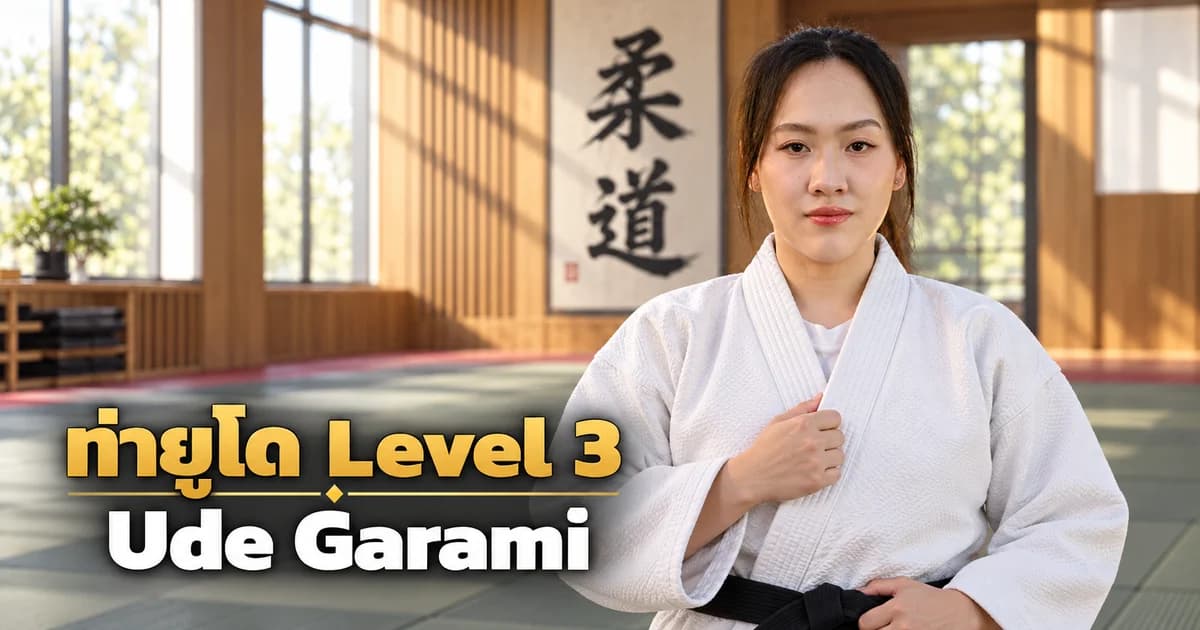
Ude Garami is a joint-control technique using an interlocking arm structure to control the partner’s arm. Study grips and body position; testing how far a joint can turn is not an appropriate review method.
By Thaninpong Supapitakpong (Phoenix) · 5 Oct 2026
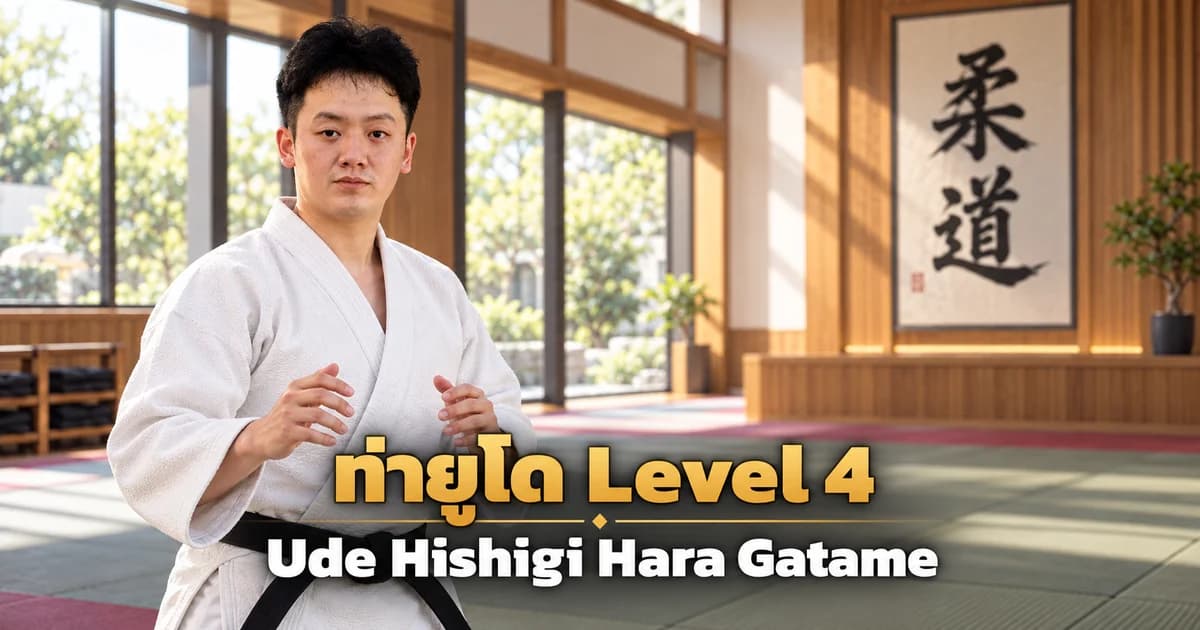
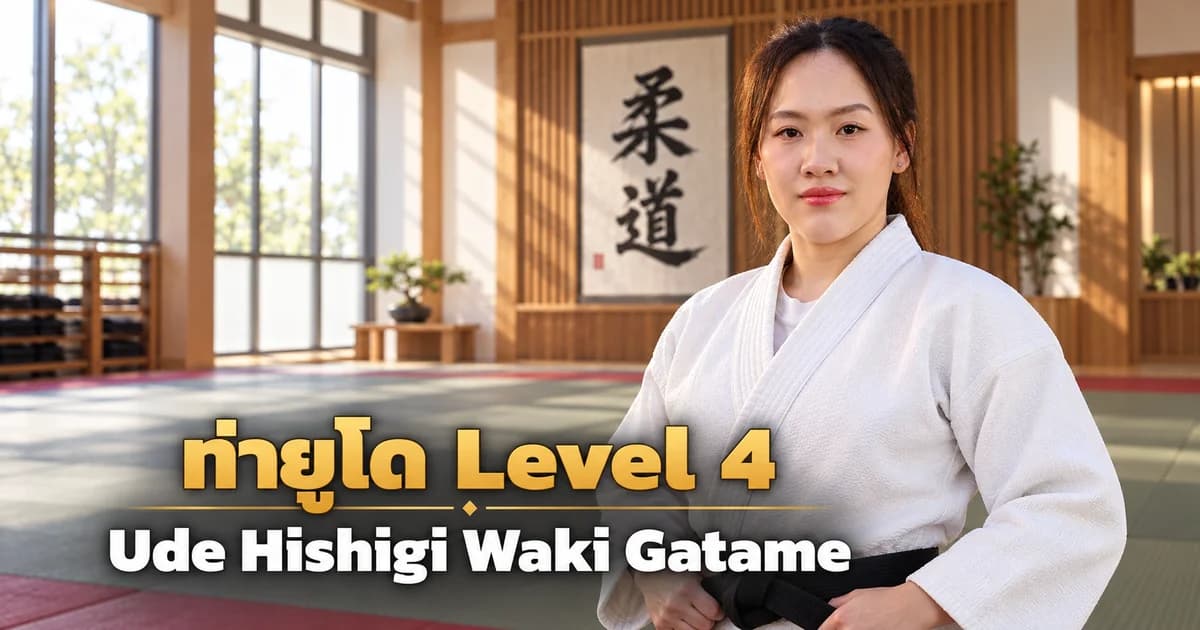
Ude Hishigi Hara Gatame relates the partner’s arm to the practitioner’s abdomen while controlling the wrist. It is an arm-joint technique, not an attack on the abdomen.
By Thaninpong Supapitakpong (Phoenix) · 5 Oct 2026
Ude Hishigi Hiza Gatame uses the knee within an arm-control structure. Hiza identifies a part used by the practitioner, not the partner’s knee as the target.
By Thaninpong Supapitakpong (Phoenix) · 5 Oct 2026
Ude Hishigi Juji Gatame controls an arm through a crosswise body arrangement and leg control of the upper arm. Begin with position and communication, not increasing elbow pressure.
By Thaninpong Supapitakpong (Phoenix) · 5 Oct 2026
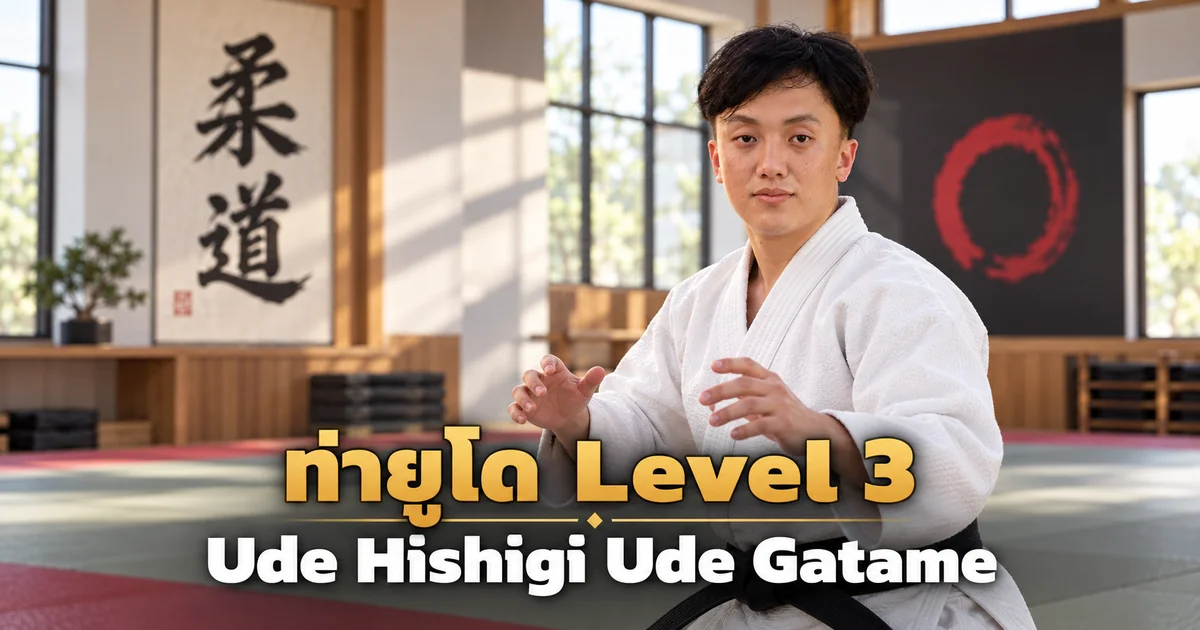
Ude Hishigi Ude Gatame uses the shoulder region and arms to control the partner’s arm. Its structure differs from Juji Gatame’s crosswise body-and-leg arrangement. Watch the wrist’s relationship to the body.
By Thaninpong Supapitakpong (Phoenix) · 5 Oct 2026
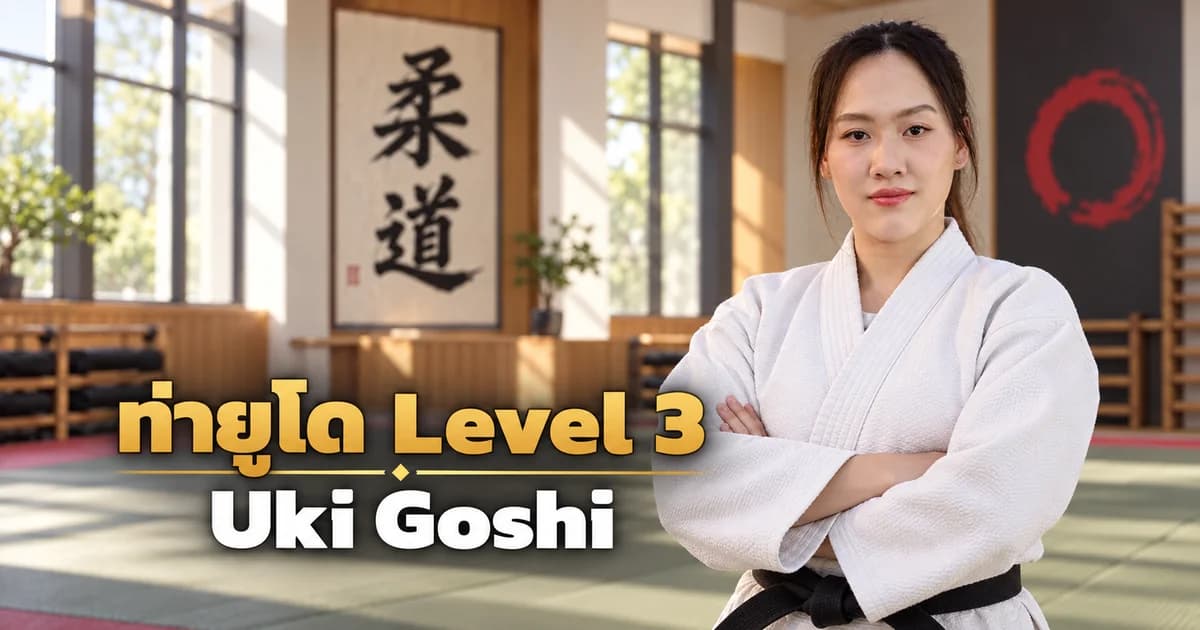
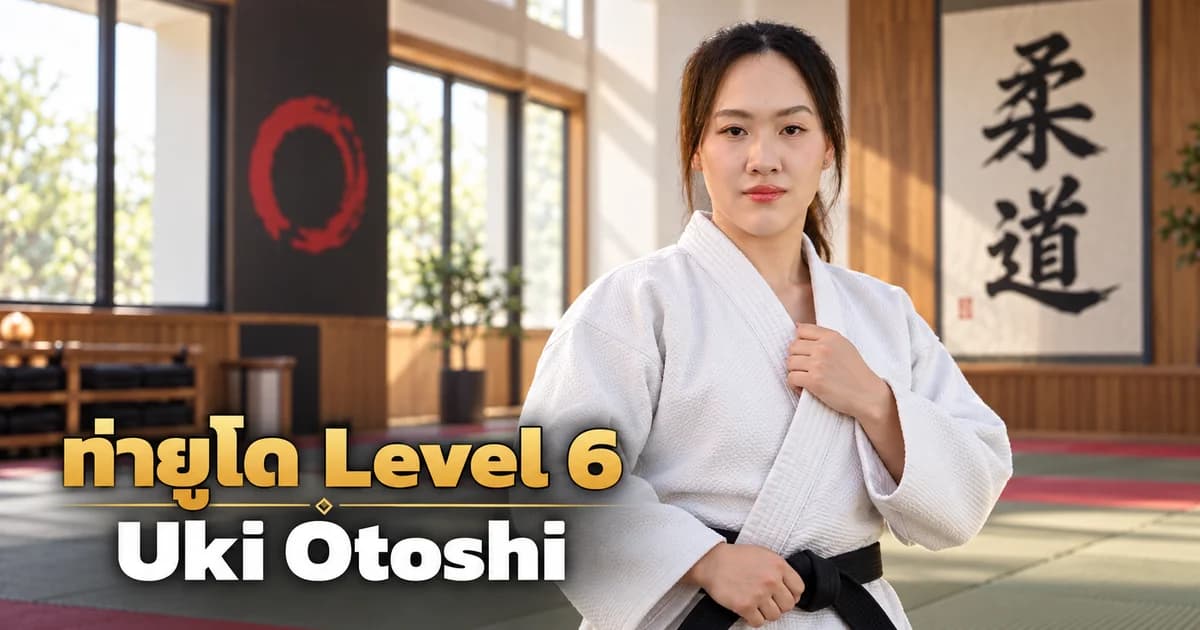
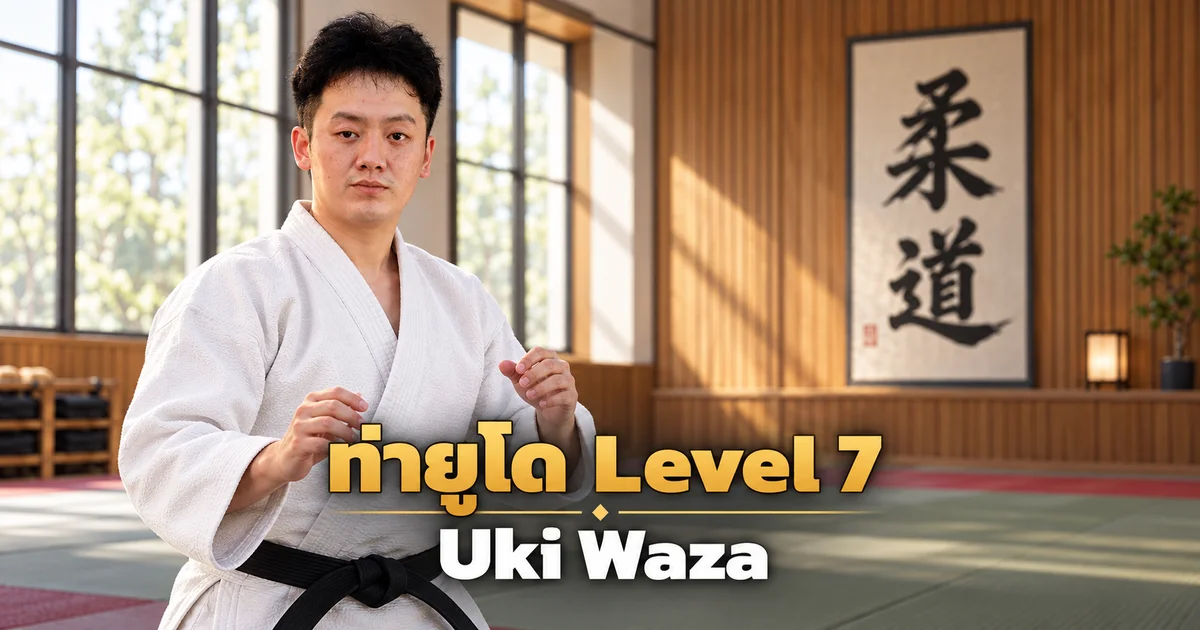
Uki Goshi turns a partner around a partially inserted hip, unlike O Goshi’s deeper loading and knee-extension lift. Watch contact distance and rotational direction.
By Thaninpong Supapitakpong (Phoenix) · 5 Oct 2026
Yoko Shiho Gatame is a side hold linking shoulder-region and lower-body control with chest and abdomen. Maintaining that connection as the partner moves matters more than memorizing a still shape.
By Thaninpong Supapitakpong (Phoenix) · 5 Oct 2026
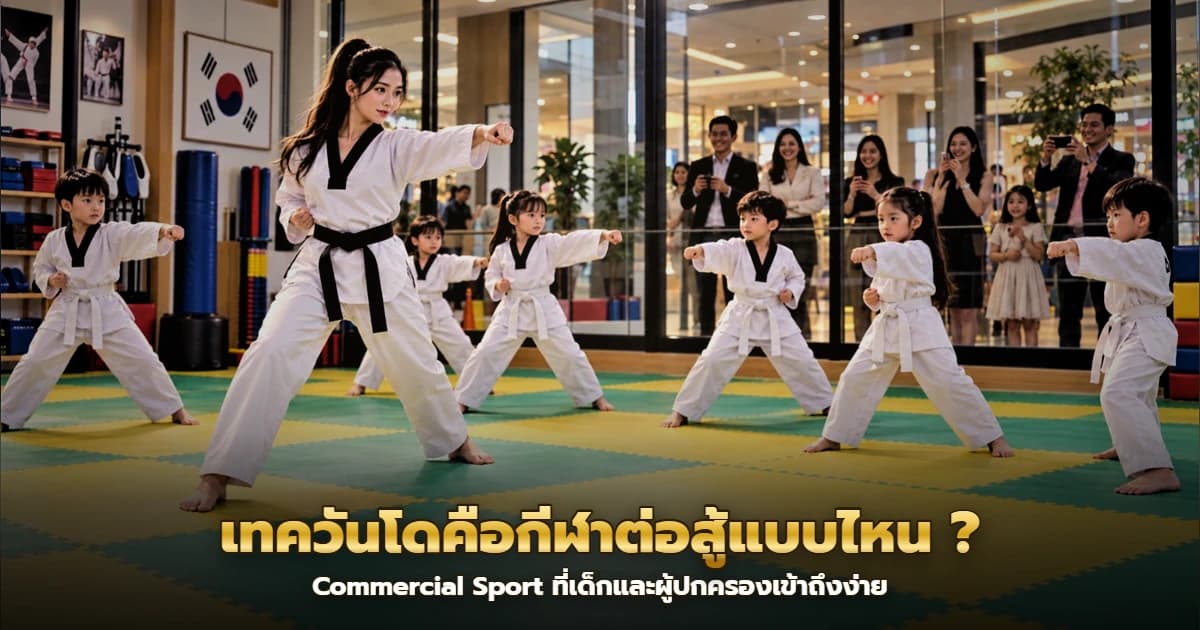
The founder of IMAC Dojo, a father who sent all four of his children to taekwondo, explains what taekwondo is and where it came from, how WT differs from ITF, how kyorugi is scored, how many belts there are, and what parents should know now that taekwondo has become a commercial sport.
By Thaninpong Supapitakpong (Phoenix) · 27 Oct 2026
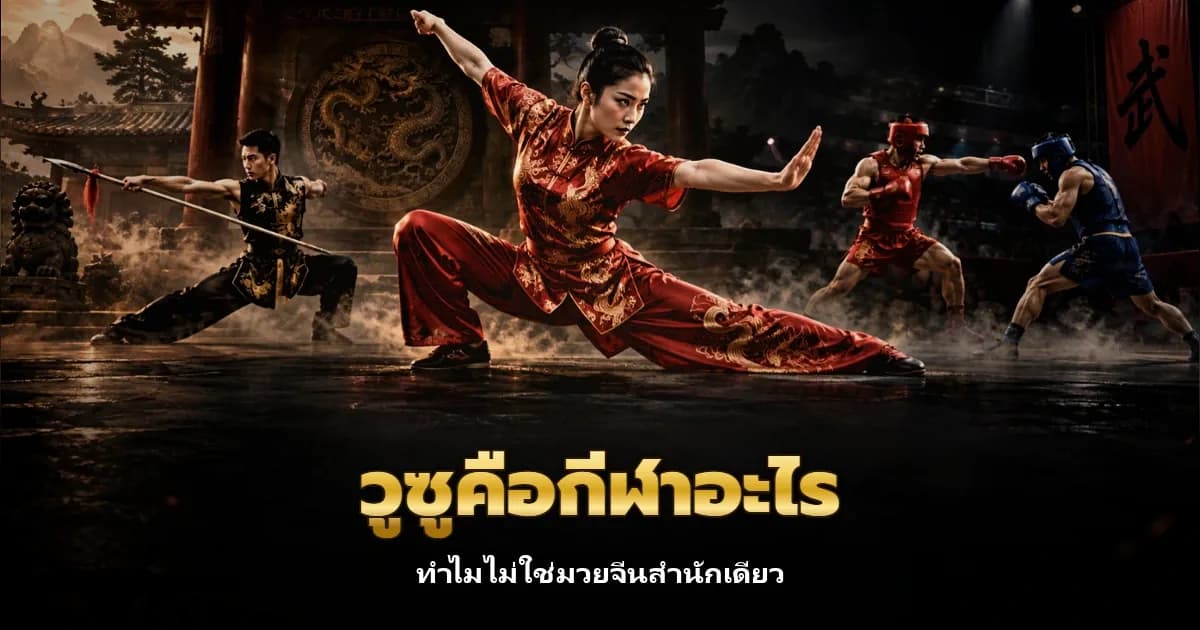
The founder of IMAC Dojo, whose family has trained in Chinese martial arts for about 20 years, explains that wushu is the umbrella term for Chinese martial arts rather than one style, with its origins, taolu and sanda, its link to tai chi and kung fu, and the duanwei ranks.
By Thaninpong Supapitakpong (Phoenix) · 27 Oct 2026
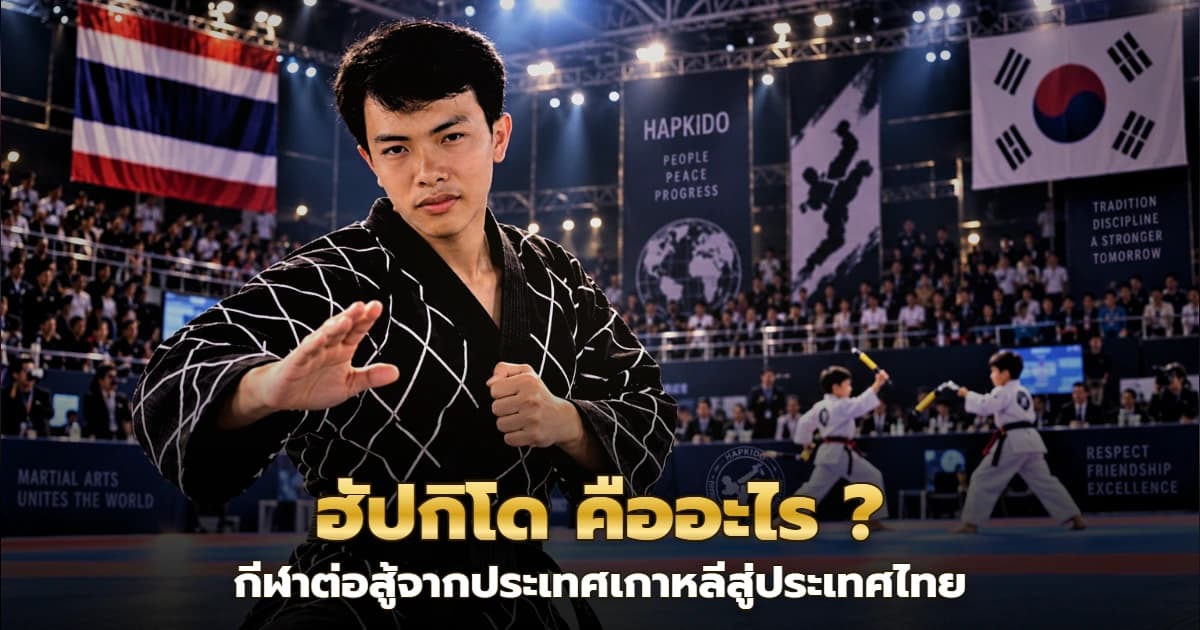
The founder of IMAC Dojo draws on his own nunchaku training and his family's Hapkido black belts to explain what Hapkido is, where it came from, the associations in Thailand, its four technical areas, its belt system and how it differs from Aikido, with a video of Michelle.
By Thaninpong Supapitakpong (Phoenix) · 27 Oct 2026
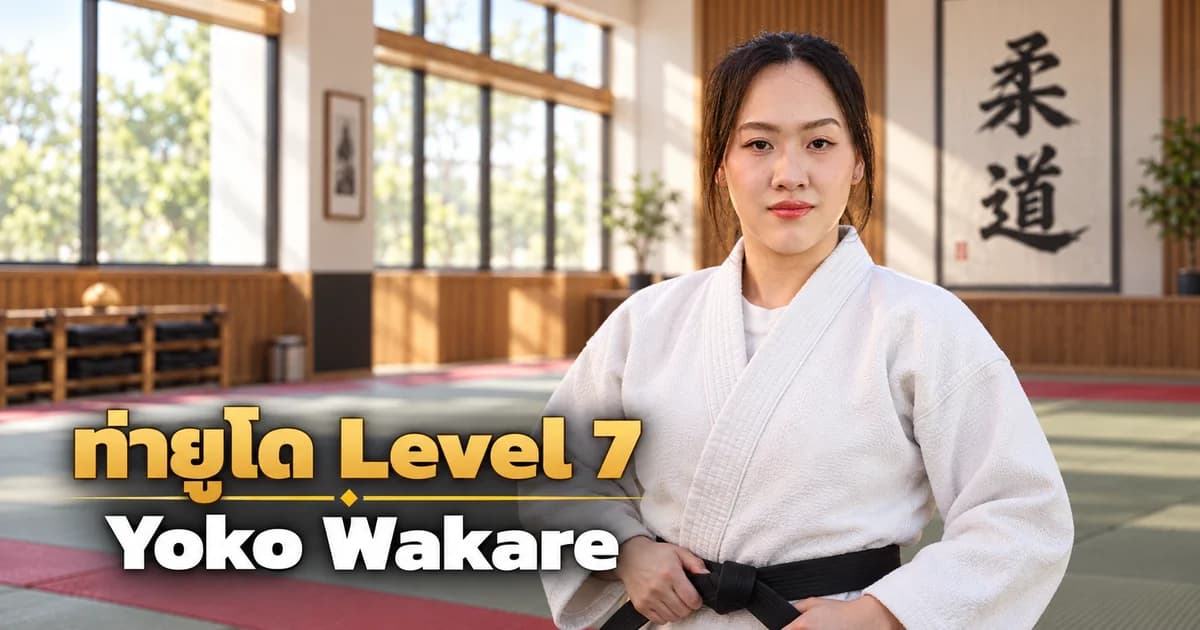
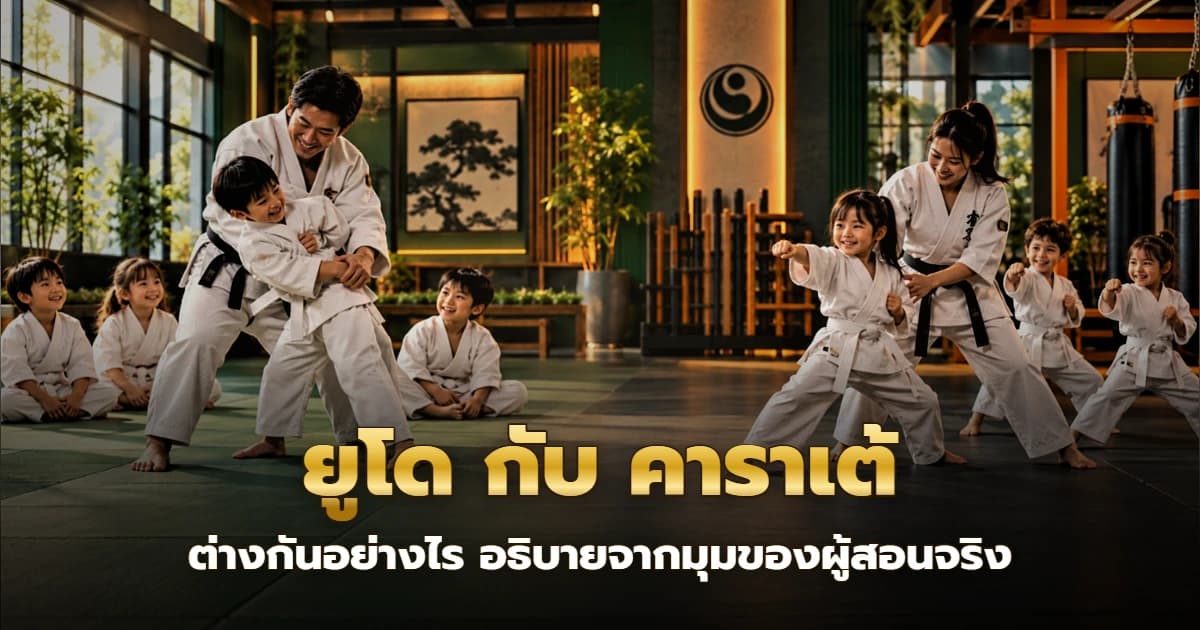
How judo and karate differ in technique, rules, the first lesson and the ages IMAC Dojo takes, and how to choose between them for a child or an adult beginner.
By Thaninpong Supapitakpong (Phoenix) · 27 Oct 2026
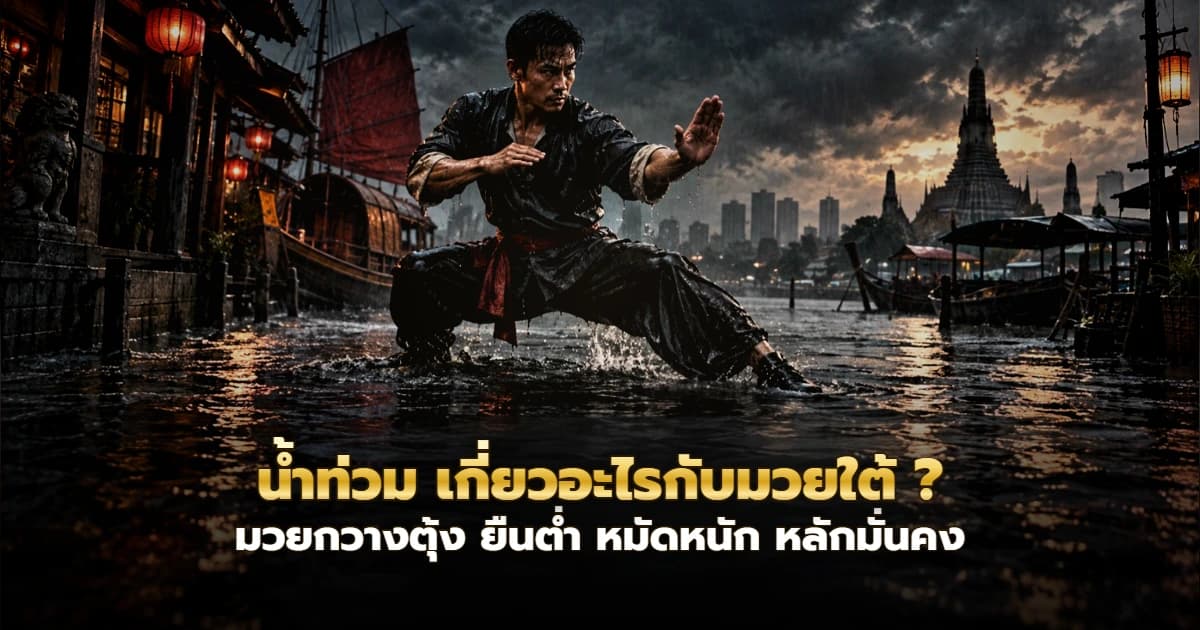
Heavy rain flooded parts of Bangkok on 25–27 September 2026. A look at Cantonese kung fu from the Pearl River Delta: why southern styles such as Wing Chun stand low and rarely kick high, what is history and what is legend about the Red Boat opera, the wooden dummy and the six-and-a-half-point pole, and how the same balance principles apply when you have to walk through floodwater.
By Thaninpong Supapitakpong (Phoenix) · 27 Oct 2026
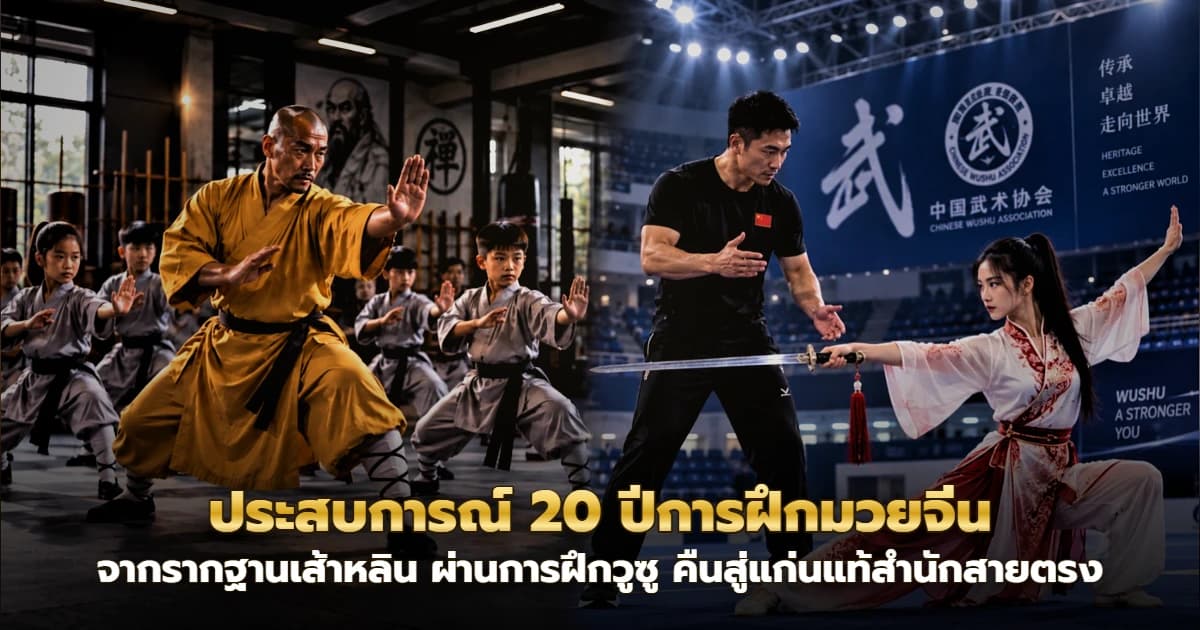
Twenty years of Chinese boxing in an IMAC Dojo instructors' family: private lessons with a Shaolin lay disciple, competitive wushu in the Wushu Federation of Thailand's system, and a return to the roots of the art in direct-lineage schools of Ip Man Wing Chun and Chen-style Taiji.
By Thaninpong Supapitakpong (Phoenix) · 27 Oct 2026
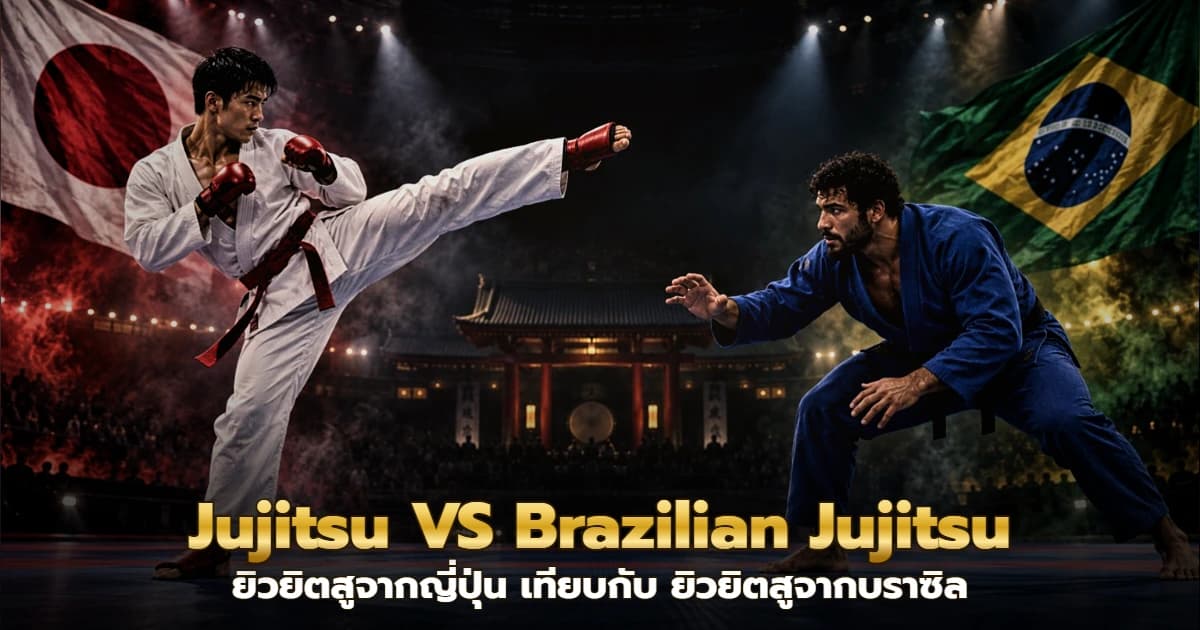
What jujitsu is, answered first; then how old Japanese jujutsu branched into judo, BJJ and modern sport ju-jitsu, how they differ, and the state of sport ju-jitsu and the national team in Thailand.
By Thaninpong Supapitakpong (Phoenix) · 27 Oct 2026
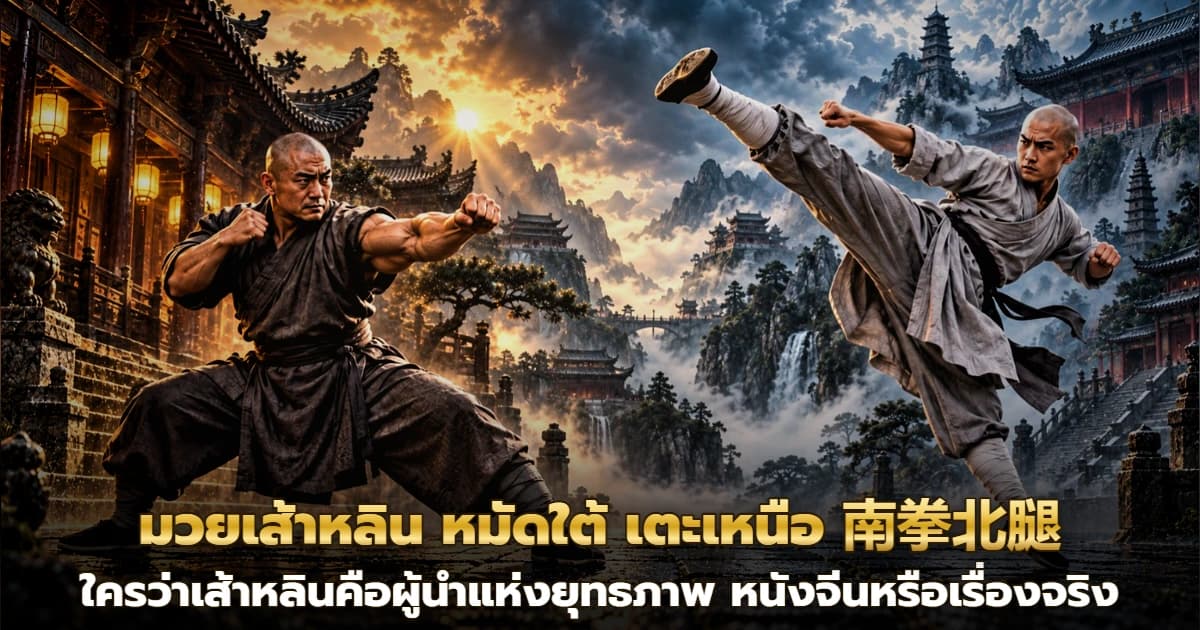
An exploration of the Chinese martial arts concept 南拳北腿 (Southern Fist, Northern Kick), starting from the Song-dynasty legend of its origin and comparing the postures, stances and philosophies of Northern and Southern styles.
By Thaninpong Supapitakpong (Phoenix) · 27 Oct 2026
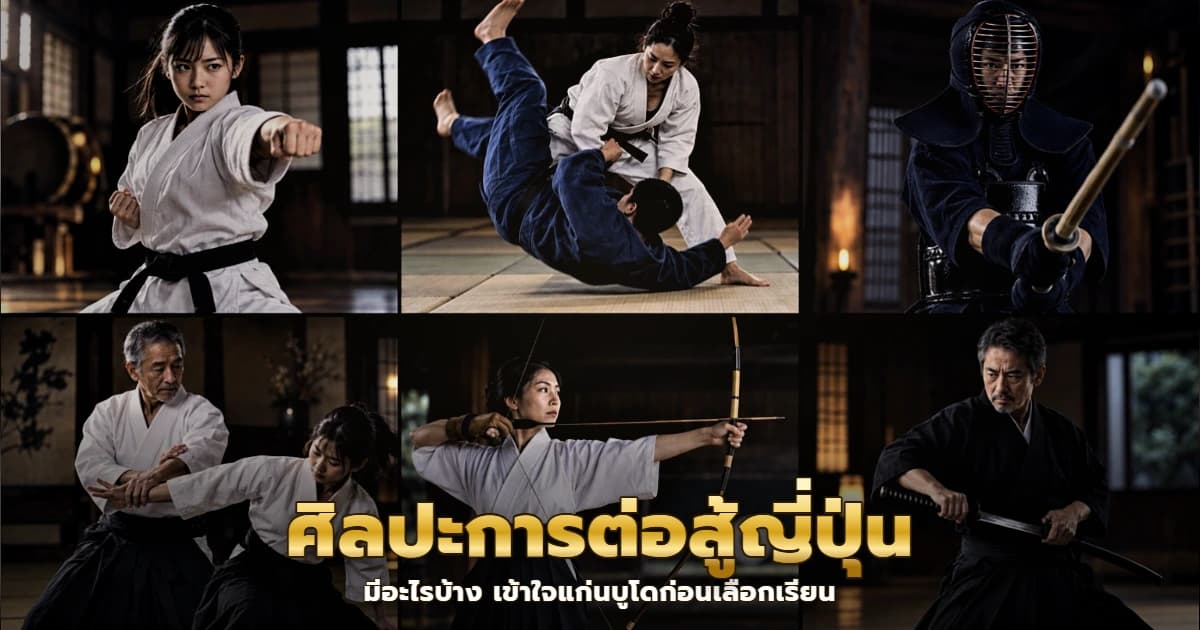
An overview of Japanese martial arts that explains the shift from kobudo to gendai budo, the philosophy of shin-gi-tai, and how judo, karate and aikido differ, to help parents choose a discipline for their child.
By Thaninpong Supapitakpong (Phoenix) · 26 Oct 2026
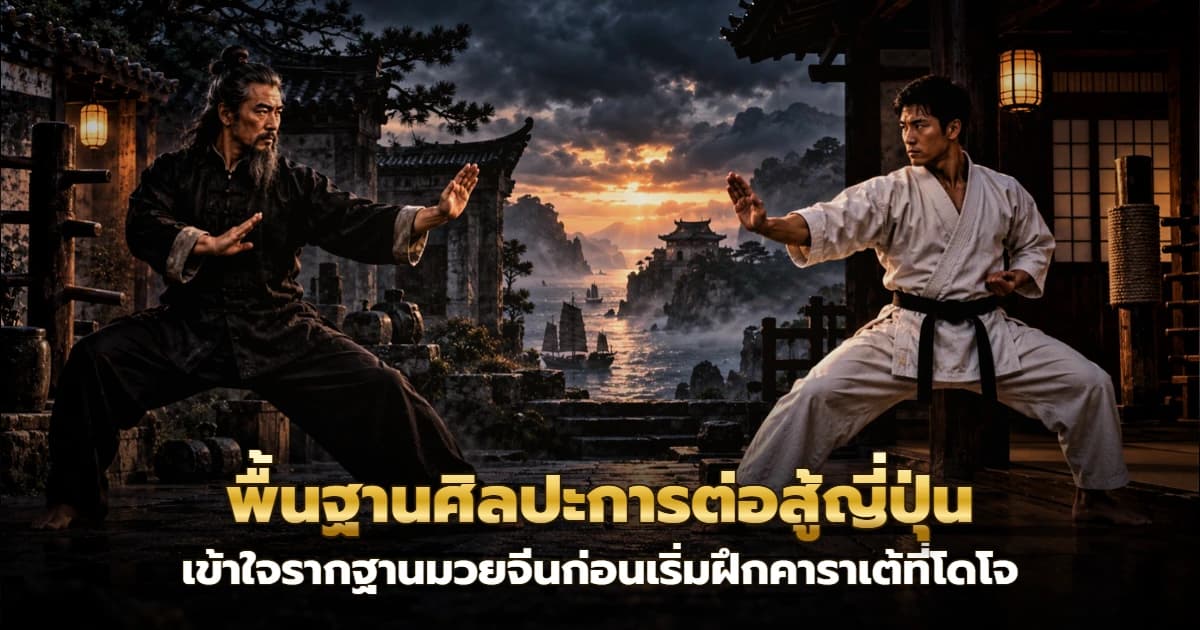
A dojo founder traces his personal path from Chinese boxing to Shinkyokushin Karate, exploring the historical links between Fujian martial arts, Okinawan Tode, and the naming of karate itself.
By Thaninpong Supapitakpong (Phoenix) · 26 Oct 2026
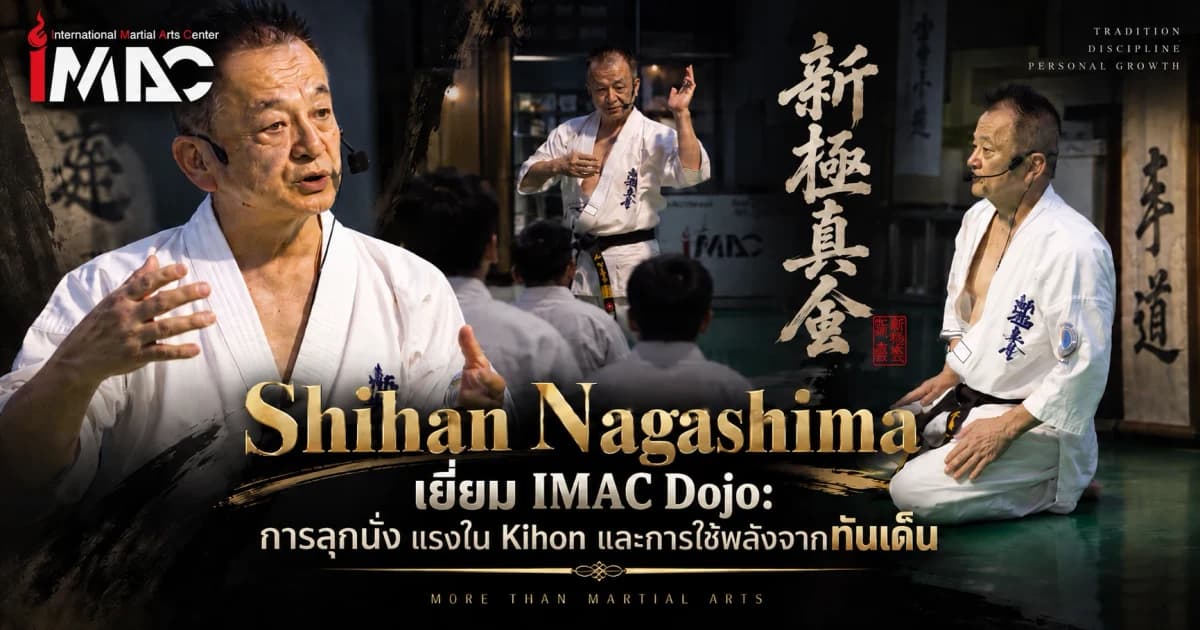
On Friday 18 September 2026 Shihan Fumiaki Frank Nagashima visited IMAC Dojo and taught a short session of about 40 minutes. He focused on three things: sitting and rising as Budo etiquette requires, using Hikite to generate power in Kihon, and Ibuki breathing to control the tanden, then presented the belts and certificates from the 21 August grading. The article also carries his biography, from Keio University and a first grading under Sosai Oyama to his appointment as WKO Branch Chief for Thailand in 2011, and the interview filmed that day.
By Thaninpong Supapitakpong (Phoenix) · 5 Oct 2026
An in-depth look at the Garyu kata's origin from Mas Oyama's home village, its crouching-dragon philosophy, technical structure, and its role in black-belt grading in Shinkyokushin karate.
By Thaninpong Supapitakpong (Phoenix) · 27 Oct 2026
A straight look at warming up for karate: what the research says about stretching before versus after training, how long a static hold has to be before it costs you power, what the iliopsoas and the hips have to do with kicking, why I do not let partners press down during splits, and how to judge whether a karate school takes its students' bodies seriously.
By Thaninpong Supapitakpong (Phoenix) · 27 Oct 2026
A Kyokushin karate practitioner reflects on Mas Oyama's final illness and death through a Buddhist lens, examining the Godhand legend, the organizational split that followed, and the lessons applied at IMAC Dojo.
By Thaninpong Supapitakpong (Phoenix) · 27 Oct 2026
This article explains why IMAC Dojo combines Wing Chun with Sambo for real-life self-defense, covering Sambo's history, throw biomechanics, leg-lock risks, legal limits, and who the Wingchun Sambo Thailand course is designed for.
By Thaninpong Supapitakpong (Phoenix) · 27 Oct 2026
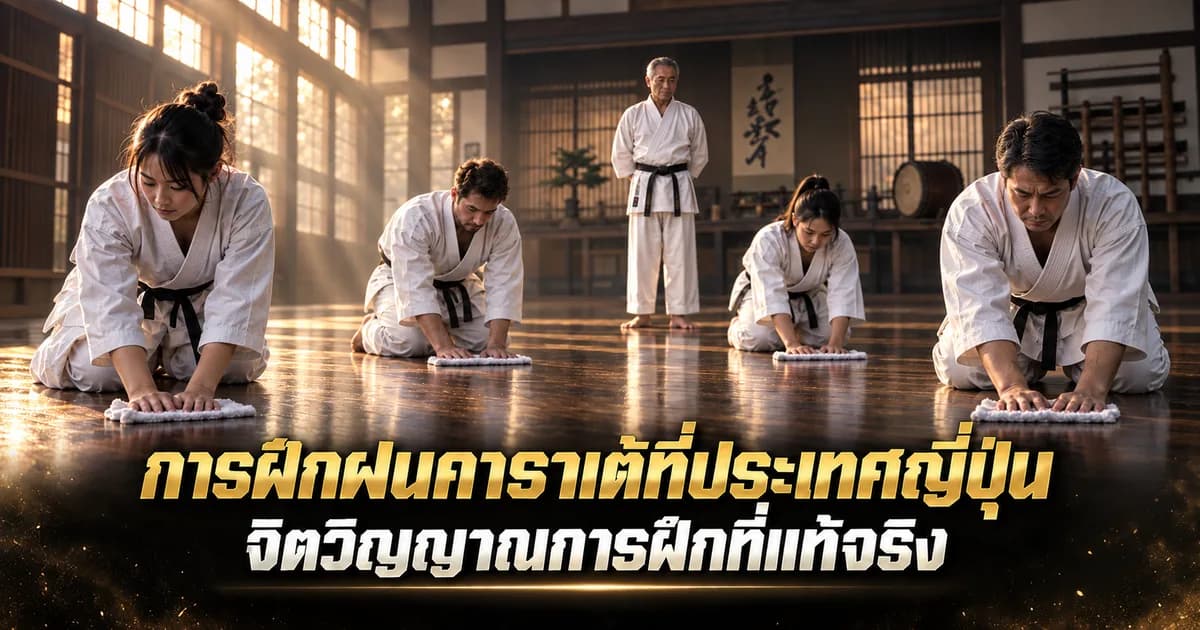
Drawn from training alongside Japanese friends, this article explains how the bowing ceremony, mokuso, the kihon-kata-kumite structure, and wiping the dojo floor add up to the spirit of budo.
By Thaninpong Supapitakpong (Phoenix) · 27 Oct 2026
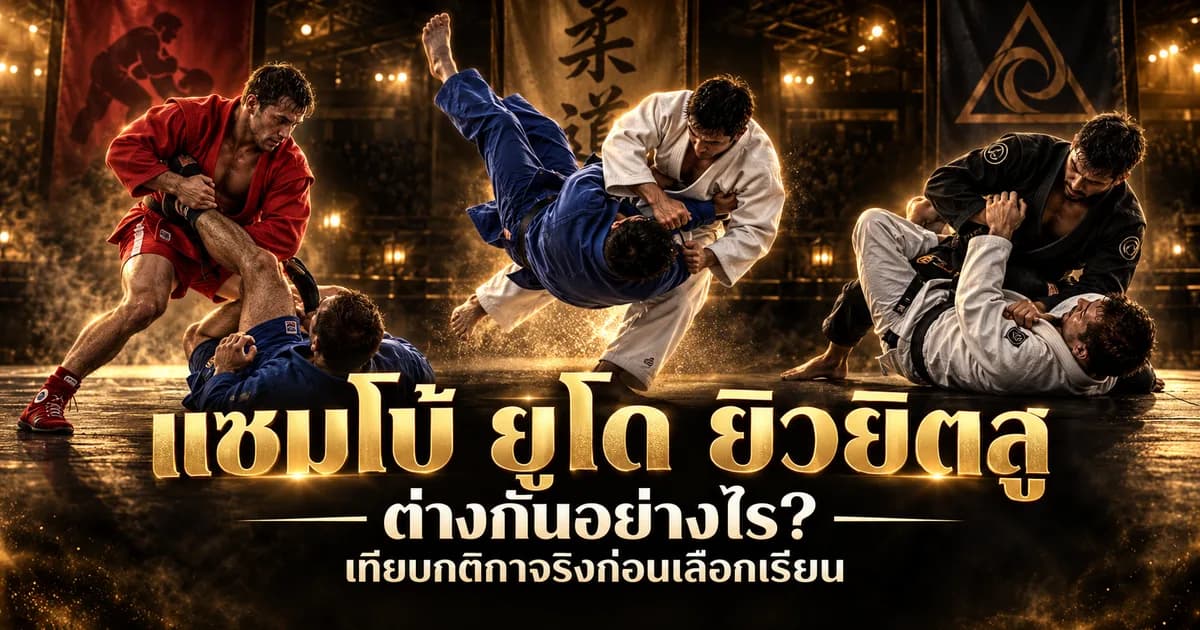
The three grappling arts people mix up most often. This is not a which-is-stronger argument: it lays the four federations' own rulebooks side by side on leg locks, chokes, striking and what ends a match.
By Thaninpong Supapitakpong (Phoenix) · 26 Oct 2026
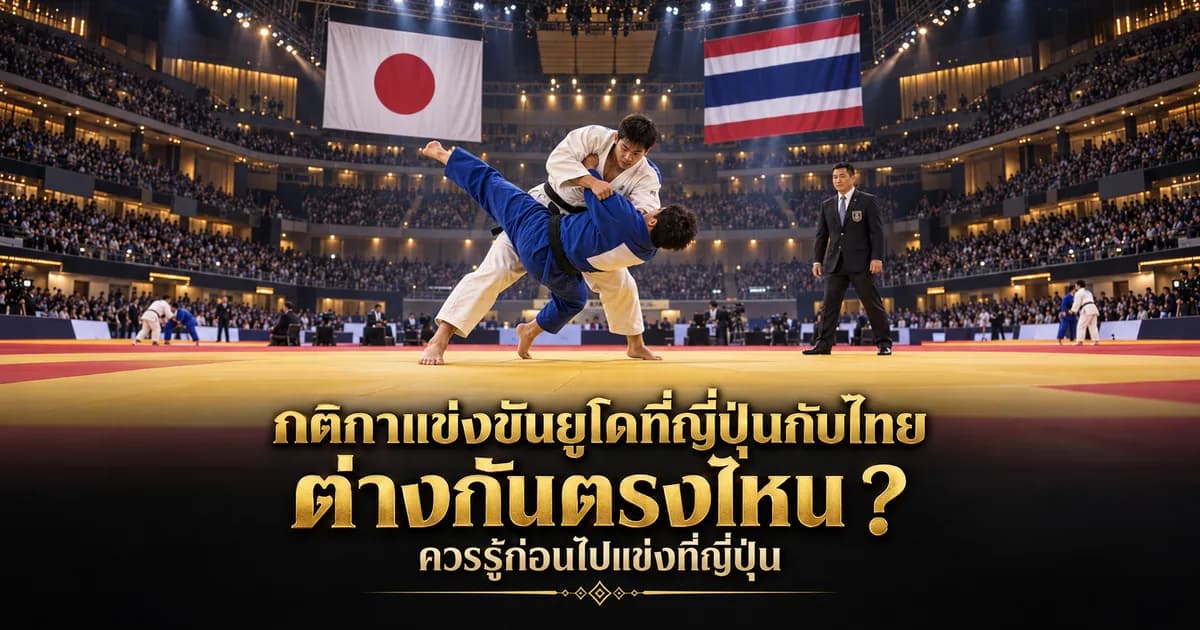
The IJF brought yuko back in 2025 and Japan now scores it at home too. What genuinely differs today is the rules of some individual events and the youth regulation. Here is what to check before you enter.
By Thaninpong Supapitakpong (Phoenix) · 26 Oct 2026
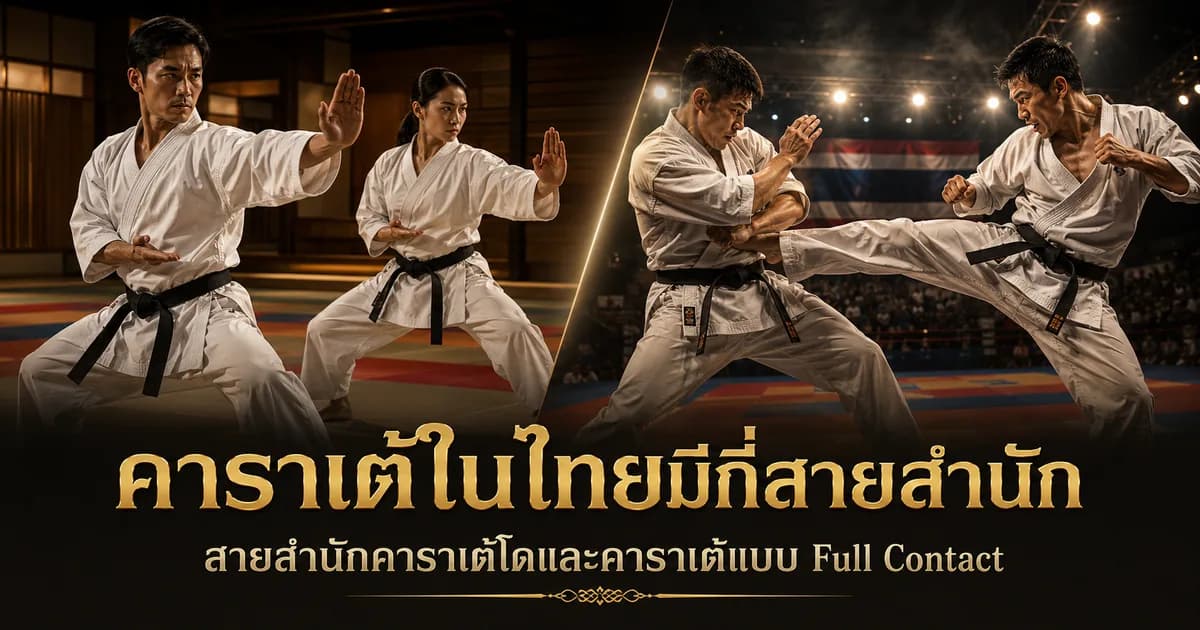
Karate in Thailand splits cleanly into two groups by contact rule. This walks the documented timeline, compares traditional and full contact, and shows how to read which body a dojo answers to.
By Thaninpong Supapitakpong (Phoenix) · 26 Oct 2026
A parent's guide to how traditional and full-contact karate really differ, what safety equipment to look for, and how to read a dojo before enrolling a child.
By Thaninpong Supapitakpong (Phoenix) · 27 Oct 2026
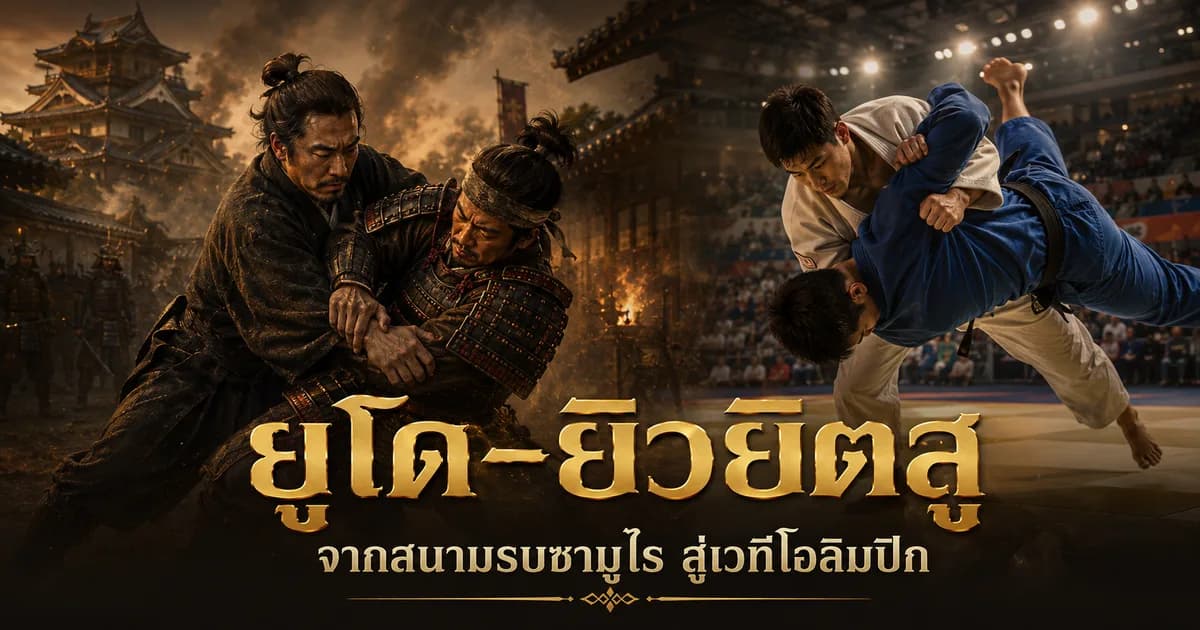
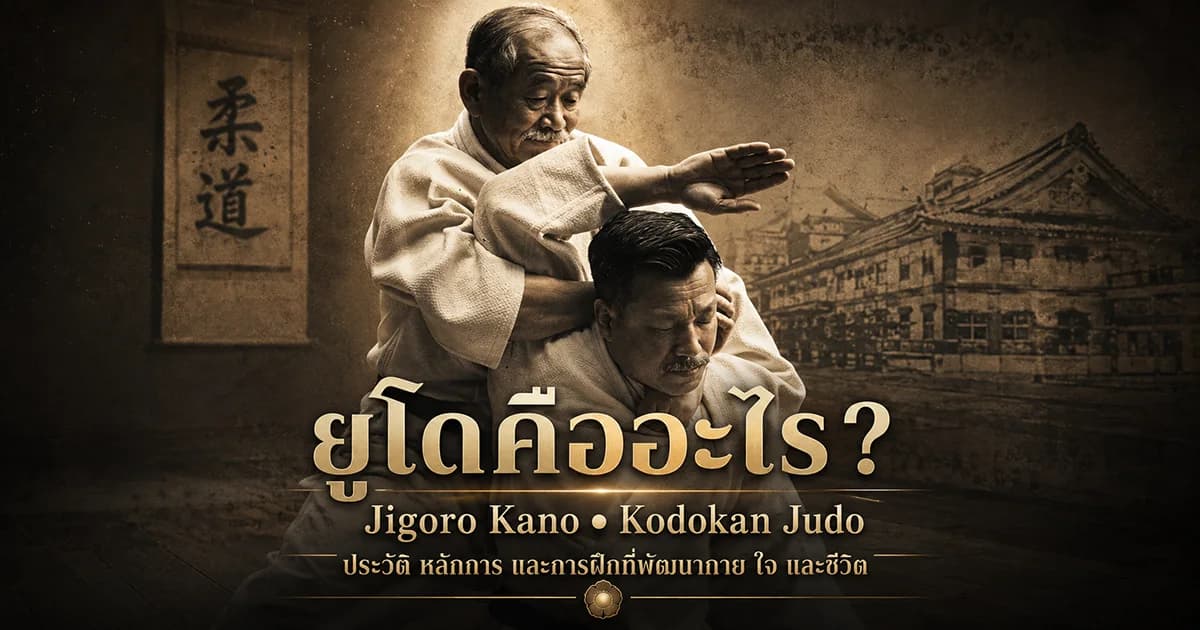
From a samurai combat system built for survival, to the way of self-cultivation Jigoro Kano founded in 1882, to an Olympic sport in 1964 — and the safety reforms Japan had to make along the way.
By Thaninpong Supapitakpong (Phoenix) · 26 Oct 2026
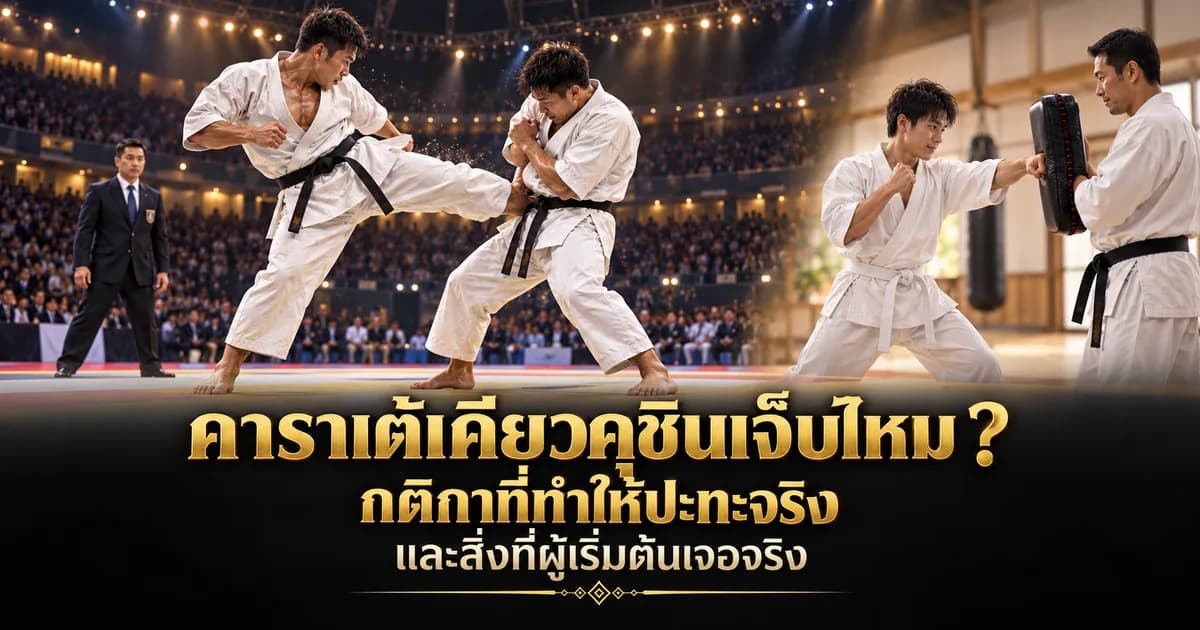
The most common question before starting Kyokushin is whether it hurts. An honest answer has to separate two things: the competition rules, and what actually happens in a beginner's class.
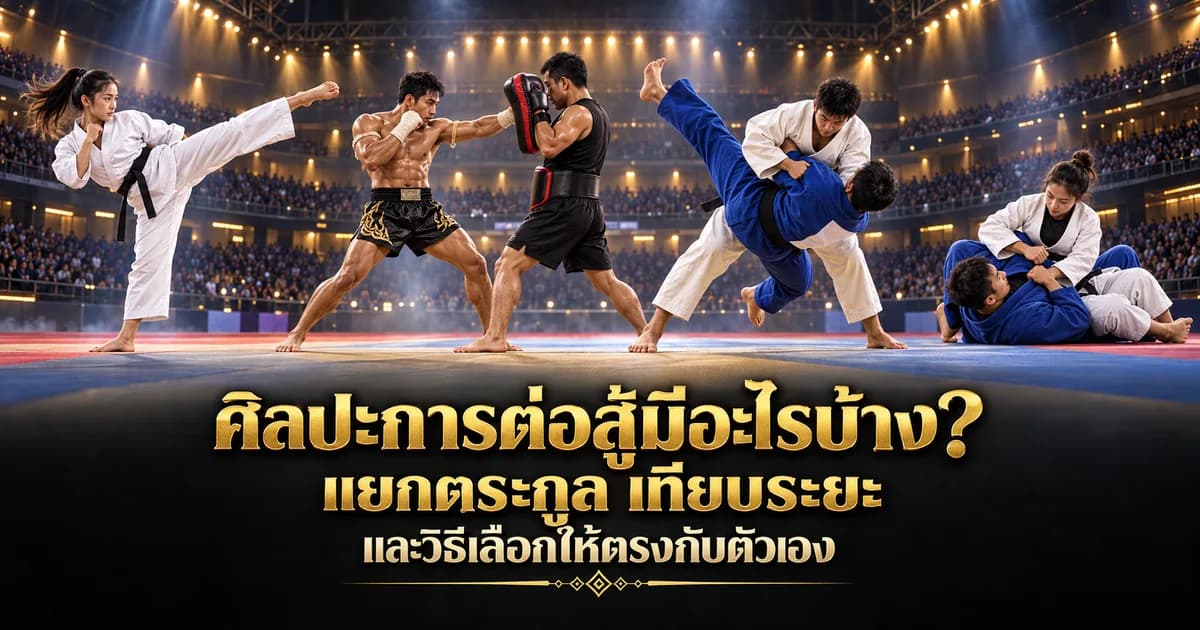
Instead of ranking which art hits hardest, this sorts the martial arts into families by range and by how an exchange ends, then gives criteria you can actually decide with, and says plainly what we teach and what we do not.
By Thaninpong Supapitakpong (Phoenix) · 26 Oct 2026
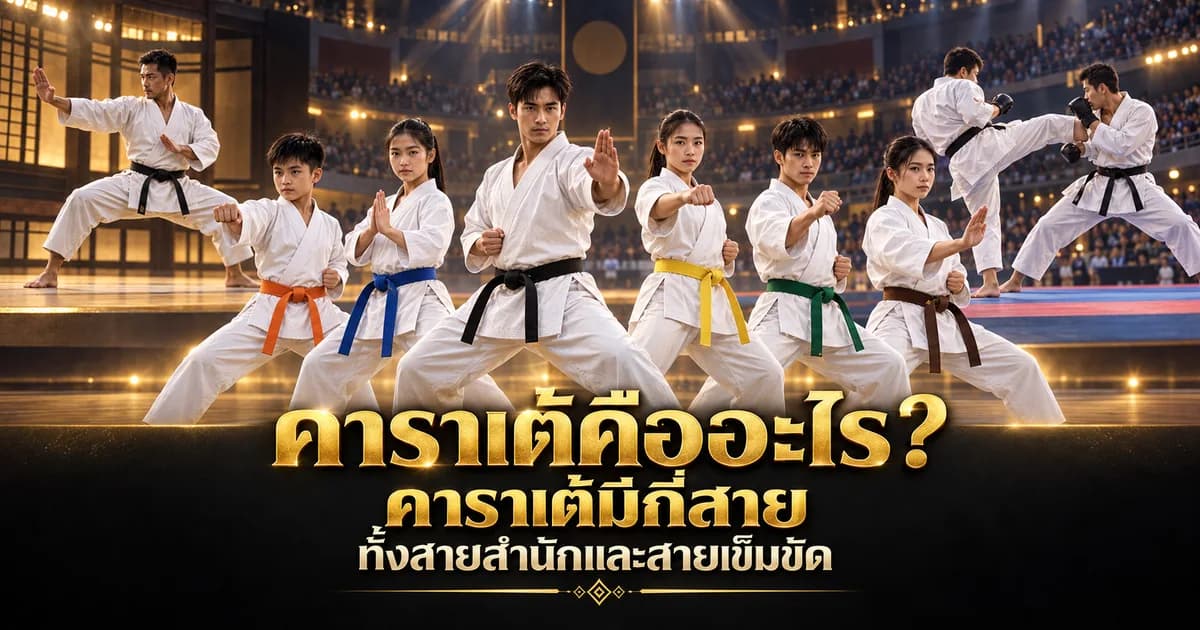
Karate explained from the name itself: where 空手 comes from, why nobody can give one official count of styles, how the Kyu-Dan belt system actually works, and what karate looks like in Thailand today.
By Thaninpong Supapitakpong (Phoenix) · 26 Oct 2026
A frequently searched question is which art women should learn. The answer that actually helps does not come from ranking arts by strength — it comes from the situation you worry about, your own body, and the time you can train.
Japan spent decades linking its point-rules karate and its full-contact karate until the art reached the Olympic stage. So where is Thai karate heading, and where does Shinkyokushin Karate stand in that picture?
By Thaninpong Supapitakpong (Phoenix) · 27 Oct 2026
A dentist in my dojo told me his back felt like an old man's after ten years of chairside work. This article places research on pain prevalence, the limits of ergonomic equipment, and core muscle mechanics next to what I actually teach in the dojo.
By Thaninpong Supapitakpong (Phoenix) · 27 Oct 2026
The day I weighed nearly 97 kilograms and sat waiting beside the mat was the day I decided to train too. This article sets more than a decade of the Supapitakpong family beside research on oxytocin, rough-and-tumble play, and the cost of parental pressure.
By Thaninpong Supapitakpong (Phoenix) · 27 Oct 2026
My son Ryu-GeGe called after his first Wing Chun session in Xi'an to say nobody there rushes to finish a form: the teacher corrects your hand position degree by degree. This article gathers what we learned, from the art's real history to the state-recognised inheritor system and the discipline we brought back to IMAC Dojo.
By Thaninpong Supapitakpong (Phoenix) · 26 Oct 2026
After the 7 August 2026 attack at Debsirin Nonthaburi School, the founder of IMAC Dojo on what martial arts genuinely help with in bullying — and what they don't.
By Thaninpong Supapitakpong (Phoenix) · 26 Oct 2026
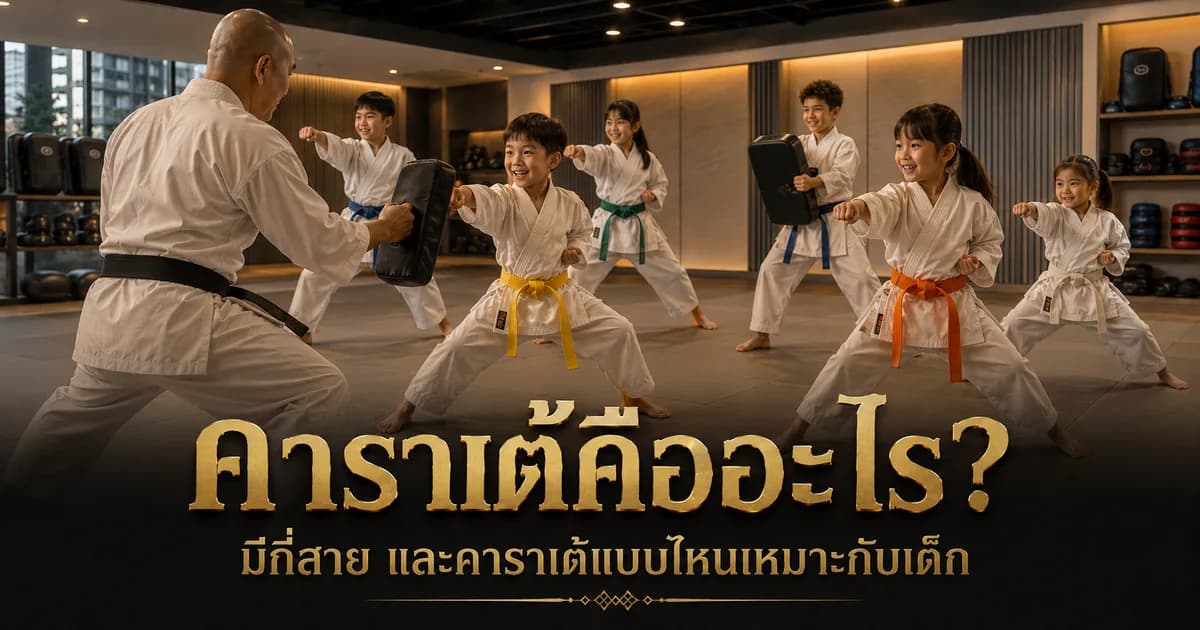
A practical comparison of karate and taekwondo for children, covering training goals, rules, movement, and injury evidence through a family's first-hand experience.
By Thaninpong Supapitakpong (Phoenix) · 27 Oct 2026
Phoenix began karate at 42. His first-hand experience is considered alongside research on lifelong motor learning, injury evidence, and age-adapted activity so adults can decide without rushing their bodies.
By Thaninpong Supapitakpong (Phoenix) · 26 Oct 2026
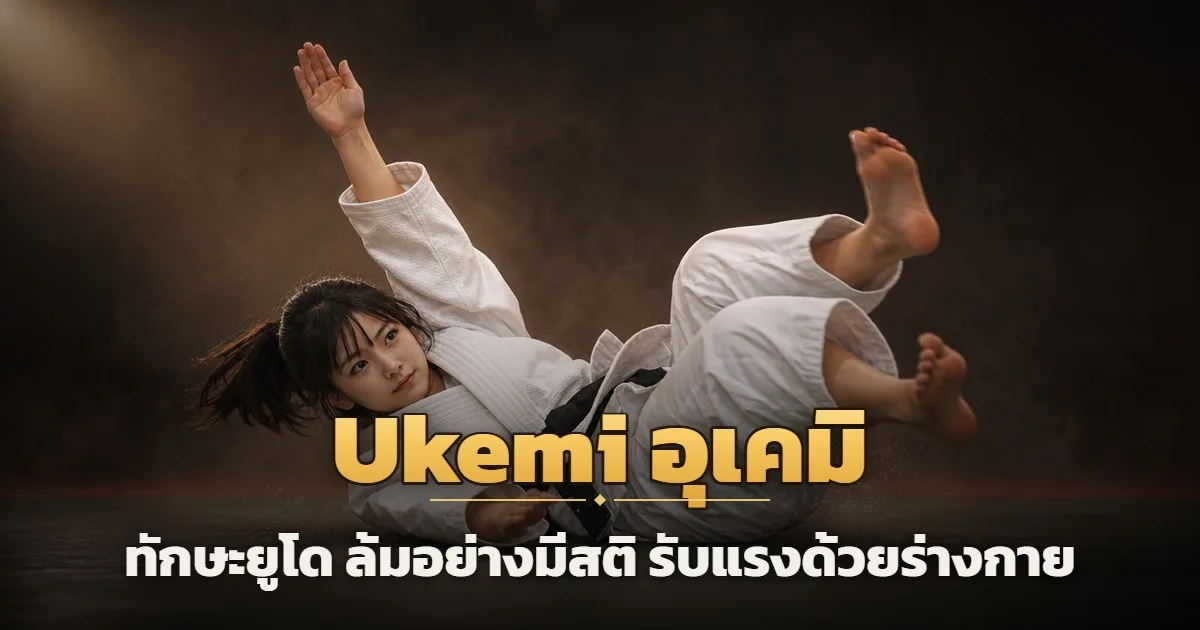
Ukemi is Judo's method of receiving a fall with control. Learn its purpose, major forms, progression, common errors, and the safety limits every beginner should understand.
By Thaninpong Supapitakpong (Phoenix) · 26 Oct 2026
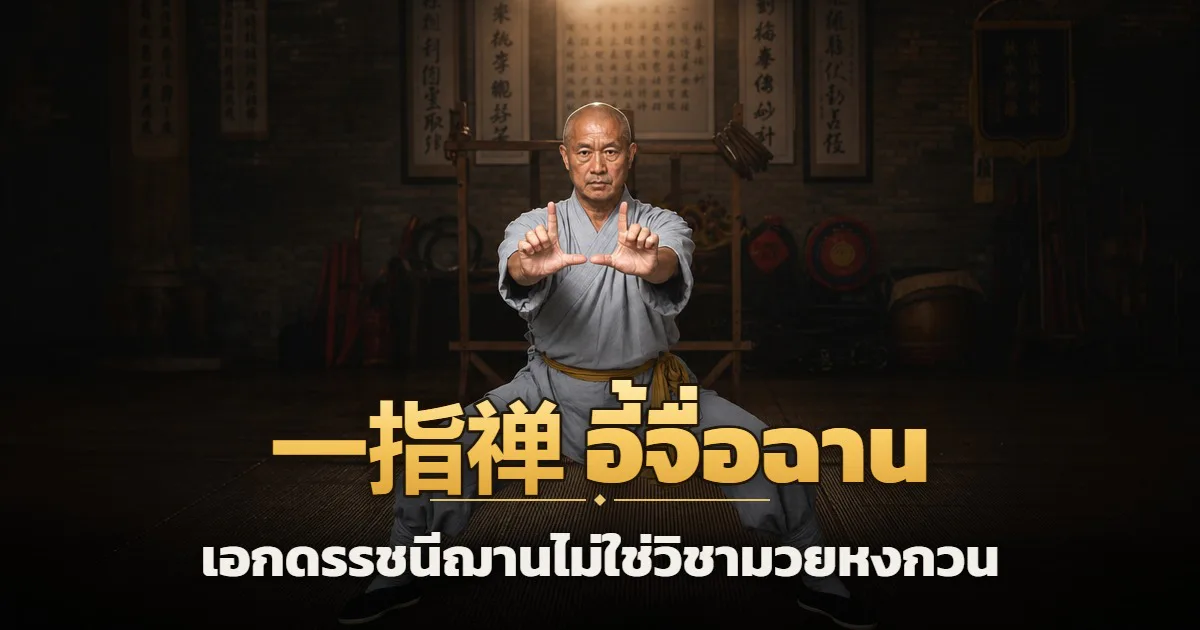
One-Finger Chan and a finger shape in Hung Kuen may look alike, but they point to different cultural contexts, training methods, and purposes. Learn how to distinguish them responsibly.
By Thaninpong Supapitakpong (Phoenix) · 27 Oct 2026
A dojo is more than a training room. It is a disciplined place where martial arts students train body, mind, etiquette, safety, respect, and responsibility.
By Thaninpong Supapitakpong (Phoenix) · 26 Oct 2026
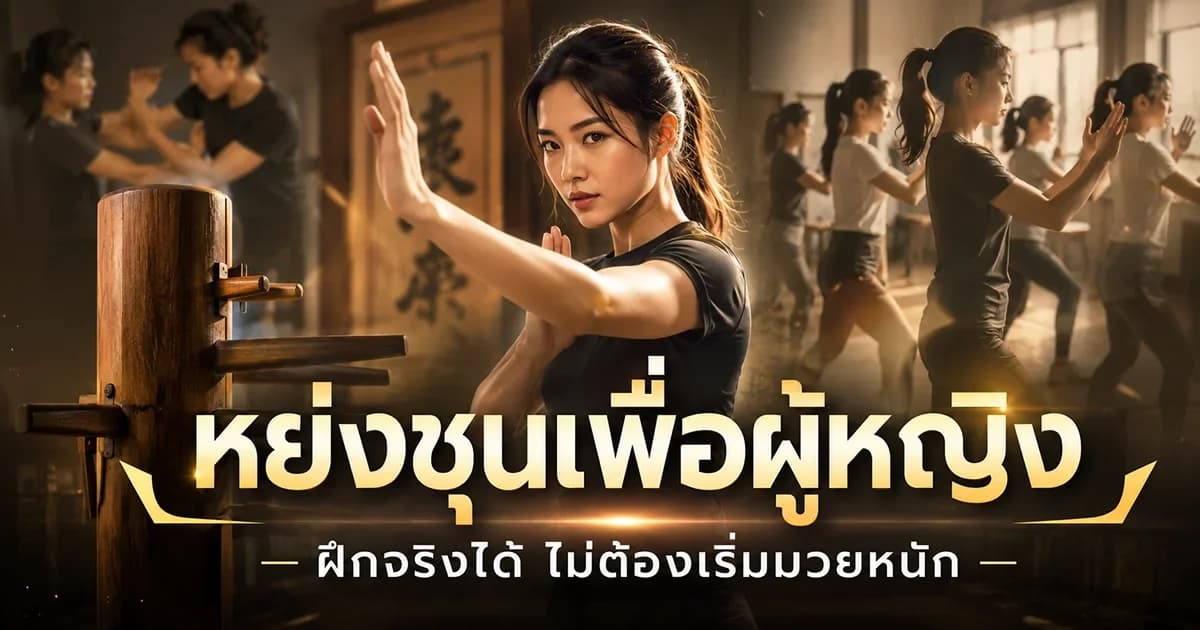
Wing Chun is a close-range martial art that uses centerline, structure, timing, and efficient movement. That makes it a practical entry point for women who want self-defense skills without starting with hard-contact sparring from day one.
By Thaninpong Supapitakpong (Phoenix) · 27 Oct 2026
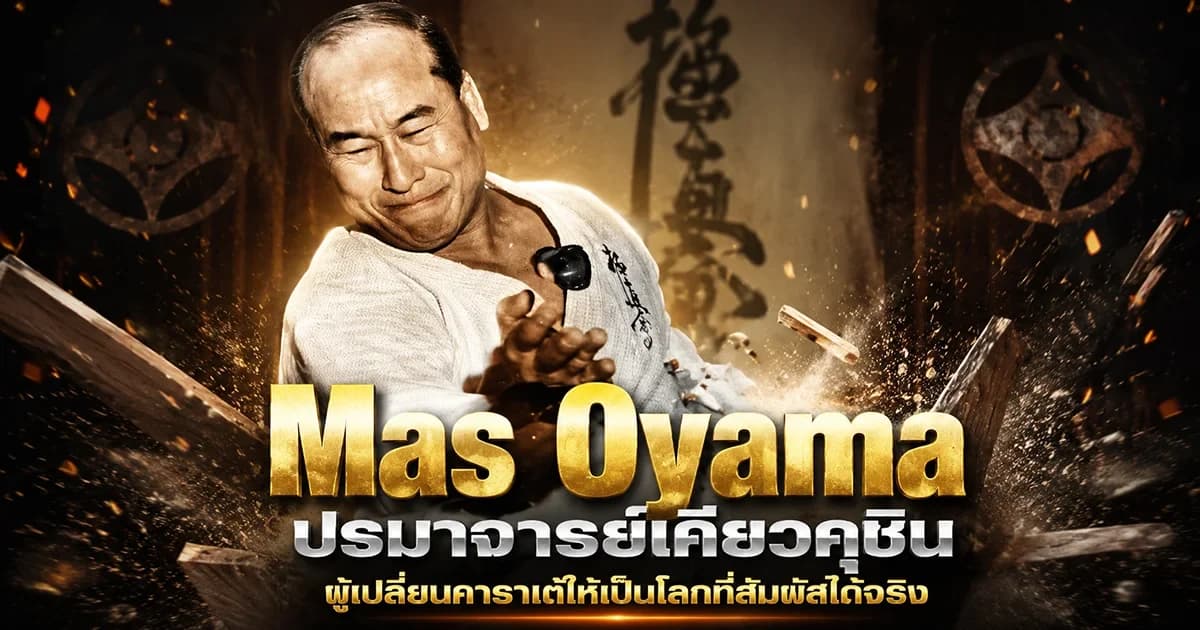
A source-aware guide to Mas Oyama, the founder of Kyokushin Karate, separating official Japanese timelines, popular legends, and the legacy that continues in Shinkyokushin.
By Thaninpong Supapitakpong (Phoenix) · 26 Oct 2026
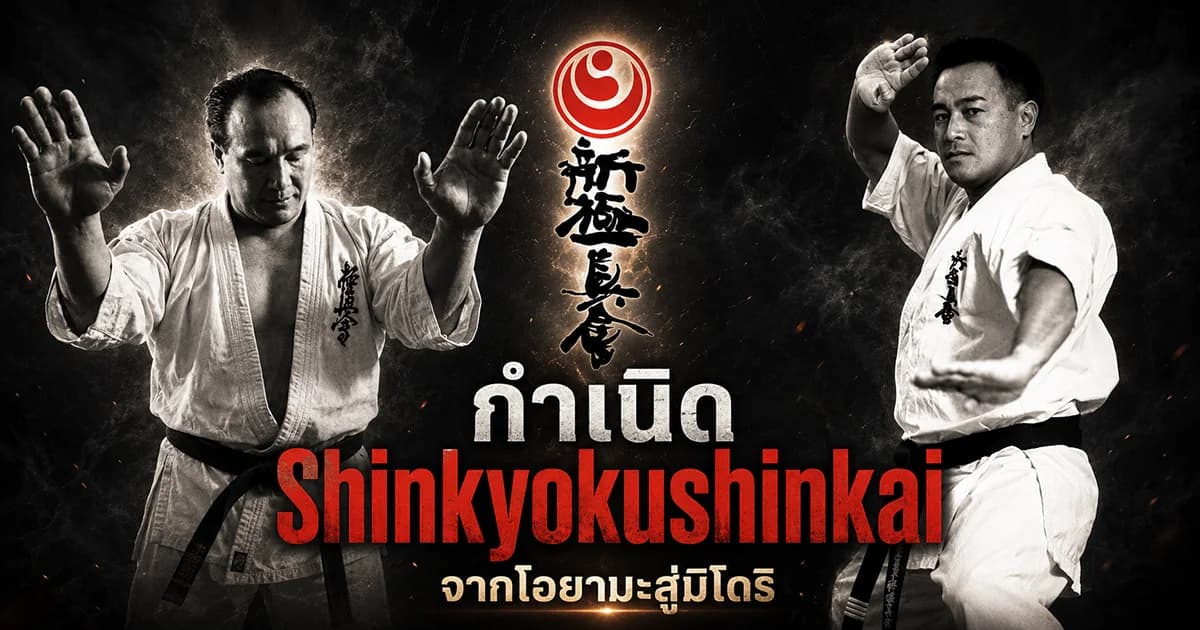
A clear guide to Shinkyokushinkai history, from Mas Oyama's Kyokushin roots to Kenji Midori's WKO era, the Kokoro symbol, and what it means for karate students in Bangkok.
By Thaninpong Supapitakpong (Phoenix) · 26 Oct 2026
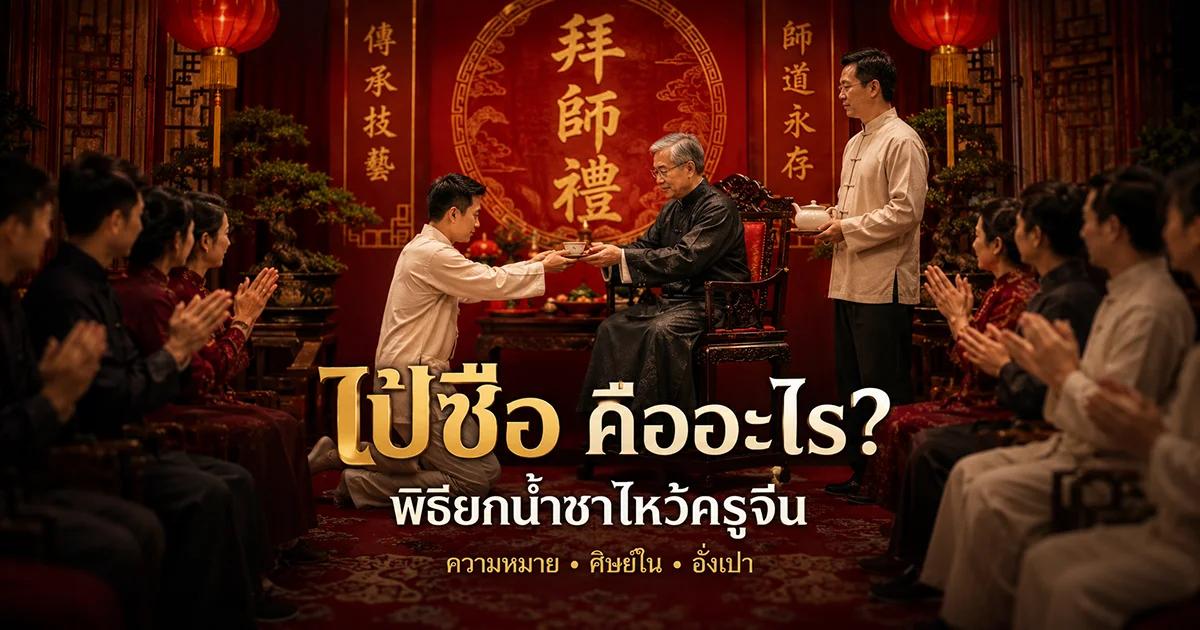
A practical guide to Bai Shi, the Chinese master-disciple ceremony, explaining the tea ritual, Shifu relationship, indoor disciple status, red envelope etiquette, and how to read the tradition responsibly today.
By Thaninpong Supapitakpong (Phoenix) · 26 Oct 2026
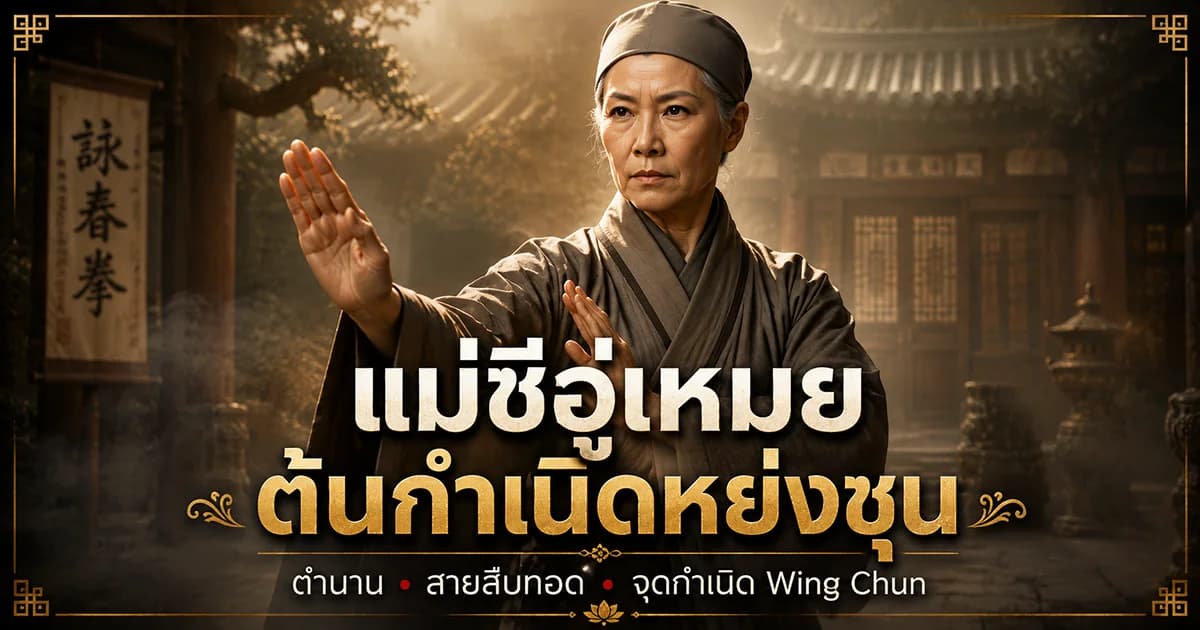
Explore Ng Mui, the legendary founder of Wing Chun, the lineage to Ip Man, and why Wing Chun remains useful for adult self-defense training in Thailand.
By Thaninpong Supapitakpong (Phoenix) · 26 Oct 2026
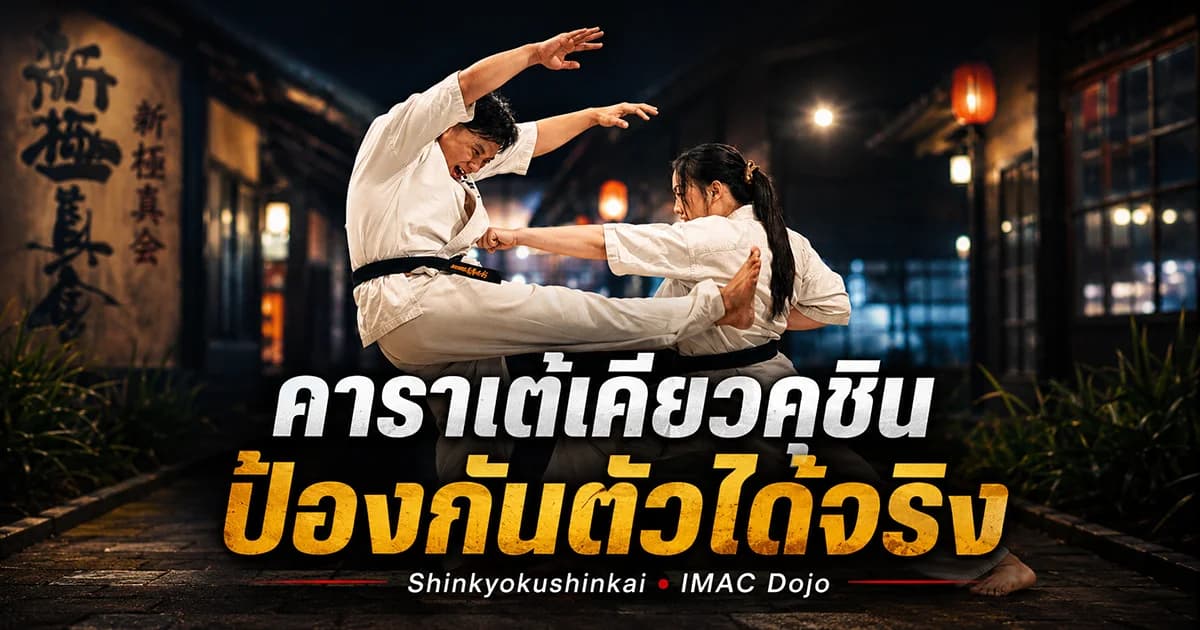
Explore Shinkyokushin Kyokushin Karate at IMAC Dojo Bangkok, including Budo principles, progressive full-contact practice, and disciplined training.
By Thaninpong Supapitakpong (Phoenix) · 27 Oct 2026
Reading Guide
Read by training goal
The IMAC Dojo Blog connects Judo, Shinkyokushin Karate, Wing Chun, Muay Thai, self-defense, Bangkok, and Ladprao 101 topics with real classes at the dojo.
Start with the Ng Mui and Wing Chun article for close-range self-defense, or the Shinkyokushin Karate article for fitness, confidence, and full-contact basics.
Do these articles connect to real IMAC Dojo classes?
Yes. The blog links directly to Judo, Shinkyokushin Karate, Wing Chun Sambo, and Wai Kru Muay Thai classes at IMAC Dojo near Ladprao 101 in Bangkok.
How can beginners use this blog to choose a course?
Read the short answer, key takeaways, and FAQ in each article to compare goals such as fitness, discipline, self-defense, confidence, and martial arts foundations.