What Is Judo? Jigoro Kano, Kodokan Judo, Belt Ranks, and the Principles Behind the Gentle Way
A clear guide to Judo, from Jigoro Kano and Kodokan Judo to Ukemi, Randori, Kata, self-defense, and why Judo is more than throwing.
By
 Thaninpong Supapitakpong (Phoenix)Founder and instructor at IMAC Dojo
Updated 15 Sept 2026
- Author
- Thaninpong Supapitakpong (Phoenix)
- Published
- Last updated
- Sources
- 7
- Reading time
- 11 min
Short Answer
Judo is a Japanese martial art and Olympic sport founded by Jigoro Kano in 1882. It grew from classical Jujutsu into a safer, structured training system based on efficient use of energy, mutual welfare, safe falling, balance breaking, throws, pins, and disciplined practice.
Key Takeaways
- Judo means the Gentle Way, but gentle means adaptive and efficient, not weak.
- Jigoro Kano founded Kodokan Judo in 1882 as a modern educational martial art.
- Two key principles are Seiryoku-Zenyo, maximum efficient use of energy, and Jita-Kyoei, mutual welfare and benefit.
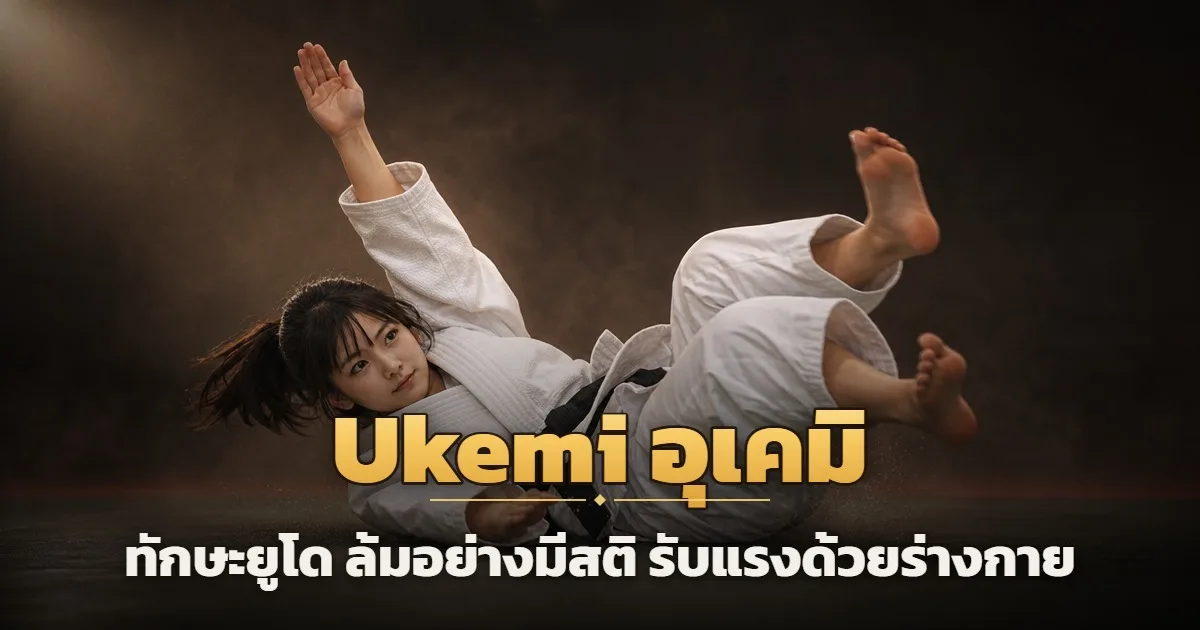
- Beginners learn Ukemi, balance, grip, movement, Kuzushi, Tsukuri, Kake, Randori, and Kata.
- Judo can support fitness, confidence, close-range self-defense, discipline, and safe movement for children and adults.
Judo teaches more than how to throw. It teaches how to understand force, timing, balance, respect, and how to rise safely after falling.
Many people first see Judo as athletes in white uniforms gripping, throwing, and competing. That image is real, but it is only one layer of the art.
This article explains Judo through Jigoro Kano, Kodokan Judo, the core training principles, and the way IMAC Dojo presents Judo as a practice for body, mind, and daily life.
In this article
What is Judo?
The answer to what is Judo begins with the Japanese characters 柔道. Ju means softness, flexibility, or yielding, while Do means a way or path of self-cultivation. Judo is therefore a martial art, a sport, and a disciplined method for developing the whole person.
The word gentle does not mean passive. In Judo, gentle means using the right angle, rhythm, balance, and timing instead of forcing strength against strength. If someone pushes, you may pull. If someone pulls, you may follow and redirect. When balance is broken, a throw or hold can happen with far less wasted effort.
Who was Jigoro Kano?
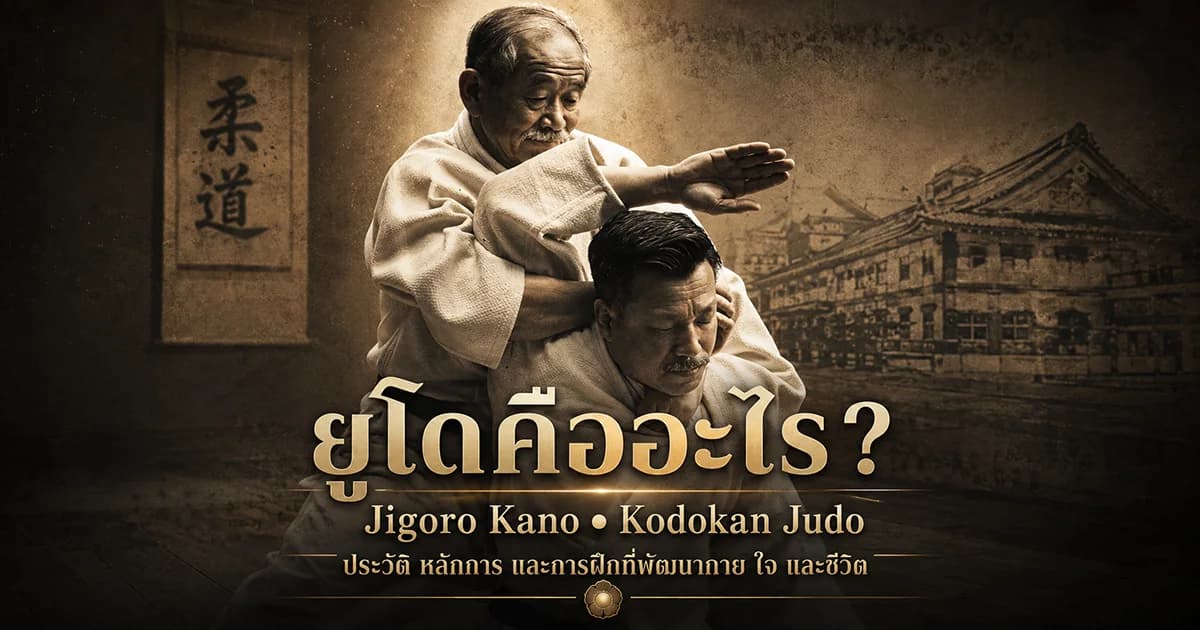
Jigoro Kano, born in 1860 as Japan was moving into the Meiji era, was the founder of Judo and one of the most important educators in modern Japanese martial arts. He studied classical Jujutsu, including Tenjin Shinyo-ryu and Kito-ryu, then reorganized what he learned into a safer and more systematic practice.
When people ask who was Jigoro Kano, the answer is not only a martial arts founder. Kano was an educator who believed martial arts could train health, discipline, intelligence, ethics, and social responsibility.
Kodokan Judo and the shift from Jujutsu to Do
Kodokan Judo began in 1882. Kodokan, written 講道館, can be understood as a place for teaching the way. This matters because Kano did not want to preserve combat techniques only as isolated tricks. He wanted a living method of education.
For primary historical context, see the Kodokan official site. The International Judo Federation also provides a useful overview of Judo history and its discussion of Judo culture.
Core Judo principles
Seiryoku-Zenyo means maximum efficient use of energy. In technique, it means not wasting force. In life, it suggests using time, effort, and attention wisely.
Jita-Kyoei means mutual welfare and benefit. Judo requires a partner, so progress depends on trust, safety, and shared responsibility. A strong Judo class is not built by overpowering weaker students; it is built by helping everyone improve.
- Ukemi: safe falling and receiving technique
- Kuzushi: breaking balance
- Tsukuri: fitting into position
- Kake: completing the technique with control
- Randori and Kata: free practice and formal principle practice
What do you learn in Judo, and who is it for?
Many people begin with the question what do you learn in Judo, and the answer is far more than throwing skill. Judo develops strength, balance, agility, concentration, discipline, emotional control, and confidence under pressure.
| Student group | Main benefits |
|---|---|
| Children | Discipline, focus, respect for rules, safe falling, and confidence |
| Adults | Serious fitness, close-range gripping, control of force, and stress management |
| Women and beginners | Basic self-defense, balance, and a clear understanding of safety |
| Seniors | Training should be adapted, focusing on movement, balance, and Ukemi under close instructor supervision |
Judo and self-defense in real life
Judo helps in close-range situations such as being grabbed, pulled, pushed, held, or knocked off balance. Its strengths are balance, safe falling, controlling someone who has closed the distance, and using the other person's force without trading punches.
Real self-defense, however, is not only technique. A student also needs to understand avoiding situations, asking for help, the law, and leaving when leaving is possible. Judo is an excellent foundation, but it should stay within a framework of safety and responsibility.
From Jujutsu to Judo: Why Kano Turned Technique into a Way
| Classical Jujutsu | Kodokan Judo |
|---|---|
| School-based combat methods | A structured educational martial art |
| Some techniques too dangerous for repeated free practice | Techniques selected for safer repeated learning |
| Often focused on defeating an opponent | Focused on skill, character, mutual growth, and sport |
Rei, Randori, Kata, and the technical structure of Judo
Rei, or etiquette, is not decoration in Judo. It is the discipline that keeps partner training from becoming violence. Bowing reminds both students that the other person is helping them learn.
Randori is free practice with resistance, while Kata preserves the formal principles behind the techniques. Together they show that Kodokan Judo is not only a contest system, but a method for studying body mechanics, control, respect, and decision making under pressure.
Kodokan lists Judo techniques in a structured way, including Nage-waza, or throwing techniques, and Katame-waza, or controlling techniques. See Kodokan Names of Judo Techniques for the official technique list.
How many categories of Judo technique are there?
Judo is not throwing alone. Kodokan sources organize the technique names systematically, with Nage-waza, or throwing techniques, numbering 68, and Katame-waza, or controlling techniques, numbering 32, for a total of 100 core techniques. This detail helps explain what Judo is as a system, rather than only as the familiar image of gripping and throwing on the mat.
| Technique group | Count / examples | What a student should understand |
|---|---|---|
| Nage-waza | 68 techniques, such as hand, hip, and leg throws, and sacrifice throws | Not throwing by strength alone, but Kuzushi, Tsukuri, and Kake used together |
| Katame-waza | 32 techniques, such as pins, strangles, and joint locks | Builds a systematic understanding of close-range control and control on the ground |
| Ukemi | Receiving force and falling safely | The foundation before practicing throws or training with a real partner |
Readers who want the technique list from the primary source can see Kodokan Names of Judo Techniques, which sets out the Nage-waza and Katame-waza categories officially.
Which judo techniques are actually trained at IMAC Dojo
The judo syllabus at IMAC Dojo runs from Level 1 to Level 7. Throws begin with Ippon Seoi Nage, O Goshi, and Koshi Guruma, then continue to Harai Goshi, O Uchi Gari, Uchi Mata, Tai Otoshi, De Ashi Barai, Tomoe Nage, and Kata Guruma. Groundwork begins with Kesa Gatame, Yoko Shiho Gatame, Kami Shiho Gatame, and Tate Shiho Gatame, then moves to arm locks such as Ude Hishigi Juji Gatame and strangles such as Hadaka Jime, Okuri Eri Jime, and Kata Ha Jime. Ukemi, which is trained before any of it, has four basic forms: Ushiro-ukemi, Yoko-ukemi, Mae-ukemi, and Mae-mawari-ukemi.
How many belts does Judo have? The grading pathway at IMAC Dojo
The dojo grading pathway runs from white to green, blue, brown, and black, and each step carries its own technical criteria. White to green is assessed on Rei, Ukemi, Uchikomi, basic throws, groundwork, and Kata-Randori. Green to blue adds Mae Mawari Ukemi, Harai Goshi, O Uchi Gari, Kata Gatame, and Okuri Eri Jime. Blue to brown uses competition results or accumulated results against the set standard. Brown with a black tip to 1st Dan requires time held at grade, a minimum age, and an examination covering Tachi-waza, Shime-waza, Kansetsu-waza, Ne-waza, and Nage-no-kata.
Can beginners start Judo safely?
The answer is yes, but beginners should start with Ukemi, posture, movement, gripping, and controlled partner practice before heavy Randori. The All Japan Judo Federation beginner resources are useful because they explain Judo as something people can start step by step, not only as a competitive sport.
AJJF also highlights Ukemi for safe falling, which is especially relevant for children, seniors, and adults who want a safer first step into martial arts.
How many judo belts are there? Kyu, Dan, and the ladder we actually grade on
The question that follows "what is judo" is usually "how many belts are there", and it has two layers, exactly as karate does. The first layer is the rank system, which is numeric. The second is belt colour, which each organisation sets for itself. Almost all the confusion comes from mixing the two. The same structure is set out in our guide to what karate is.
On the first layer judo uses two words, Kyu and Dan. Anyone below black belt holds a Kyu grade, counting down from a high number to Kyu 1, and Dan grades then count upwards. That structure comes from the Kodokan system and is carried on by judo federations worldwide.
The second layer is the one no single number answers. There is no single worldwide colour standard. The number of steps and the order of colours differ by country and by organisation, so one body's green belt is not automatically another's. Before comparing grades with anyone, ask whose system they were graded in.
So that this rests on something real rather than a floating number, the ladder the judo class at IMAC Dojo grades on runs white, green, blue, brown, black, and each step carries its own technical criteria. White to green covers Rei, Ukemi, Uchikomi, the basic throws, groundwork, and Kata-Randori. Green to blue adds Mae Mawari Ukemi, Harai Goshi, O Uchi Gari, Kata Gatame, and Okuri Eri Jime. Brown with a black stripe to 1st Dan requires time held at grade, a minimum age, and an examination across Tachi-waza, Shime-waza, Kansetsu-waza, Ne-waza, and Nage-no-kata.
A black belt is not a finish line but the point where training changes mode, and the standards applied differ between a Thai competition and one in Japan, which is compared in our guide to judo competition rules in Japan and Thailand.
Learning Judo in Bangkok at IMAC Dojo
Students looking for Judo classes in Bangkok can explore the IMAC Judo Academy course page. The program emphasizes Ukemi, safe progression, respect, structured levels, and practical close-range control.
You can also review the IMAC Dojo instructor team and continue reading the IMAC Dojo martial arts blog. For Thailand-specific federation context, see the Judo Association of Thailand.
Students who are comparing martial arts for daily confidence can also review women's self-defense classes and choose whether Judo, Wing Chun, or Karate best matches their first goal. If competing in Japan is the goal, the rules that differ are set out in judo competition rules in Japan and Thailand.
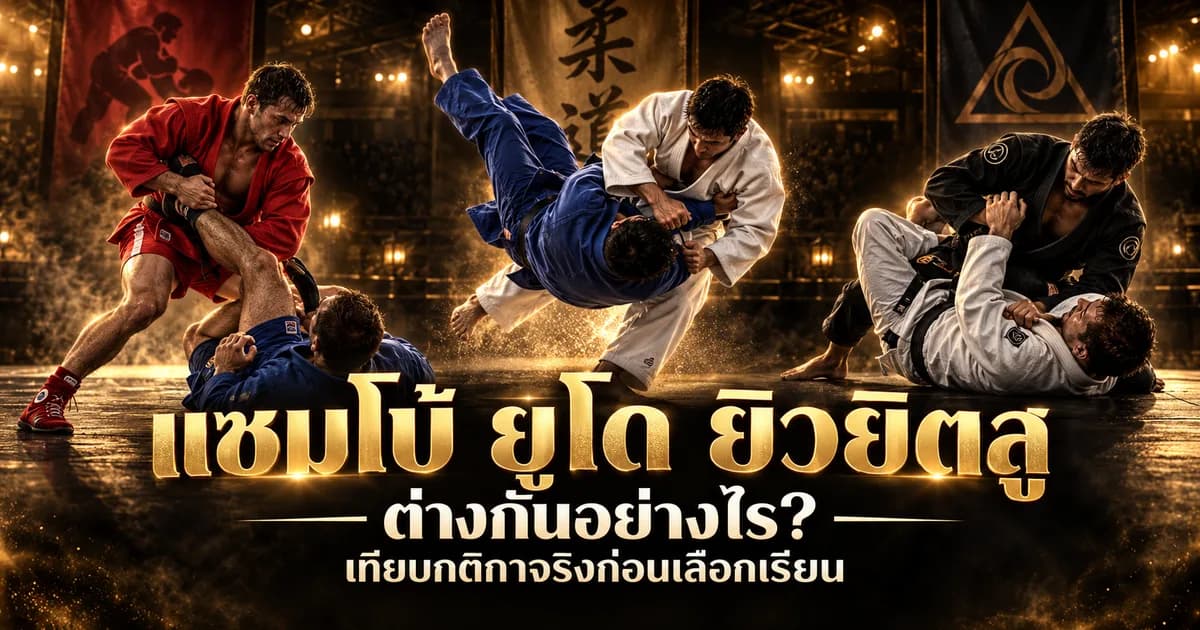
If you are still deciding whether judo is the right art for you, the overview of the families and how to choose is in what the martial arts are.
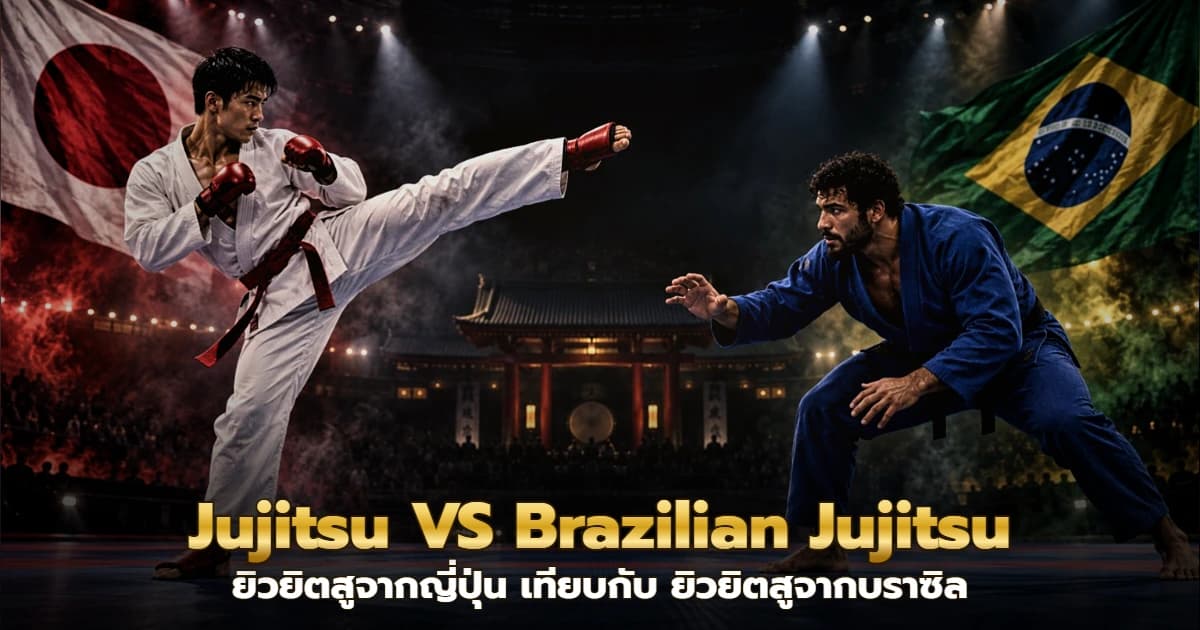
Read next: Jujitsu vs BJJ: What's the Difference? A Watcher's View of How Both Arts Grew.
View the Judo Thailand course at IMAC DojoThe Story of Dr. Jigoro Kano, Founder of Judo
An IMAC Dojo video recounting Dr. Jigoro Kano and the founding of Judo.
Video published
Sources and further reading
- Kodokan official siteOfficial
- Judo historyOfficial
- Judo cultureOfficial
- Kodokan Names of Judo TechniquesOfficial
- All Japan Judo Federation beginner resourcesOfficial
- Ukemi for safe fallingOfficial
- Judo Association of ThailandPrimary
Frequently Asked Questions
What is Judo?
Judo is a Japanese martial art and sport founded by Jigoro Kano. It focuses on efficient movement, balance breaking, throws, pins, safe falling, discipline, and mutual development.
Who was Jigoro Kano?
Jigoro Kano was the founder of Judo and Kodokan Judo. He was a Japanese educator who reorganized classical Jujutsu into a safer and more systematic practice.
What is Kodokan Judo?
Kodokan Judo is the original Judo system founded by Kano in 1882 and remains the historical and technical root of modern Judo.
Is Judo good for self-defense?
Judo can help with self-defense, especially close-range situations involving gripping, pulling, pushing, balance loss, and falling safely.
Is Judo suitable for beginners?
Yes. Beginners should start with Ukemi, posture, movement, grips, and controlled partner practice before heavier Randori.
Is Judo only about throwing?
No. Judo includes throwing techniques, controlling techniques, safe falling, Randori, Kata, etiquette, and a full method of physical and mental training.
How is Judo different from Jujutsu?
Judo grew out of Jujutsu but was reorganized to be safer, suitable for education, and genuinely repeatable in practice, with an emphasis on sport, self-defense, and personal development together.
What is Seiryoku-Zenyo?
Seiryoku-Zenyo is the principle of maximum efficient use of energy. It is the heart of Judo both as technique and as an approach to daily life.
What is Jita-Kyoei?
Jita-Kyoei is the principle of mutual welfare and benefit, meaning practice in which you and your training partner improve together.
Is Judo suitable for children?
Yes, provided they train with an instructor who takes safety seriously. Judo helps children with discipline, focus, confidence, body control, and respect for others.
What judo techniques are there?
Judo techniques divide into Nage-waza for throws and Katame-waza for groundwork, with Ukemi trained first. At IMAC Dojo the throws begin with Ippon Seoi Nage, O Goshi, and Koshi Guruma, then continue to Harai Goshi, O Uchi Gari, Uchi Mata, and Tomoe Nage. Groundwork starts with Kesa Gatame and Yoko Shiho Gatame before moving to Ude Hishigi Juji Gatame and Hadaka Jime.
How is Judo written, and what does the word mean?
It is written Judo in English and 柔道 in Japanese, where 柔 or Ju means softness and flexibility and 道 or Do means the way of self-cultivation. Together the name is usually rendered as the gentle way. Gentle here does not mean weak: it means using force and timing sensibly instead of meeting a push head on.
Which country does Judo come from?
Japan. Jigoro Kano founded Kodokan Judo in 1882, centred on the Kodokan in Tokyo. He developed it from older jujutsu and organised it into a way of training that could be practised safely and taught widely.
Is judo a sport or a martial art?
It is both. Judo is a Japanese martial art founded by Jigoro Kano in 1882 and also an Olympic sport, so training in the dojo covers both the part that prepares for competition under the rules and the part that trains the person through Seiryoku-Zenyo and Jita-Kyoei, which no scoreboard measures.
How many judo belts are there, and how does grading work?
The grading pathway at IMAC Dojo runs from white to green, blue, brown, and black, and each step carries its own technical criteria — from Rei, Ukemi, and Uchikomi at the start to an examination covering Tachi-waza, Shime-waza, Kansetsu-waza, Ne-waza, and Nage-no-kata for 1st Dan, which also sets a minimum time at grade and a minimum age.
Ready to start martial arts?
Message IMAC Dojo to ask which course fits your age, goals, and training background.
Ask on LINE Official