Ages
Ages 8+
Official Dojo Website - Bangkok
Course Detail
Learn safe falling, throws, and opponent control through structured Kodokan Judo training in Bangkok.
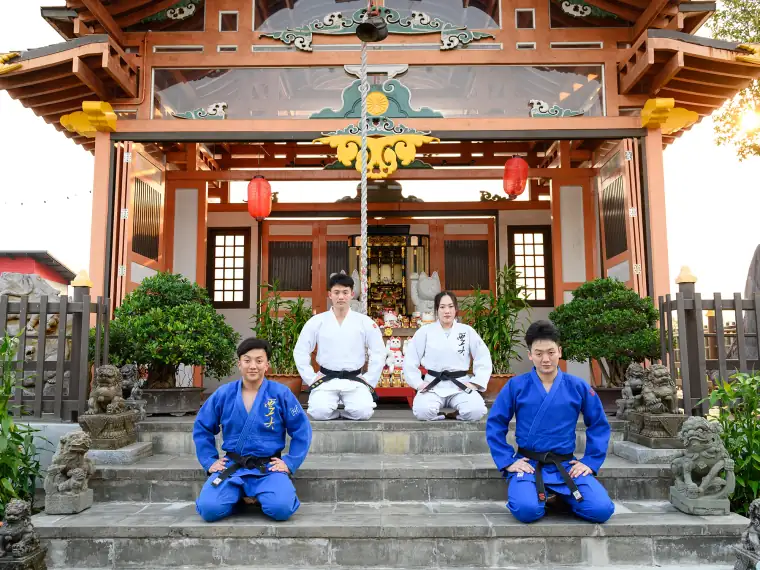
Dojo Legacy
Before you begin
Ages
Ages 8+
Schedule
Sat 09:00 / Sun 15:30
Fees
THB 1,500–2,000 / month
Experience
Beginners welcome
Format
Group / Private
Location
Ladprao 101, Bangkok
What this course develops
Judo at IMAC Dojo is not only for athletes. It is for anyone who wants to train Judo safely, starting with Ukemi, the skill of falling correctly, which is useful in martial arts, sport, and everyday life.
Classes are taught by instructors with real competition experience in Thailand and overseas, more than 20 years combined. The training is structured, safe, friendly, and suitable for steady progress.
Who it is for
What students gain from Judo class
Schedule & Pricing
Last updated 14 July 2026
9:00 - 11:15
1,500 THB/month
4 classes per month. Missed classes are not replaced.
15:30 - 18:45
2,000 THB/month
4 classes per month. Missed classes are not replaced.
Monday - Thursday, 14:00 - 20:00
1,000 THB/hour
Additional student +200 THB. Maximum 4 students.
JUDO GI
Prices are shown by gi type, color, and height range so students can choose a size before ordering.
White
Blue
White
Blue
White
Blue
White
Blue
Course Detail
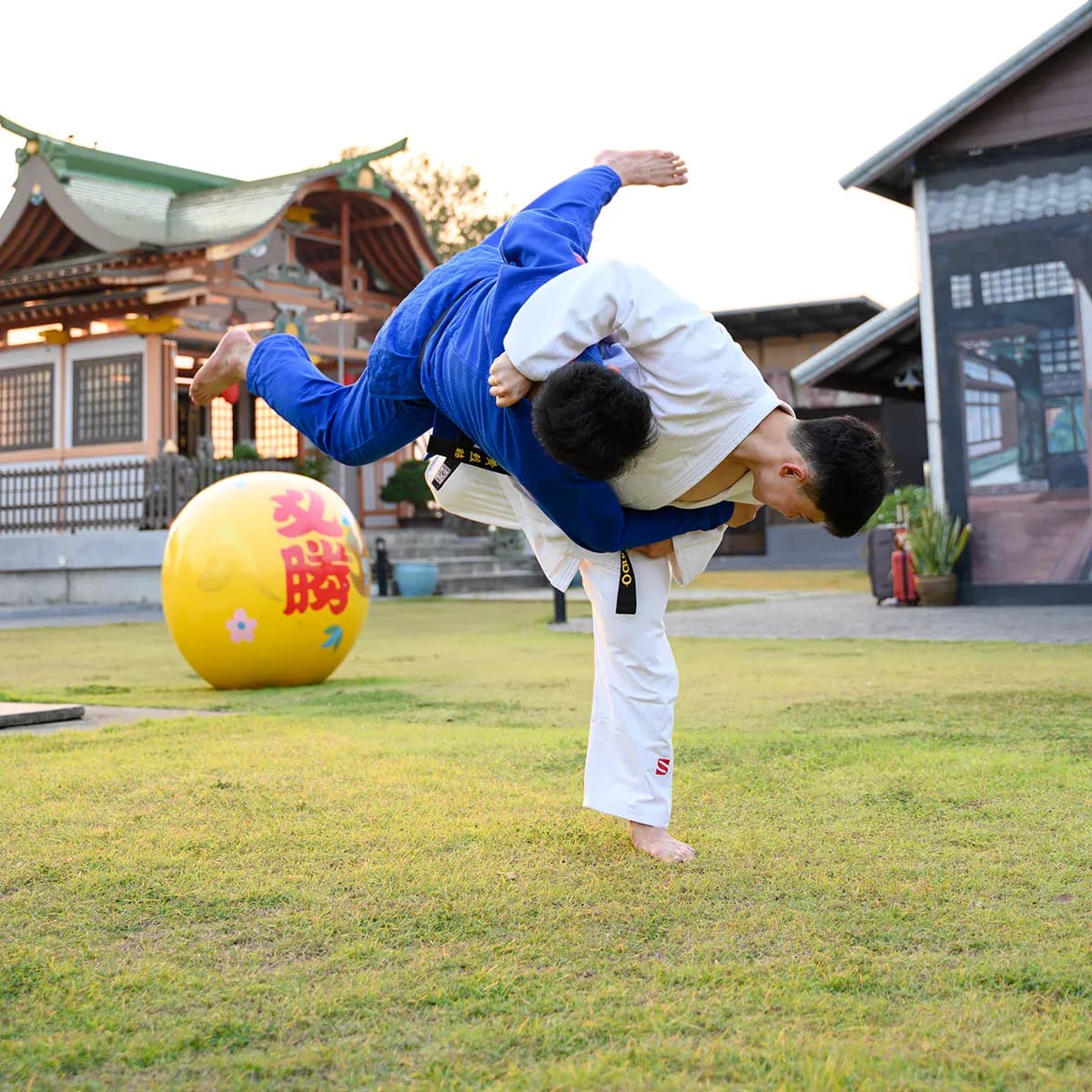
Learn judo systematically, safely, and in a way you can keep developing. Judo is not just a way of throwing an opponent; it teaches balance, body control, discipline, etiquette, and decision-making under pressure, so good training has to start from correct fundamentals and progress step by step.
IMAC Judo Academy is IMAC Dojo's judo program. Its training structure is clearly laid out, based on the approach of Kodokan Judo in Japan and adapted for teaching in our dojo, so students grow steadily from beginner to higher levels in technique, safety, etiquette, grading, and competition preparation.
Private judo lessons run Monday to Thursday, 14:00 to 20:00, at the dojo near Ladprao 101 in Bangkapi. Sessions are 1,000 THB per hour, with each additional student 200 THB, up to four people in one session.
Private lessons suit a beginner who would rather learn ukemi without a class watching, a student preparing for grading, anyone whose schedule does not fit the Saturday or Sunday group classes, and small groups such as a family or two friends who want to train together.
The instructors teaching judo hold judo dan grades, and the private format lets one of them correct your falling, gripping and entry in detail rather than across a full class. Message IMAC DOJO on LINE with the student's age, experience and preferred times to arrange a slot.
This course is designed so students can see clear progress. Training is not scattered; it moves from fundamentals toward real application in a clear sequence.
Good Judo training begins with the roots of the art. Correct fundamentals make later training safer, more accurate, and easier to develop.
Students learn the core of judo training: its history and basic principles, dojo etiquette, standing postures, gripping the judo gi, balance breaking, and judo footwork.
Falling correctly is at the heart of learning judo: it lowers the risk of injury and gives students more confidence in training. For beginners, especially children and people who have never trained before, a solid Ukemi foundation is a very important starting point.
IMAC Judo Academy
The course is divided into levels so students can develop from foundational skills toward more complex techniques with direction.
Level 1
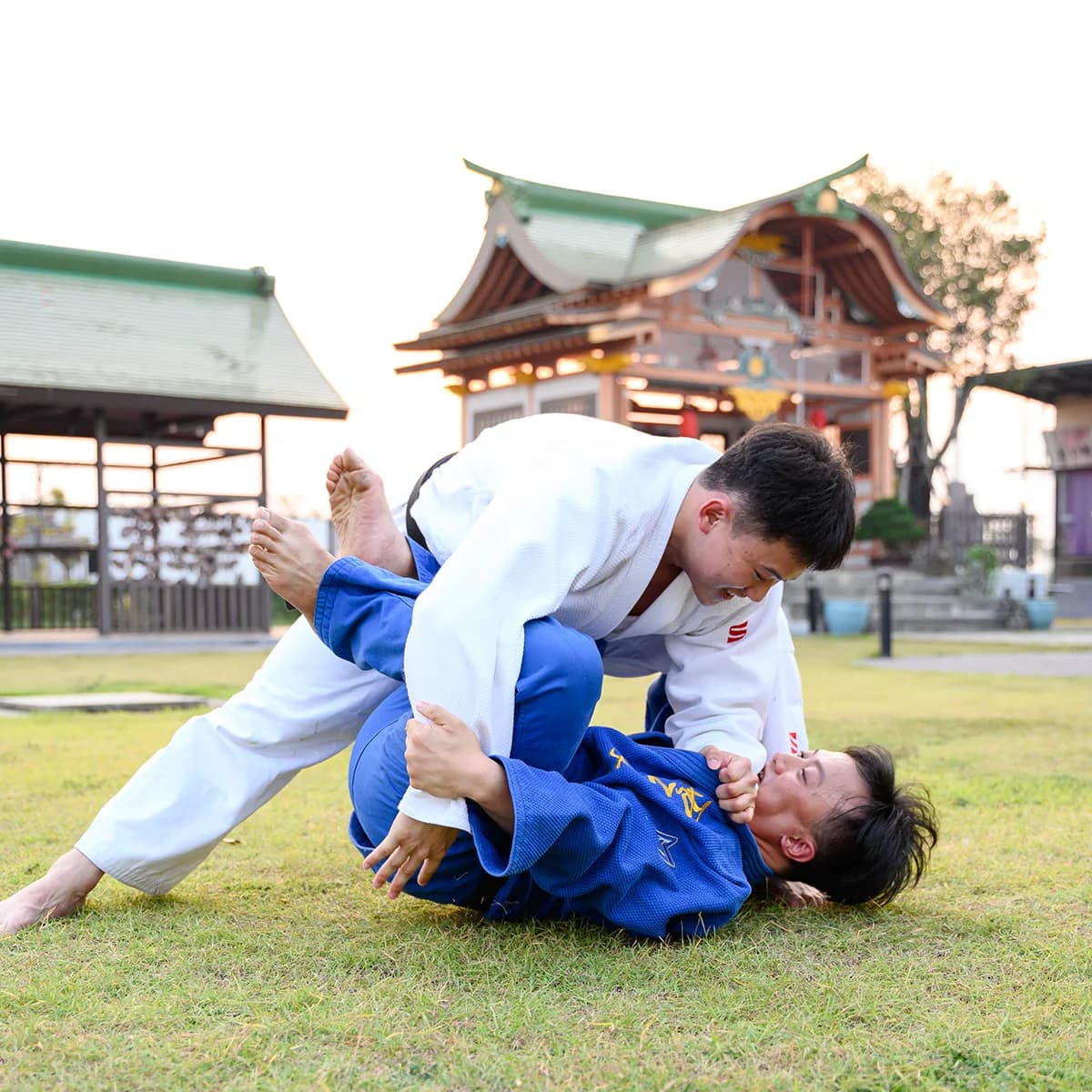
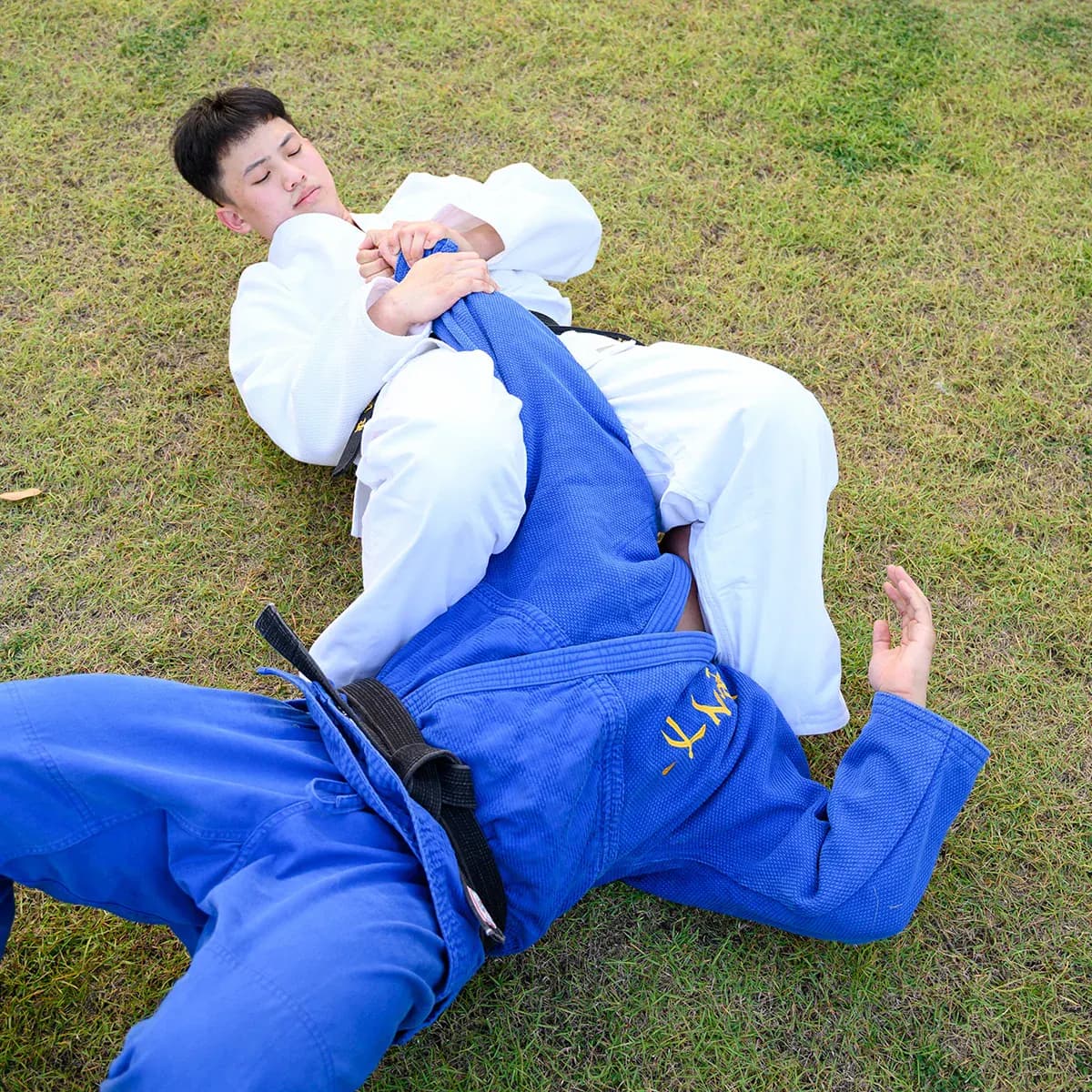
Build the first foundation for throwing entries and safe groundwork control.
Level 2
Add throws that require closer timing, stronger posture, and better control of the partner's balance.
Level 3
Begin connecting footwork, balance breaking, and transition awareness between standing and groundwork.
Level 4
Develop more complex throwing angles and a wider range of attack options from standing and groundwork.
Level 5
Refine distance, rhythm, and attack variety so students can choose techniques with better timing.
Level 6
Move into higher-level throwing mechanics that require structure, timing, and clear body direction.
Level 7
Complete the advanced technical set with techniques that require strong fundamentals and consistent practice.
Once students have the fundamentals and understand how the techniques are structured, they can move on to advanced training, which teaches them not only to perform techniques but to understand how they are really used, read timing and the opponent, and build physical and mental readiness.
The program also follows the grading guidelines of the Judo Association of Thailand under Royal Patronage, to give training a clearer direction.
Students can order a Judo Gi through LINE Official by providing name, gender, age, height, and weight. The school will check the appropriate size and place the order according to suitable standards.
Students are encouraged to review each level before moving forward so the foundation stays clear.
The instructor checks posture, gripping, balance breaking, entry direction, and safety awareness during training.
Progress is measured through consistency, not only by memorizing a list of techniques.
This helps students, parents, and adult learners understand what needs attention between classes.
Before joining, students should contact IMAC Dojo through LINE Official to confirm the suitable class format.
Children, beginners, and adults may need different guidance for uniform, training intensity, and first-day preparation.
Private class can be used to build confidence before joining regular group training.
Students who aim for grading or competition can ask the instructor to help map a longer training pathway.
Media
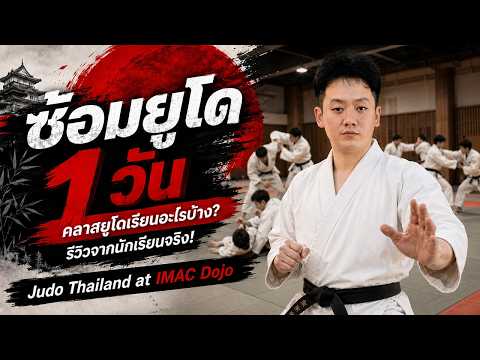
 Gallery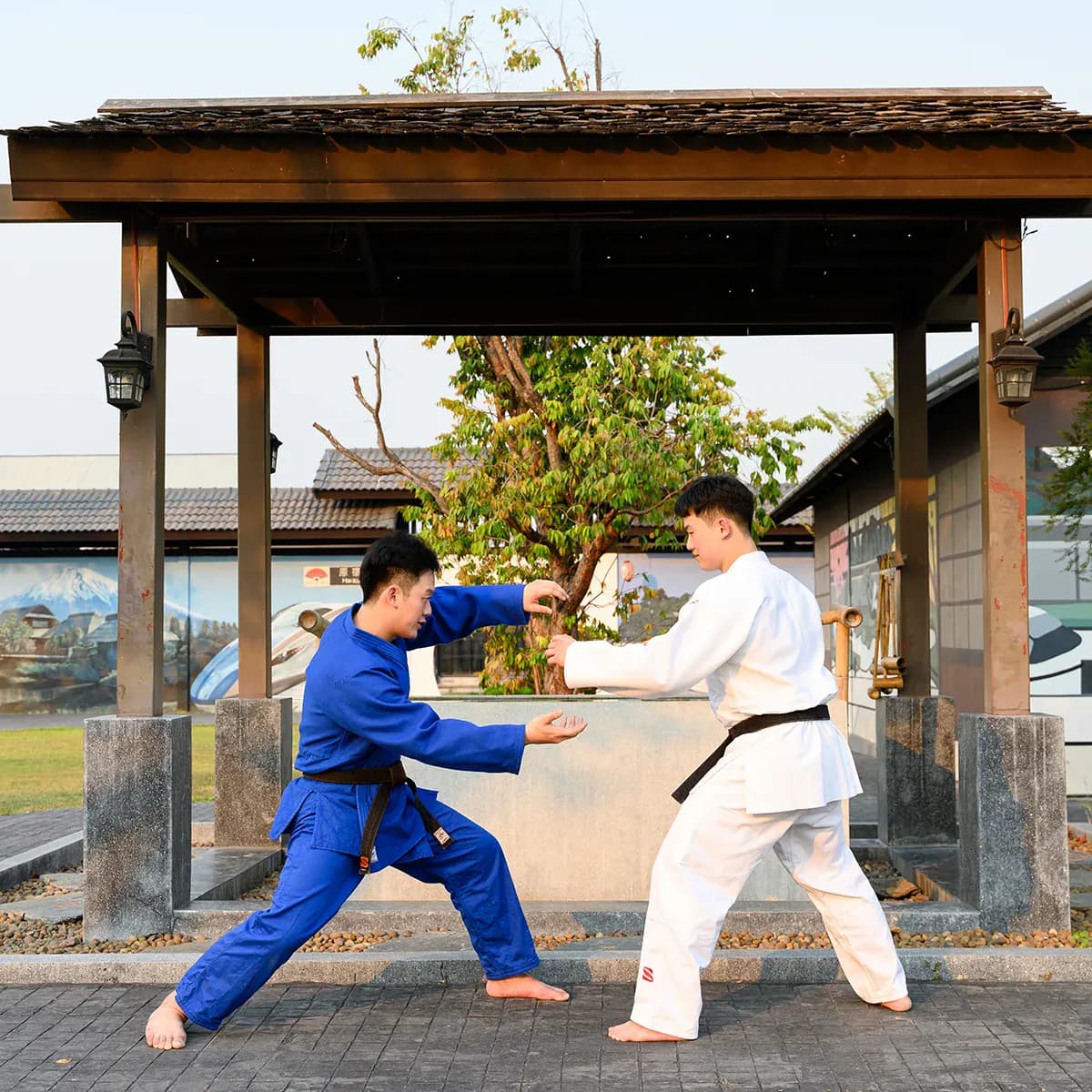
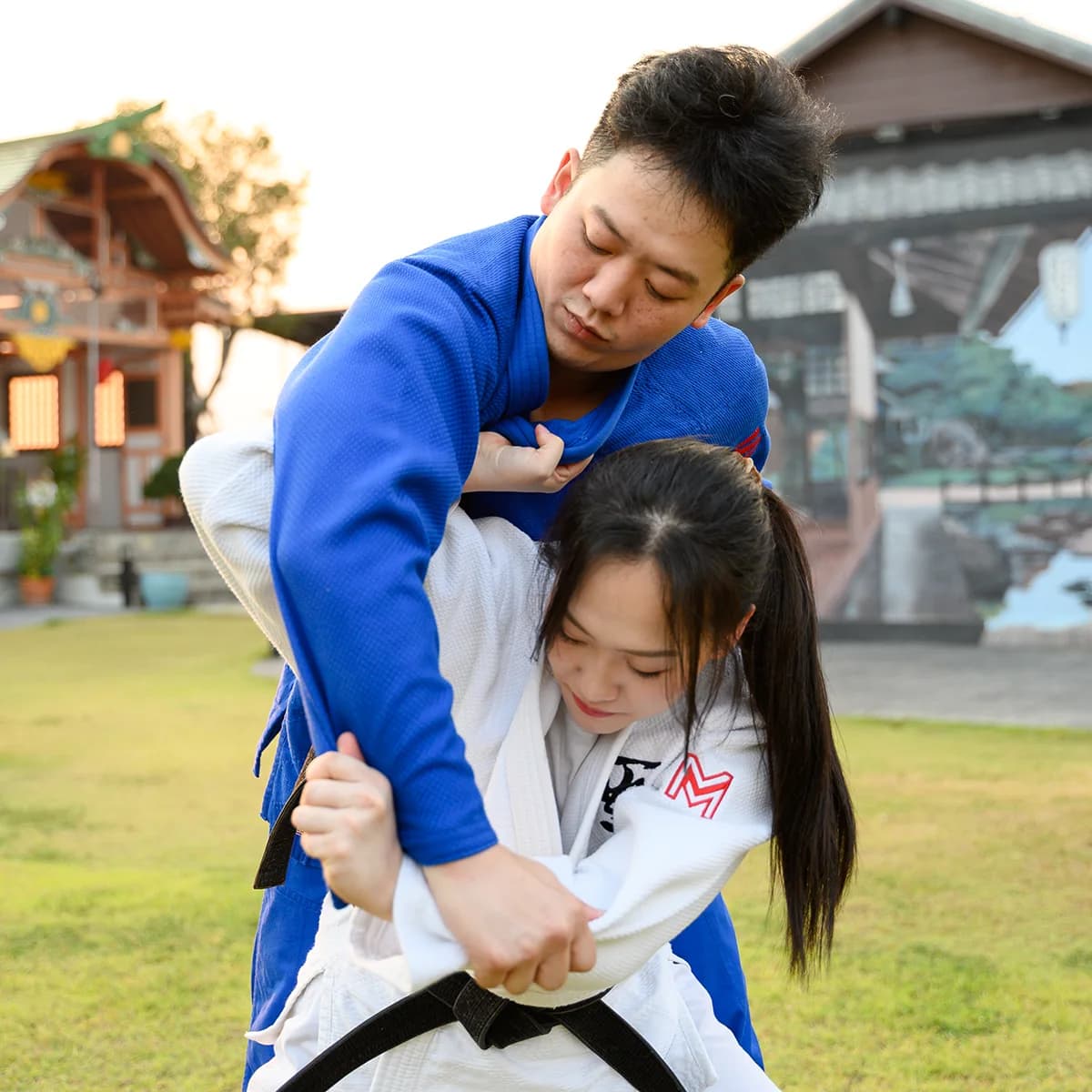
Schedule & Pricing
Message us on LINE Official with the student's age, any previous experience, and the training goal.
We recommend the class that fits and confirm which times are open.
Agree a start date and come to the dojo at that time.
You do not need to buy a uniform for the first session — a t-shirt and comfortable trousers are fine.
Direction
The dojo is on Soi Pokaew 3 Yak 9 in Klongchan, Bangkapi. The soi opens onto Ladprao 101, so it is an easy trip from Bangkapi, Klongchan, Bueng Kum, Ramkhamhaeng, Nawamin and Chokchai 4. By train, take the MRT Yellow Line to Ladprao 101 station and continue into the soi.
Parking: you can park along the front of the school. This is the same soi as NIVA International School, so there is plenty of space, and police patrol it regularly because of the school's police box. Parents bringing children can wait and watch the class.
FAQ
Details
At IMAC Dojo the syllabus runs from Level 1 to Level 7. Throws begin with Ippon Seoi Nage, O Goshi, and Koshi Guruma, then continue to Harai Goshi, O Uchi Gari, Uchi Mata, Tai Otoshi, Tomoe Nage, and Kata Guruma. Groundwork starts with Kesa Gatame, Yoko Shiho Gatame, and Tate Shiho Gatame, then moves to arm locks such as Ude Hishigi Juji Gatame and strangles such as Hadaka Jime and Okuri Eri Jime. Ukemi has four basic forms: Ushiro-ukemi, Yoko-ukemi, Mae-ukemi, and Mae-mawari-ukemi.
Details
White to green is assessed on Rei, Ukemi, Uchikomi, basic throws, groundwork, and Kata-Randori. Green to light blue adds Mae Mawari Ukemi, Harai Goshi, O Uchi Gari, Kata Gatame, and Okuri Eri Jime, along with consecutive-win criteria. Light blue to brown uses competition results or accumulated results against the set standard. Brown with a black tip to 1st Dan requires time held at grade, a minimum age, and an examination covering Tachi-waza, Shime-waza, Kansetsu-waza, Ne-waza, and Nage-no-kata.
Next Courses
Students who want to continue from Judo can explore other IMAC Dojo martial arts programs according to their training goals.
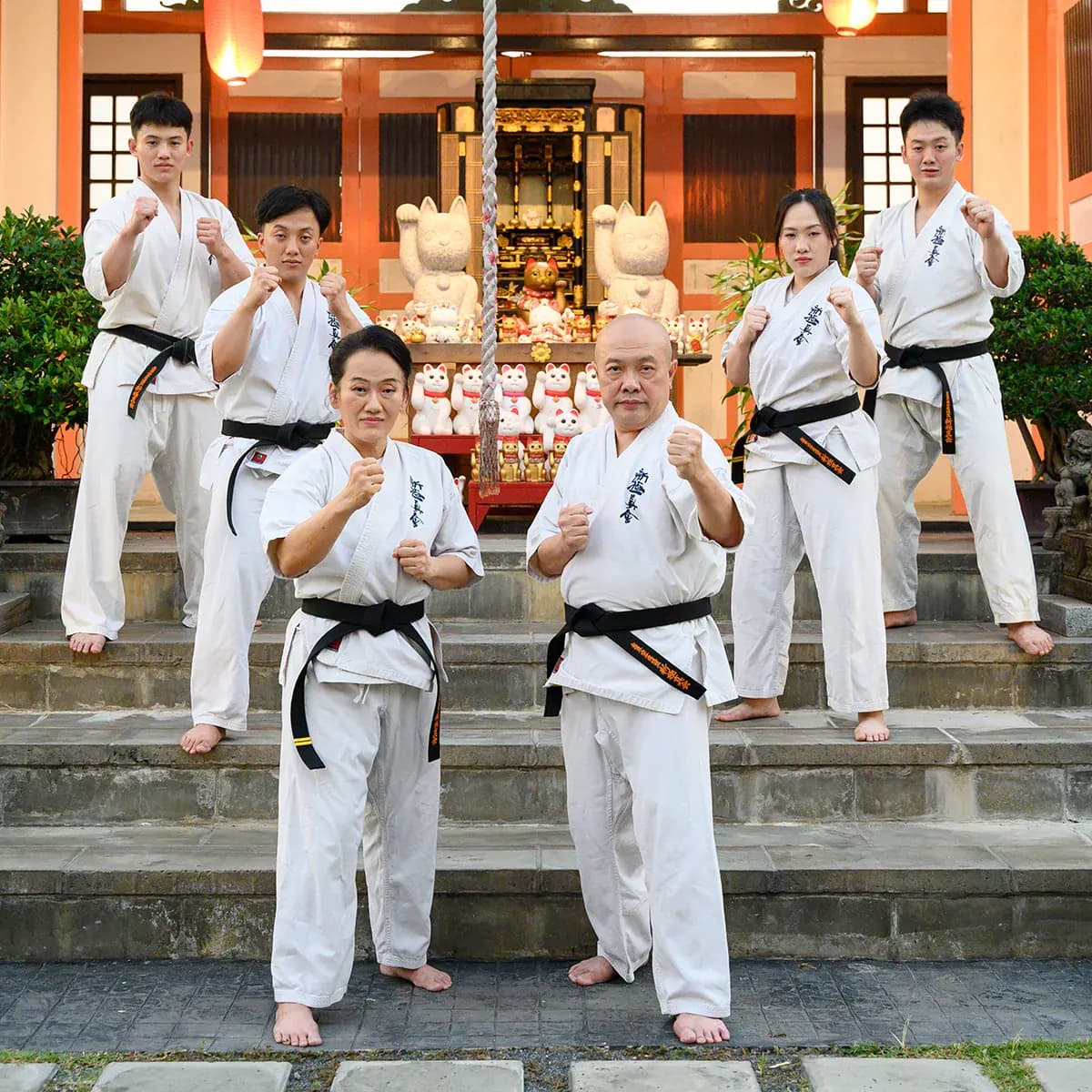
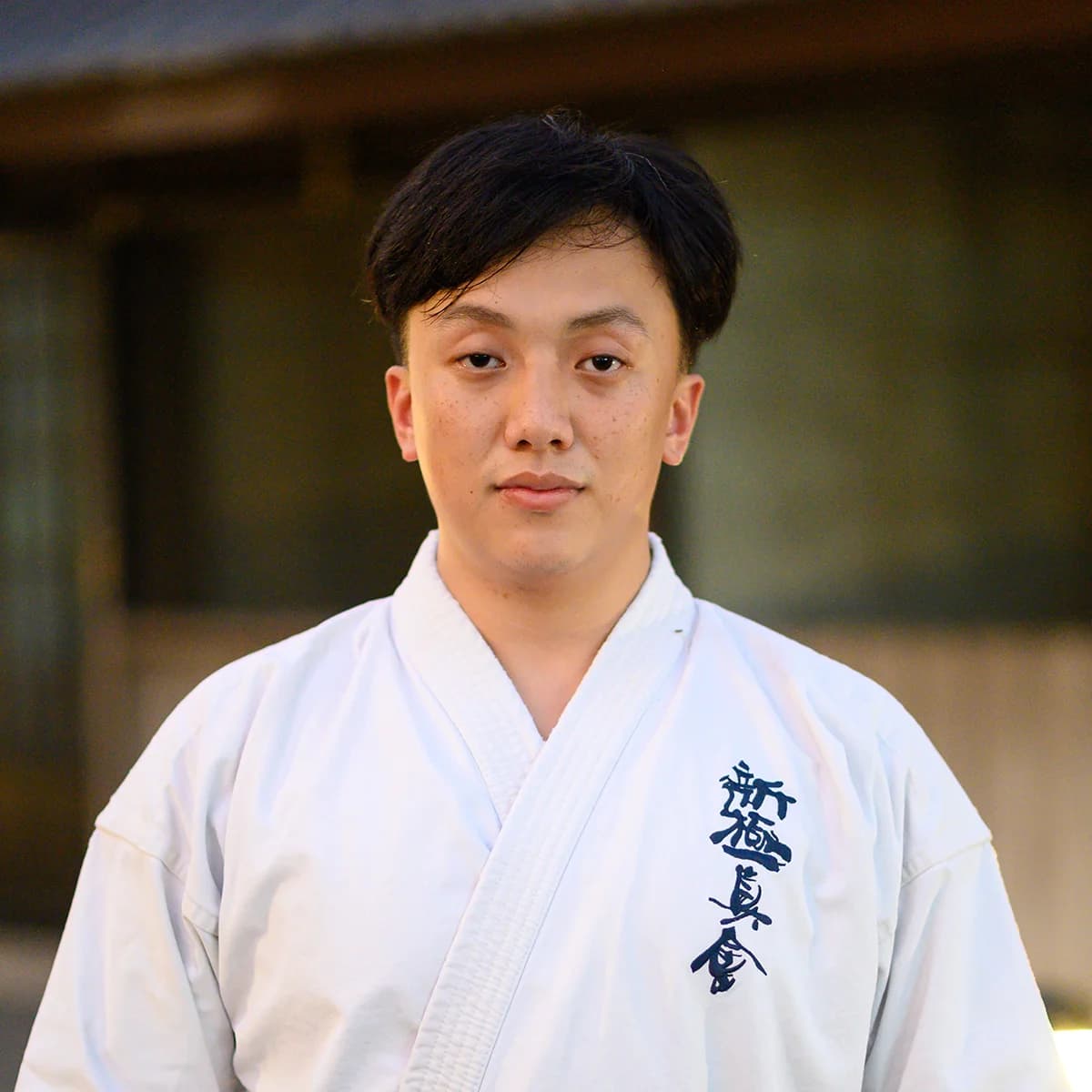
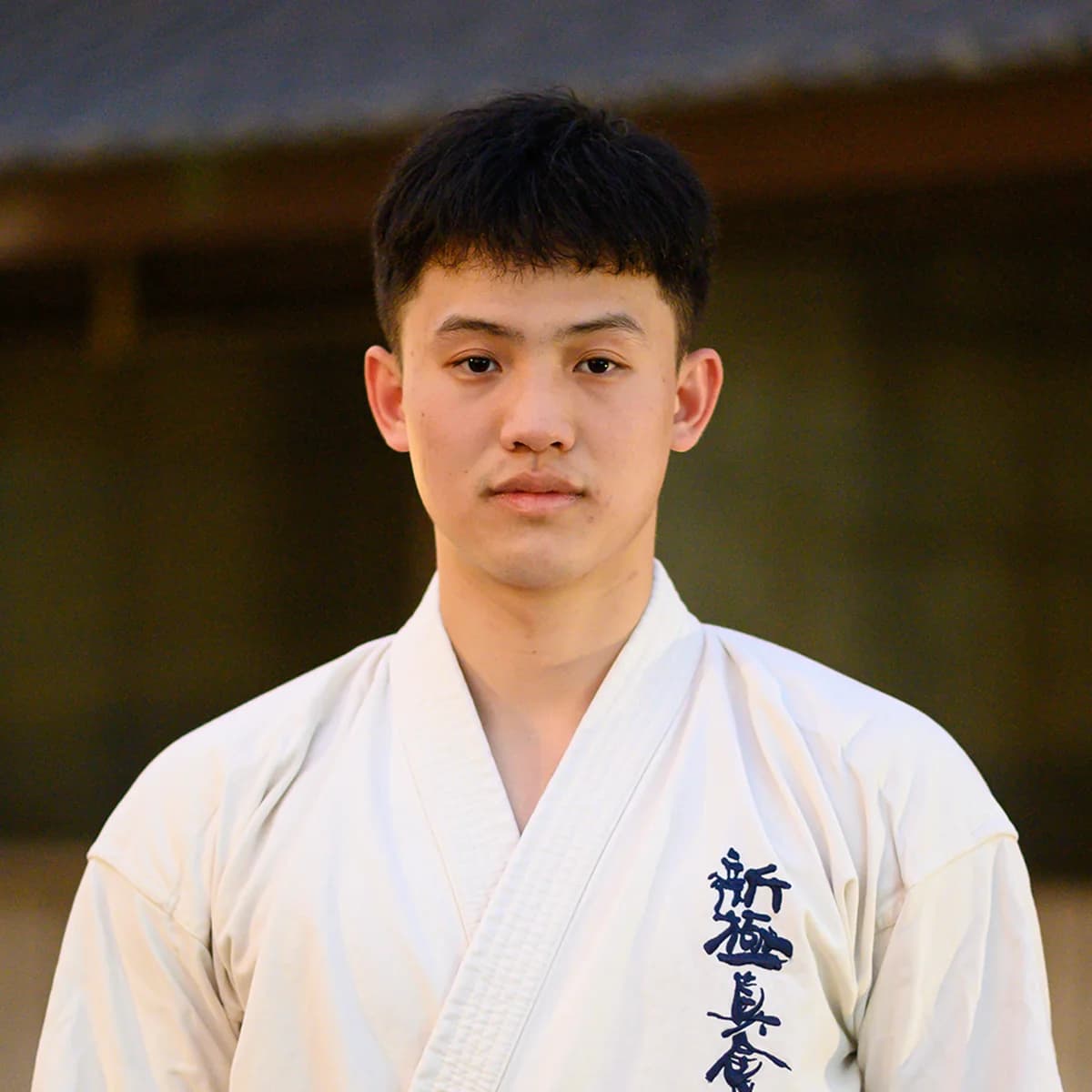
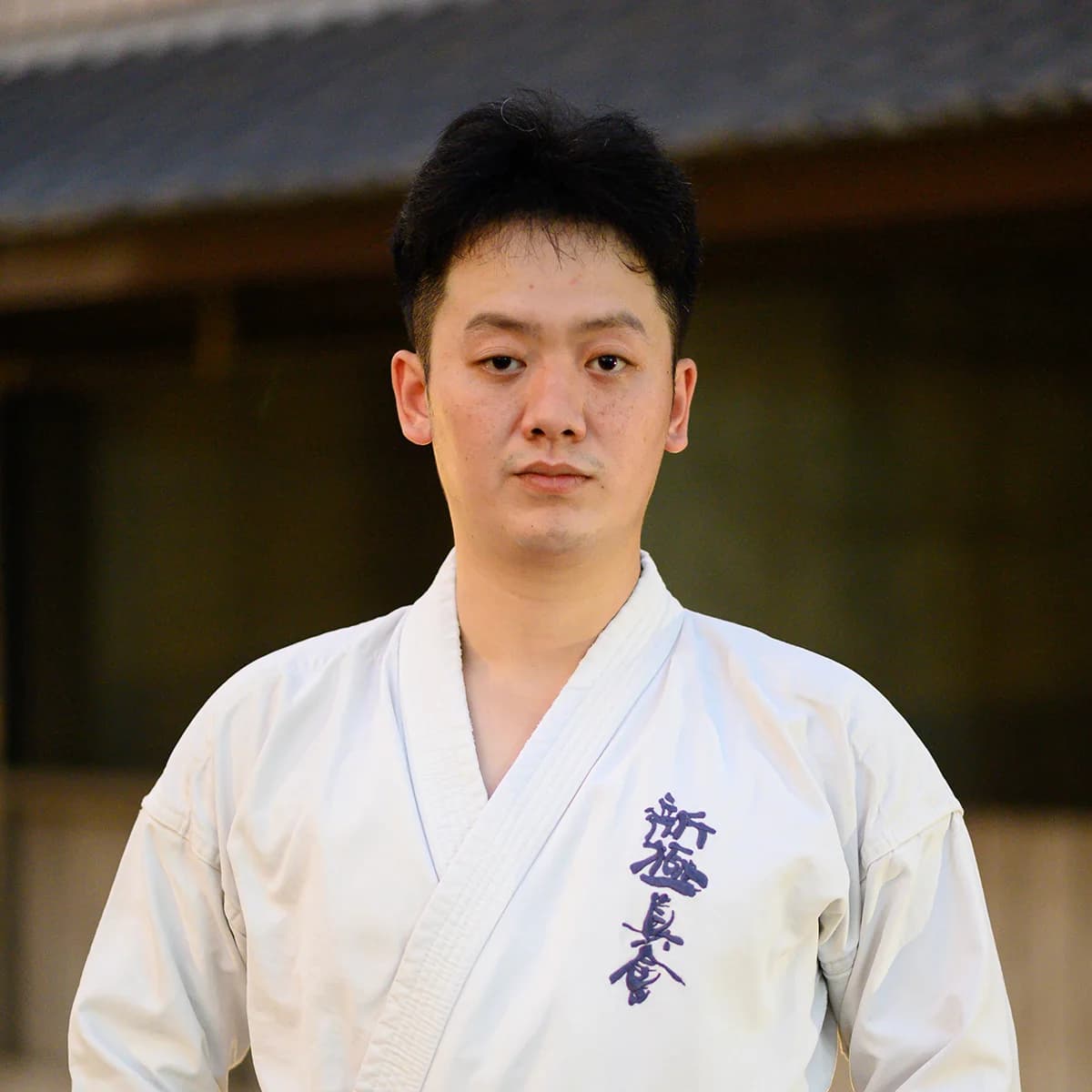
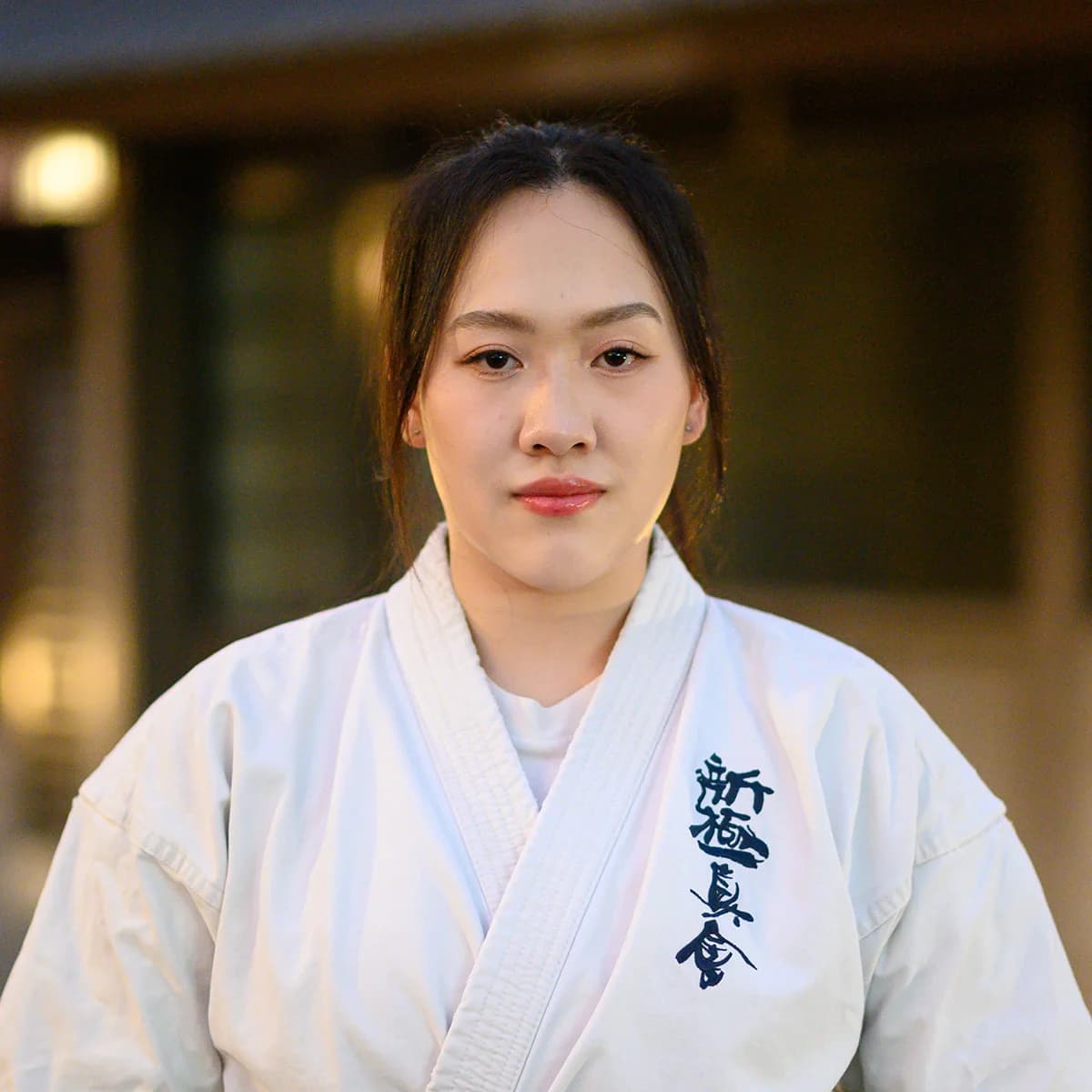
Train full-contact Shinkyokushin Karate in Bangkapi with a team of black-belt instructors, building basics and technique systematically to WKO Japan standards.
View course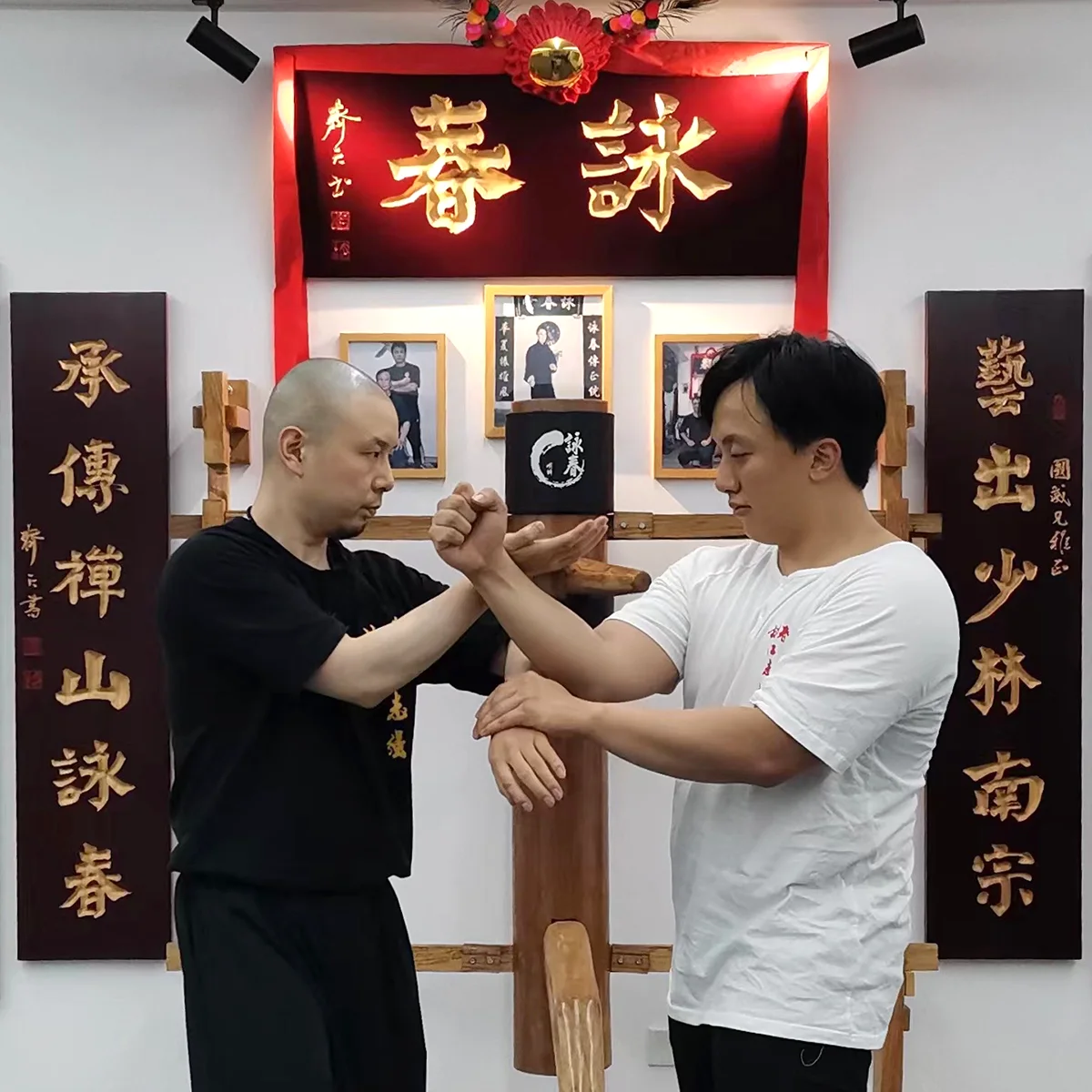
Wing Chun Sambo: Wing Chun as the close-range core, plus principles from Muay Thai, Karate, Judo, Sambo and Jujitsu covering distance, clinch, takedown and ground control.
View course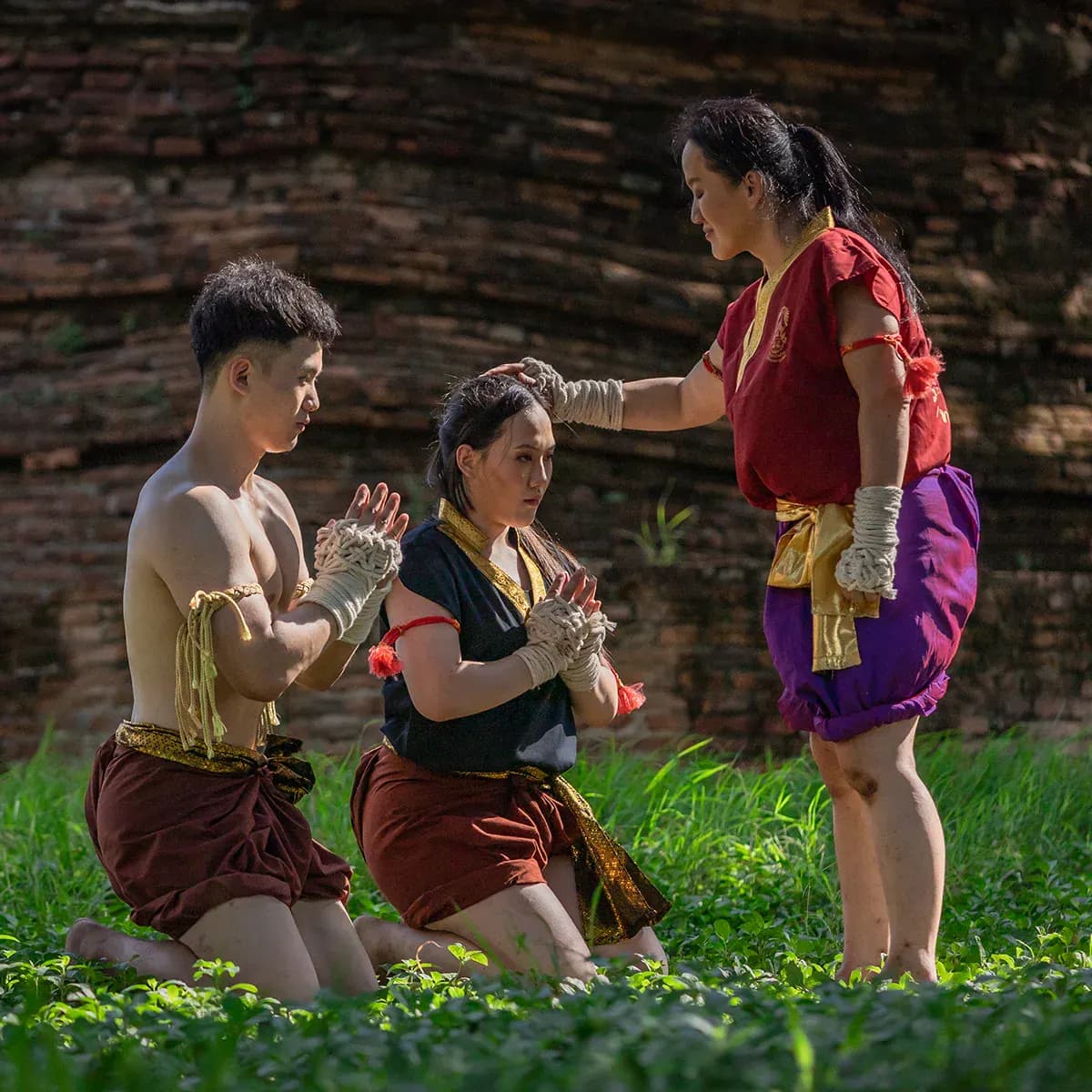
Learn Wai Kru Muay Thai movements, meaning, rhythm, and Thai cultural values through structured practice.
View courseBegin with confidence
Talk with the IMAC Dojo team about the class format, schedule, and training path that fits your goals.
Courses
Blog
Local Guide
IMAC DOJO is a martial arts school near Ladprao 101 and Pokaew, with convenient access from Bangkapi, Ramkhamhaeng, Ladprao, and nearby Bangkok areas. The Judo class is suitable for people searching for Judo Bangkok or Judo near me in this part of the city, including beginners, children, teens, adults, fitness learners, and students interested in practical self-defense.