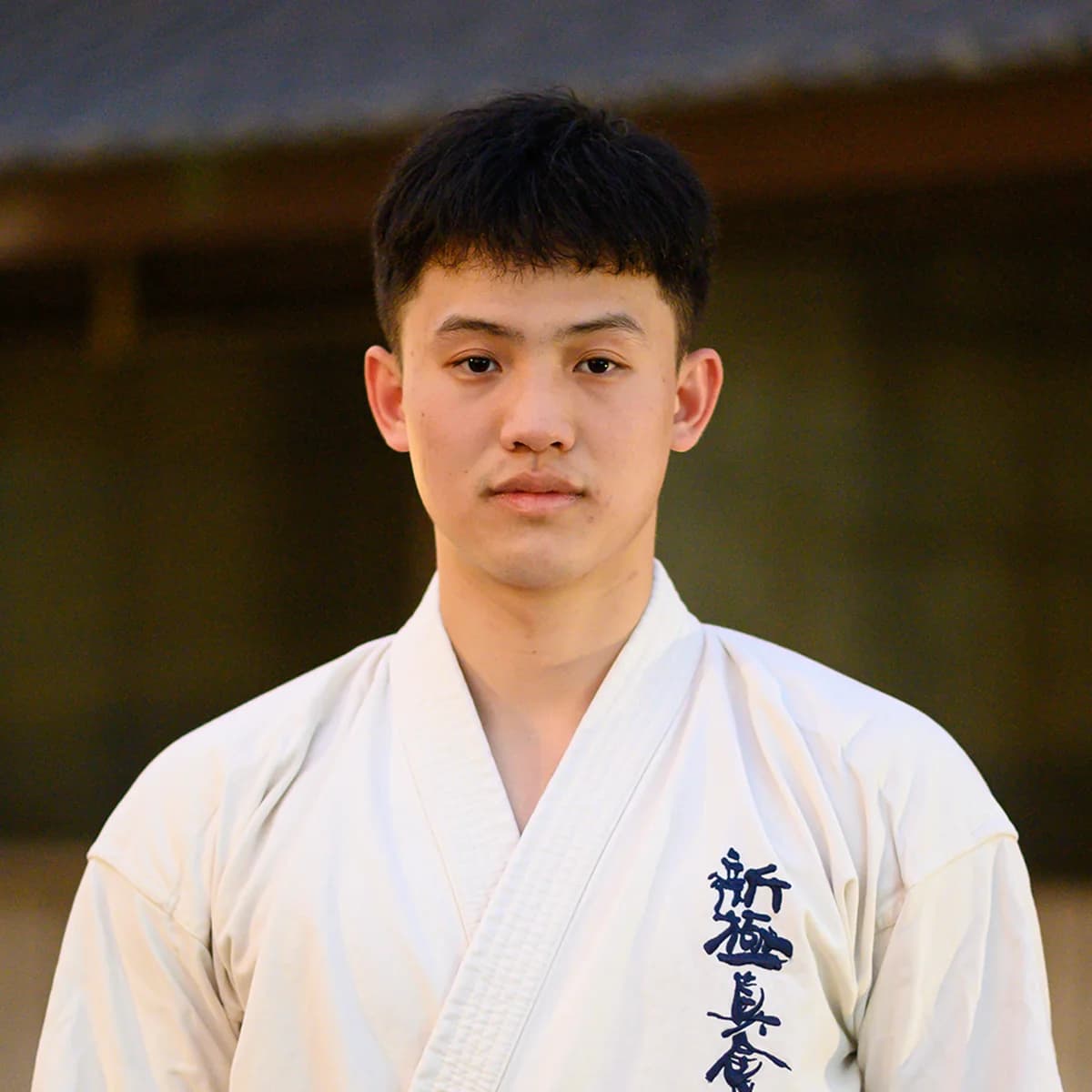
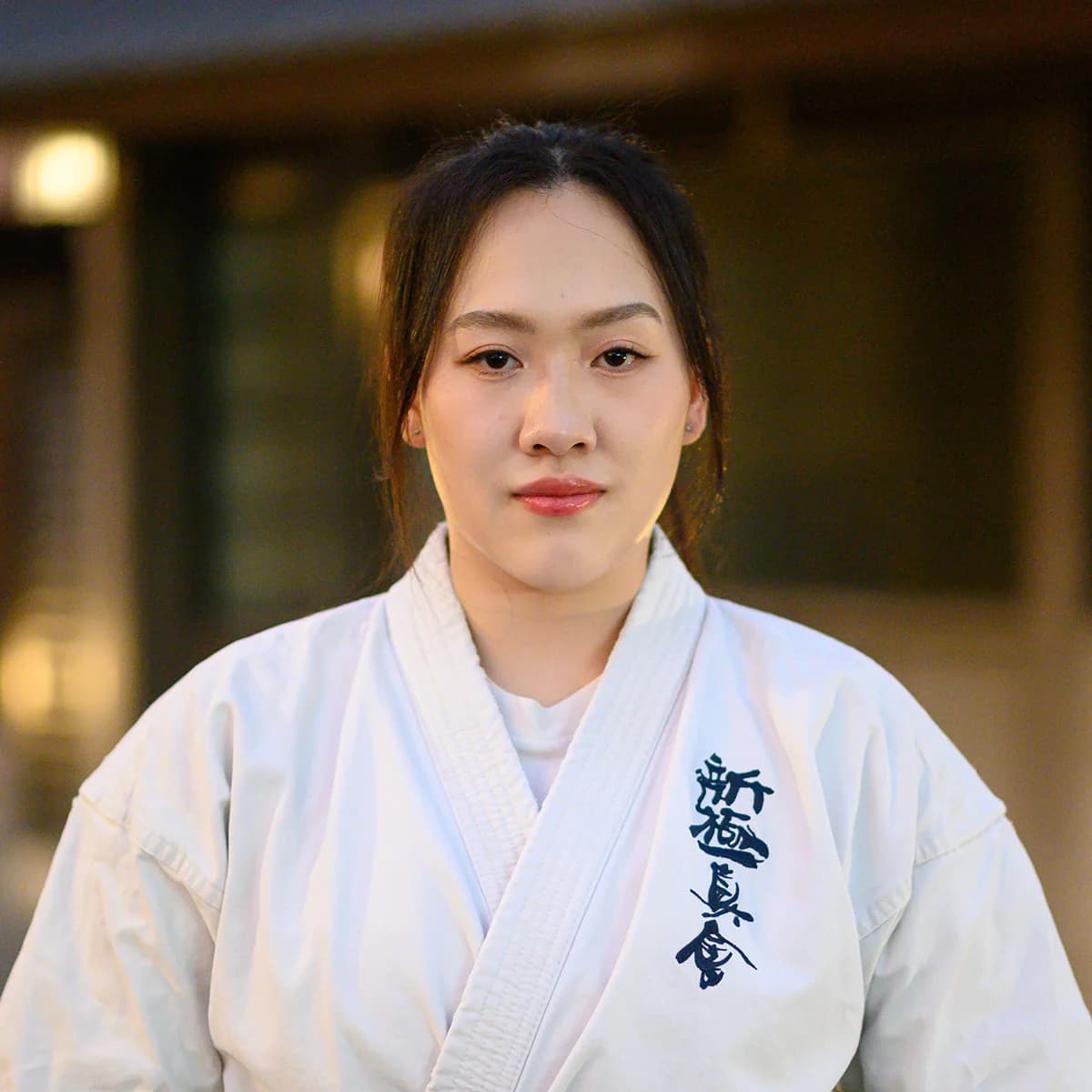
Ages
Ages 7–60
Official Dojo Website - Bangkok
Course Detail
Train full-contact Shinkyokushin Karate in Bangkapi with a team of black-belt instructors, building basics and technique systematically to WKO Japan standards.
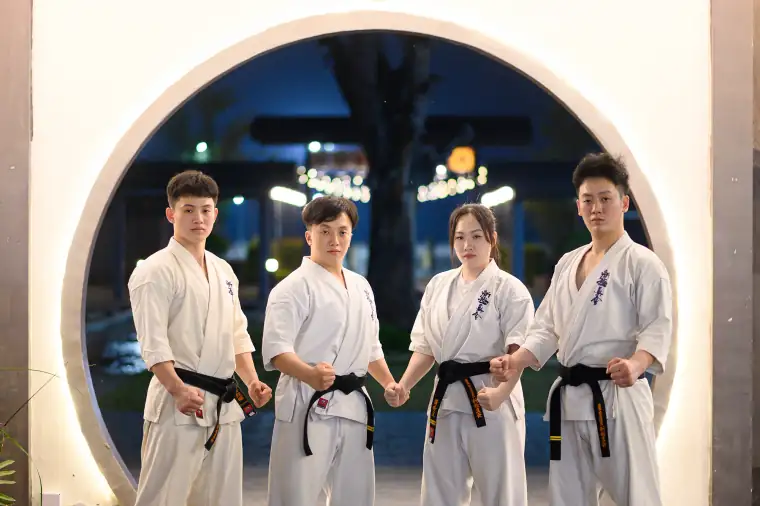
Dojo Legacy
Before you begin
Ages
Ages 7–60
Schedule
Friday from 19:00
Fees
THB 800–1,000 / month
Experience
Beginners welcome
Format
Group / Private
Location
Ladprao 101, Bangkok
What this course develops
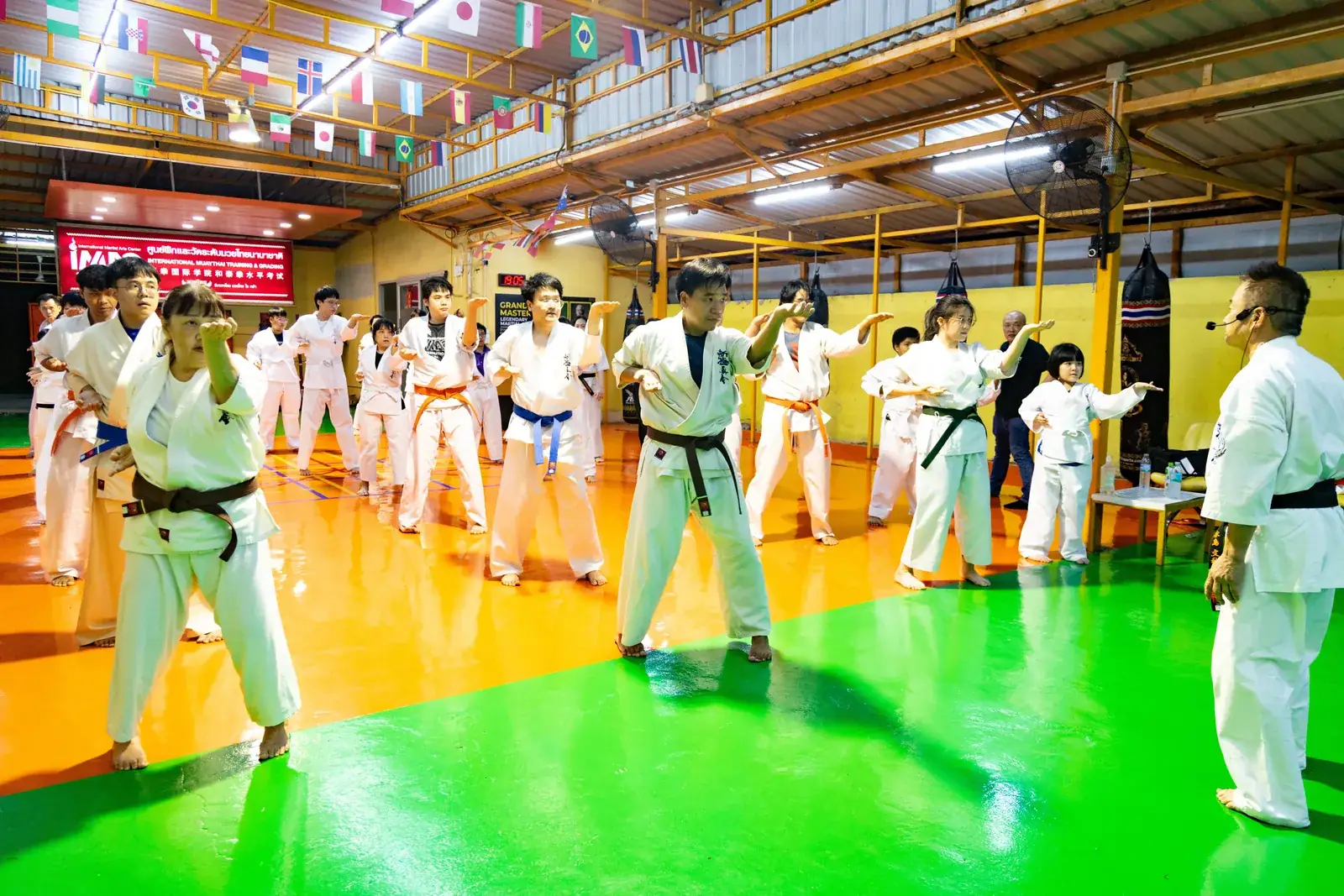
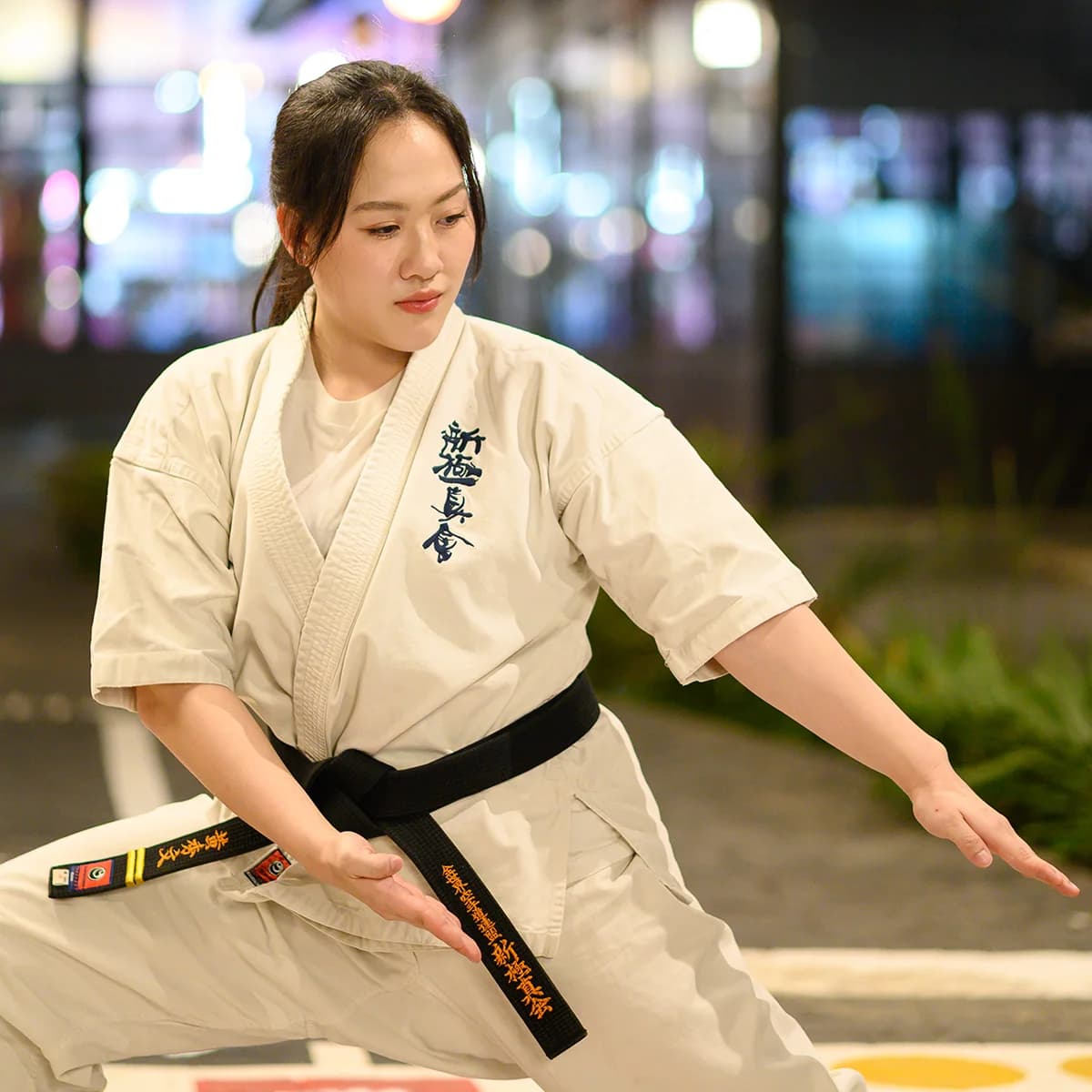
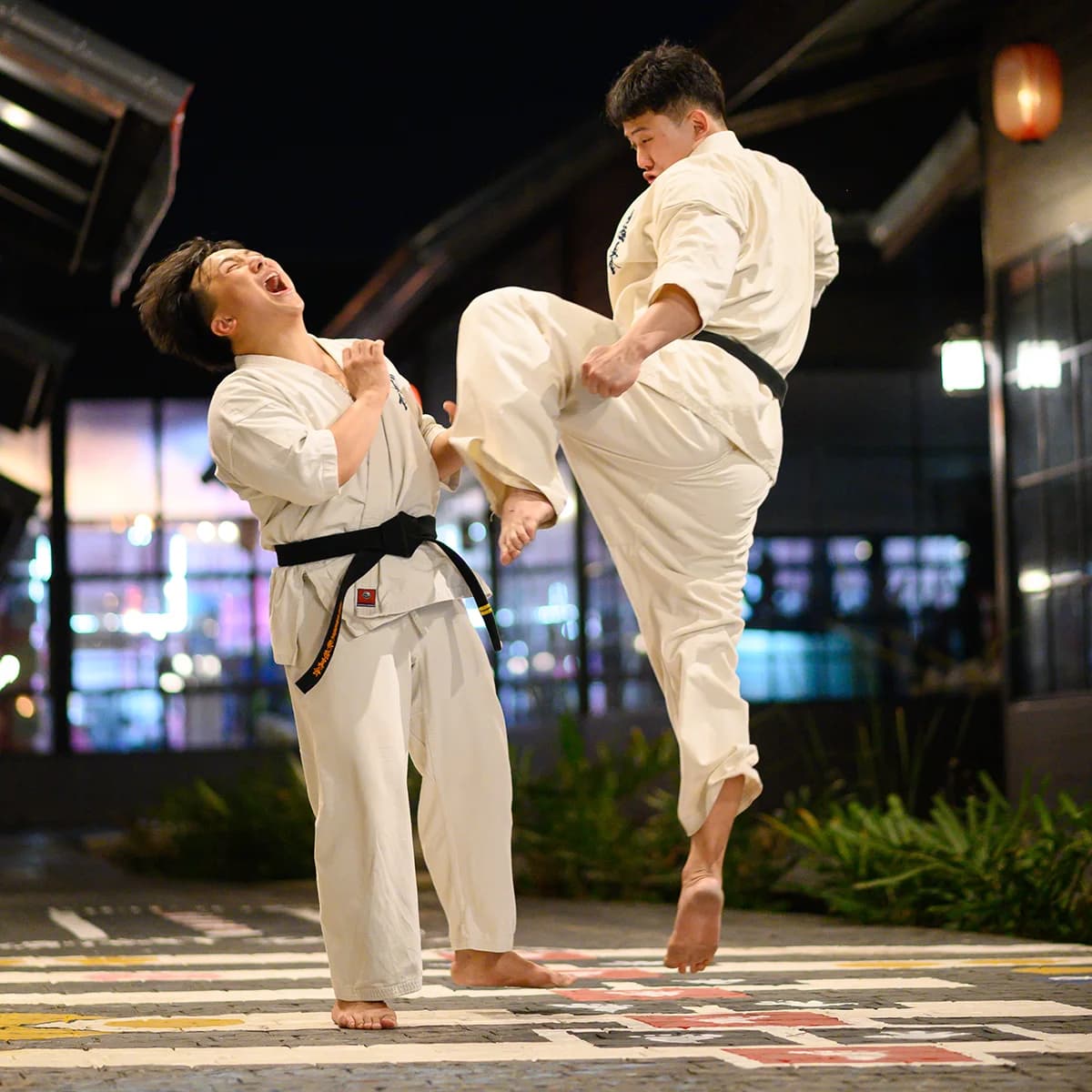
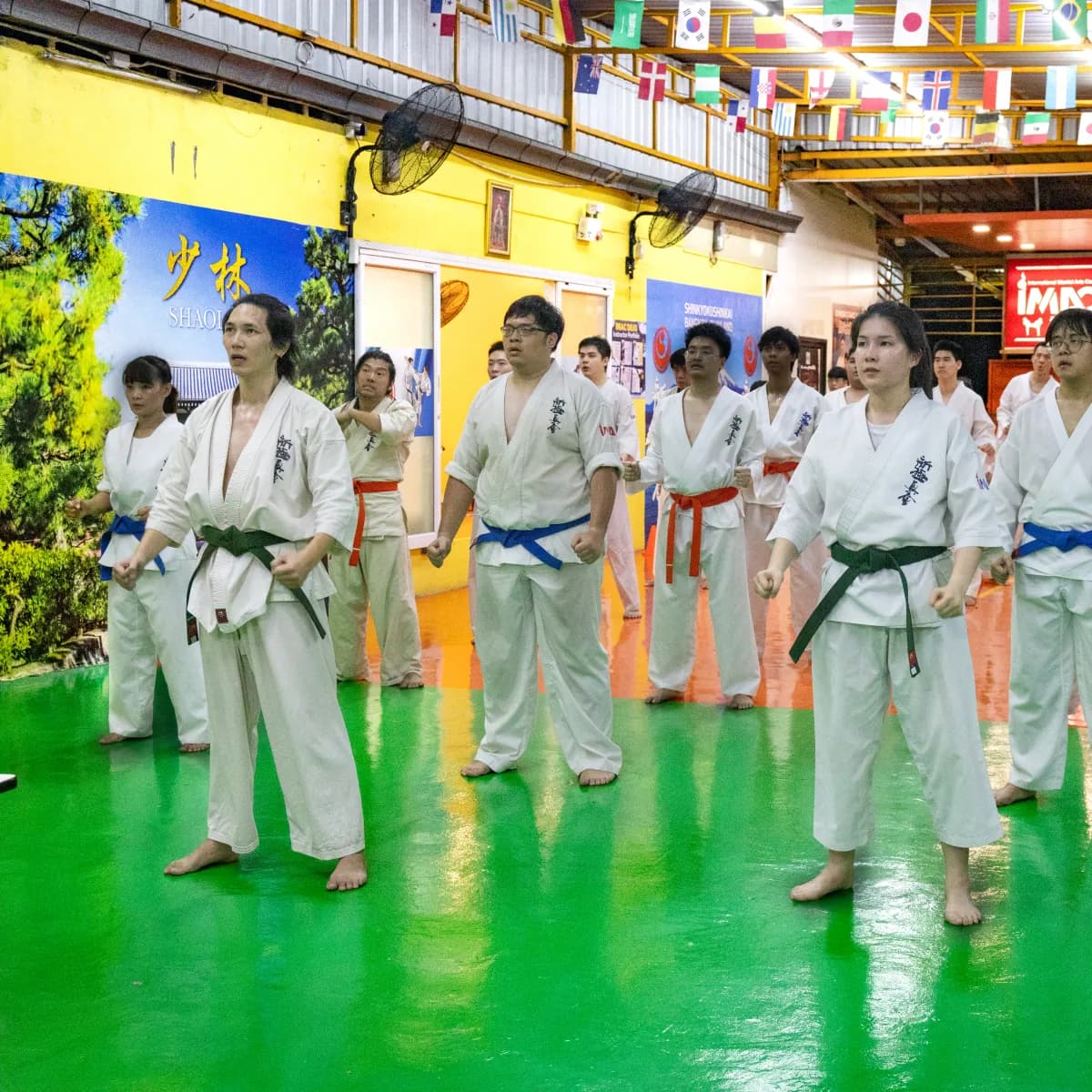
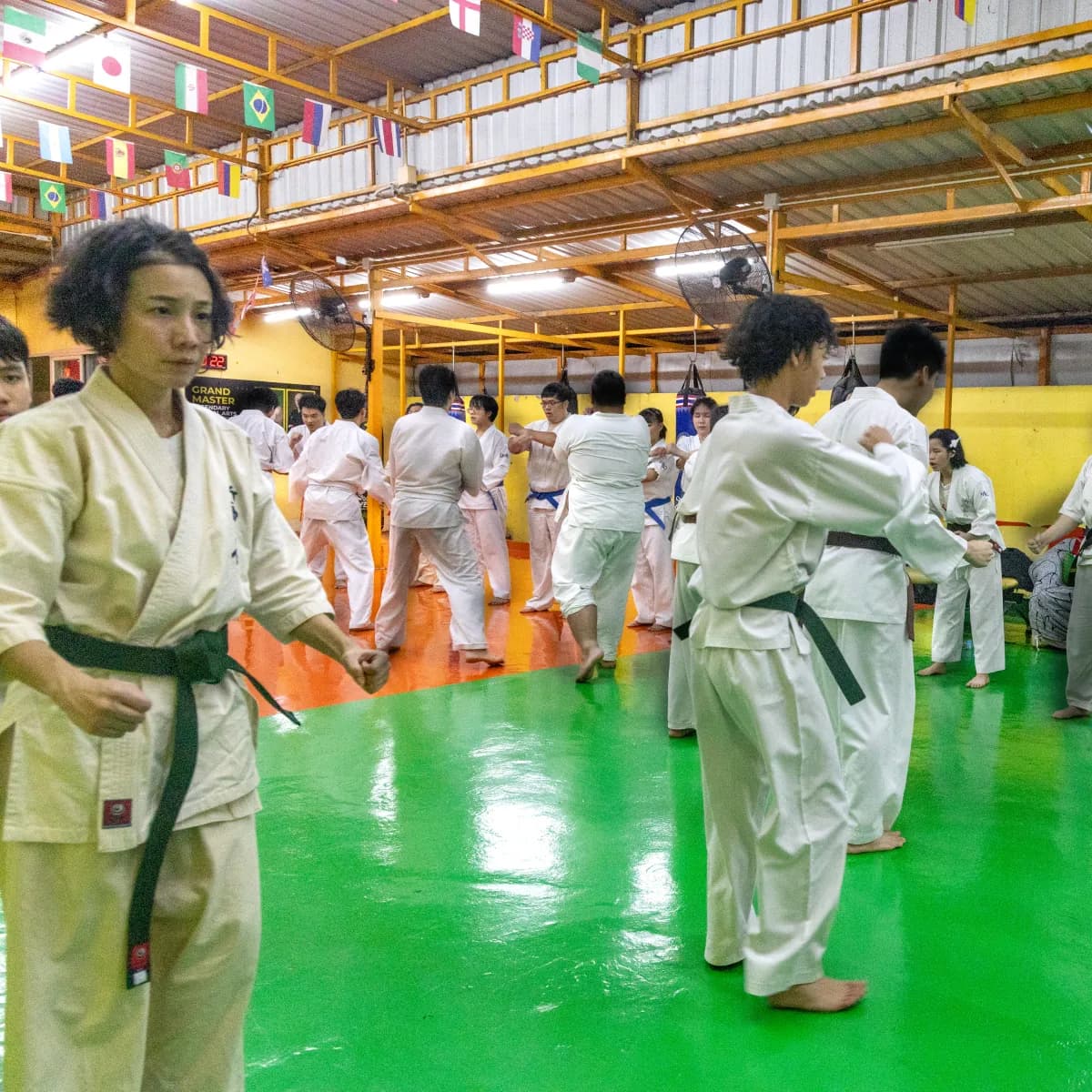
Shinkyokushin Karate at IMAC Dojo is Full Contact Kyokushin Karate training that covers Kihon, Ido Geiko, Kata, and Kumite to develop strength, discipline, focus, confidence, and self-defense ability.
It is suitable for children, teenagers, adults, and beginners who want serious, safe, structured karate training under a black belt instructor team.
Who it is for
What students gain from Shinkyokushin Karate
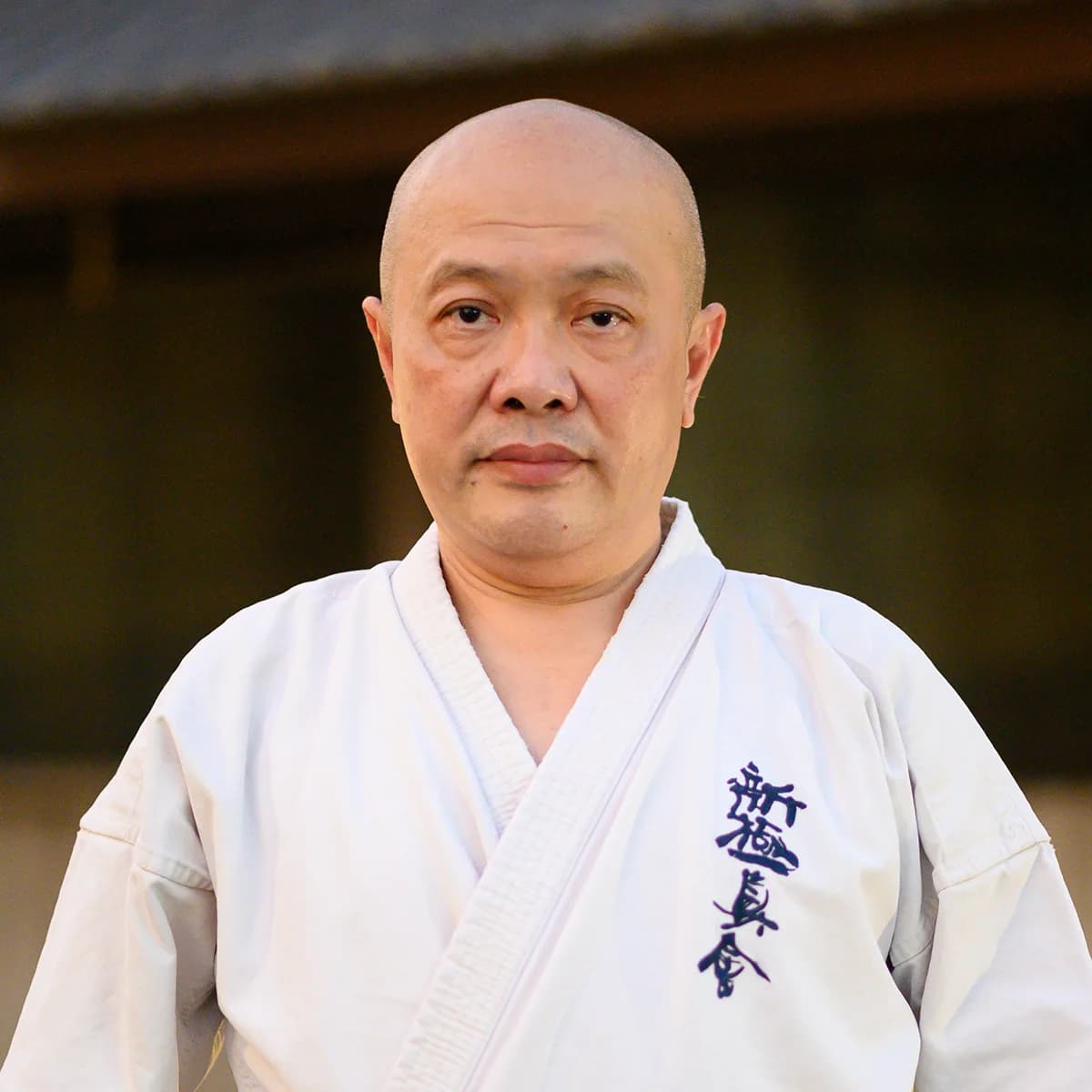
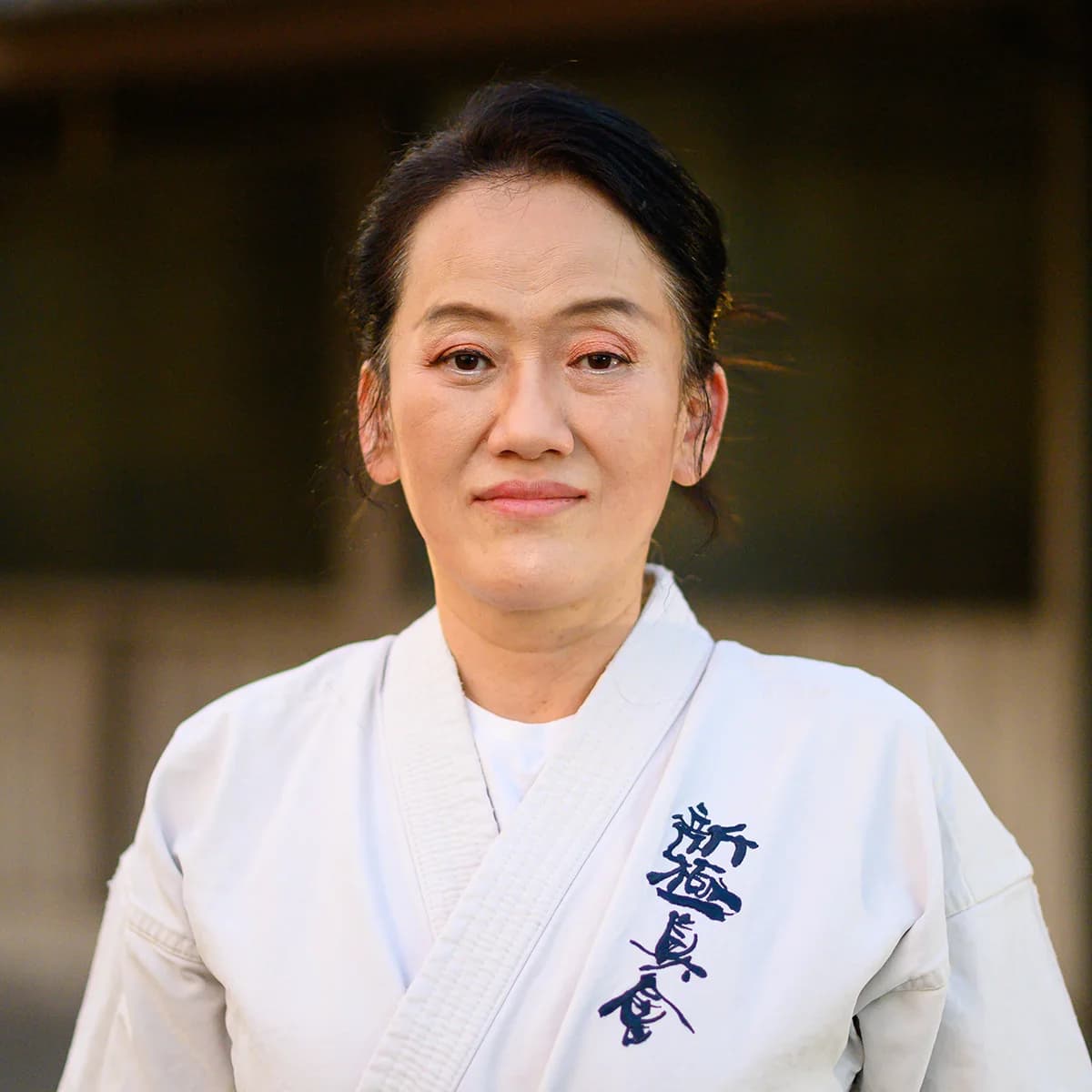
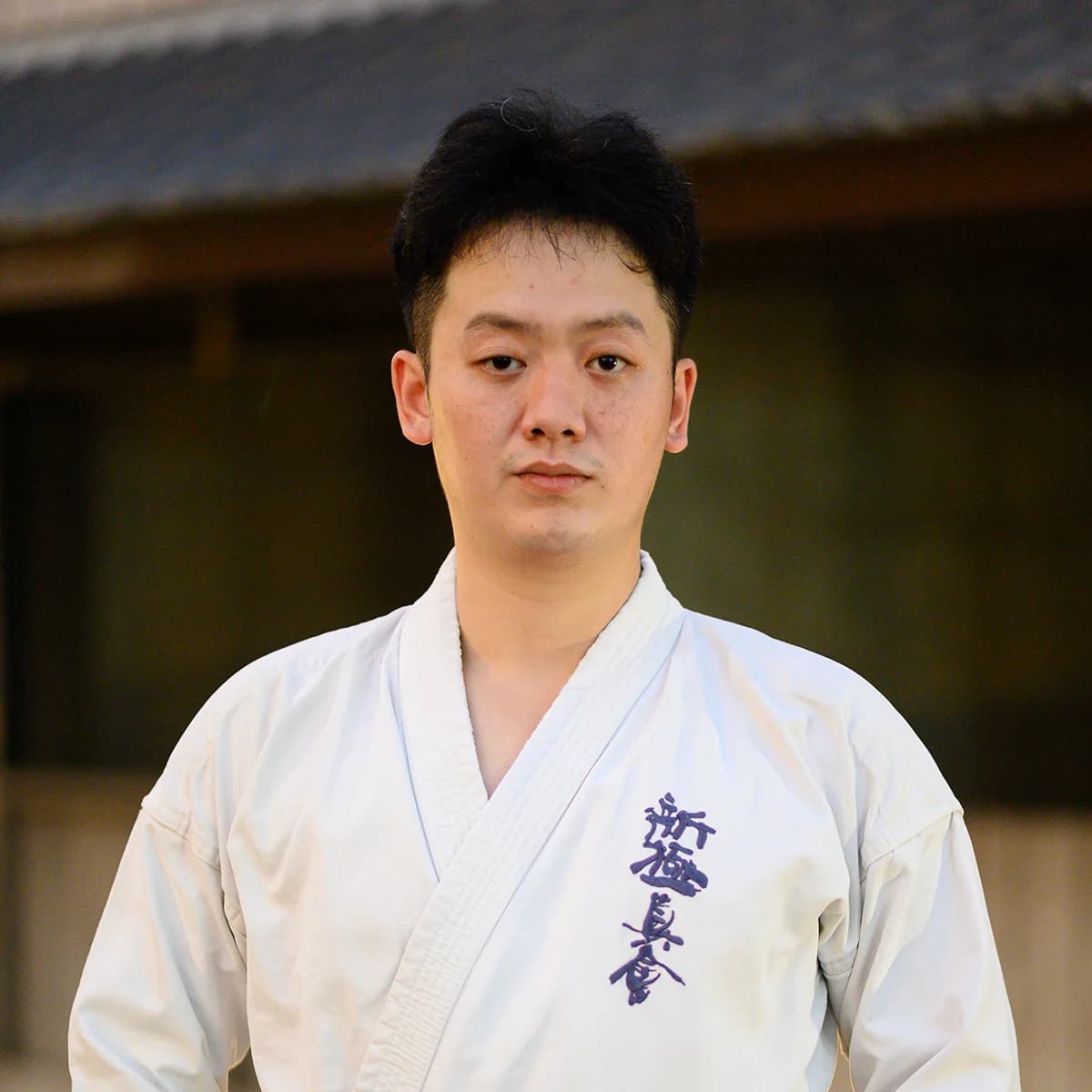
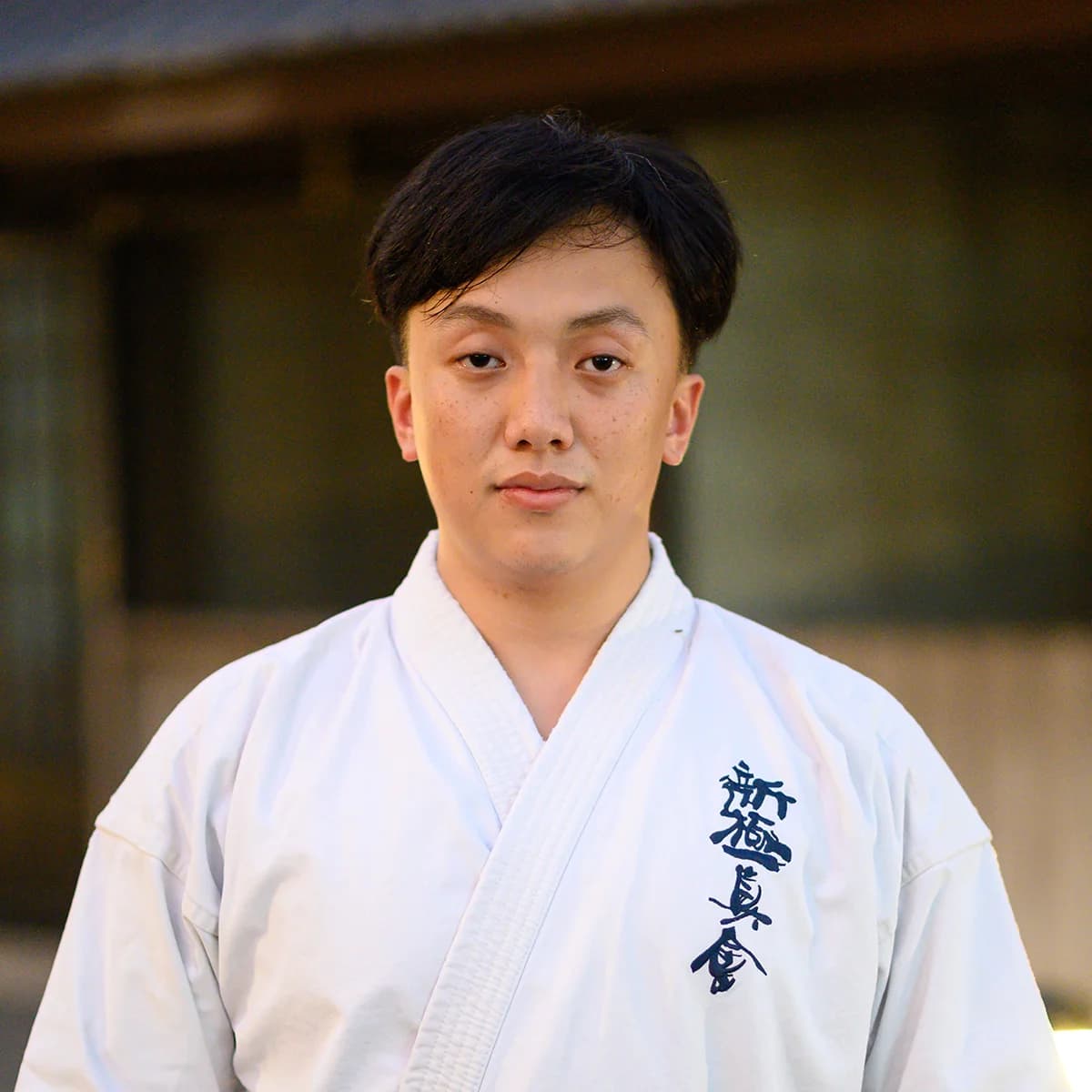
Instructor Team
Schedule & Pricing
Last updated 14 July 2026
Friday 19:00 - 20:30
1,000 THB/month
Group class covering Kihon, Kata, and Kumite fundamentals.
Friday 20:45 - 21:45
800 THB/month
Group class continuing Kata training from the core class.
Monday - Thursday, 14:00 - 21:00
800 THB/hour/person
Book in advance through LINE Official.
KARATE GI
Prices are shown by gi type and height range so students can choose training wear before starting class.
Course Detail
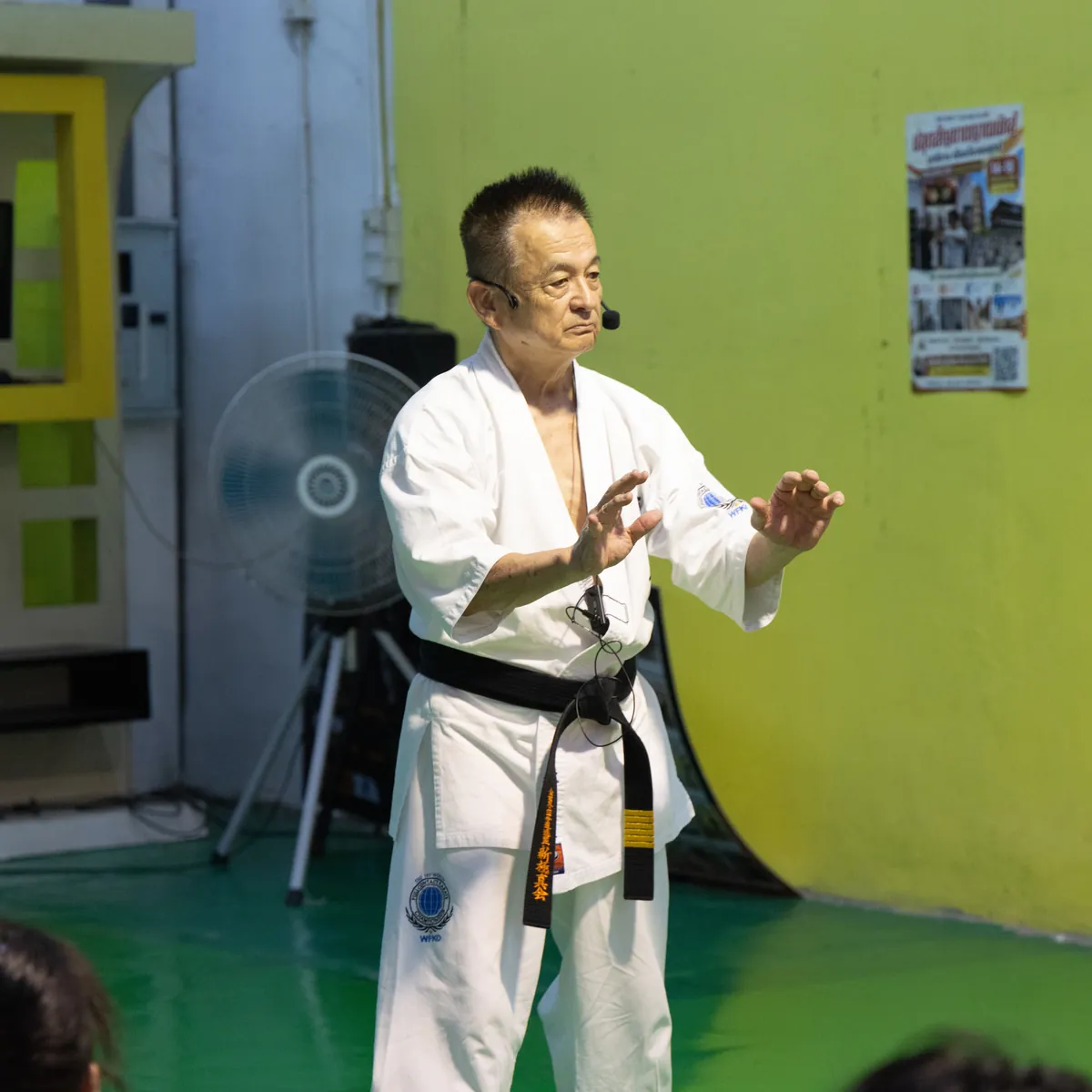
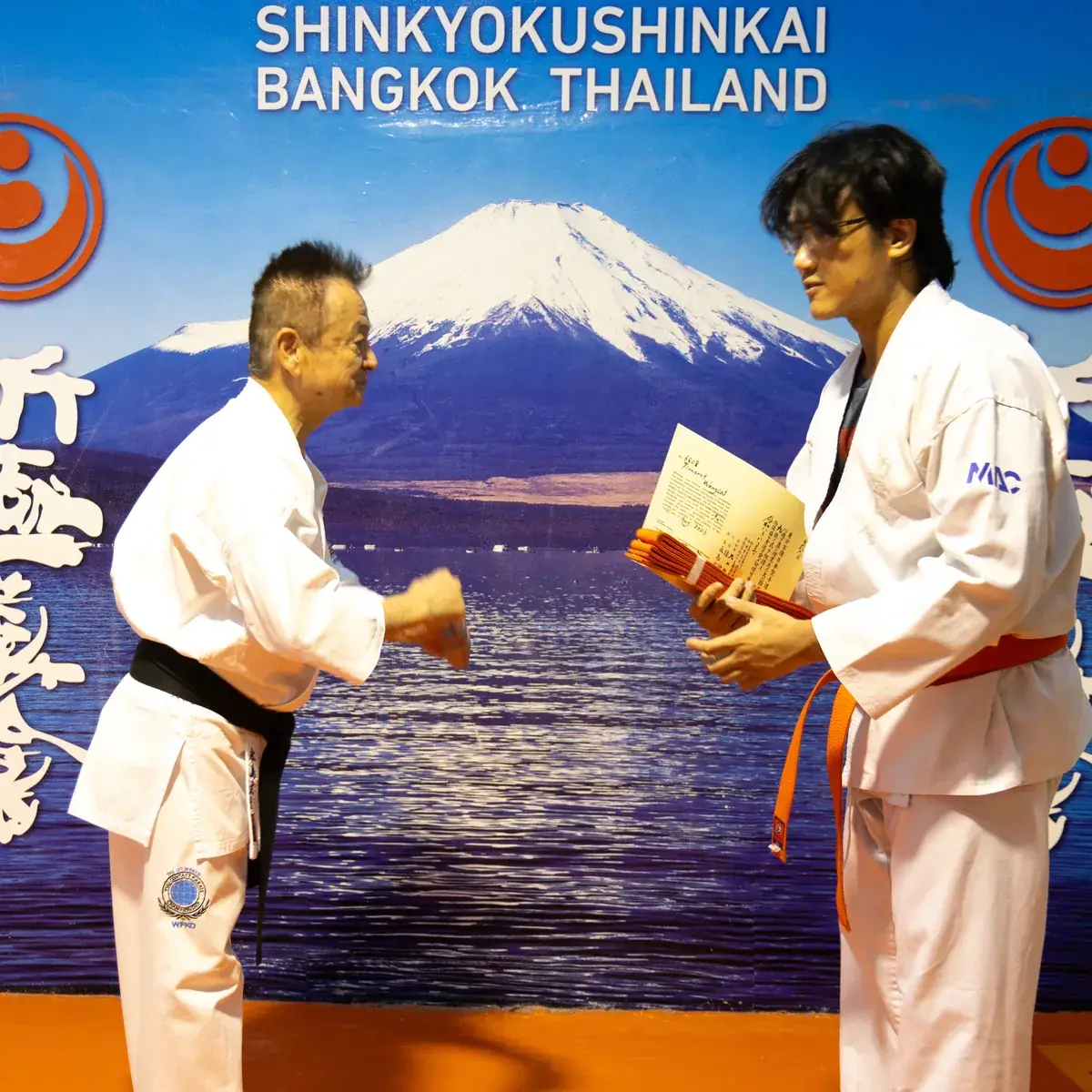
This course emphasizes real training, practical use, and safety. It covers fundamentals, movement, kata, and fighting practice to develop the body, discipline, and confidence. Training and grading follow the system overseen by Shihan Fumiaki Frank Nagashima, WKO Branch Chief Thailand of the World Karate Organization (WKO) in Japan, so this is not merely an adaptation of Shinkyokushin methods but Kyokushin karate trained inside the lineage, with a clear standard, system and authority. Every graded student receives a certificate and belt from WKO Japan, which are recognized internationally.
Karate is a martial art developed on Okinawa, Japan. It uses the body alone — punches, kicks, elbows, knees and blocks — with no weapons.
What people often miss is that "karate" is not one single thing. It splits into several styles, and they genuinely differ in their rules and in how much contact is allowed. Some are judged on controlled touch; others are full contact, where strikes land.
IMAC Dojo teaches Shinkyokushin karate, which sits in the full-contact group and descends from the Kyokushin karate founded by Mas Oyama. We do not teach every style, and we say so here so that anyone comparing schools knows in advance what the training looks like.
Shinkyokushin is the line that separated after the era of Mas Oyama, and it is the line in which IMAC Dojo trains and grades under WKO. Beginners should not read "full contact" as sparring on day one. Training starts with stances, punching, kicking and blocking; instructors set the intensity by age and readiness.
Shinkyokushin karate in Thailand is directed by Shihan Fumiaki Frank Nagashima, Branch Chief for Thailand under WKO - World Karate Organization Shinkyokushinkai in Japan.
His first dojo in Thailand is the one in Thonglor. IMAC Dojo at Ladprao 101 is the second dojo under the same direction and has been teaching karate for more than 9 years. Both train in one lineage, to one training standard, under one grading system — they are not competing schools.
What differs is location and timetable. Thonglor serves students on the Sukhumvit side; IMAC Dojo serves Ladprao 101, Bangkapi, Klongchan, Bueng Kum, Ramkhamhaeng, and Nawamin. Students choose on travel time and which evenings suit them.
The question parents ask is rarely about technique. It is that their child will not greet anyone, will not speak up, or barely moves outside school hours.
A karate class opens and closes with a bow. Before any technique, a child greets the instructor, greets their training partners, and folds their own gi. Manners like these are not produced by explaining them; they come from repeating them every week until they are habit.
The repetition in basic training is also where focus, patience, and self-control get built — the things no exam score measures, and the things that travel home and to school.
On bullying we make no promise that training makes it stop. What genuinely changes is the posture and expression of a child who knows they can control their own body, and having an adult at the dojo they are willing to tell.
Shinkyokushin Karate at IMAC Dojo develops students through fundamentals, fighting, kata, applied movement, physical conditioning, and grading preparation to build strength, accuracy, discipline, and mental stability.
The core class builds correct karate fundamentals from stances, striking, movement, breath control, and distance management, giving students a stable training structure before moving to higher levels.
Training does not stop at sport. It develops discipline, endurance, body control, pressure management, and a more stable mind.
IMAC Dojo teaches Shinkyokushin Karate through a clear dojo standard connected to the WKO Shinkyokushinkai direction.
Students do not only copy movements; they learn why each stance, strike, block, and movement pattern matters.
The course supports regular training, grading preparation, and long-term growth for children and adults.
Clear standards help students understand what to improve before they move into higher levels.
Kyokushin Karate is known for honest effort, strong spirit, respect, and perseverance.
In class, students learn to handle pressure without losing discipline or control.
The training develops courage and humility together, because strength must be guided by respect.
This mindset is especially helpful for children who need confidence and adults who want a disciplined training routine.
Kihon is the technical foundation of Shinkyokushin Karate.
Students repeat stances, punches, blocks, kicks, and strikes so the body learns correct structure.
The goal is not speed at the beginning; the goal is clean posture, stable balance, and accurate direction.
When Kihon becomes strong, Kata, movement, and Kumite become safer and clearer.
Breathing practice helps students connect posture, power, focus, and calmness.
Sanchin-style breathing and controlled movement teach students to stabilize the body from the inside.
This is useful for Kata, Kumite, conditioning, and daily confidence.
Children learn focus; adults learn to move with less unnecessary tension.
Kumite is introduced according to age, experience, and readiness.
Students first learn distance, guard, timing, safe contact, and clear rules.
The purpose is to become brave and controlled, not reckless.
As students progress, Kumite helps them understand practical application and pressure management.
Conditioning builds strength, endurance, flexibility, speed, and resilience.
The work may include kicking drills, punching practice, core training, partner drills, and impact awareness.
The level is adjusted so beginners can train safely while experienced students still progress.
For working adults, this also supports posture, mobility, and regular exercise habits.
Kata trains accuracy, timing, breathing, rhythm, and mental focus.
Students learn that Kata is not only choreography; it contains direction, balance, and fighting logic.
Beginners start with simpler forms before progressing to Pinan and higher-level Kata.
Kata practice supports grading, discipline, memory, and better movement quality.
Ido Geiko connects Kihon to movement.
Students practice techniques while stepping, turning, changing direction, and keeping balance.
This makes the body more coordinated and prepares students for Kata and Kumite.
It also teaches how to protect posture while moving under pressure.
The belt system gives students a visible learning path from beginner levels toward black belt development.
Kyu levels organize the fundamentals before Dan-level training.
Students prepare through class attendance, Kata practice, Kumite readiness, etiquette, and instructor assessment.
The goal is steady progress, not rushing the belt.
Media
 Gallery
Schedule & Pricing
Message us on LINE Official with the student's age, any previous experience, and the training goal.
We recommend the class that fits and confirm which times are open.
Agree a start date and come to the dojo at that time.
You do not need to buy a uniform for the first session — a t-shirt and comfortable trousers are fine.
Direction
The dojo is on Soi Pokaew 3 Yak 9 in Klongchan, Bangkapi. The soi opens onto Ladprao 101, so it is an easy trip from Bangkapi, Klongchan, Bueng Kum, Ramkhamhaeng, Nawamin and Chokchai 4. By train, take the MRT Yellow Line to Ladprao 101 station and continue into the soi.
Parking: you can park along the front of the school. This is the same soi as NIVA International School, so there is plenty of space, and police patrol it regularly because of the school's police box. Parents bringing children can wait and watch the class.
FAQ
Details
The dojo sits in the same zone as Klongchan, Bueng Kum, Ramkhamhaeng, Nawamin, and Chokchai 4. Most students arrive by car or motorbike from the surrounding neighbourhoods. Message IMAC DOJO on LINE for directions before a first visit.
Details
Kyokushin Karate was founded by Mas Oyama. Shinkyokushinkai carries that same spirit forward under WKO - World Karate Organization Shinkyokushinkai in Japan. Training is still full contact and still covers Kihon, Ido Geiko, Kata, Kumite, and conditioning in a structured order. Anyone searching for Kyokushin or Shinkyokushin is looking at the same family of training.
Details
The program opens with stances, punching, kicking, blocking, balance, and basic movement before progressing to more complex work. That order gives students a stable base, keeps training safe, and makes progress visible — for children, teenagers, and adults alike.
Details
Adult training builds stances, movement, striking, blocking, and strength one step at a time. It suits people who want serious exercise, better health, discipline, posture, or practical self-defense. Nobody has to begin with hard training beyond their own level.
Details
Children build discipline, focus, confidence, coordination, and body control. Teenagers and adults build strength, self-defense skill, and mental steadiness. Instructors adjust drills, partners, and intensity to each student's age, size, and goal so training stays safe and structured.
Details
The program covers five parts: Kihon, the fundamentals of stances, punches, kicks, and blocks; Ido Geiko, applied movement; Kata, forms; Kumite, full-contact partner practice; and conditioning. Together they develop accuracy, strength, agility, body control, and the confidence to apply technique.
Details
Examiners look at Kihon, Ido Geiko, Kata, and Kumite alongside consistency of training, discipline, respect, and understanding of karate principles. Candidates must complete the required number of classes under the dojo's standard and be assessed as eligible before sitting the exam.
Details
His first dojo in Thailand is the one in Thonglor; IMAC Dojo at Ladprao 101 is the second dojo under the same direction. Both use one training standard and one grading system, and differ only in location and timetable. The WKO direction both follow rests on three policies: Nurturing Youth, Social Contribution, and International Exchange.
Details
Masutatsu Oyama is known for demanding, serious training that develops body, mind, and spirit together. His approach remains the foundation of Shinkyokushinkai Karate today, which is why students meet a system built on discipline, endurance, respect, and continuous self-improvement.
Details
“Master our Mind” holds that a strong mind leads to gentleness, and a gentle heart leads to true strength, on the belief that a clear mind lives in a strong body. The organization's symbol is rooted in the kanji for “Kokoro” and expresses the unity of “Shin-Gi-Tai” — spirit, technique, and body — which is the core of Budo Spirit.
Details
Students training for health gain strength, endurance, balance, flexibility, focus, and the discipline of looking after their body. Students training for self-defense spend more time on body control, distance, striking, blocking, and safe practical application. Both start from the same fundamentals — tell the instructor your goal in the first class.
Details
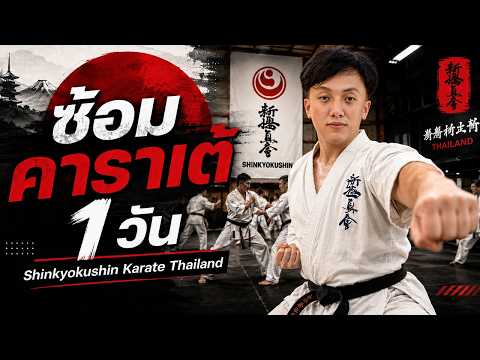
The clip, recorded at JAPAN EXPO at Central World, shows the training, movement, technique, and atmosphere of Shinkyokushin karate more clearly than a description can. YouTube: https://youtu.be/dJRXoi0J8p4?si=Bu8atqXKF0sPJ9cB
Details
The Kyu ranks count down from 10 to 1: 10th Kyu orange, 9th Kyu orange with a black tip, 8th Kyu blue, 7th Kyu blue with a black tip, 6th Kyu yellow, 5th Kyu yellow with a black tip, 4th Kyu green, 3rd Kyu green with a black tip, 2nd Kyu brown, and 1st Kyu brown with a black tip, which prepares a student for the black-belt examination. The Dan ranks then begin at 1st Dan (Shodan) and continue to 6th Dan. Grading assesses Kihon, Ido Geiko, Kata, and Kumite together with consistent attendance and dojo etiquette.
Details
Stances: Heiko Dachi, Sanchin Dachi, Zenkutsu Dachi, Kokutsu Dachi, Kiba Dachi · Punches: Seiken Chudan Tsuki, Jodan Tsuki, Gedan Tsuki, Uraken Uchi, Tate Tsuki · Blocks: Jodan Uke, Chudan Uke, Gedan Barai, Uchi Uke, Soto Uke, Morote Uke · Kicks: Mae Geri, Mawashi Geri, Yoko Geri, Ushiro Geri, Hiza Geri, Sokuto Geri · Strikes: Shuto Uchi, Tetsui Uchi, Empi Uchi, Haito Uchi Kata start with Taikyoku Sono Ichi to Sono San and Pinan Sono Ichi to Sono Go, then continue to Sanchin, Gekisai Dai, Gekisai Sho, Tsuki No Kata, Yantsu, Tensho, Saiha, Seienchin, Garyu, Kanku, Sushiho, and Seipai.
Next Courses
If you want to add to your karate training, look at the other courses, which develop throwing, close-range fighting, and an understanding of Muay Thai culture.
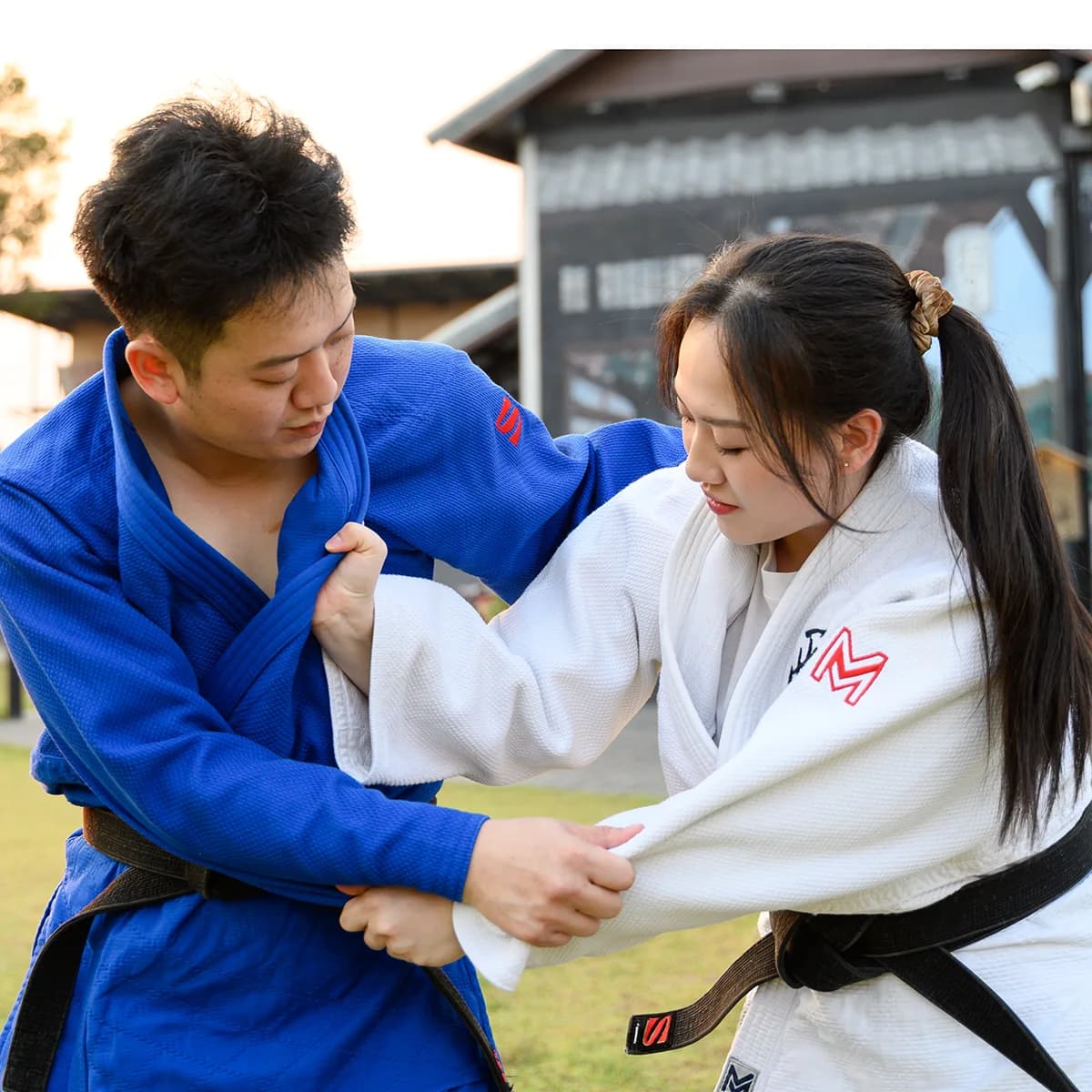
Learn safe falling, throws, and opponent control through structured Kodokan Judo training in Bangkok.
View course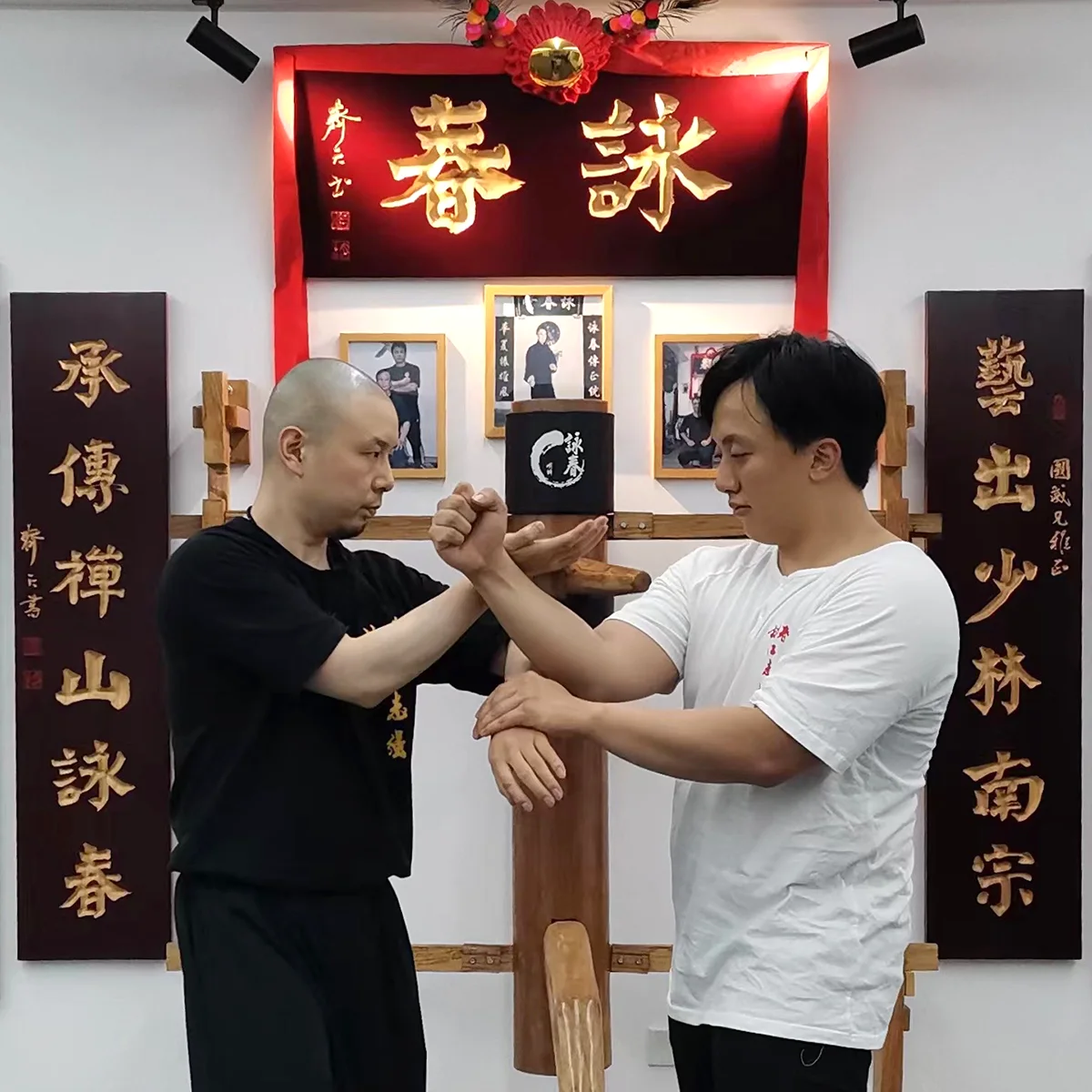
Wing Chun Sambo: Wing Chun as the close-range core, plus principles from Muay Thai, Karate, Judo, Sambo and Jujitsu covering distance, clinch, takedown and ground control.
View course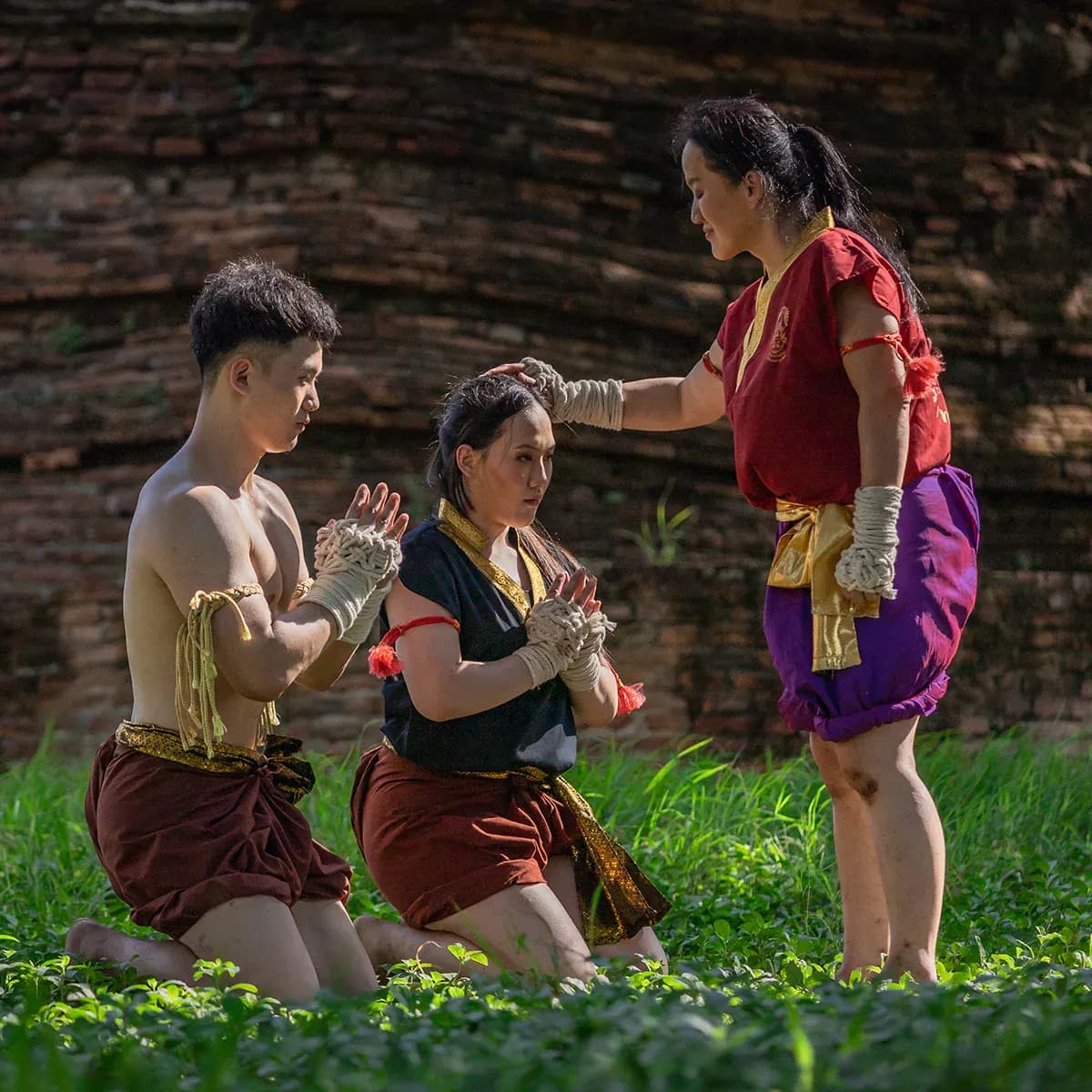
Learn Wai Kru Muay Thai movements, meaning, rhythm, and Thai cultural values through structured practice.
View courseBegin with confidence
Talk with the IMAC Dojo team about the class format, schedule, and training path that fits your goals.
Courses
Blog
Local Guide
IMAC DOJO teaches Shinkyokushin Karate Thailand and Kyokushin full-contact karate near Ladprao 101 and Bangkapi, Bangkok. It suits anyone in Bangkok looking for karate nearby — children, adults, and beginners alike — who wants to build strength, discipline, confidence, and full-contact self-defense with instructors guiding the training step by step.