
IMAC DOJO
Instructor Profile
Instructor Profile
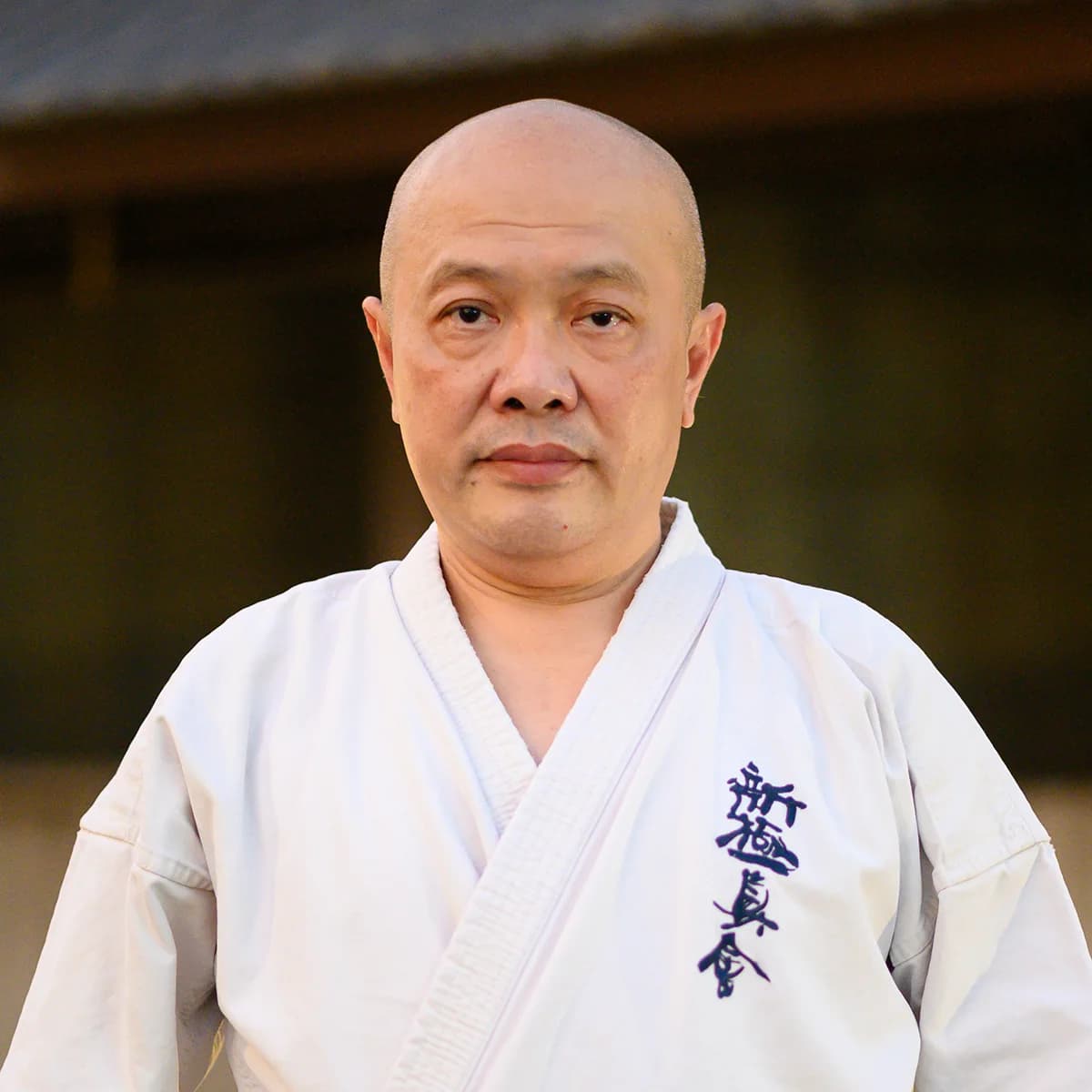
Phoenix— Thaninpong Supapitakpong
2nd Dan Shinkyokushin Karate · Founder and martial arts instructor, IMAC Dojo
Phoenix is the name Thaninpong Supapitakpong uses in martial arts, while MingPaPa is the name he uses when teaching Chinese metaphysics, culture and belief. All three names are the same person. Thaninpong Supapitakpong's main profile on supapitakpong.com
Instructor Profile
Profile
Thaninpong Supapitakpong, known as Phoenix, was born in 1970. He is an entrepreneur and marketer with long professional experience, holding an MBA from Sasin Graduate Institute of Business Administration of Chulalongkorn University and a bachelor's degree in Marketing from Assumption University.
In martial arts, Phoenix began karate at 42 and later brought his family into training. He now holds black belts across four separate systems: Self Defense at 3rd Dan from World Kukmuwon, Nunchaku at 2nd Dan from the Koreana Martial Arts Federation, Shinkyokushinkai Karate at 2nd Dan, and Taekwondo at 1st Dan from World Kukkiwon. He also holds master level in Shaolin Kung Fu and Wing Chun.
That background spans striking, short weapons, and empty-hand self-defense. At IMAC Dojo he leads the Shinkyokushinkai Karate programme, the art in which he holds his own black belt.
He began his business career at the age of 20 and has founded and managed several ventures, including print advertising media, colour-separation and plate-making services, Apple Computer dealership work, and more than 40 graphic-design magazines as an editor and owner.
Today, he owns Laxmirung Co., Ltd., a full-service printing company in Ladprao, and is the founder of IMAC Dojo. Alongside his business work, he is a special lecturer in marketing at a private university, a self-defense instructor, a writer, and a commercial actor.
Trust Profile
Credentials
5 key credentials, experience points, and achievements to help students and parents understand the instructor's background clearly.
- 01Shinkyokushinkai Karate: 2nd Dan black belt
- 02Self Defense: 3rd Dan black belt - World Kukmuwon
- 03Nunchaku: 2nd Dan black belt - Koreana Martial Arts Federation
- 04Taekwondo: 1st Dan black belt - World Kukkiwon
- 05Shaolin Kung Fu and Wing Chun: Master Level
Courses
Courses Taught
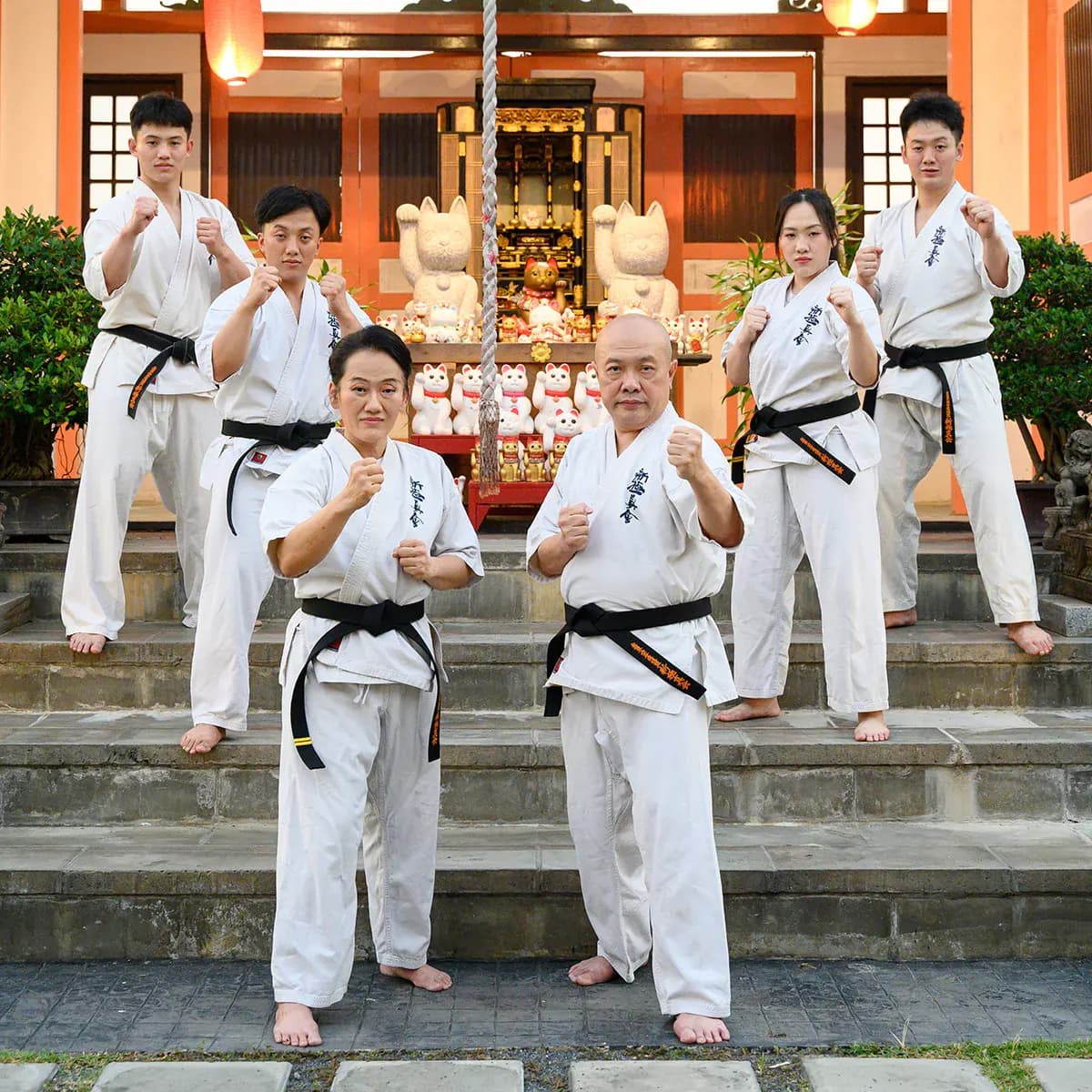
Instructors
Related Instructors
 Nareepas SupapitakpongIGLA Khru Muay (WMC) · 2nd Dan Taekwondo
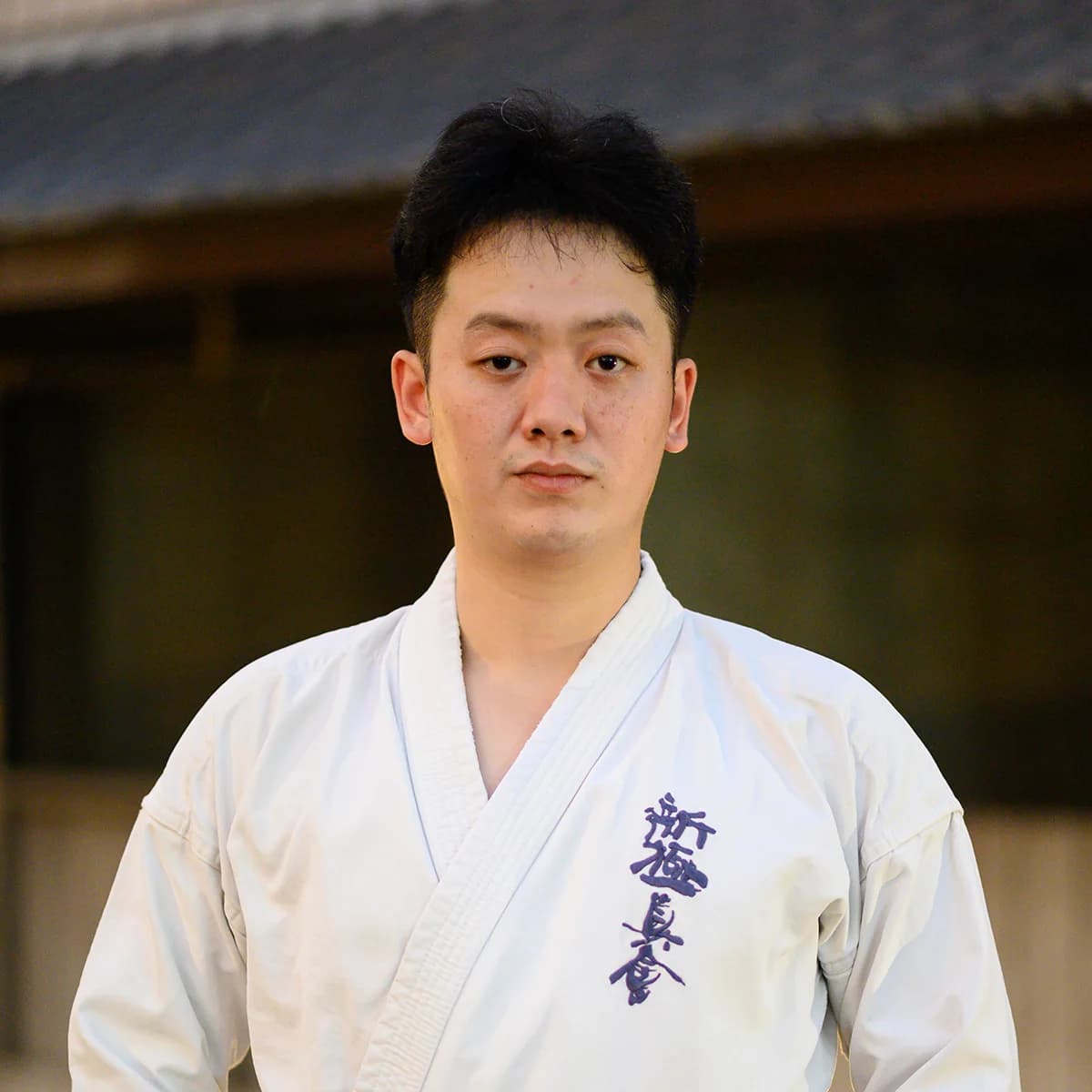 Panyawat Supapitakpong4th Dan Taekwondo (Kukkiwon) · 2nd Dan Karate
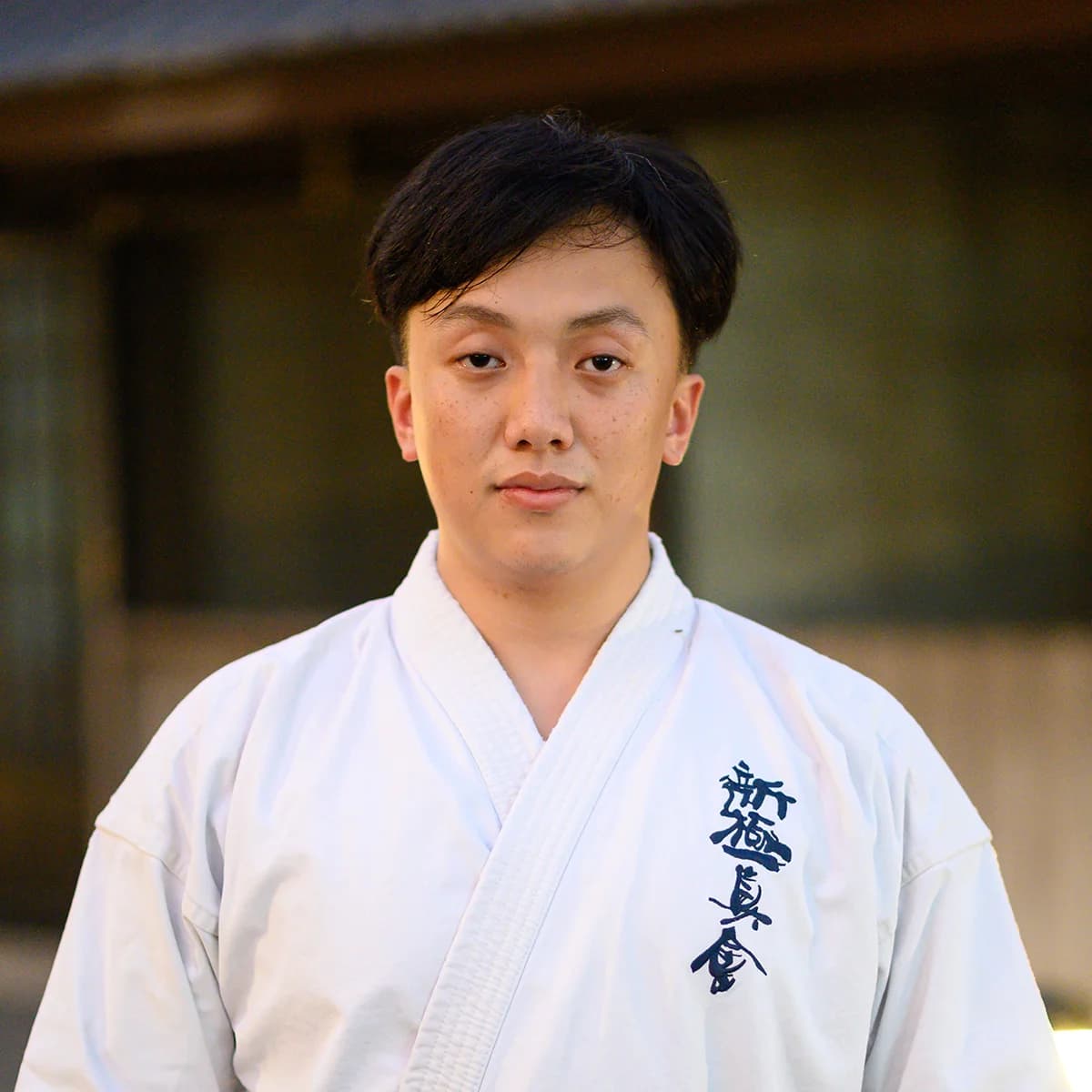 Puriwat SupapitakpongFormer Thai national Combat Sambo athlete · 2nd Dan Judo
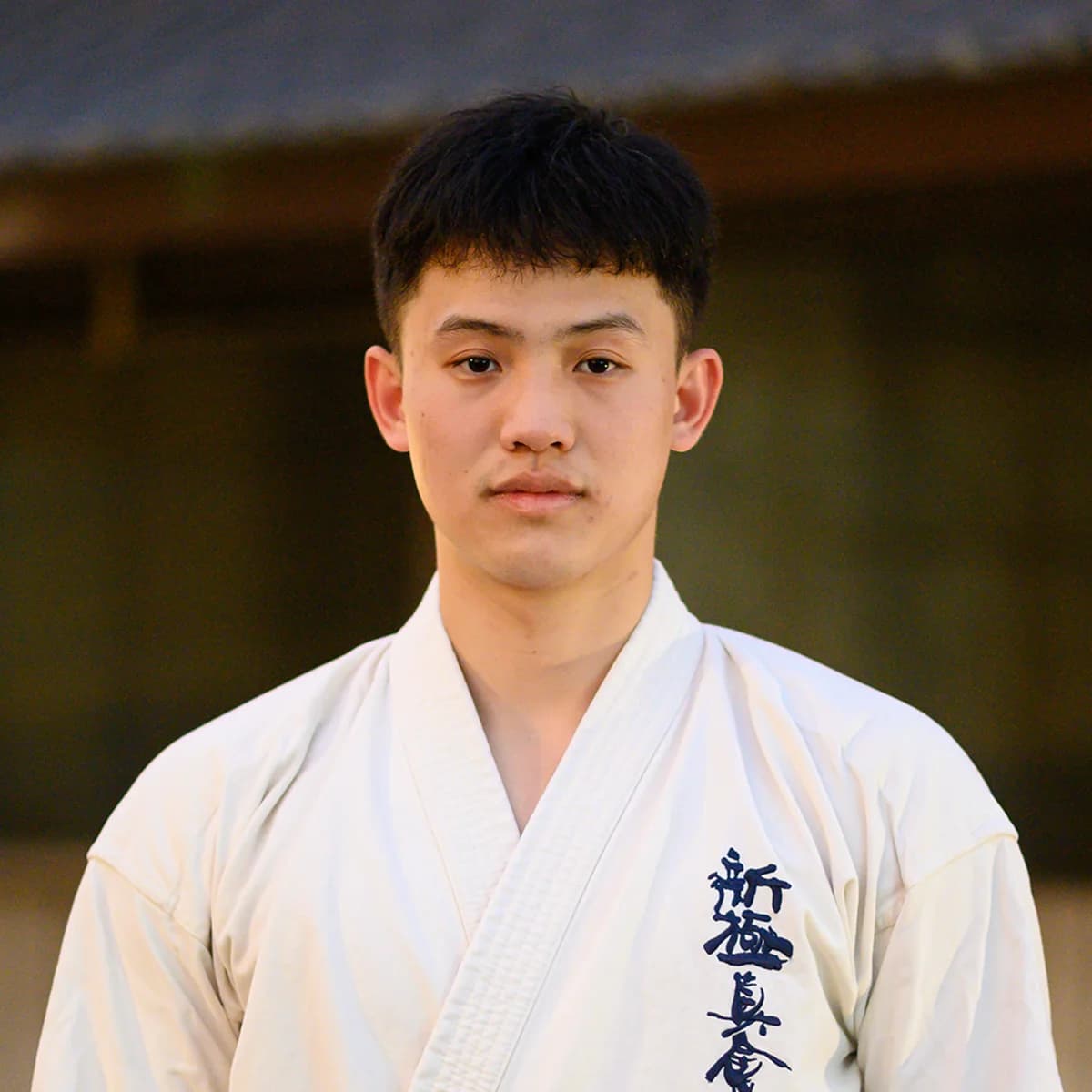 Thanaroj Supapitakpong2nd Dan Judo · 2nd Dan Shinkyokushin Karate · Thai-German Cup winner
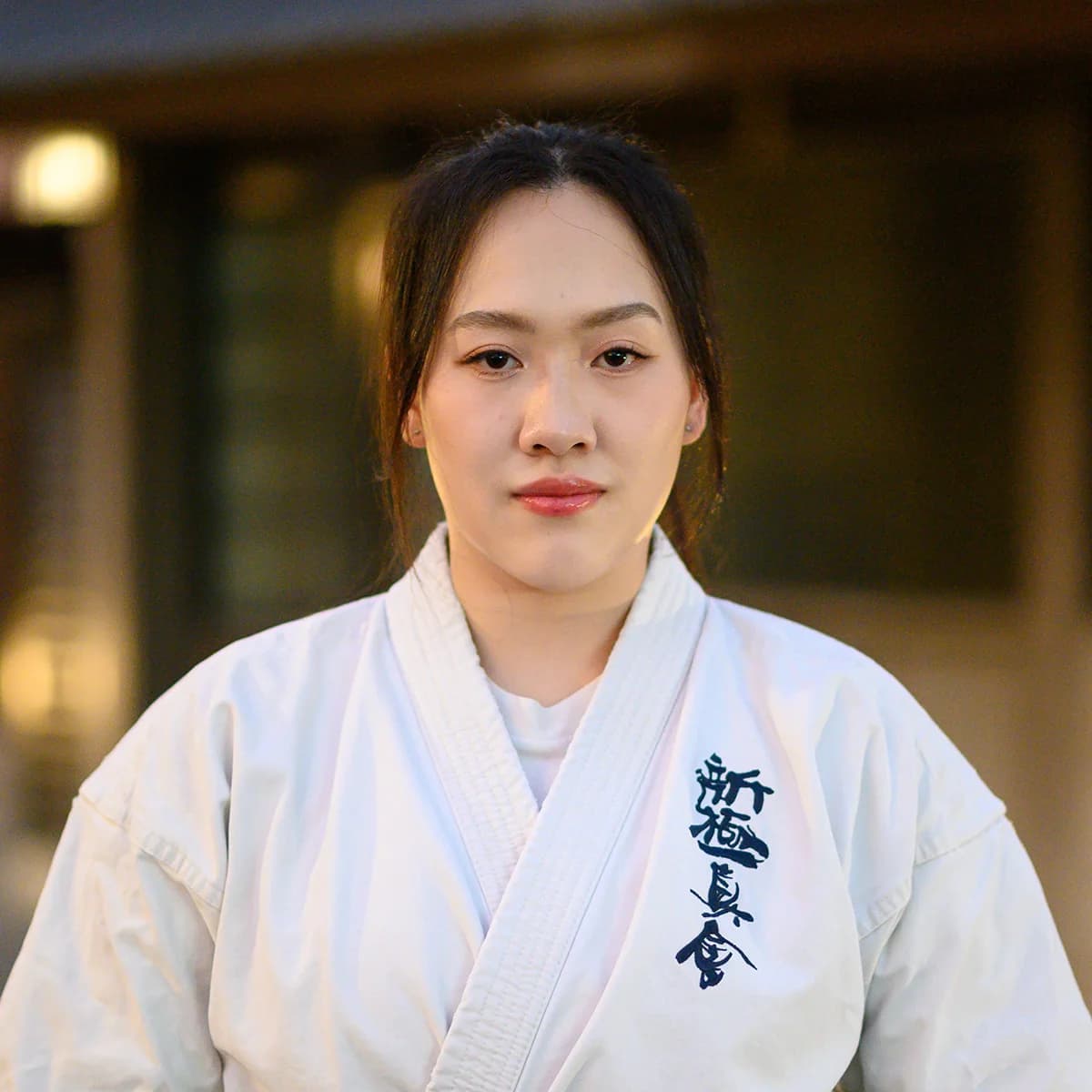 Pimnapat SupapitakpongFormer Thai national artistic gymnast · 2nd Dan Karate · 1st Dan Judo
Blog
Articles by Phoenix
Articles: 151
Judo Thailand · Articles: 68
- Judo Level 5: Ashi Guruma — The leg forms an axis for the turn
- Judo Level 3: De Ashi Barai — Read the timing of the advancing foot
- Judo Level 3: Gyaku-Kata-Nami Juji Jime — Three names distinguished by collar-grip orientation
- Judo Level 4: Hadaka Jime — Identify control without a collar grip
- Judo Level 5: Hane Goshi — Let hip and leg spring together
- Judo Level 6: Hane Makikomi — From springing hip action to wrapping
- Judo Level 2: Harai Goshi — Connect hip entry and leg sweep
- Judo Level 5: Harai Tsurikomi Ashi — Connect lifting hands to the upward sweep
- Judo Level 3: Hiza Guruma — Read the rotation above the knee check
- Judo Level 1: Ippon Seoi Nage — Connect the entry before lifting
- Judo Level 1: Kami Shiho Gatame — Connect head-side control to the whole base
- Judo Level 5: Kata Guruma — Read the shoulders together with the hands
- Judo Level 4: Kata Ha Jime — The controlled arm distinguishes the technique
- Judo Level 5: Kata Te Jime — One hand does not work in isolation
- Judo Level 1: Kesa Gatame — Control the shoulder with an adaptable base
- Judo Level 5: Ko Soto Gake — Read the outside hooking action
- Judo Level 4: Ko Soto Gari — Match the outside reap to the loss of balance
- Judo Level 4: Ko Uchi Gari — Link the inside reap to backward weight movement
- Judo Level 1: Koshi Guruma — Turn over the hip without twisting the neck
- Judo Level 2: Kuzure Kami Shiho Gatame — Notice the diagonal approach and changed arm role
- Judo Level 1–2: Kuzure Kesa Gatame — Change the arm control, retain the side base
- Judo Level 1: O Goshi — Understand the hip as a support
- Judo Level 6: O Guruma — A higher leg axis does not mean more force
- Judo Level 2: O Uchi Gari — Read backward imbalance before the inside reap
- Judo Level 4: Okuri Ashi Barai — Follow the moment both feet travel together
- Judo Level 4: Okuri Eri Jime — Separate the two collar-hand roles
- Judo Level 7: Osoto Guruma — A rear axis across both legs
- Judo Level 5: Ryo Te Jime — Two hands without crossed arms
- Judo Level 5: Sankaku Jime — Separate the triangle shape from the technique
- Judo Level 3: Sasae Tsurikomi Ashi — The foot checks movement while the hands continue it
- Judo Level 5: Sode Guruma Jime — Whose sleeve provides the connection?
- Judo Level 6: Sukui Nage — Distinguish scooping from body sacrifice
- Judo Level 6: Sumi Gaeshi — Guide the turn rather than kick away
- Judo Level 4: Tai Otoshi — Hands guide the descent; legs organize the base
- Judo Level 6: Tani Otoshi — The descent is not a collapse onto the knee
- Judo Level 1–2: Tate Shiho Gatame — Maintain lengthwise control while adapting
- Judo Level 5: Tomoe Nage — The backward descent needs a direction
- Judo Level 5: Tsukkomi Jime — The name does not mean punching
- Judo Level 5: Tsuri Goshi — Read the belt grip’s lifting role
- Judo Level 4: Tsurikomi Goshi — Connect the lifting draw to hip support
- Judo Level 4: Uchi Mata — Follow inner-thigh contact and upper-body guidance
- Judo Level 3: Ude Garami — Read the connected arm structure
- Judo Level 4: Ude Hishigi Ashi Gatame — Read foot control together with body position
- Judo Level 4: Ude Hishigi Hara Gatame — Read the abdomen’s role in arm control
- Judo Level 4: Ude Hishigi Hiza Gatame — The knee helps control an arm
- Judo Level 3: Ude Hishigi Juji Gatame — Read the crosswise structure before the finish
- Judo Level 5: Ude Hishigi Sankaku Gatame — A triangle with an elbow-joint purpose
- Judo Level 5: Ude Hishigi Te Gatame — Hand control does not mean twisting fingers
- Judo Level 3: Ude Hishigi Ude Gatame — Distinguish arm control from the crosswise hold
- Judo Level 4: Ude Hishigi Waki Gatame — Connect arm control to the armpit and torso
- Judo Level 3: Uki Goshi — Use the hip as a pivot rather than a full lift
- Judo Level 6: Uki Otoshi — Read the less obvious imbalance
- Judo Level 7: Uki Waza — Forward-diagonal imbalance and side descent
- Judo Level 7: Ura Nage — Read lifting and sacrifice as one sequence
- Judo Level 7: Ushiro Goshi — Lift and lower without the hip transfer
- Judo Level 6: Utsuri Goshi — See the lift and the hip transfer
- Judo Level 7: Yoko Gake — Read the edge of support before sacrifice
- Judo Level 7: Yoko Guruma — Read the entry before the side rotation
- Judo Level 5: Yoko Otoshi — Give the sideways descent a direction
- Judo Level 1–2: Yoko Shiho Gatame — Connect shoulder and hip control from the side
- Judo Level 7: Yoko Wakare — Read the partner’s path across the body
- Judo vs Karate: How Do They Differ? Explained From a Real Instructor's Perspective
- What Are the Japanese Martial Arts? Understanding the Core of Budo Before You Choose
- Sambo vs Judo vs Jujitsu: What Actually Differs, Read From the Rulebooks
- How Do Judo Competition Rules Differ Between Japan and Thailand? What to Know Before Competing There
- Judo and Jujitsu in Japan: From the Samurai Battlefield to the Olympic Games
- What Is Ukemi? The Judo Skill of Controlled, Safer Falling
- What Is Judo? Jigoro Kano, Kodokan Judo, Belt Ranks, and the Principles Behind the Gentle Way
Muaythai · Articles: 44
- Advancing in Muay Thai — enter distance with a clear lead and angle
- Starting Muaythai Anywhere — watch with a question, then review with an instructor
- Basic Muay Thai footwork — move forward, backward and sideways with your stance
- Slipping and diagonal evasion in Muay Thai — read the body and foot base together
- Chawa Sat Hok — read the outside entry before the elbow response
- Chorakhe Fat Hang — reading evasion and the supporting leg before turning
- Review Muay Thai with compilation clips — support, transitions and the next practice task
- Dap Chawala — redirecting a punch and connecting the response
- Diagonal and crossing footwork — read position before linking Muay Thai skills
- Muay Thai weapons — understand fists, feet, knees and elbows before memorizing names
- Descending and horizontal elbows — distinguish the paths across 9 clips
- Muay Thai evasion — separate level, distance and angle before choosing defence
- Fon Long Choeng and Khum Choeng Khru — reading direction and the end of a Wai Kru sequence
- Muay Thai stance and readiness — base, guard and course posture names
- Hak Kho Erawan — upper-body control and the knee in Mae Mai
- Hak Nguang Aiyara — reading kick reception, leg control and the elbow
- Muay Thai history — reading transmission without confusing stories and evidence
- Muay Thai hooks and swinging punches — read distance before arm shape
- Inao Thaeng Krit — understand the inside entry before the elbow
- Khun Yak Chap Ling — connecting defense against punch, kick and elbow
- The 15 Mae Mai Muay Thai patterns — distance, entries and timing
- Making a Muay Thai fist — fingers, thumb and wrist before punching
- Mon Yan Lak — understanding the push-kick response through distance and base
- Naka Bit Hang — receiving a kick and positioning before the knee
- Pak Luk Thoi — reading the elbow response with evasion and guard
- Paksa Waek Rang — read inside reception through feet, arms and head
- The straight teep — a supported push kick, with lead and rear legs clarified
- Retreating in Muay Thai — manage distance, change angle and recover your stance
- Rising and forward-thrusting elbows — separate up from forward
- Muay Thai roundhouse kicks — leg path, hips and returning to readiness
- Salap Fan Pla — understand outside reception through stepping and changing line
- Muay Thai evasion — lateral steps, pivots and Yang Sam Khum
- Straight knees in Muay Thai — lead leg, rear leg and the supporting base
- Muay Thai straight punches — lead, rear and the returning hand
- Ta Then Kham Fak — read the defending arm before the uppercut
- Muay Thai uppercuts — connect the rising punch with shoulders, hips and feet
- Powder, garland and greeting gestures — learning Wai Kru form with meaning
- Wai Kru history and the full sequence — reading meaning alongside movement
- Cloud gestures and Mekhala's jewel — reading meaning in Wai Kru
- Opening Wai Kru — Thep Phanom, bowing, earth-scooping and homage
- Pathom and Phrom Nang — reading support and transition in seated Wai Kru
- Yang Sam Khum in Wai Kru — connecting Rama, Narai and Hong Hoen forms
- Wirun Hok Klap — reading a push-kick response to an incoming kick
- Yo Khao Phra Sumen — connect lowering and the base before the uppercut
Shinkyokushin Karate · Articles: 18
- Norichika Tsukamoto: Two-Time World Champion and the Mach Kick
- The Chinese Roots of Karate: Evidence, Legend and the Dojo
- Shihan Nagashima, WKO Branch Chief, at IMAC Dojo: Bio, Kihon, Tanden
- Garyu Crouching Dragon Kata
- Choosing a Karate Gym That Warms Up the Body According to Sports Science
- Karma or Coincidence: A Buddhist View on the Kyokushin Master's Illness
- Japanese Karate Training: A Spirit Toward Ultimate Truth
- How Many Karate Schools Are There in Thailand? Karate-do Styles and Full Contact Karate
- Which Karate Style Suits Your Child? The Main Styles to Know Before They Start
- What Is Karate? How Many Styles, How the Belt Ranks Work, and the Basic Techniques
- Japanese Karate Cooperates for the Olympic Path. Which Direction Is Thai Karate Heading?
- Dentists' Back Pain: What Exercise Research Says and Why I Teach Kyokushin Karate
- Karate vs Taekwondo: Which One Suits Your Child?
- Shinkyokushin Karate: From Japan to Thailand
- Why Starting Karate Between 30 and 60 Can Be One of Your Best Choices
- Who Was Mas Oyama? The Kyokushin Master Who Made Karate Feel Real
- The Birth of Shinkyokushinkai: From Mas Oyama to Kenji Midori
- Learn Shinkyokushin Kyokushin Karate at IMAC Dojo Bangkok for Self-Defense Training
Chinese Wushu · Articles: 9
- Ten Tigers No. 4: Wong Kei-ying (黄麒英), Wong Fei-hung's Father, and the Truth About the "Shadowless Kick"
- Who Were the Ten Tigers of Canton (广东十虎)? All 10 Names, and Who Was Real or Legend
- How Many Southern Chinese Kung Fu Styles Are There? 32 Documented Styles, from Wing Chun to Hung Kuen
- What Kind of Sport Is Wushu, and Why It Is Not One Single Chinese Style
- Bangkok Floods and Southern Kung Fu: Why Cantonese Boxing Stands Low and Rarely Kicks High
- 20 Years of Chinese Boxing: From Shaolin to Wushu, and Back to the Direct-Lineage Schools
- Southern Fist, Northern Kick: 南拳北腿, Shaolin Split Into Two Lineages — Was Either Truly Supreme?
- What Is One-Finger Chan? Separating Yizhi Chan from Hung Kuen Finger Techniques
- What is Bai Shi? Chinese Martial Arts Tea Ceremony and Indoor Disciple Meaning
Wing Chun Thailand · Articles: 5
- Why Train "Wing Chun + Sambo"? Closing the Gaps Through Combined Arts for Real-Life Self-Defense
- Did Wing Chun Originate from Shaolin or the Red Boat? A Truth No One Can Confirm
- Lessons Learned from Training Wing Chun in China
- Wing Chun for Women: Self-Defense with Structure Instead of Strength
- Ng Mui: The Legendary Founder of Wing Chun and Inspiration for Beginners