What Are the Japanese Martial Arts? Understanding the Core of Budo Before You Choose
An overview of Japanese martial arts that explains the shift from kobudo to gendai budo, the philosophy of shin-gi-tai, and how judo, karate and aikido differ, to help parents choose a discipline for their child.
By
 Thaninpong Supapitakpong (Phoenix)Founder and instructor at IMAC Dojo
Updated 19 Sept 2026
- Author
- Thaninpong Supapitakpong (Phoenix)
- Published
- Last updated
- Sources
- 6
- Reading time
- 8 min
Short Answer
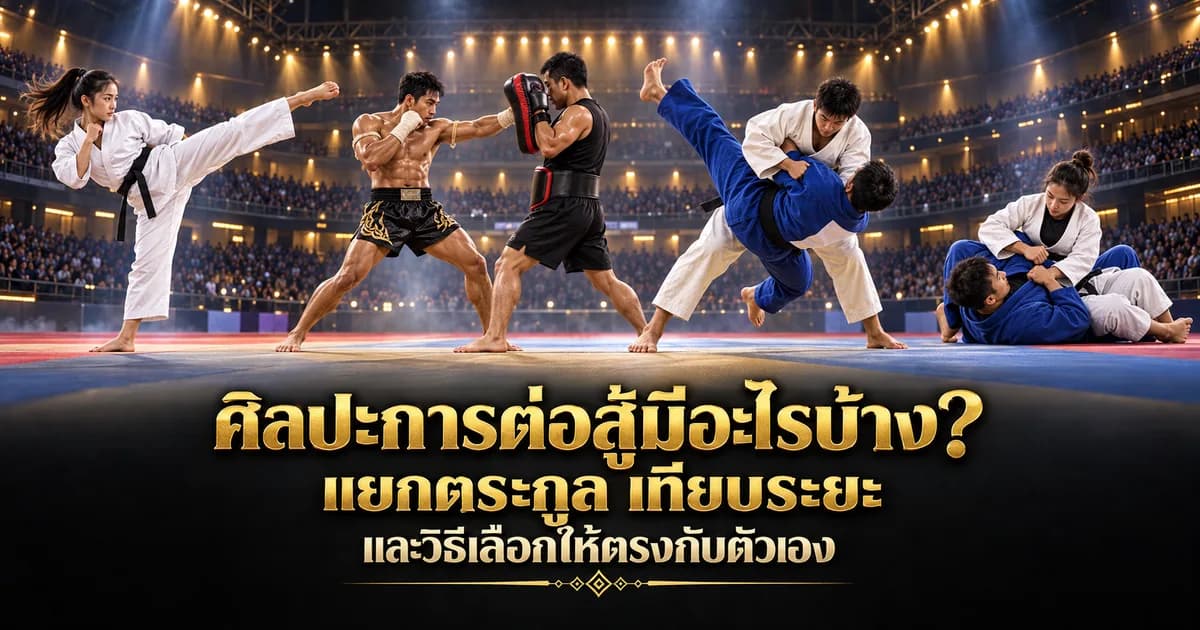
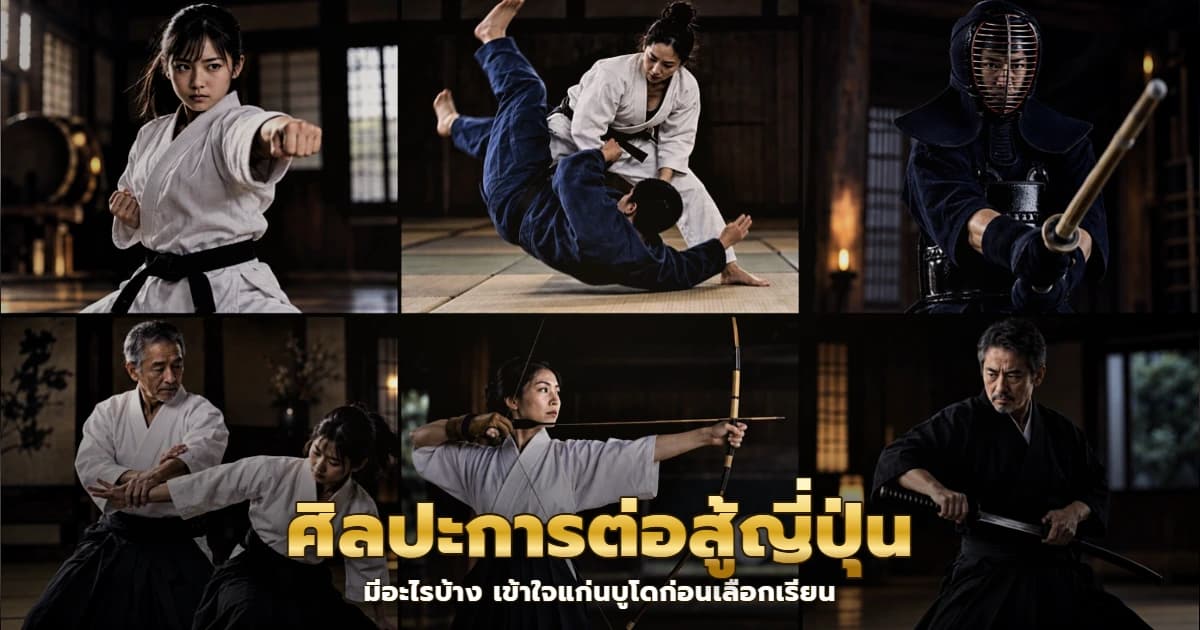
The Japanese martial arts fall broadly into two groups. Kobudo (古武道) are the classical arts of the samurai era before the Meiji period, trained for survival on the battlefield. Gendai budo (現代武道), the modern budo, are the nine disciplines grouped by the Japanese Budo Association: judo, kendo, kyudo, sumo, karatedo, aikido, shorinji kempo, naginata and jukendo. What lets all of them be called budo is the idea that mind, technique and body must grow together — not merely hitting hard or throwing well.
Key Takeaways
- Budo differs from sport in its origin: the word sport comes from a root meaning recreation, while budo grew from the arts of warriors for whom defeat meant death.
- Modern budo has nine disciplines grouped by the Japanese Budo Association, not just judo and karate.
- Japan made budo compulsory in lower secondary school from the 2012 school year, under the Ministry of Education.
- Aikido and Korean hapkido are written with the same Chinese characters, but they are different arts and different systems.
- The Shinkyokushin taught at IMAC Dojo is full-contact karate, not point-stop karate.
- IMAC Dojo's judo instructors hold judo black belts certified by the Judo Association of Thailand, one of them also certified by the Kodokan.
One question parents ask me constantly is what the Japanese martial arts are, and which one their child should learn. It sounds like a question you answer with a list — judo, karate, aikido — but a list misses the most important part: the idea that runs through all of them, which the Japanese call 武道 (budo). I have trained in both Chinese martial arts and karate, so I want to lay this out plainly and help you choose what actually fits you, not what happens to be popular.
In this article
From Jutsu to Do: Why Budo Is More Than Fighting
The biggest turning point in the Japanese martial arts was the move from 術 (jutsu — technique) to 道 (do — way). It sounds like a change of suffix, but it changed the whole purpose of training: from being good enough to survive a battlefield to refining yourself — character, endurance and judgement. The Japanese often sum this up as 心技体 (shin-gi-tai): mind, technique and body, developed together.
The example I like to give students is 残心 (zanshin), the state of remaining alert after an attack has landed. In kendo, if you strike cleanly and then celebrate excessively, the referees can cancel the point, because it shows a lapse of awareness and a lack of respect for the opponent. That one rule explains the difference between budo and sport better than a long essay. Controlling yourself in the second you win is a skill you train as much as any throw or kick.
Why This Matters Even If You Never Want to Compete
Many people think budo is only for those who want to compete. It is the other way round: discipline, endurance and staying composed under pressure are things office workers, children and older adults need every day. At IMAC Dojo we do not aim for everyone to compete; correct fundamentals and safety come first.
Kobudo: Roots on the Battlefield
Before the Meiji Restoration around 1868, every Japanese fighting art was what we now call 古武道 (kobudo) or 古流武術 (koryu bujutsu). These arts grew up in a world where losing meant dying, so their techniques were designed to end an enemy as quickly as possible, with no rules and no thought for the opponent's safety. Samurai were expected to know many arts; the main ones included these.
| Art | Japanese name | In brief |
|---|---|---|
| Swordsmanship | 剣術 (kenjutsu) | The katana; by the Edo period there were several hundred schools |
| Unarmed combat | 柔術 (jujutsu) | Throws, chokes and joint locks against armoured opponents; the root of judo |
| Spear | 槍術 (sojutsu) | A principal battlefield weapon |
| Stealth | 忍術 (ninjutsu) | Infiltration and intelligence gathering by the ninja |
After the Meiji government banned the carrying of swords (廃刀令, Haitorei) in 1876, these arts declined sharply, and the 大日本武徳会 (Dai Nippon Butoku Kai) was founded in 1895 to preserve them. Today the Nihon Kobudo Kyokai still looks after several dozen classical schools. Knowing these roots explains why karate and judo kata carry so much detail: they are distilled from real survival, not designed to look good.
Judo: From Jujutsu to Using Force Intelligently
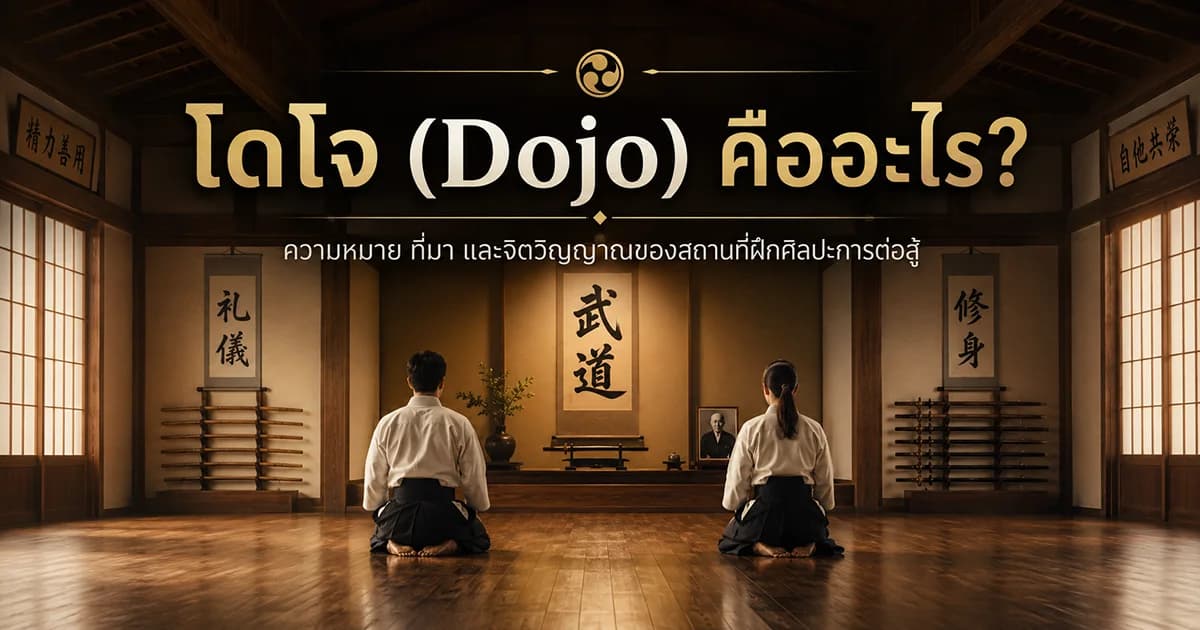
Judo (柔道) was founded in 1882 by 嘉納治五郎 (Kano Jigoro), who had trained in the jujutsu schools 天神真楊流 (Tenjin Shinyo-ryu) and 起倒流 (Kito-ryu). He removed the techniques that could kill, added a scientific understanding of body mechanics, and made the 講道館 (Kodokan) his centre. Judo's heart is not winning but 精力善用 (seiryoku zenyo — maximum efficiency in the use of energy) and 自他共栄 (jita kyoei — mutual welfare and benefit), seen most clearly in 崩し (kuzushi — breaking balance), which lets a smaller person throw a larger one by redirecting force rather than overpowering it.
IMAC Dojo's judo instructors hold judo black belts certified by the Judo Association of Thailand: Khru Puriwat (Ryu) at 2nd Dan and Khru Panyawat (Ken) at 1st Dan, the latter also certified by the Kodokan in Japan. What they see matches Kano's principle: the best judoka are not the strongest, but those who read timing and use the other person's force. Because the method could be taught systematically, judo spread worldwide and entered the Olympic Games in 1964. Our judo course accepts students from age 8, when children begin to understand breaking balance and falling safely.
Karatedo: From Okinawa to Many Schools
Karatedo (空手道 — the way of the empty hand) grew from Okinawa's native fighting arts combined with Chinese techniques that arrived through trade, reached mainland Japan in the early 20th century, and then divided into many styles according to each teacher's ideas. Japan does not have one karate. The Japan Karatedo Federation (JKF) counts style groups among its members, such as 剛柔会 (Goju-kai), 糸東会 (Shito-kai), 松濤館 (Shotokan), 和道会 (Wado-kai) and 錬武会 (Renbu-kai), each with its own technical and philosophical emphasis.
Shinkyokushin: The Full-Contact Style IMAC Dojo Teaches
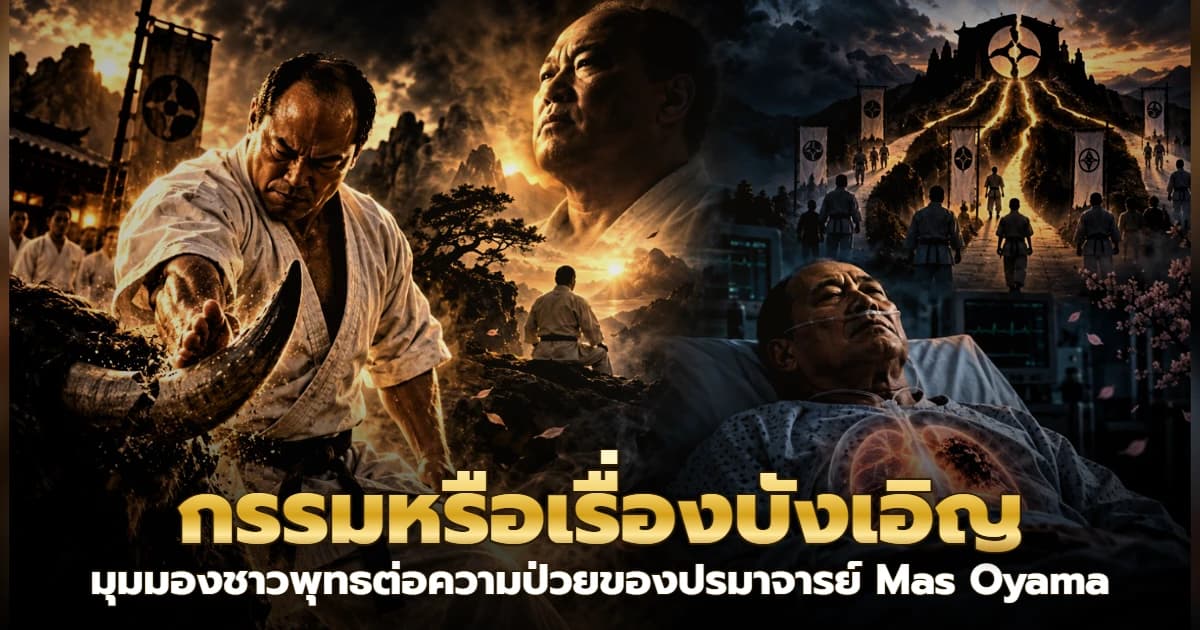
Shinkyokushin, or 新極真会 (Shinkyokushinkai), the main style at IMAC Dojo, descends from Kyokushin (極真会館), founded by Mas Oyama. Its defining feature is full-contact training and competition: punches and kicks land on target rather than stopping short for points (point stop). Parents should know this before choosing, because it means more intense training and stricter safety standards. Our Shinkyokushin Karate course accepts students aged 7 to 60.
To me the appeal of this style is its honesty. With no stopping short, students must genuinely learn to control the force they deliver rather than just perform shapes, and it builds a strong physical and mental foundation for ordinary people with no sporting background.
Aikido and Other Budo That Are Often Misunderstood
Aikido (合気道) is another modern budo often confused with judo, since both use the opponent's force. The key difference is that aikido has no win-or-lose competition; the aim is to blend with incoming force and control the situation without meeting it head on. Another common confusion is with Korean hapkido. The two are written with the same Chinese characters (合氣道), because both names mean the way of coordinated energy, but they are different arts with different systems and origins, and hapkido includes kicks, strikes and joint locks that aikido does not.
Besides judo, karatedo and aikido, modern budo includes six more disciplines: kendo (剣道 — the way of the sword), kyudo (弓道 — the way of the bow), sumo (相撲 — tied to Shinto ritual), shorinji kempo, naginata and jukendo. Each has its own philosophy; kyudo, for example, speaks of 真善美 (shin-zen-bi — truth, goodness, beauty), meaning a good shot is not judged only by whether it hits.
Budo in Japanese Schools, and the Lesson on Safety
Japan's Ministry of Education made budo compulsory in lower secondary school from the 2012 school year, so that every child would experience it. Making it compulsory came with much stricter attention to safety, because serious injuries in school judo had made headlines before, and education authorities issued guidance on supervising practice. The lesson for me is that even the country of origin keeps reviewing safety; it is never done once and finished.
The other lesson is that compulsion alone is not enough. If students do not feel that training means something in their real lives, it gets ignored even when it is on the curriculum. Anyone who teaches martial arts anywhere faces the same challenge.
At IMAC Dojo I take the opposite path to compulsion: making training accessible and meaningful in each person's daily life — a child who wants more discipline, an office worker stiff from sitting all day, or an older adult who wants to move more freely.
Conclusion
The question of what the Japanese martial arts are should not be answered with a list alone, but with an understanding of the budo idea that connects them. Judo teaches breaking balance and mutual benefit; Shinkyokushin karate teaches honesty through real contact; aikido teaches blending with force without meeting it head on. All share one aim: mind, technique and body growing together. To me, choosing the art that suits you matters more than chasing the reputation of any school. If you are looking for a correct and safe place to start, for yourself or your family, the instructors at IMAC Dojo are always glad to advise.
Sources and further reading
- 武道・ダンス必修化 — 文部科学省 (MEXT, Japan)OfficialAccessed 19 Sept 2026
- 日本武道館 — Nippon BudokanOfficialAccessed 19 Sept 2026
- 講道館 Kodokan Judo — KodokanPrimaryAccessed 19 Sept 2026
- 日本古武道協会 — Nihon Kobudo KyokaiPrimaryAccessed 19 Sept 2026
- 全日本空手道連盟 — Japan Karatedo FederationPrimaryAccessed 19 Sept 2026
- 全日本剣道連盟 — All Japan Kendo FederationPrimaryAccessed 19 Sept 2026
Frequently Asked Questions
How does budo differ from sport?
Budo grew from the arts of warriors for whom defeat meant death, so it trains character alongside technique, while the word sport comes from a root meaning recreation. Etiquette and self-control are stricter in budo: in kendo, for example, referees can cancel a point if the scorer celebrates excessively.
How many types of Japanese martial arts are there?
Counting the modern budo grouped by the Japanese Budo Association, there are nine: judo, kendo, kyudo, sumo, karatedo, aikido, shorinji kempo, naginata and jukendo. That does not include kobudo, where several dozen classical schools are still handed down.
How does judo differ from karate?
Judo emphasises throws, breaking balance and using the opponent's force; karatedo emphasises punches, kicks and control of distance. IMAC Dojo teaches Shinkyokushin karate, a full-contact style.
At what age should children start learning martial arts?
It depends on the art. IMAC Dojo's Shinkyokushin Karate course accepts ages 7 to 60, and the judo course accepts students from age 8, because throwing requires an understanding of breaking balance and falling safely first.
Are aikido and Korean Hapkido the same thing?
No. The two are written with the same Chinese characters (合氣道) but are different arts with different origins. Aikido is a Japanese budo with no win-or-lose competition; Korean hapkido includes kicks, strikes and joint locks.
Where is a good place to learn judo or karate in Bangkok?
Consider how much a school or dojo prioritises correct fundamental form and safety, not just whether the instructors are skilled in technique alone. Those interested can view details of the [Judo course](/en/courses/judo) and the [Shinkyokushin Karate course](/en/courses/shinkyokushin-karate-thailand), along with the class schedule, on the schedule and pricing page of IMAC Dojo.
Ready to start martial arts?
Message IMAC Dojo to ask which course fits your age, goals, and training background.
Ask on LINE Official