Judo and Jujitsu in Japan: From the Samurai Battlefield to the Olympic Games
From a samurai combat system built for survival, to the way of self-cultivation Jigoro Kano founded in 1882, to an Olympic sport in 1964 — and the safety reforms Japan had to make along the way.
By
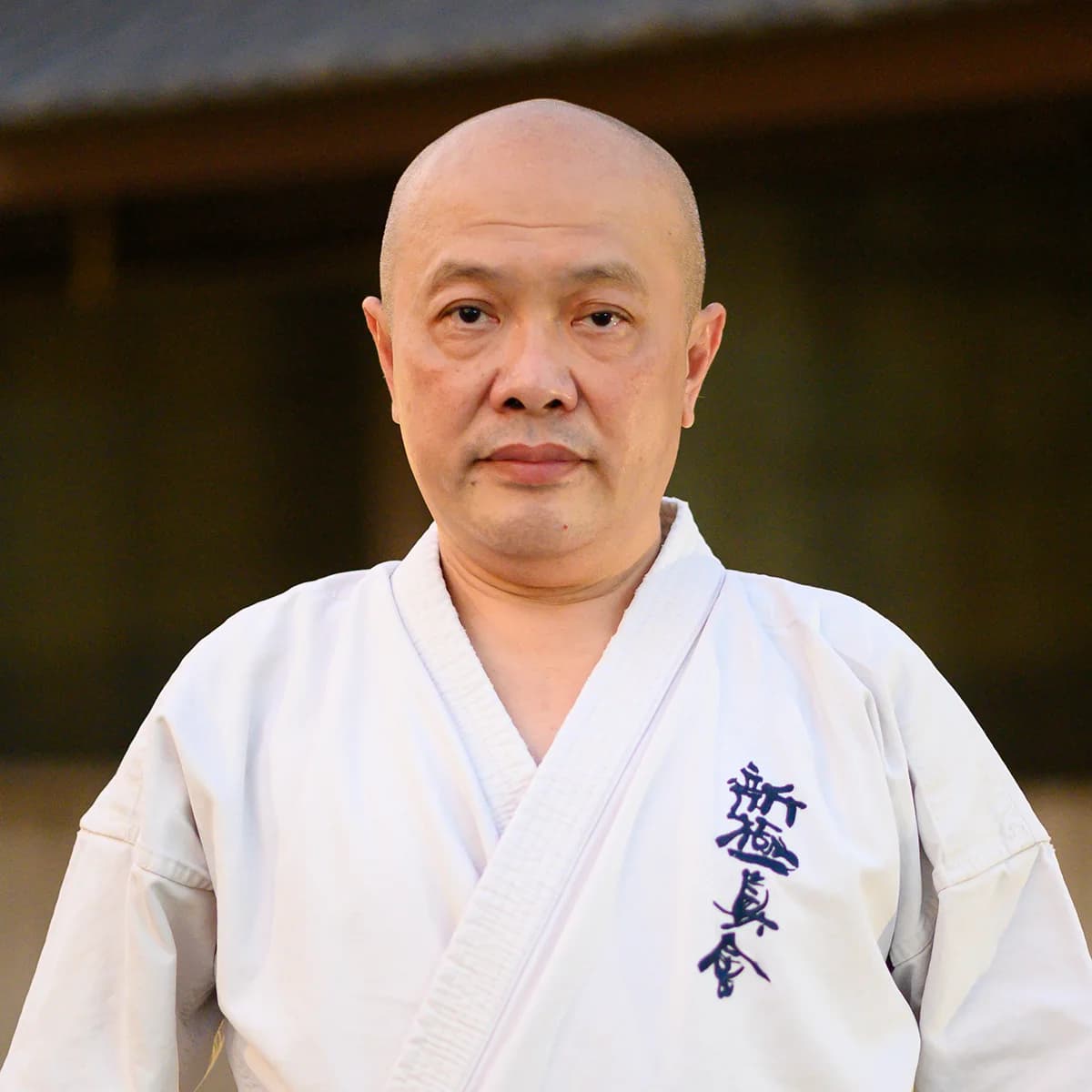 Thaninpong Supapitakpong (Phoenix)2nd Dan Shinkyokushin Karate · Founder and martial arts instructor, IMAC Dojo
Updated 5 Oct 2026
Reviewed by Ryu · Judo 2nd dan (Judo Association of Thailand) · SAT C-License jujitsu coach
- Author
- Thaninpong Supapitakpong (Phoenix)
- Published
- Last updated
- Reviewed by
- Ryu ·
- Sources
- 1
- Reading time
- 7 min
Short Answer
Ancient jujitsu (Koryu Jujutsu) emerged as a means of survival on the samurai battlefield, before Jigoro Kano reformed it into judo in 1882 and pushed it to become an Olympic sport in 1964. Brazilian Jiu-Jitsu grew out of Japanese judo through Maeda Mitsuyo.
Key Takeaways
- Ancient jujitsu was built to control and kill armoured enemies, not to be a sport.
- Jigoro Kano founded the Kodokan in 1882, turning jutsu, meaning technique, into do, meaning way.
- Judo was contested for Olympic medals for the first time at Tokyo 1964.
- Japan ended its nationwide elementary school judo championship in 2022 on safety grounds.
- Brazilian Jiu-Jitsu descends from Japanese judo through Maeda Mitsuyo and the Gracie family.
Nearly 20 years ago I took my four children to the Sports Authority of Thailand in Hua Mak, intending to enrol them in wushu. What we met instead was the history of judo, and a way of life that changed our family for good.
That day the instructor told us they only taught judo, even though the board outside the room listed six disciplines. As a marketer I did not care for that way of communicating. The children fell in love with it anyway, and today every one of them holds a judo black belt.
In this article
The roots of ancient jujitsu, from battlefield to training hall
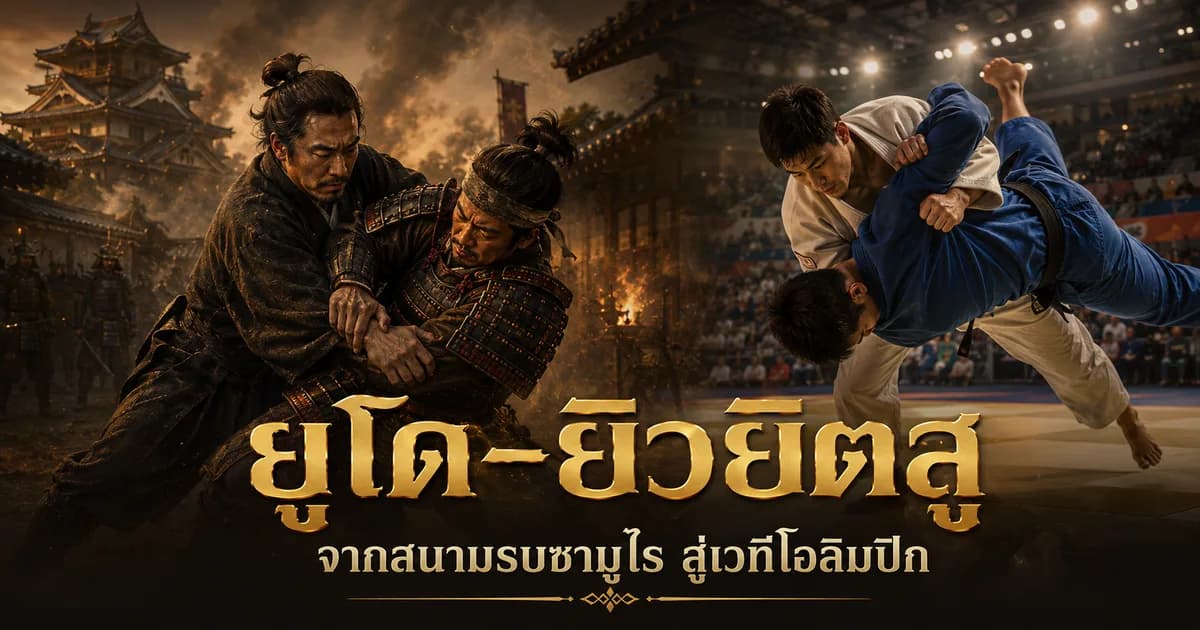
The history of Japanese jujitsu did not begin with entertainment or sport in the slightest. It was part of a comprehensive battlefield system developed from close-quarters fighting in full armour, known as katchu kumiuchi. Ordinary punching was close to useless against a heavily armoured opponent, so warriors threw their enemy to the ground, twisted and broke joints, and drove a dagger through the gaps in the armour.
The oldest school on record is Takenouchi-ryu, founded in 1532 by Takenouchi Hisamori, who set out a system of five unarmed arresting techniques and twenty-five techniques combined with the dagger.
When the long peace of the Edo period arrived, the need for armour fell away and jujitsu became suhada jujutsu, unarmed fighting in ordinary clothing. This is the point at which two important schools emerged: Kito-ryu, specialising in advanced and sacrifice throws, and Tenjin Shin'yo-ryu, which excelled at strangles, joint locks and striking the body's vulnerable points. These two became the direct technical foundation of modern judo.
Jigoro Kano and the evolution of judo in Japan
What is judo in the eyes of its founder? Not merely a combat sport, but a way, do, replacing the older technique for killing, jutsu. Jigoro Kano, a physically weak young man, trained in Tenjin Shin'yo-ryu before moving to Kito-ryu, saw both the value and the danger of the old systems, and founded the Kodokan in 1882 at Eishoji Temple on just 12 tatami mats.
He removed dangerous techniques such as strikes to vulnerable points and wrist locks from free practice, randori, preserving them in formal kata instead. That let practitioners exert themselves fully without risking their lives. The heart of judo comes down to two phrases: seiryoku zen'yo, the maximum efficient use of energy, and jita kyoei, mutual welfare and benefit. This matches what I have watched in my children's judo hall for two decades — children who respect their partners tend to go further than children who are skilled but arrogant. For the principles in more depth, read what judo is.
The turning point that won judo official acceptance was the 1886 contest against the Tokyo Metropolitan Police, when the Kodokan's top fighters, such as Yokoyama Sakujiro, decisively beat the old-school jujitsu side, though some bouts ran so long the judges had to call a draw. The result led the police to adopt judo as a required subject, and Kano, later principal of the Tokyo Higher Normal School, pushed for judo in secondary schools nationwide.
The difference between judo and jujitsu, and the birth of Brazilian Jiu-Jitsu
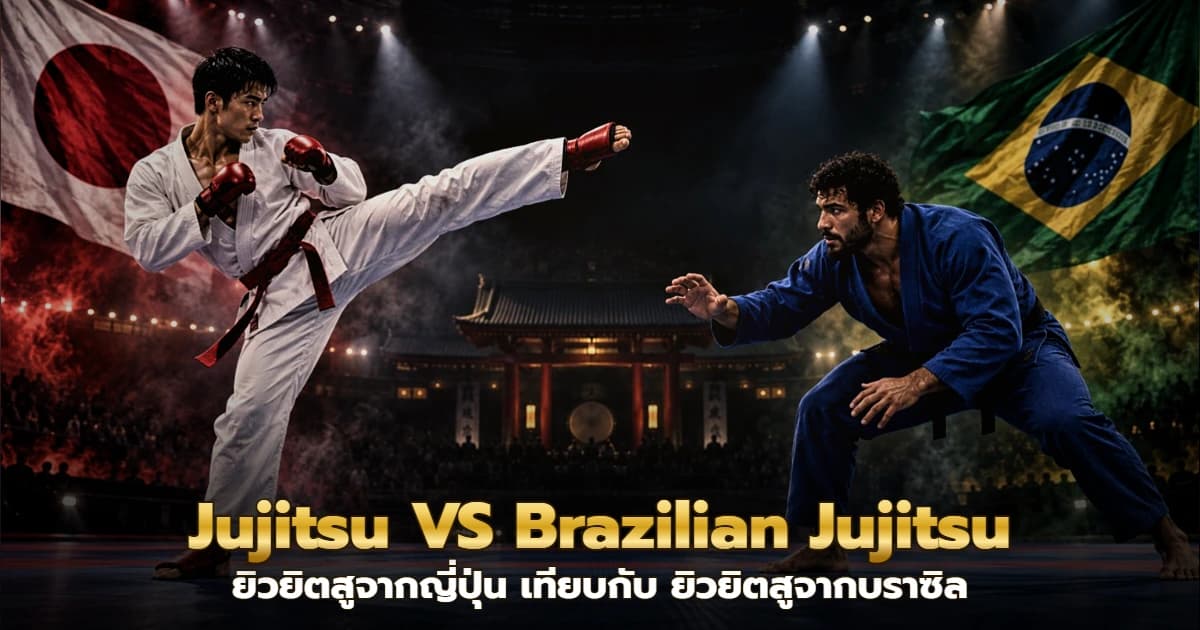
People often ask me how judo and jujitsu differ. Ancient jujitsu placed no limit on technique — throws, locks, strangles and strikes to vulnerable points were all included. Judo removed the dangerous techniques so that sparring could be done safely. The interesting part is that jujitsu never disappeared. It simply split into new lineages.
Maeda Mitsuyo, known as Conde Koma, emigrated to Brazil between 1914 and 1915 and passed ground technique, ne-waza, to Carlos Gracie. The Gracie family developed it further into Brazilian Jiu-Jitsu, with its complete ground game.
A note on the numbers: it is often repeated that Maeda fought more than 2,000 cross-style matches without losing. That figure comes from the promotional records of touring challenge shows and is hard to verify today, so it is better read as a story handed down than as a confirmed statistic.
Judo at the Olympics, and judo in Japan today
Kano was the first International Olympic Committee member from Asia, and judo was contested for gold for the first time at the Tokyo Olympics of 1964. Kaminaga Akio's defeat by Anton Geesink of the Netherlands in the open category became the moment that proved judo was no longer Japan's alone. Competition rules today sit with the International Judo Federation.
At home, though, judo faces a participation problem. Registered membership of the All Japan Judo Federation is widely reported to have fallen from roughly 200,000 in the mid-2000s to around 120,000. Those figures circulate across several outlets and are best treated as an indication of the trend rather than a directly verifiable official count. What is clearer is the direction: the number of young people practising judo in Japan keeps falling.
Injuries in judo training, and the reform Japan had to make
This is the issue I care about most as founder of IMAC Dojo. Research by Dr. Ryo Uchida and the National Association of Victims of Judo Accidents documented 114 school judo deaths in Japan between 1983 and 2010, most of them caused by acute subdural haemorrhage after a throw drove the head into the ground.
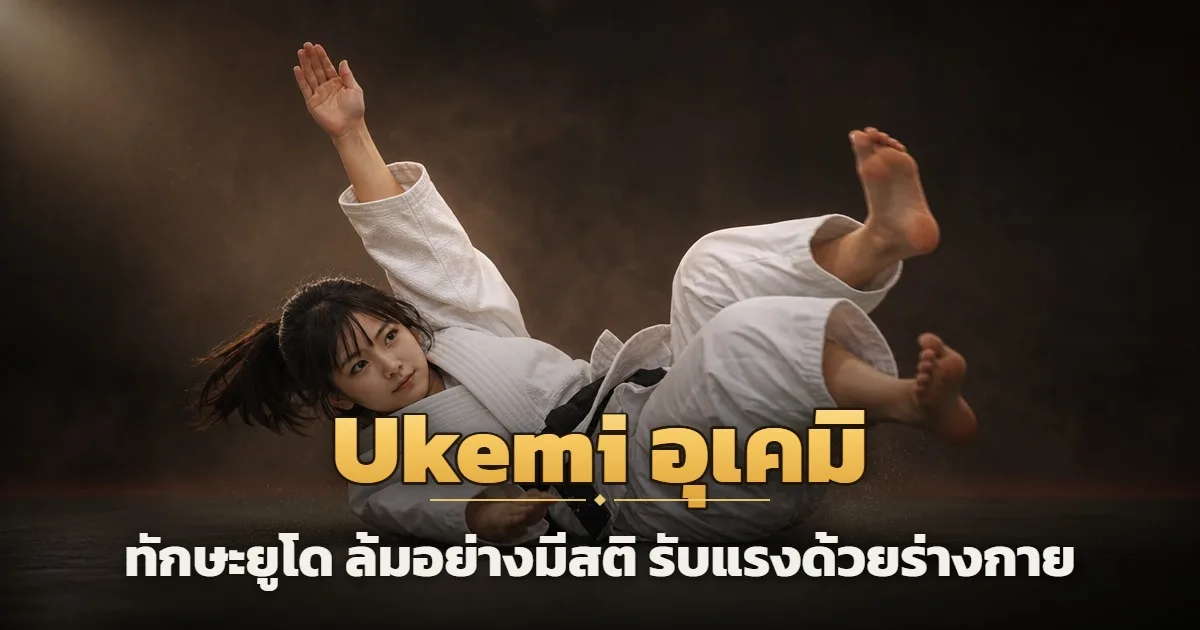
Those numbers pushed Japan's education ministry to require that beginners have solid breakfalls, ukemi, before taking advanced throws. For what the biomechanics can and cannot show, read ukemi and safe falling in judo, and for the school-safety context, read martial arts and school violence.
On 18 March 2022 the All Japan Judo Federation announced the end of the national elementary school judo championship, saying that an excessive focus on winning had led adults to push children beyond reasonable limits. When children compete, many parents slip into competing with each other, then pressure their children to win. This is what I repeat to every student: a black belt matters less than safety and mutual respect.
Ancient jujitsu, traditional Kodokan judo and modern sport judo compared
| Dimension | Ancient jujitsu | Traditional Kodokan judo | Modern sport judo |
|---|---|---|---|
| Goal | Battlefield survival | Physical education and self-cultivation | Victory under rules |
| Techniques | Unlimited, including strikes to vulnerable points | Dangerous techniques removed from randori | Strictly limited, leg grabs banned |
| Training | Kata specific to each school | Kata alongside randori | Sports science |
| Status today | Cultural heritage | A budo way of life | Olympic sport |
A living legacy: where ancient jujitsu survives today
The question that always follows is whether ancient jujitsu still exists. It does, in three different forms.
- As living koryu lineages. Takenouchi-ryu and other classical schools still transmit their kata in Japan as cultural heritage rather than as competitive sport.
- As preserved records. The Kodokan is said to hold an archive of some 120 Tenjin Shin'yo-ryu techniques so that the root system is not lost.
- As lineages that grew away. Brazilian Jiu-Jitsu took the ground game and developed it into its own system, while judo took the throwing and control system in another direction.
For a learner in Thailand, the most accessible of these is Kodokan-lineage judo, which still keeps kata and randori side by side. That is the judo we teach at IMAC Dojo; schedules and fees are on the judo class page.
Conclusion
From the samurai battlefield to the tatami of the Kodokan, on to the Olympic stage and even to a small training room in Hua Mak 20 years ago, the path judo and jujitsu travelled shows that the best martial art is not the most destructive one, but the one that adapts best to build people. Japan itself keeps reforming to hold the balance between excellence and safety, and that is the same principle I have held to in teaching at IMAC Dojo all along.
Read next: What Is Jujitsu? How It Differs From BJJ and Judo.
Sources and further reading
- Notice on the National Elementary School Grade-Level Judo Championship — All Japan Judo FederationOfficialAccessed 5 Oct 2026
Frequently Asked Questions
What is the difference between judo and jujitsu?
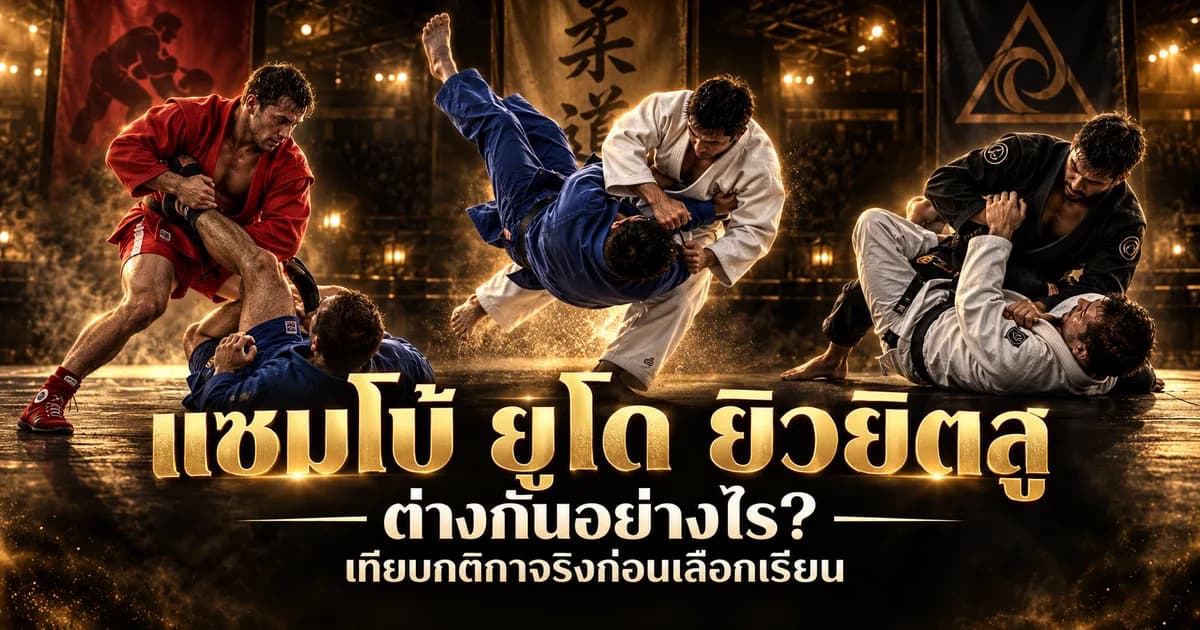
Ancient jujitsu placed no limit on technique: throws, locks, strangles and strikes to vulnerable points were all part of it. Judo is the system Jigoro Kano reformed in 1882, removing the techniques that were too dangerous for free sparring and preserving them in kata, so that practitioners could train at full effort safely.
How is Brazilian Jiu-Jitsu related to Japanese judo?
The line runs through Maeda Mitsuyo, a Japanese judoka who travelled to Brazil between 1914 and 1915 and taught ground technique to the Gracie family, who developed it into what became Brazilian Jiu-Jitsu.
How serious are injuries in judo training?
Research by Dr. Ryo Uchida and the National Association of Victims of Judo Accidents documented 114 school judo deaths in Japan between 1983 and 2010, most from acute subdural haemorrhage. Japan now requires beginners to have solid breakfalls before taking advanced throws.
When did judo become an Olympic sport?
Judo was contested for gold medals for the first time at the Tokyo Olympics in 1964. Jigoro Kano, the first International Olympic Committee member from Asia, had laid the groundwork for that long beforehand.
Ready to start martial arts?
Message IMAC Dojo to ask which course fits your age, goals, and training background.
Ask on LINE Official