Which Martial Art Should a Woman Start With? Choose by Situation, Not by Strength
A frequently searched question is which art women should learn. The answer that actually helps does not come from ranking arts by strength — it comes from the situation you worry about, your own body, and the time you can train.

By
 PattyMuaythai specialist and instructor
Updated 5 Oct 2026
- Author
- Patty
- Published
- Last updated
- Sources
- 2
- Reading time
- 6 min
Short Answer
No single art answers every situation. The practical way to choose is to start from the situation you worry about most. If you worry about someone closing in or grabbing your arm, Wing Chun is the easiest starting point because it uses structure and angles instead of strength. If you worry about being pulled or going to the ground, Judo teaches balance and falling safely. If you want distance, stance, discipline, and confidence, Karate answers that well. All three start from the same place: noticing sooner and being able to leave.
Key Takeaways
- Choose by the situation you worry about, not by which art is ranked strongest
- For close range and a grabbed arm, Wing Chun is the easiest starting point to understand
- For being pulled, losing balance, or falling, Judo teaches balance and safe falling first
- For stance, distance, discipline, and confidence, Karate gives a clear foundation
- No training guarantees 100% safety — the goal is noticing sooner and being able to leave
The question worth asking is not which art is strongest, but which situation actually worries you.
Search for what women should learn for self-defense and most of what comes back is a ranking of which art is strongest. It is entertaining and it cannot be used to decide anything, because no central competition measures every art under one set of rules, and because real self-defense does not end in winning.
This article answers differently. It starts from the situations people actually worry about, says where each art helps, states plainly what training cannot do, and does not pretend to replace an instructor.
In this article
What to start with, before any technique
Self-defense does not begin with technique. It begins with three things you can practise immediately with no background at all: noticing, keeping distance, and deciding to leave early.
The reason is simple. While distance remains and you are still aware, you have many options. Once someone has closed in, the options narrow sharply and everything depends on how fast you react.
- Noticing means reading your surroundings and the distance of people around you before anything happens
- Keeping distance means not letting a stranger come closer than necessary without moving
- Leaving means treating walking away as a good outcome, not as losing
No art owns these three, and any class that teaches self-defense honestly will start with them.
Choose by the situation, not by strength
Instead of asking which art is stronger, ask which situation worries you most, then choose the art that rehearses that situation most often.
- Worried about someone closing in, grabbing an arm, or blocking your path — Wing Chun trains close range, the centre line, and using the structure of the arms instead of meeting force with force
- Worried about being pulled, losing balance, or going to the ground — Judo trains balance, taking a pull or a push, and falling safely as a fundamental
- Want stance, distance, discipline, and confidence in movement — Karate gives a clear training structure with measurable progress
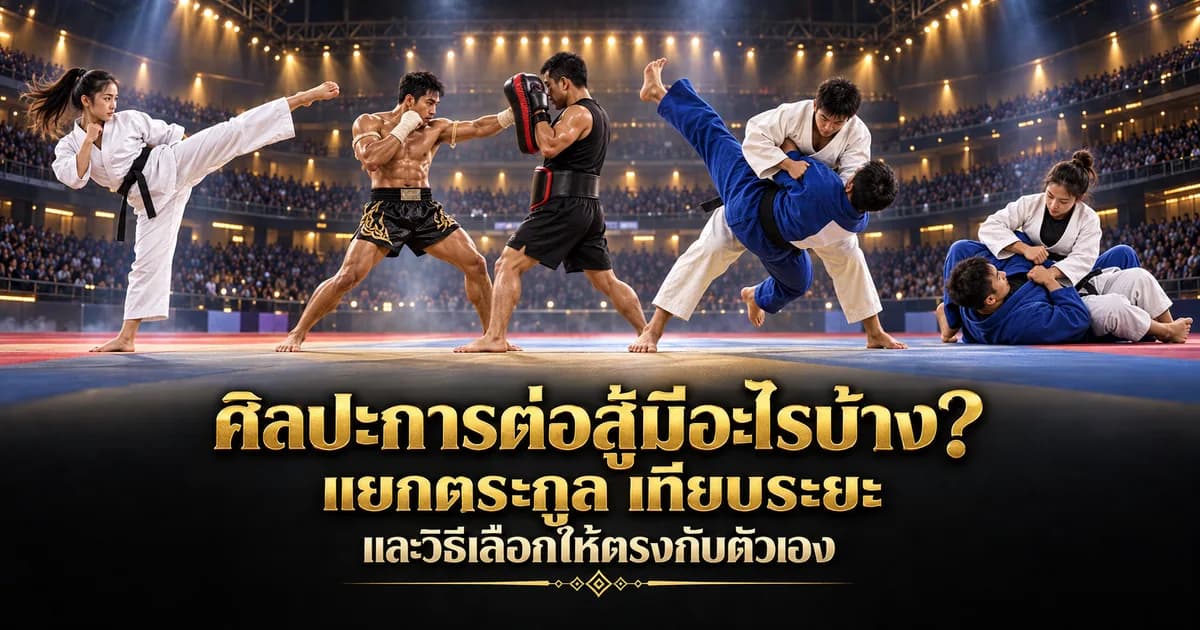
If you are unsure how the families differ, the comparison of martial arts by family sets out the split by range in more detail.
In practice, many students do not choose one art forever. They begin with what answers their immediate concern and fill in what is missing later.
What training can and cannot do
This is the part most articles skip. Self-defense training does not guarantee safety in every situation, and no art can. Differences in size, more than one person, weapons, and being caught unprepared are variables that training cannot erase.
What training genuinely changes is how fast you notice, how well you keep your head, how you hold balance when something is done to you, and the chance of leaving sooner. That is worth a great deal even though it is not a guarantee.
For the same reason this article does not teach step-by-step technique. Practising movements with nobody correcting your distance, timing, and balance tends to build confidence that does not match real ability, which is more dangerous than knowing nothing.
How to choose a class, and what to ask first
A group class suits consistency, the atmosphere of training, and working with people of different builds. A private class suits building a personal foundation, having a concern you would rather not raise in front of others, or working around a physical limit.
- Ask what a beginner does on the first day. If the answer is contact sparring straight away, think carefully
- Ask how the class handles safety — falling, controlling force, and stopping when someone has had enough
- Ask whether the instructor has taught complete beginners before, and how they adjust
- Notice what the class promises. A class that says it will definitely keep you safe is promising more than anyone can
If the close-range route interests you specifically, the article on Wing Chun for women explains the structural reasoning in more depth.
How you start at IMAC Dojo
At our dojo, beginners interested in self-defense start with safety and distance, then build towards the art that matches their goal, connecting the fundamentals of Wing Chun, Judo, and Karate.
Class details, times, and how to arrange a session are on the women's self-defense class page, which explains that it is a Private Class booked in advance.
Falling safely — a skill that is useful even when nobody is attacking you — is explained in the article on Judo ukemi.
What we do not do is guarantee outcomes, or claim our arts are superior to anyone else's. Neither would be true to how training actually works.
Sources and further reading
- Winnipeg Police Service: Personal safety — Winnipeg Police ServiceReferenceAccessed 9 Oct 2026
- Queensland Police Service: Personal safety — Queensland Police ServiceReferenceAccessed 9 Oct 2026
Frequently Asked Questions
Which martial art should a woman start with for self-defense?
It depends on the situation you worry about most. If you worry about someone closing in or grabbing your arm, Wing Chun is the easiest starting point because it uses structure and angles instead of strength. If you worry about being pulled or going to the ground, Judo teaches balance and falling safely. If you want stance, distance, discipline, and confidence, Karate answers that well. It is worth talking to an instructor about your goals before choosing.
Is there a strongest self-defense art for women?
No, and the question tends to lead in the wrong direction. There is no central competition measuring every art under one set of rules, and real self-defense does not end in winning — it ends in leaving. What matters far more than the name of the art is training consistently, the quality of the instructor, and whether it suits your body.
I have never exercised and I am not strong. Can I start?
Yes. Beginners do not need a background or existing strength. A class that teaches honestly begins with awareness, distance, balance, and basic movement rather than contact sparring on day one, and the instructor should adjust to your body and comfort level.
What should a girl start with?
For children, the class matters more than the choice of art: it should teach systematically, control safety, and build confidence without pressure. Judo and Karate have clear training structures and grading that help with discipline and continuity. Awareness and asking for help should always be taught alongside.
How long until self-defense actually works?
There is no number that can be given honestly, because it depends on how often you train, what you encounter, and what counts as working. What improves fastest is awareness and keeping distance, which show results early. Skills that need timing and balance under pressure take time and consistent practice.
Ready to start martial arts?
Message IMAC Dojo to ask which course fits your age, goals, and training background.
Ask on LINE Official