
IMAC Dojo Judo Curriculum · Level 5
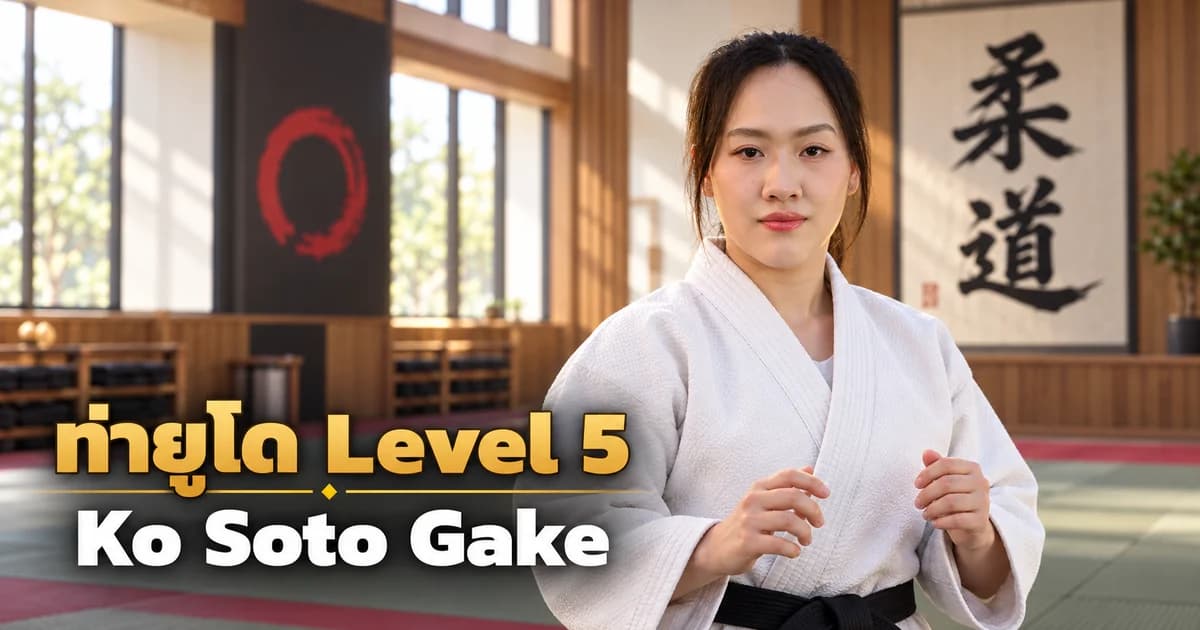
Judo Level 5: Ko Soto Gake — Read the outside hooking action
Ko Soto Gake combines backward imbalance with an outside leg hook. Its name resembles Ko Soto Gari, but leg function differs; watch beyond one contact frame.
Compiled by Phoenix — Co-founder of IMAC Dojo
 Thaninpong Supapitakpong (Phoenix)Co-founder of IMAC Dojo
Updated 29 Sept 2026
- Author
- Thaninpong Supapitakpong (Phoenix)
- Published
- Last updated
- Sources
- 1
- Reading time
- 2 min
Short Answer
Ko Soto Gake combines backward imbalance with an outside leg hook. Its name resembles Ko Soto Gari, but leg function differs; watch beyond one contact frame.
Key Takeaways
- Identify outside hooking contact.
- Follow continued leg contact after entry.
- Compare upper-body direction with the thrower’s base.
Follow the foot after contact to see how the hook continues working. This helps distinguish gake from gari.
In this article
What the name tells us
小外掛, ko-soto-gake, is a foot technique. Soto means outside and gake suggests hooking.
How the technique works
Kodokan describes backward imbalance, an outside hook and lifting the body into the throw. Read the hook alongside hands and torso rather than as a static obstruction.
Ko-soto-gake emphasizes hooking from outside and lifting uke's body in Kodokan's description. The entry can resemble ko-soto-gari, but the hook maintains a leg-to-body relationship rather than simply reaping through the base.
What to watch in the clips
- Identify outside hooking contact.
- Follow continued leg contact after entry.
- Compare upper-body direction with the thrower’s base.
A distinction worth noticing
Ko Soto Gari emphasizes reaping, Ko Soto Gake hooking. The difference is more than a spelling change, and twisting a knee is not a way to demonstrate it.
Overlapping legs during the fall can obscure gake versus gari. Rewind before the fall and inspect upper-body movement. A single final image has limited value for naming the technique.
Taking the lesson back to practice
Have an instructor check distance and both partners’ knee alignment before movement. Stop if twisting is felt; do not reach into a hook that destroys your own base.
The Level here refers to the IMAC Dojo curriculum. Use the article and clips to prepare questions and review them with your instructor. Practical training needs a suitable partner, space and controlled conditions.
Ask how the hooking leg relates to tori's standing base and whether uke has already been unbalanced backwards. Catching a leg while losing your own support is a separate problem, not evidence of readiness for speed.
Connect this with your next lesson
Ko Soto Gake — Video lesson 1
An IMAC Dojo clip accompanying Ko Soto Gake. Use the observations and distinctions in this article to guide your viewing.
Video published
Sources and further reading
- 小外掛 — 講道館 柔道 技名称一覧 — 講道館ReferenceAccessed 29 Sept 2026
Frequently Asked Questions
How does gake differ from gari?
Compare continued hooking contact with reaping, in relation to whole-body movement.
Does the shared outside approach make them identical?
No. Kodokan names them separately; examine what the leg does after entry.
Should I keep watching after foot contact?
Yes. The following moment reveals the hook’s role as the bodies continue moving.
Ready to start martial arts?
Message IMAC Dojo to ask which course fits your age, goals, and training background.
Ask on LINE OfficialRelated Articles
Related Topics and Courses
Judo Thailand