
IMAC Dojo Judo Curriculum · Level 4
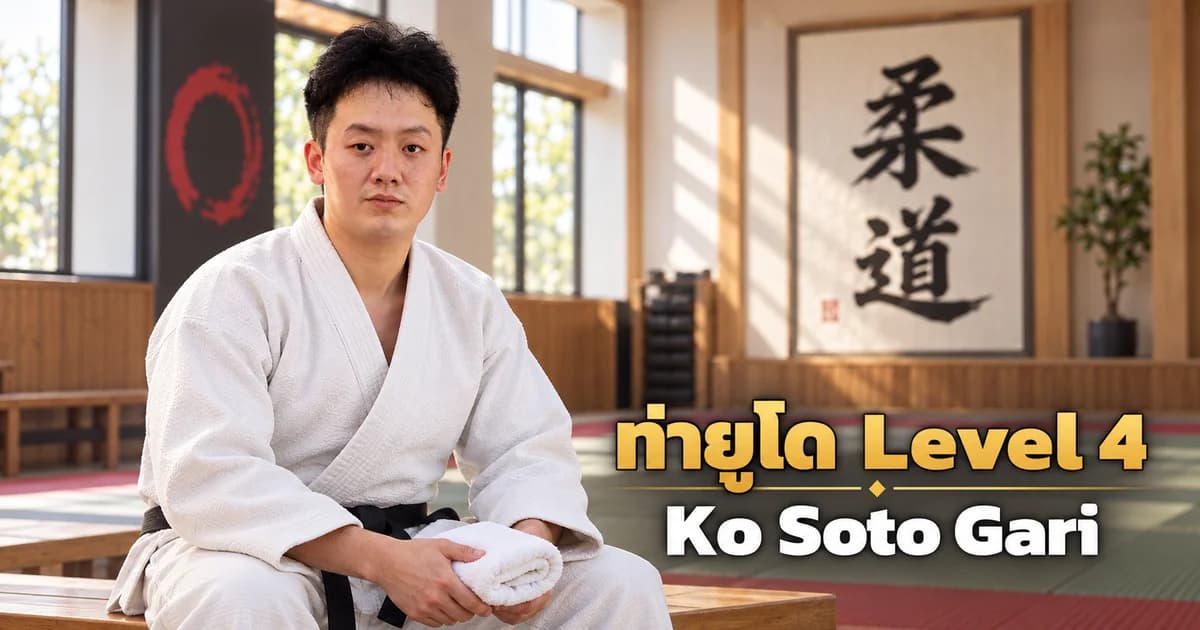
Judo Level 4: Ko Soto Gari — Match the outside reap to the loss of balance
Ko Soto Gari reaps from outside after backward imbalance. Timing and direction matter; minor in the name is not a force prescription.
Compiled by Phoenix — Co-founder of IMAC Dojo
 Thaninpong Supapitakpong (Phoenix)Co-founder of IMAC Dojo
Updated 29 Sept 2026
- Author
- Thaninpong Supapitakpong (Phoenix)
- Published
- Last updated
- Sources
- 1
- Reading time
- 2 min
Short Answer
Ko Soto Gari reaps from outside after backward imbalance. Timing and direction matter; minor in the name is not a force prescription.
Key Takeaways
- Identify the outside of the leg where the foot works.
- Watch backward upper-body movement before and during the reap.
- Distinguish the reaping foot from the thrower’s supporting leg.
Start with the partner’s shoulders, then follow the foot to connect upper-body movement with the reap.
In this article
What the name tells us
小外刈, ko-soto-gari, is a foot technique. Ko means minor, soto outside and gari reaping.
How the technique works
Kodokan describes backward imbalance and an outside reap. Observe the targeted leg’s weight-bearing role at that moment and whether the hands continue body control through the finish.
Ko-soto-gari acts on uke's leg from outside while taking the torso off balance backwards. Small does not simply mean gentle or low effort; identify which leg is removed from the base and where the torso moves.
What to watch in the clips
- Identify the outside of the leg where the foot works.
- Watch backward upper-body movement before and during the reap.
- Distinguish the reaping foot from the thrower’s supporting leg.
A distinction worth noticing
Ko Soto Gake uses a hooking action, while Ko Soto Gari emphasizes reaping. Shared outside entry does not make their names interchangeable.
Ko-soto-gake approaches from a similar outside position, but its definition emphasizes hooking and lifting the body rather than reaping. The final fall can look similar, so rewind to leg contact and the preceding torso movement.
Taking the lesson back to practice
Have an instructor check distance before adding movement. Avoid reaching so far that your own base is lost. If you need to kick the ankle, revisit the direction of imbalance.
The Level here refers to the IMAC Dojo curriculum. Use the article and clips to prepare questions and review them with your instructor. Practical training needs a suitable partner, space and controlled conditions.
If a camera angle hides the feet, identify upper-body imbalance and ask your instructor about the hidden contact. Do not label every low outside hook identically. Review should establish the distinction before adding speed.
Connect this with your next lesson
Ko Soto Gari — Video lesson 1
An IMAC Dojo clip accompanying Ko Soto Gari. Use the observations and distinctions in this article to guide your viewing.
Video published
Sources and further reading
- 小外刈 — 講道館 柔道 技名称一覧 — 講道館ReferenceAccessed 29 Sept 2026
Frequently Asked Questions
Does ko always mean using little force?
No. It is part of the technique name, not a force measurement. Focus on timing and control.
How does it differ from Ko Soto Gake?
Look at reaping versus hooking rather than deciding from the outside approach alone.
Why watch the upper body first?
Backward imbalance explains when the reap works; the foot should not be studied in isolation.
Ready to start martial arts?
Message IMAC Dojo to ask which course fits your age, goals, and training background.
Ask on LINE OfficialRelated Articles
Related Topics and Courses
Judo Thailand