
IMAC Dojo Judo Curriculum · Level 4
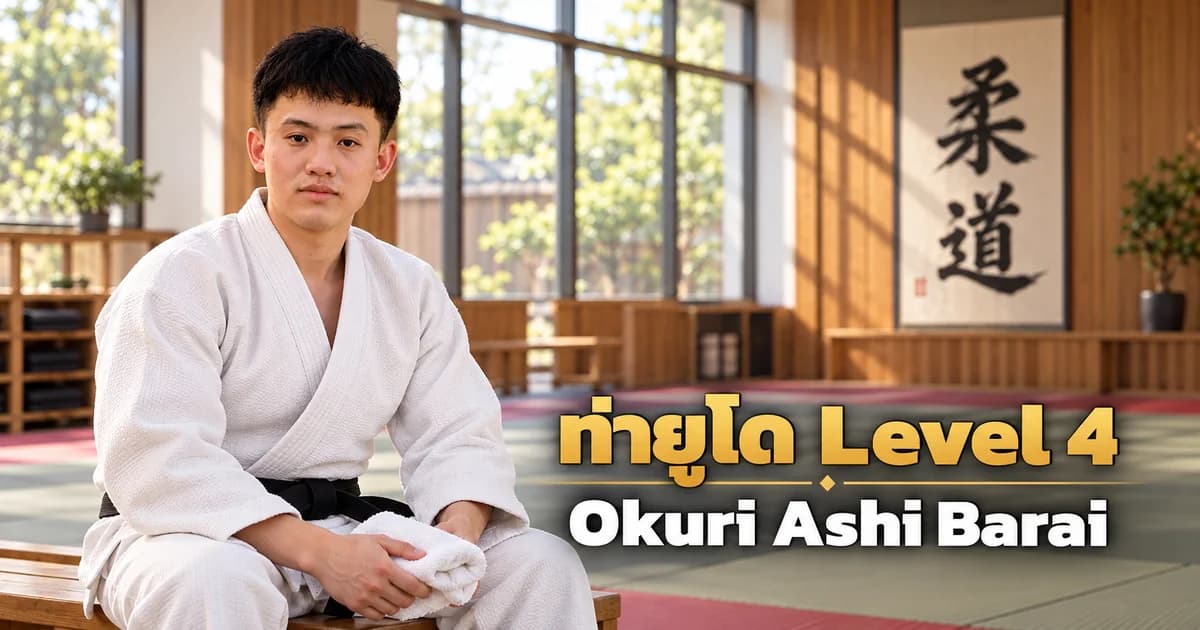
Judo Level 4: Okuri Ashi Barai — Follow the moment both feet travel together
Okuri Ashi Barai sweeps the feet together as the partner is guided sideways. Stepping rhythm and hands matter as much as the sweeping foot.
Compiled by Phoenix — Co-founder of IMAC Dojo
 Thaninpong Supapitakpong (Phoenix)Co-founder of IMAC Dojo
Updated 29 Sept 2026
- Author
- Thaninpong Supapitakpong (Phoenix)
- Published
- Last updated
- Sources
- 2
- Reading time
- 2 min
Short Answer
Okuri Ashi Barai sweeps the feet together as the partner is guided sideways. Stepping rhythm and hands matter as much as the sweeping foot.
Key Takeaways
- Watch the feet approaching each other during sideways movement.
- Follow upper-body guidance alongside the sweep.
- Compare the two-foot movement with De Ashi Barai.
Watch the whole sideways movement before pausing at the feet. The technique connects to walking rather than waiting for a settled stance and kicking.
In this article
What the name tells us
送足払 is read okuri-ashi-harai; the article retains Barai from the clip collection. Okuri suggests sending the feet onward.
How the technique works
Kodokan describes guiding the partner sideways and sweeping the feet together. The hands continue directing the upper body as the foot works; stopping the whole movement first can lose the relevant timing.
Okuri-ashi-barai guides uke's feet towards each other rather than sweeping two separate feet in succession. Read sideways movement and the hands together with the feet. A frozen airborne image does not reveal the preceding change of support.
What to watch in the clips
- Watch the feet approaching each other during sideways movement.
- Follow upper-body guidance alongside the sweep.
- Compare the two-foot movement with De Ashi Barai.
A distinction worth noticing
De Ashi Barai focuses on an advancing foot; here observe how the feet are sent together. Similar names should not obscure different timing cues.
Compare whether a clip emphasizes an advancing foot, as in de-ashi-barai, or bringing the two-foot base together. This helps read the technique names without claiming that each sweep can arise from only one movement direction.
Taking the lesson back to practice
Begin with a slow walking pattern set by the instructor, without sweeping, then connect it under control. If you chase the feet with kicks, revisit the stepping rhythm.
The Level here refers to the IMAC Dojo curriculum. Use the article and clips to prepare questions and review them with your instructor. Practical training needs a suitable partner, space and controlled conditions.
Mukai's nage-no-kata notes emphasize continuous movement in okuri-ashi-barai. In the dojo clip, ask whether guiding the partner and sweeping are interrupted by a pause. Discuss the coordination rather than adding speed to conceal a disconnected sequence.
Connect this with your next lesson
Okuri Ashi Barai — Video lesson 1
An IMAC Dojo clip accompanying Okuri Ashi Barai. Use the observations and distinctions in this article to guide your viewing.
Video published
Sources and further reading
- 送足払 — 講道館 柔道 技名称一覧 — 講道館ReferenceAccessed 29 Sept 2026
- 投の形 留意点 — 向井幹博 — 東京都柔道連盟(講道館図書資料部資料)ReferenceAccessed 29 Sept 2026
Frequently Asked Questions
How does it differ from De Ashi Barai?
Observe both feet being swept together in Okuri, rather than only the advancing foot in De Ashi.
Should I wait until the feet are stationary together?
Do not separate the technique from movement. Have an instructor identify the appropriate moment in the step.
Do Barai and Harai mean different techniques here?
No separate article is created: the clip collection spelling is checked against 送足払.
Ready to start martial arts?
Message IMAC Dojo to ask which course fits your age, goals, and training background.
Ask on LINE OfficialRelated Articles
Related Topics and Courses
Judo Thailand