
IMAC Dojo Judo Curriculum · Level 1
Judo Level 1: Koshi Guruma — Turn over the hip without twisting the neck
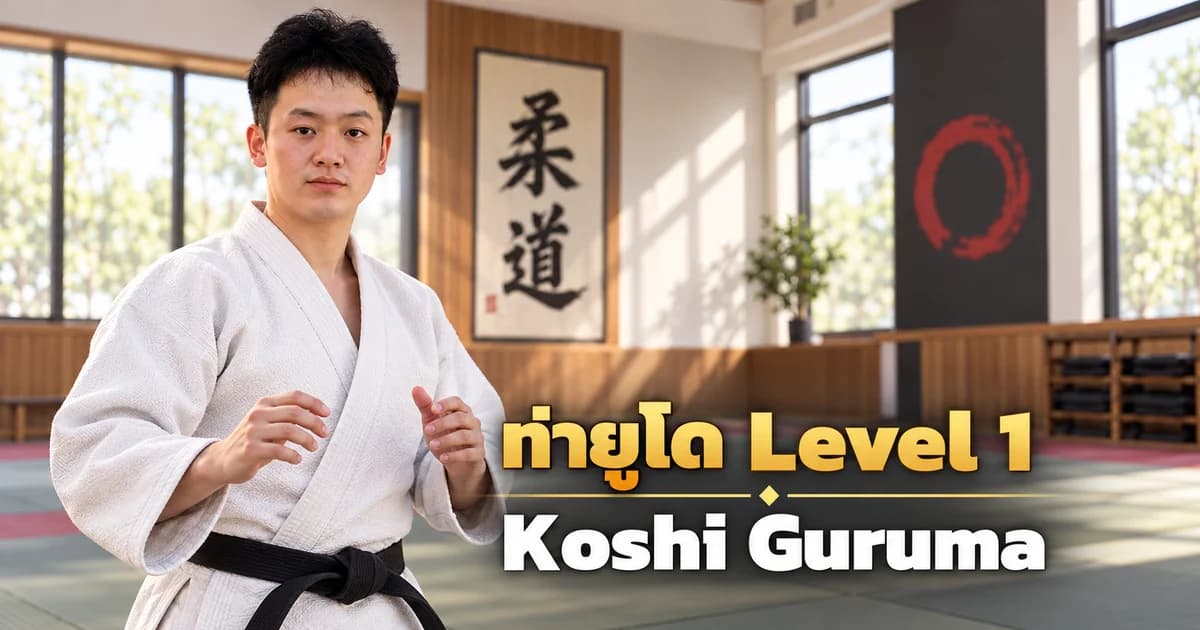
Koshi Guruma turns a partner over the hip with one arm around the neck area and the other controlling an arm. Forward imbalance precedes rotation, so observe the whole body rather than the wrapping arm alone.
Compiled by Phoenix — Co-founder of IMAC Dojo
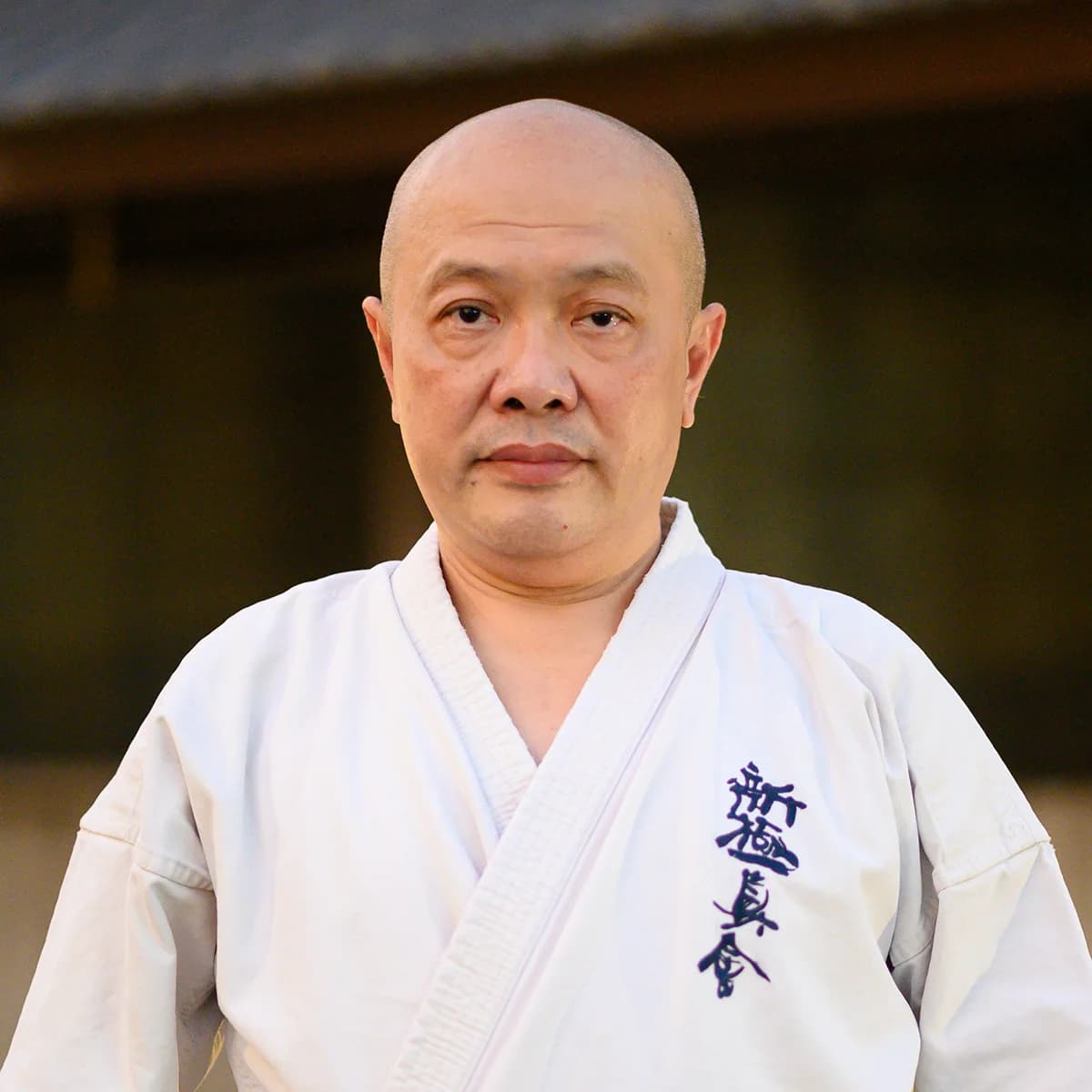 Thaninpong Supapitakpong (Phoenix)Co-founder of IMAC Dojo
Updated 29 Sept 2026
- Author
- Thaninpong Supapitakpong (Phoenix)
- Published
- Last updated
- Sources
- 1
- Reading time
- 3 min
Short Answer
Koshi Guruma turns a partner over the hip with one arm around the neck area and the other controlling an arm. Forward imbalance precedes rotation, so observe the whole body rather than the wrapping arm alone.
Key Takeaways
- Check that the hip becomes the turning axis before the partner rotates.
- Follow the sleeve-control hand through the turn.
- Watch whether the head and torso travel together rather than twist in opposing directions.
The wheel in the name suggests rotation, but the neck is not the axle. Follow the hip and the partner’s body direction together.
In this article
What the name tells us
腰車, koshi-guruma, is a hip technique. Koshi means hip and guruma means wheel, describing the partner’s rotation over the hip.
How the technique works
Kodokan describes forward imbalance, an arm around the neck and a deep hip entry as the axis. The wrapping arm coordinates positioning with the sleeve-control hand; it should not twist the neck to drag the body after it.
The wheel in the name suggests rotation, but the useful question is where its axis lies. Kodokan describes a deep hip entry, with the hip acting as the axis and an arm around uke's neck area. Watch both uke's upper body and waist. Reading the action as an arm dragging the head down misses the role of the hip.
What to watch in the clips
- Check that the hip becomes the turning axis before the partner rotates.
- Follow the sleeve-control hand through the turn.
- Watch whether the head and torso travel together rather than twist in opposing directions.
A distinction worth noticing
O Goshi passes the arm under the armpit around the back. Arm placement distinguishes the two, but a distant hip leaving only a pull on the head is not an example to copy.
Both koshi-guruma and o-goshi are hip techniques, but the wrapping arm differs. O-goshi reaches beneath the armpit around the waist; koshi-guruma wraps around the neck area. This helps identify the technique in a clip, but is not a reason to twist the neck harder when the hip entry is insufficient. Upper-body control must travel with the body's rotation.
Taking the lesson back to practice
Have an instructor arrange arm distance and hip position before slow practice. Stop immediately if the partner feels neck twisting; do not compensate for a missed hip entry by squeezing harder.
The Level here refers to the IMAC Dojo curriculum. Use the article and clips to prepare questions and review them with your instructor. Practical training needs a suitable partner, space and controlled conditions.
Ask whether uke is already unbalanced before rotating across the hip, and how the two waists relate at that point. Have your instructor check uke's neck comfort together with support at the finish. A fast-looking demonstration cannot establish that your own wrapping position or distance is appropriate.
Connect this with your next lesson
Koshi Guruma — Video lesson 1
An IMAC Dojo clip accompanying Koshi Guruma. Use the observations and distinctions in this article to guide your viewing.
Video published
Sources and further reading
- 腰車 — 講道館 柔道 技名称一覧 — 講道館ReferenceAccessed 29 Sept 2026
Frequently Asked Questions
How does Koshi Guruma differ from O Goshi?
Koshi Guruma wraps around the neck area and uses the hip as an axis; O Goshi wraps the back from under the armpit. Check both arm position and hip entry.
Should I pull the neck to start?
Do not initiate through neck twisting. Ask an instructor to connect arm control, imbalance and entry.
What should I watch besides the arm?
Track the hip axis, the partner’s torso direction and sleeve control through the finish.
Ready to start martial arts?
Message IMAC Dojo to ask which course fits your age, goals, and training background.
Ask on LINE OfficialRelated Articles
Related Topics and Courses
Judo Thailand