
Advancing in Muay Thai — enter distance with a clear lead and angle
Reaching a position is only part of the task. Identify the lead, body orientation and readiness for the next skill.

Compiled by Phoenix — Co-founder of IMAC Dojo
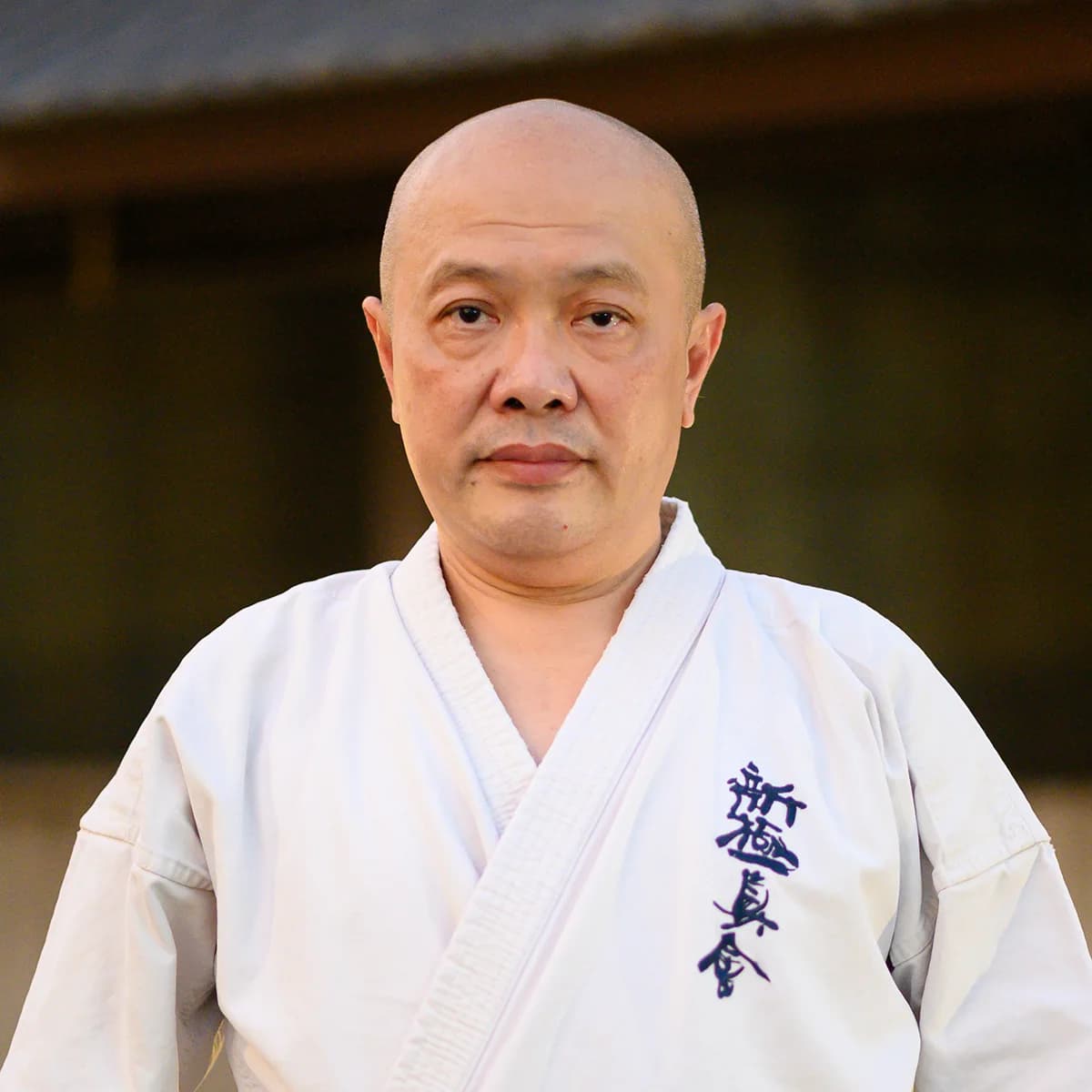 Thaninpong Supapitakpong (Phoenix)Co-founder of IMAC Dojo
Updated 30 Sept 2026
Assigned content reviewer: Patty
- Author
- Thaninpong Supapitakpong (Phoenix)
- Published
- Last updated
- Sources
- 1
- Reading time
- 4 min
Short Answer
This collection pairs practice and demonstration clips for alternating advances, diagonal steps and crossing turns. Separate closing distance from changing angle, then check whether the lead, hands and body orientation coordinate with the finishing foot base.
Key Takeaways
- Basic and alternating advances involve different foot-order tasks.
- Compare the new position in a diagonal step with the starting line.
- Read the transition in a crossing turn, not just its finish.
- Have an instructor check the entry before combining it with a strike.
Beginners often focus on reaching a partner. Reaching them and arriving ready for the next skill are different questions. If the feet arrive before the torso is oriented, another adjustment may be needed. This article reads three advancing forms through lead side, angle and finishing position rather than stride length alone.
In this article
Identify whether the lead stays or changes
The Department of Physical Education manual describes a basic advance with the front foot moving first and the rear following while preserving foot spacing. Alternating advance is a separate form that changes the front and rear sides and coordinates the hands. Begin with the exercise label instead of judging every form by one sequence.
The pair labeled alternating advance therefore invites observation of how the lead changes. When the former rear foot comes forward, do the hands and torso adjust with it? Counting steps alone does not establish coordination.
Read the distance gained alongside the finish
Closing distance is only one part of advancing. Inspect the finishing base, whether the momentum demands a corrective step, and whether the hands remain where intended. These questions help an instructor distinguish stride-length, timing and alignment issues.
A solo clip does not always supply a partner as a distance reference. Do not treat the demonstrator's stride as a fixed measurement for yourself. When adding a punch, kick, knee or elbow, ask an instructor to define the entry task because each weapon group changes the relationship to the target.
A diagonal step changes position and chest orientation
A diagonal step adds lateral relocation to closing distance. The manual distinguishes angled movement from straight advancing, helping separate where you arrive from which way you face. One fixed angle need not apply to everyone.
Find a visual reference in the starting point or floor, then follow the chest and feet together. Use other camera views when available if the change in direction is unclear. A front view alone may make a diagonal step look like swaying in place.
Read a crossing turn as a continuous sequence
The label names stepping, crossing and turning, but does not explain every phase. Watch the demonstration from before the start through recovery. Observe when the feet begin relocating, when the torso turns and how the hands follow.
Do not judge this form solely by conclusions drawn from straight stepping. Crossing belongs to this specifically named exercise and needs contextual instructor review. If the transition is unclear, revisit it slowly before adding another skill.
Use six clips as three pairs
The three pairs cover crossing turns, diagonal steps and alternating advances, each with demonstration and practice. Use one demonstration for the overall movement, then its matching practice clip. Switching randomly can blend partial sequences from different pairs.
After each pair, summarize the start and finish, then identify what changes between them. If the description is only 'step forward,' return to the lead side and torso direction. Clear observations make questions to the instructor more specific.
Find visible issues before adding speed
Look for an overlong step followed by pulling back, a rear foot that fails to coordinate with the torso, an unintended hand-position change, or a turn that needs another adjustment. These are prompts for instructor review of actual motion, not fixed positions to diagnose from one frame.
Agree on direction and timing before partner work. Fast stepping does not establish suitable distance control. Begin with one task, such as preserving the finish or making the lead change clear, and let the instructor add complexity according to demonstrated ability.
Return to the course for review
Read about Muaythai Anywhere and Khru Patty, the assigned content reviewer. Dance and ceremony are covered in the Wai Kru Muay Thai course.
Crossing step and turn — practice
Compare lead side and torso direction before and after moving, then observe coordination between hands and foot base.
Video published
Crossing step and turn — demonstration
Compare lead side and torso direction before and after moving, then observe coordination between hands and foot base.
Video published
Diagonal advance — practice
Compare lead side and torso direction before and after moving, then observe coordination between hands and foot base.
Video published
Diagonal advance — demonstration
Compare lead side and torso direction before and after moving, then observe coordination between hands and foot base.
Video published
Alternating advance — practice
Compare lead side and torso direction before and after moving, then observe coordination between hands and foot base.
Video published
Alternating advance — demonstration
Compare lead side and torso direction before and after moving, then observe coordination between hands and foot base.
Video published
Sources and further reading
- Muaythai Palasueksa Style: advancing, retreating, alternating steps and angles, printed pages 70–77 — Department of Physical Education, Institute of Muay Thai ArtReferenceAccessed 29 Sept 2026
Frequently Asked Questions
How does alternating advance differ from a basic advance?
The manual separates a front-foot-first basic advance with the rear following from alternating advance that changes the lead and coordinates the hands. Identify the exercise before judging its foot order.
Must every diagonal step use the same angle?
One angle should not judge every task. Consider the start, finish, body orientation and instructor-defined distance. This article treats angle as a relationship rather than a fixed number.
Why does this collection include a crossing step?
It is a specifically named stepping-and-turning form. Review the complete sequence in its own context instead of replacing it with straight-step principles.
Can I immediately add a punch after watching?
The clips support movement review. Adding a weapon introduces distance, target and timing tasks, which an instructor should define before partner practice.
Should I watch all six clips in a row?
Begin with one matching pair: demonstration, then practice. Compare another form after identifying its lead and finish.
Ready to start martial arts?
Message IMAC Dojo to ask which course fits your age, goals, and training background.
Ask on LINE OfficialRelated Articles



Related Topics and Courses
Muaythai