
Muay Thai evasion — lateral steps, pivots and Yang Sam Khum
Moving sideways and changing body orientation are different questions. Read feet and angles across three demonstration/practice pairs for lateral evasion, pivots and Yang Sam Khum.

Compiled by Phoenix — Co-founder of IMAC Dojo
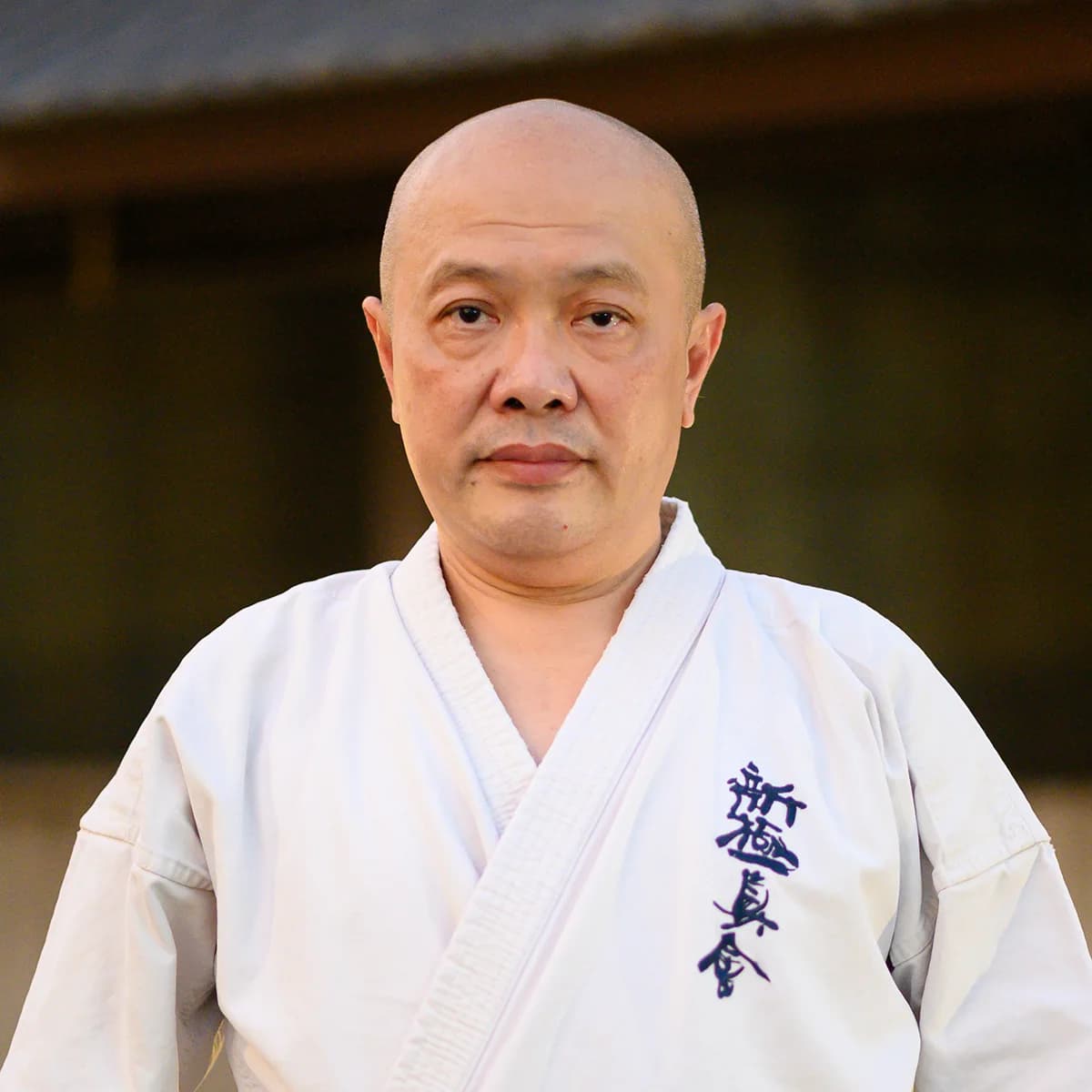 Thaninpong Supapitakpong (Phoenix)Co-founder of IMAC Dojo
Updated 30 Sept 2026
Assigned content reviewer: Patty
- Author
- Thaninpong Supapitakpong (Phoenix)
- Published
- Last updated
- Sources
- 1
- Reading time
- 3 min
Short Answer
This group has three tasks: moving laterally, changing angle through a pivot and using Yang Sam Khum. The DPE manual relates position and lead changes to balance. Ask where the body finishes and which way it faces, not only whether feet move or how many steps occur.
Key Takeaways
- Separate the destination from the direction faced.
- Read left/right from the demonstrator rather than the screen.
- Yang Sam Khum here belongs to evasion skills, not a ceremonial sequence article.
- Each of three topics has demonstration and practice.
When a demonstrator moves sideways, we may call everything evasion. Yet some movements change location while retaining direction, and others also change orientation. Asking those questions separately clarifies lateral movement and pivots.
Printed pages 76–83 of Muaythai Palasueksa Style cover angles, lateral movement and Yang Sam Khum. These clips form three pairs. Position and orientation guide review without prescribing a fixed angle from a technique name.
In this article
Lateral evasion: identify the new position first
The manual separates left/right travel from circular movement. Read the new standing point relative to the starting line. A sideways step does not establish that every instance circles or turns the whole body identically.
Observe the first moving foot, the following foot and their finishing spacing. If a view reverses or changes, screen left must not remain your substitute for the demonstrator's left.
Pivoting adds the question of body orientation
Angle needs a reference line. The manual relates it to an incoming opponent, so read location and facing direction. The word pivot alone does not prescribe identical degrees of rotation in every lesson.
Ask an instructor which part supports the body as direction changes and how the finish prepares the next task. Turning so quickly that a corrective step is needed does not explain the same principle as a controlled angle change.
Yang Sam Khum: changing stance orientation while retaining balance
The manual explains walking positions and changes of lead with an emphasis on avoiding loss of balance. The name helps organize foot positions, but counting alone misses how hands and trunk follow the lead.
This entry uses Yang Sam Khum for evasion. A Wai Kru article with the same name concerns ceremony and sequence. Cultural explanation is not evidence that every evasion movement is ceremonial, or vice versa.
Hands and base must remain connected to the task
As foot position changes, keep the hands and trunk in view. Copying the feet while the upper body faces elsewhere may lose readiness. If the lead changes, lead hand can refer to a different side from the start.
Review whether the step is too large to preserve spacing or whether attention stops at foot contact without reading support in between. Ask an instructor to check the difficult moment in a slow, clear task before speed increases.
Evasion does not always mean retreating or lowering
Retreat primarily changes distance from the original line; lowering changes level. This article emphasizes lateral position and angle. Real movement can combine them, but separate questions identify what you are observing.
Compare starting and finishing positions rather than one middle frame where many movements show bent knees. A bent knee alone does not turn Yang Sam Khum into ducking or a straight knee strike.
Choose three pairs by the question
The first pair is Yang Sam Khum, the second pivoting and the third lateral movement. Each has demonstration and practice. Start with the demonstration for the selected topic, then its matching practice, rather than mixing pairs because every title says evasion.
Record when location, orientation or lead changes. If feet are obscured, preserve that limitation and take the timestamp to an instructor instead of inventing hidden foot placement.
Return to the course for review
Read about Muaythai Anywhere and Khru Patty, the assigned content reviewer. Dance and ceremony are covered in the Wai Kru Muay Thai course.
Yang Sam Khum evasion — practice
Yang Sam Khum evasion — practice from Muaythai Anywhere. Compare foot position and body orientation before and after evasion, distinct from ceremonial use of Yang Sam Khum.
Video published
Yang Sam Khum evasion — demonstration
Yang Sam Khum evasion — demonstration from Muaythai Anywhere. Compare foot position and body orientation before and after evasion, distinct from ceremonial use of Yang Sam Khum.
Video published
Pivoting evasion — practice
Pivoting evasion — practice from Muaythai Anywhere. Compare foot position and body orientation before and after evasion, distinct from ceremonial use of Yang Sam Khum.
Video published
Pivoting evasion — demonstration
Pivoting evasion — demonstration from Muaythai Anywhere. Compare foot position and body orientation before and after evasion, distinct from ceremonial use of Yang Sam Khum.
Video published
Lateral evasion — practice
Lateral evasion — practice from Muaythai Anywhere. Compare foot position and body orientation before and after evasion, distinct from ceremonial use of Yang Sam Khum.
Video published
Lateral evasion — demonstration
Lateral evasion — demonstration from Muaythai Anywhere. Compare foot position and body orientation before and after evasion, distinct from ceremonial use of Yang Sam Khum.
Video published
Sources and further reading
- Muaythai Palasueksa Style: angles, lateral movement and Yang Sam Khum, printed pages 76–83 — Department of Physical Education, Institute of Muay Thai ArtReferenceAccessed 29 Sept 2026
Frequently Asked Questions
Are lateral evasion and pivoting identical?
Separate moving the standing point from changing body orientation. They can relate, but do not answer the same question.
How many degrees must a pivot turn?
The name alone does not set an angle for every lesson. Read the initial line and instructor's task.
Is Yang Sam Khum here a Wai Kru sequence?
These entries are evasion skills, read through position and support. Ceremonial use of the same name has its own context and article.
How do the six clips pair up?
Yang Sam Khum, pivoting and lateral movement each have demonstration/practice pairs. Match the same topic.
Ready to start martial arts?
Message IMAC Dojo to ask which course fits your age, goals, and training background.
Ask on LINE OfficialRelated Articles



Related Topics and Courses
Muaythai