
Muay Thai evasion — separate level, distance and angle before choosing defence
Evasion is more than moving the head. Eight clips distinguish level, angle and distance changes while keeping the return to readiness in view.

Compiled by Phoenix — Co-founder of IMAC Dojo
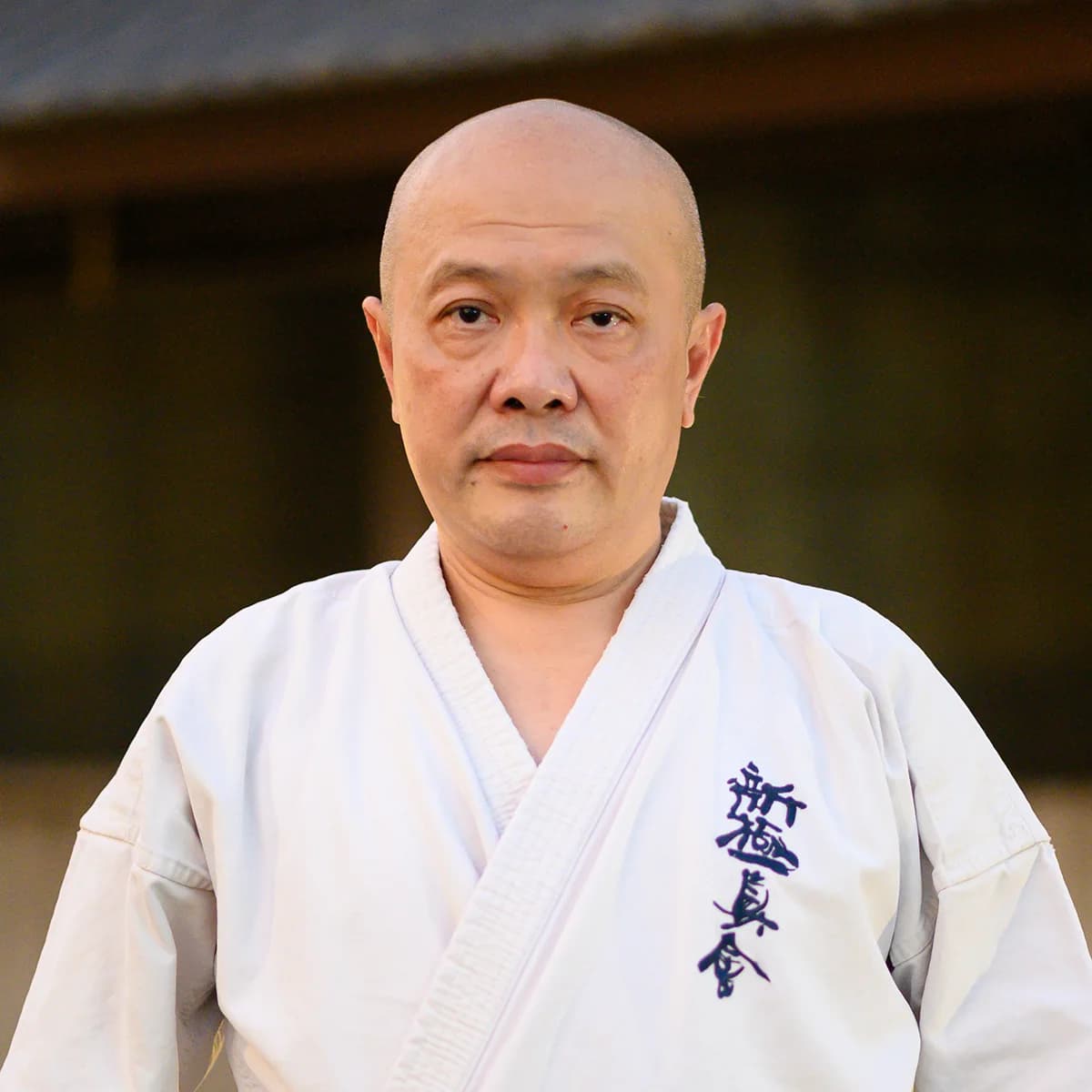 Thaninpong Supapitakpong (Phoenix)Co-founder of IMAC Dojo
Updated 30 Sept 2026
Assigned content reviewer: Patty
- Author
- Thaninpong Supapitakpong (Phoenix)
- Published
- Last updated
- Sources
- 1
- Reading time
- 4 min
Short Answer
Evasions change the relationship with an incoming line in different ways. Ducking lowers level; angled retreat changes position and orientation; jumping includes a period off the floor, making restored support important. This article organizes eight clips, using the DPE manual for base and angles and actual viewed samples for ducking and jumping.
Key Takeaways
- Ducking in the sample lowers the body; it is not lying prone.
- Angled retreat is more than stepping straight backwards.
- Watch restored support after a jump, not only flight.
- Both original angled-retreat demonstration URLs are preserved.
Evasion names can appear to describe only different poses. Watching the base reveals different tasks: changing level, changing angle or transferring support. Selection is not a contest for the fastest-looking or most spectacular action.
Printed pages 68–77 of Muaythai Palasueksa Style discuss balanced movement and angle changes. This article applies those principles to Muaythai Anywhere entries without claiming the manual uses every video subtype label identically.
In this article
Ducking: lower the level while reading support
Around ten seconds in the ducking demonstration, sampled views show bent knees and hips lowering the body, hands near the face and feet still supporting on the floor. Ducking here does not mean lying down.
Continue by watching how lowering starts from readiness and how hands and feet relate as the body rises. Do not make one frame's depth a requirement for everyone; ask an instructor to assess it for the learner's task.
Jumping: restored support matters as much as flight
Around nine seconds in the jumping demonstration, both feet are visibly off the floor; around ten seconds support is restored. Hands remain raised in the viewed sample. This is a solo demonstration, so no absent attacking weapon is inferred.
Ask about preparation, jump and return to base rather than judging height or jumping higher to copy a picture. Partner application needs an instructor's distance and timing; a solo example does not establish an answer to every weapon.
Angled retreat: compare the new angle with the original line
The manual describes angle movement through position and orientation relative to an incoming opponent. Read the starting line and finishing position, not merely step count. Straight retreat can increase distance without explaining the whole angle change.
Two demonstration URLs belong to this group. Keep both and compare what is visible, without calling the second advanced because of its number. Follow instruction for the stepping details of that particular drill.
Leaning and general defence require separate questions
The leaning entry directs questions towards trunk and base; weapon defence has a broader title. Do not assume it contains only leaning or that every defence moves the whole body away by the same method.
Identify striker and defender before interpreting details. If a clip or camera view does not show a partner, limit observations to visible movement rather than inventing the absent attacker's distance or speed.
Do not stop observing at the moment of evasion
Leaving an initial position is only part of the action. Continue to ask whether the base is ready, what the hands do and where the body faces. The manual's balance principle connects these questions to the whole body.
Do not substitute neck-only ducking, flinging the trunk or faster jumping because the final pose resembles a sample. If moving and supporting parts are unclear, slow the viewing and ask an instructor about that moment instead of testing against harder attacks.
Eight clips are not all matching practice pairs
Ducking and jumping each have demonstration/practice pairs, totalling four clips. Angled retreat has two demonstrations. The remaining entries are leaning evasion and general weapon defence. Do not rename the second retreat demonstration as practice to make the list symmetrical.
Choose whether the question concerns level, angle or support, then select the matching player. Identifying title and role first prevents ducking guidance from being applied wholesale to jumping or angled retreat.
Return to the course for review
Read about Muaythai Anywhere and Khru Patty, the assigned content reviewer. Dance and ceremony are covered in the Wai Kru Muay Thai course.
Jumping evasion — practice
Jumping evasion — practice from Muaythai Anywhere. Distinguish changes of level, distance and angle by topic, reading support and recovery alongside them.
Video published
Jumping evasion — demonstration
Jumping evasion — demonstration from Muaythai Anywhere. Distinguish changes of level, distance and angle by topic, reading support and recovery alongside them.
Video published
Angled-retreat evasion — demonstration
Angled-retreat evasion — demonstration from Muaythai Anywhere. Distinguish changes of level, distance and angle by topic, reading support and recovery alongside them.
Video published
Angled-retreat evasion — demonstration 2
Angled-retreat evasion — demonstration 2 from Muaythai Anywhere. Distinguish changes of level, distance and angle by topic, reading support and recovery alongside them.
Video published
Ducking evasion — practice
Ducking evasion — practice from Muaythai Anywhere. Distinguish changes of level, distance and angle by topic, reading support and recovery alongside them.
Video published
Ducking evasion — demonstration
Ducking evasion — demonstration from Muaythai Anywhere. Distinguish changes of level, distance and angle by topic, reading support and recovery alongside them.
Video published
Leaning evasion
Leaning evasion from Muaythai Anywhere. Distinguish changes of level, distance and angle by topic, reading support and recovery alongside them.
Video published
Weapon defence
Weapon defence from Muaythai Anywhere. Distinguish changes of level, distance and angle by topic, reading support and recovery alongside them.
Video published
Sources and further reading
- Muaythai Palasueksa Style: movement and angled retreat, printed pages 68–77 — Department of Physical Education, Institute of Muay Thai ArtReferenceAccessed 29 Sept 2026
Frequently Asked Questions
Does ducking here mean lying down?
The demonstration sample around ten seconds lowers through knees and hips while the feet remain on the floor; it is not prone movement.
Does a higher jump mean better evasion?
Height is not the only criterion. Read timing, base and restored support for the instructor's task, without assuming a universal answer to attacks.
How does angled retreat differ from straight retreat?
Read position and angle relative to the original line; straight retreat emphasizes distance. Step count alone is insufficient.
Why are there two retreat demonstrations?
The source provides distinct URLs. Both are retained without guessing that one is practice or advanced.
How are the eight clips divided?
Ducking and jumping each have demonstration/practice pairs, angled retreat has two demonstrations, and leaning and general defence have one each.
Ready to start martial arts?
Message IMAC Dojo to ask which course fits your age, goals, and training background.
Ask on LINE OfficialRelated Articles



Related Topics and Courses
Muaythai