
Slipping and diagonal evasion in Muay Thai — read the body and foot base together
An upper-body movement may depend on the feet beneath it. Separate what the head, shoulders and feet do before deciding that you have copied the movement.

Compiled by Phoenix — Co-founder of IMAC Dojo
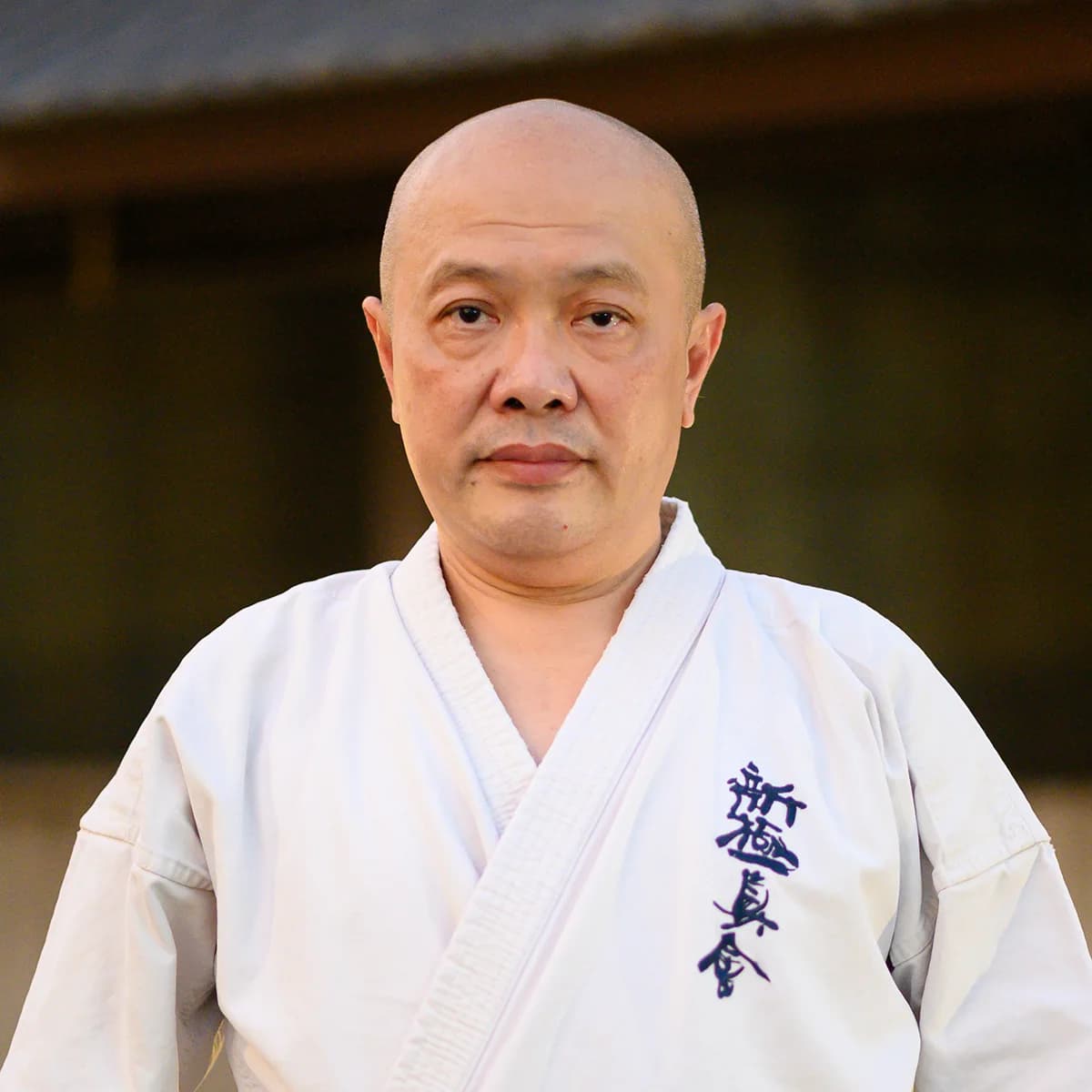 Thaninpong Supapitakpong (Phoenix)Co-founder of IMAC Dojo
Updated 30 Sept 2026
Assigned content reviewer: Patty
- Author
- Thaninpong Supapitakpong (Phoenix)
- Published
- Last updated
- Sources
- 1
- Reading time
- 4 min
Short Answer
This collection separates left and right slips from left and right diagonal evasion, with practice and demonstration clips for each. Review head and shoulder alignment, foot position, guard and recovery to stance together, rather than judging a single leaning position.
Key Takeaways
- Read left and right from the demonstrator's perspective and compare your lead side.
- Distinguish a change in body alignment from a change in foot position.
- Understand one demonstration, then use the matching practice clip.
- Review distance and the incoming line with an instructor before partner work.
From the front, we may notice a head moving sideways without seeing whether the shoulders turn or the feet move too. That small gap in observation can turn practice into copying a sway without understanding the line being changed. This article separates the parts of slipping and diagonal evasion before bringing the whole movement back together.
In this article
Two groups of names, two observation tasks
The course CSV groups right and left slipping separately from diagonal evasion to the right and left. The right-slip watch page uses the English title Right Slip; the diagonal-right page uses Diagonal Side-Step to the Right. This article retains those course groups so that readers can select the intended lesson.
The scope of the Thai terms may vary between teaching approaches. Start with the course label and its demonstration. The Department of Physical Education reference supports stance and movement foundations; it does not establish that its definitions match both course terms in every detail.
Use the feet as a reference for reading the body
Muaythai Palasueksa Style introduces stance through the relationship between feet, hands and torso before discussing movement. For these clips, the useful lesson is to keep the upper body connected to its supporting base. Pause before a movement and identify the lead foot, body orientation and hand position relative to the face.
Then compare the middle and end of the movement. If the head changes line while the feet stay near their starting positions, investigate body arrangement and weight transfer. If the feet relocate, examine their new spacing and direction too. These separate questions help an instructor identify where the learner's form changes.
Follow the head, shoulders and hands during a slip
A sampled frame around 14 seconds into the right-slip demonstration shows a change in torso alignment with the hands still raised near the face. Several camera views allow comparison. This is an observation prompt about the upper body and feet, not proof from one frame that a timing choice suits every attack.
Watch once for the head, again for shoulders and hips, and a third time for the hand nearer the partner. Focusing only on the head may hide a change in guard or stance. Ask an instructor to check the appropriate movement range in your own execution.
Diagonal evasion: compare direction and finishing position
The word diagonal invites a question about where you finish relative to where you began. Floor lines can provide a visual reference without requiring everyone to use the same angle or distance: the stance and distance task may differ.
When comparing right and left clips, avoid unconsciously mirroring the screen. Identify the demonstrator's side first, then compare their lead side with yours. Examine the starting position and recovery as well as the most visibly tilted position.
Organize eight clips into four pairs
There are four labels: diagonal right, diagonal left, right slip and left slip. Each has a demonstration and a practice clip. Begin with one demonstration for the overall shape, then open the practice clip carrying the same name. Staying with one pair reduces accidental changes of task when switching sides.
After each pair, ask whether the starting positions match, what moves first, and whether the finishing stance permits the next movement. A solo clip does not show every opponent-distance situation. Take questions about the incoming line and timing to your instructor.
Make corrections specific enough to see
Moving only the head, unintentionally lowering a hand, or returning to a different stance are concrete points to inspect one at a time. Increasing speed can conceal them. Record front and side views and choose one moment for an instructor to explain the position that needs attention.
Before partner practice, agree on the incoming line and speed. Reproducing a solo movement does not demonstrate successful evasion at every distance. Finish the review by identifying whether the task concerns body alignment, relocation, or coordinating both.
Return to the course for review
Read about Muaythai Anywhere and Khru Patty, the assigned content reviewer. Dance and ceremony are covered in the Wai Kru Muay Thai course.
Diagonal evasion right — practice
Compare head, shoulders, hands and feet from the starting stance through recovery. Read sides from the demonstrator's perspective.
Video published
Diagonal evasion right — demonstration
Compare head, shoulders, hands and feet from the starting stance through recovery. Read sides from the demonstrator's perspective.
Video published
Diagonal evasion left — practice
Compare head, shoulders, hands and feet from the starting stance through recovery. Read sides from the demonstrator's perspective.
Video published
Diagonal evasion left — demonstration
Compare head, shoulders, hands and feet from the starting stance through recovery. Read sides from the demonstrator's perspective.
Video published
Right slip — practice
Compare head, shoulders, hands and feet from the starting stance through recovery. Read sides from the demonstrator's perspective.
Video published
Right slip — demonstration
Compare head, shoulders, hands and feet from the starting stance through recovery. Read sides from the demonstrator's perspective.
Video published
Left slip — practice
Compare head, shoulders, hands and feet from the starting stance through recovery. Read sides from the demonstrator's perspective.
Video published
Left slip — demonstration
Compare head, shoulders, hands and feet from the starting stance through recovery. Read sides from the demonstrator's perspective.
Video published
Sources and further reading
- Muaythai Palasueksa Style: stance and movement foundations, printed pages 64–69 — Department of Physical Education, Institute of Muay Thai ArtReferenceAccessed 29 Sept 2026
Frequently Asked Questions
Are slipping and diagonal evasion the same movement?
They are separate clip groups here. Keep those labels and compare torso alignment and foot relocation with the clips and your instructor's explanation. The name alone does not establish the movement.
Does left or right refer to the viewer or demonstrator?
Start with the demonstrator's side. A person facing the camera can appear reversed from the viewer's perspective, so identify the lead side and feet first.
Does a larger lean mean better evasion?
The size of the lean alone is insufficient. Consider the line to leave, distance, foot base, guard and readiness to move again, with an instructor checking the actual task.
Which of the eight clips should I start with?
Choose one direction, watch its demonstration, then use the practice clip with the same name. Compare the other side after understanding the start and finish.
Does the reference manual define both terms exactly as the clips do?
The reviewed reference supports stance and movement foundations. An exact match for both course terms has not been established, so documentary evidence and clip observations remain distinct pending instructor review.
Ready to start martial arts?
Message IMAC Dojo to ask which course fits your age, goals, and training background.
Ask on LINE OfficialRelated Articles



Related Topics and Courses
Muaythai