
Muay Thai history — reading transmission without confusing stories and evidence
History includes more than celebrated individuals. Read teachers, practice forms, documents and places of performance together to understand what you learn.
Compiled by Phoenix — Co-founder of IMAC Dojo
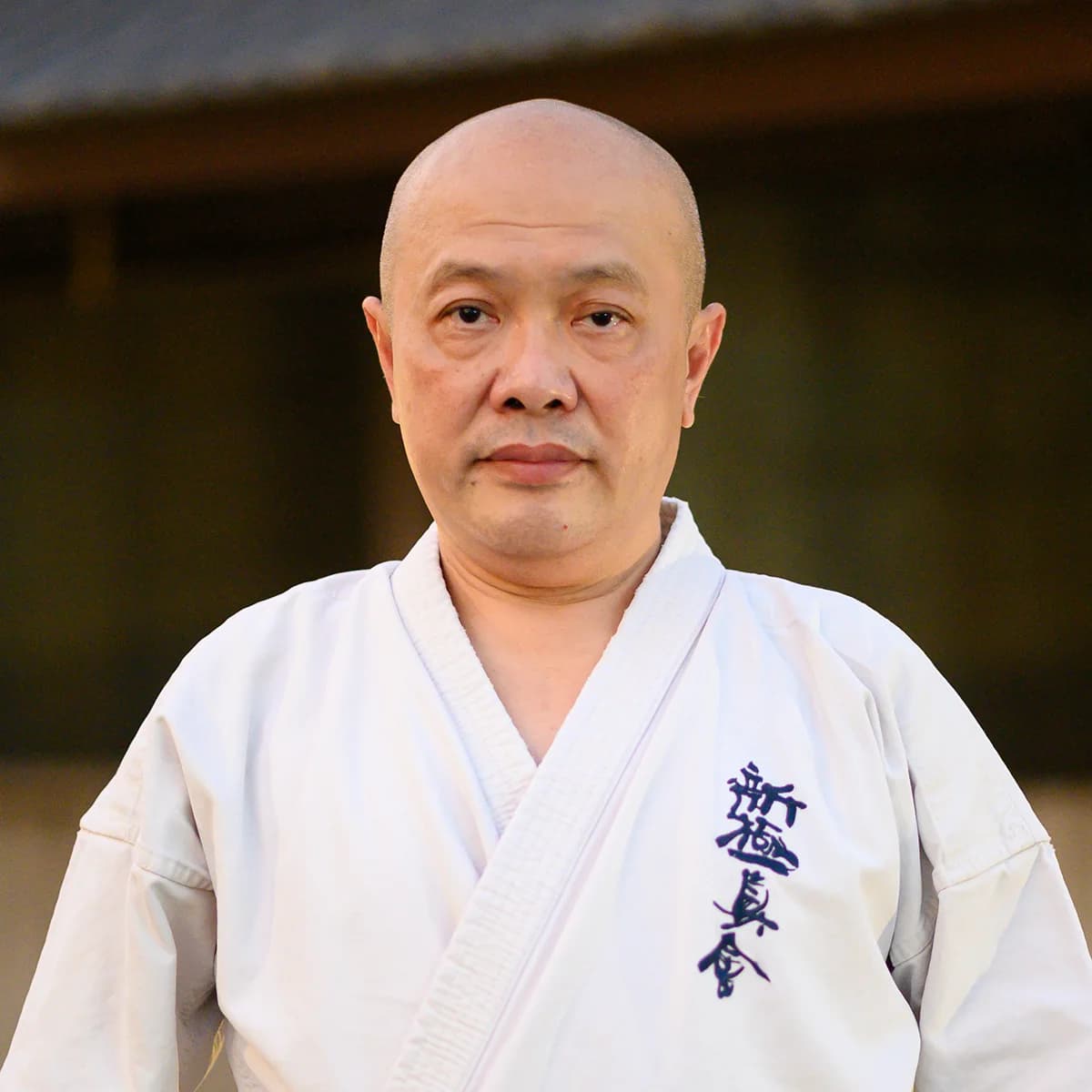 Thaninpong Supapitakpong (Phoenix)Co-founder of IMAC Dojo
Updated 30 Sept 2026
Assigned content reviewer: Patty
- Author
- Thaninpong Supapitakpong (Phoenix)
- Published
- Last updated
- Sources
- 2
- Reading time
- 3 min
Short Answer
Muay Thai history includes teaching, narratives and changing settings for demonstrating skill. Thai encyclopedia sources acknowledge unclear beginnings. This article assigns no sole inventor and uses the history clip to frame questions while distinguishing kinds of evidence.
Key Takeaways
- Unclear origins should not become an unsupported exact year.
- A named figure in a story does not verify every event.
- Illustrations and explanations illuminate different parts of transmission.
- History helps question practice, not replace instructor-led learning.
When did Muay Thai begin, and who invented it? A quick answer naming one person or year can obscure how people passed on and organized knowledge. This article frames further questions for the history clip without constructing a precise-looking timeline beyond the evidence.
In this article
Start with what the sources do not establish
The Thai Junior Encyclopedia acknowledges that Muay Thai's beginnings are not clearly recorded. Keep that limitation at the start rather than following it with an exact origin year unsupported by additional evidence.
A reference to boxing in one period does not prove it began then. A named form in a document likewise does not prove no earlier use. This is a way of reading chronology, not a reason to stop researching.
Do not ask an illustration to prove more than it shows
The Thailand Cultural Encyclopedia describes an illustrated khoi-paper boxing manuscript associated with Rama III's reign. It exemplifies transmission beyond oral accounts, but this article cites the encyclopedia rather than claiming examination of every original illustration.
Separate visible material from inference. A final posture may omit the preceding timing, and a caption does not give an entire teaching method. A clip and instructor discussion can raise questions that a still document cannot answer alone.
Local practice diversity belongs within history
The Thai Junior Encyclopedia names Chaiya, Korat and Lopburi as local examples. Mentioning them neither ranks their superiority nor establishes an IMAC Dojo lineage.
If one name has differing explanations, ask about the source and instructor's task instead of treating every difference as an error. Transmission history places terminology and practice in context before broad judgments.
Read changing performance settings carefully
The Thailand Cultural Encyclopedia describes festival boxing alongside the development of regularly organized venues. The point here is changing context, not every detail of the art changing on one day.
A first venue, first event and start of regular programming may be different events. When dates differ, ask what each source counts. This article does not compress unlike dates into one rushed timeline or detail competition rules.
Value narratives while preserving uncertainty
If the clip mentions a celebrated person or event, note whether it is a teaching narrative or supported by a named document. Stories may matter to community memory while their numbers, dates and attributed speech still need sources.
This article invents no Phoenix experience or additional IMAC teaching lineage. Checkable compilation begins with what is used and what remains unknown, not stronger wording added to appear authoritative.
Use the history clip to begin a conversation
8xwEqEq5XVo is the CSV history entry. Listen with three columns: the claim, its cited period or source, and your next question. The article does not verify everything in the video merely from its title.
Connect one question back to practice: why does the lesson use this name, or how does the form relate to a document? History can inform learning without substituting date memorization for skill, and one clip cannot represent every lineage.
Return to the course for review
Read about Muaythai Anywhere and Khru Patty, the assigned content reviewer. Dance and ceremony are covered in the Wai Kru Muay Thai course.
Muay Thai history
Record claims, cited sources and questions to read history alongside evidence.
Video published
Sources and further reading
- Thai Junior Encyclopedia, volume 35: Muay Thai — Thai Junior Encyclopedia FoundationReferenceAccessed 29 Sept 2026
- Thailand Cultural Encyclopedia: Muay Thai — Princess Maha Chakri Sirindhorn Anthropology CentreReferenceAccessed 29 Sept 2026
Frequently Asked Questions
Was Muay Thai invented by one person?
The sources used do not establish a sole inventor, so none is presented as a definite answer.
Does a surviving reference date the birth of Muay Thai?
It establishes only what its evidence supports, not that the art began on that date.
Do local examples establish the dojo's lineage?
No. Chaiya, Korat and Lopburi are historical examples, not claims about the dojo's curriculum or lineage.
Which year should I choose when sources differ?
First check whether they describe the same event, then seek the underlying evidence rather than selecting the most repeated year.
How does history support practice?
It helps frame questions about names and contexts, without replacing demonstration or instructor assessment.
Ready to start martial arts?
Message IMAC Dojo to ask which course fits your age, goals, and training background.
Ask on LINE OfficialRelated Articles
Related Topics and Courses
Muaythai