
Review Muay Thai with compilation clips — support, transitions and the next practice task
Finishing a video is not completing a review. Choose one question, read before–during–after, then return to the relevant skill with an instructor.
Compiled by Phoenix — Founder of IMAC Dojo
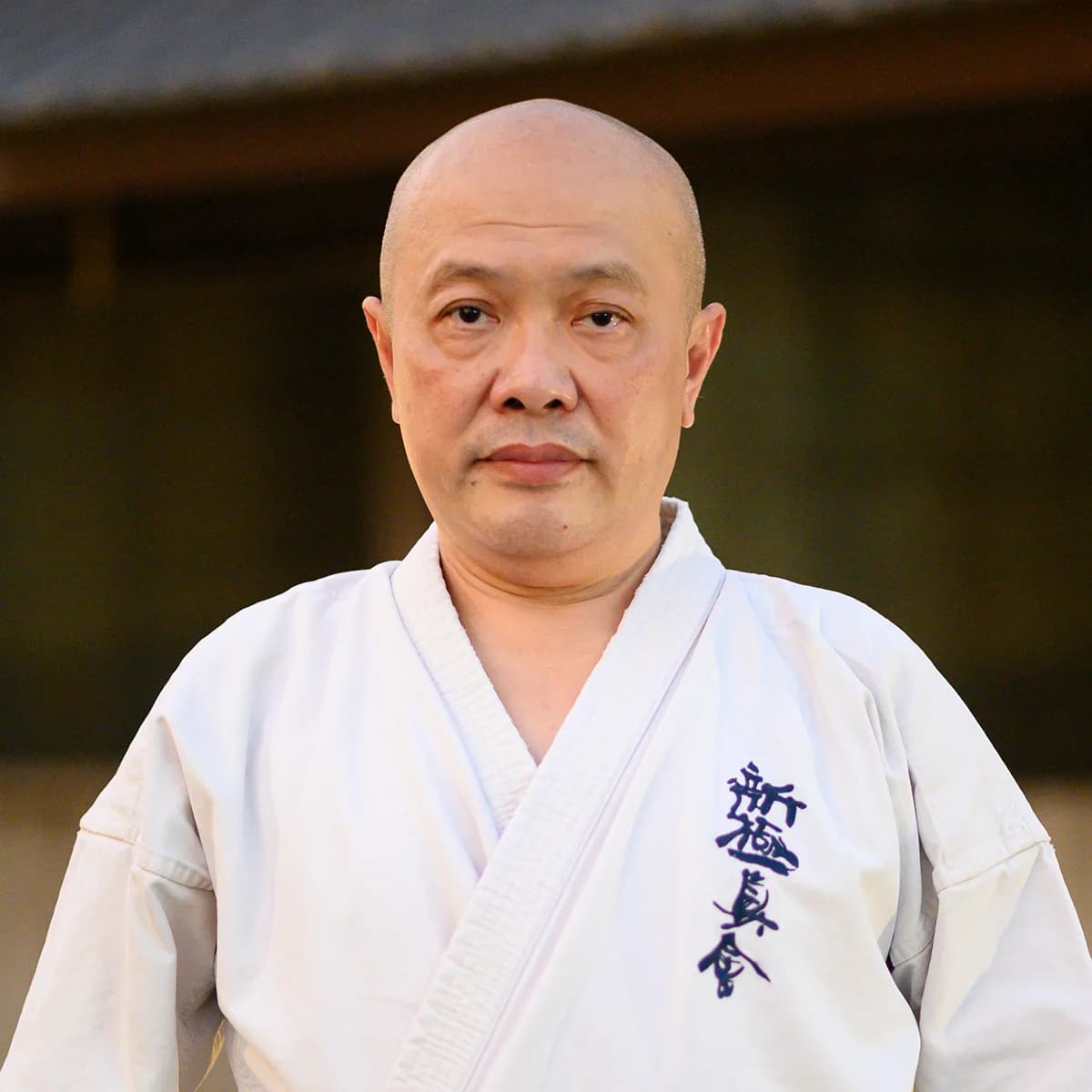 Thaninpong Supapitakpong (Phoenix)Founder of IMAC Dojo
Updated 13 Oct 2026
Reviewed by Patty · Khru Muay, IGLA level (WMC) · Advanced coach and judge, Professional Muay Thai Association
- Author
- Thaninpong Supapitakpong (Phoenix)
- Published
- Last updated
- Reviewed by
- Patty ·
- Sources
- 2
- Reading time
- 3 min
Some drafts are prepared with the help of AI writing tools. The named author reads and edits every article and decides what is published. Editorial policy
Short Answer
Compilations can connect previously learned skills. Separate support, hand shape, movement and return to readiness, then take a short passage to the instructor. This lesson includes both compilation clips; the V5 label alone does not mean one replaces the other or sets current assessment requirements.
Key Takeaways
- Set a question before playing.
- Read preparation and recovery alongside the main action.
- Use timestamps instead of guessing uncertain names.
- Do not equate a compilation with course-completion evidence.
A compilation is easy to play, but without a question the most striking action may be all that remains. Use it as a map of what is understood and what needs help. This article offers a review method without inventing a move list or unverified timestamps.
In this article
Choose one task before watching
Choose support, hands or connections—for example, how readiness returns after movement. A focused question identifies where to pause and what to ask without judging the entire technique in one pass.
Use a first pass for orientation, then follow the chosen task. If several issues appear, list them separately instead of trying to change hands, feet and torso all at once.
Use support and hand shape as reference points
Muaythai Palasueksa Style pages 64–69 cover stance, lead/rear fists, torso and movement; pages 62–63 treat forming a fist separately. This organization helps distinguish hand-shape questions from support and position-change questions.
If a passage is difficult to read, return to its start and finish: which foot leads, where is the non-striking hand, and where does the torso face? Then ask about the unclear transition.
Keep the phases before and after the main action
The most visible strike can distract from preparation and recovery. Divide a short passage into before, during and after, noting changes in support or direction.
This is a viewing method, not a claim that every clip shows three equally clear phases. If editing or camera angle obscures a transition, record that limit and use a specific skill clip rather than filling in what probably happened.
Keep the two compilations separate
The clip series has two separate clips, “Combined Muay Thai skills” and “Combined Muay Thai skills (V5)”, so this lesson includes both. V5 is an original label, not evidence that another clip is retired or unsuitable for assessment.
Compare what is actually present and identify the video and time when asking the instructor. A version number alone cannot establish equivalence, completeness or recency.
Make notes an instructor can use
A useful note includes the clip name, time, observation and question—for example, seeing foot placement change without knowing when it began. Separate observation from inference so the instructor can address the same passage.
After guidance, revisit the relevant skill article or clip, then return to the compilation. Viewing completion or remembering names does not establish assessment completion; the course and instructor set the actual task.
Return to the course for review
Read about Muaythai Anywhere and Khru Patty, the assigned content reviewer. Dance and ceremony are covered in the Wai Kru Muay Thai course.
Related lessons
 Read next · MuaythaiThe 15 Mae Mai Muay Thai patterns — distance, entries and timing
Combined Muay Thai skills
Choose one task, record time and observations, then revisit the specific skill with the instructor.
Video published
Combined Muay Thai skills (V5)
Choose one task, record time and observations, then revisit the specific skill with the instructor.
Video published
Sources and further reading
- Muaythai Palasueksa Style: stance and movement, pages 64–69 — Department of Physical Education, Institute of Muay Thai ArtReferenceAccessed 29 Sept 2026
- Muaythai Palasueksa Style: forming a fist, pages 62–63 — Department of Physical Education, Institute of Muay Thai ArtReferenceAccessed 29 Sept 2026
Frequently Asked Questions
Should I watch the whole compilation first?
An overview is useful, but a review pass needs a focused task and short passage so details do not merge.
Does V5 replace the other video?
The clip-series label alone establishes neither replacement nor assessment criteria. Confirm course use with the instructor.
Should I guess an unseen transition?
Do not add what the picture does not show. Record the time and limitation, then use a specific clip or ask the instructor.
What should I bring to the instructor?
The clip name, time, actual observation and question, keeping observation separate from inference.
Do both clips cover my complete course review?
No. Clips support review; tasks and assessment depend on the actual course.
Ready to start martial arts?
Message IMAC Dojo to ask which course fits your age, goals, and training background.
Ask on LINE OfficialRelated Articles
Related Topics and Courses
Muaythai