Which Karate Style Suits Your Child? The Main Styles to Know Before They Start
A parent's guide to how traditional and full-contact karate really differ, what safety equipment to look for, and how to read a dojo before enrolling a child.
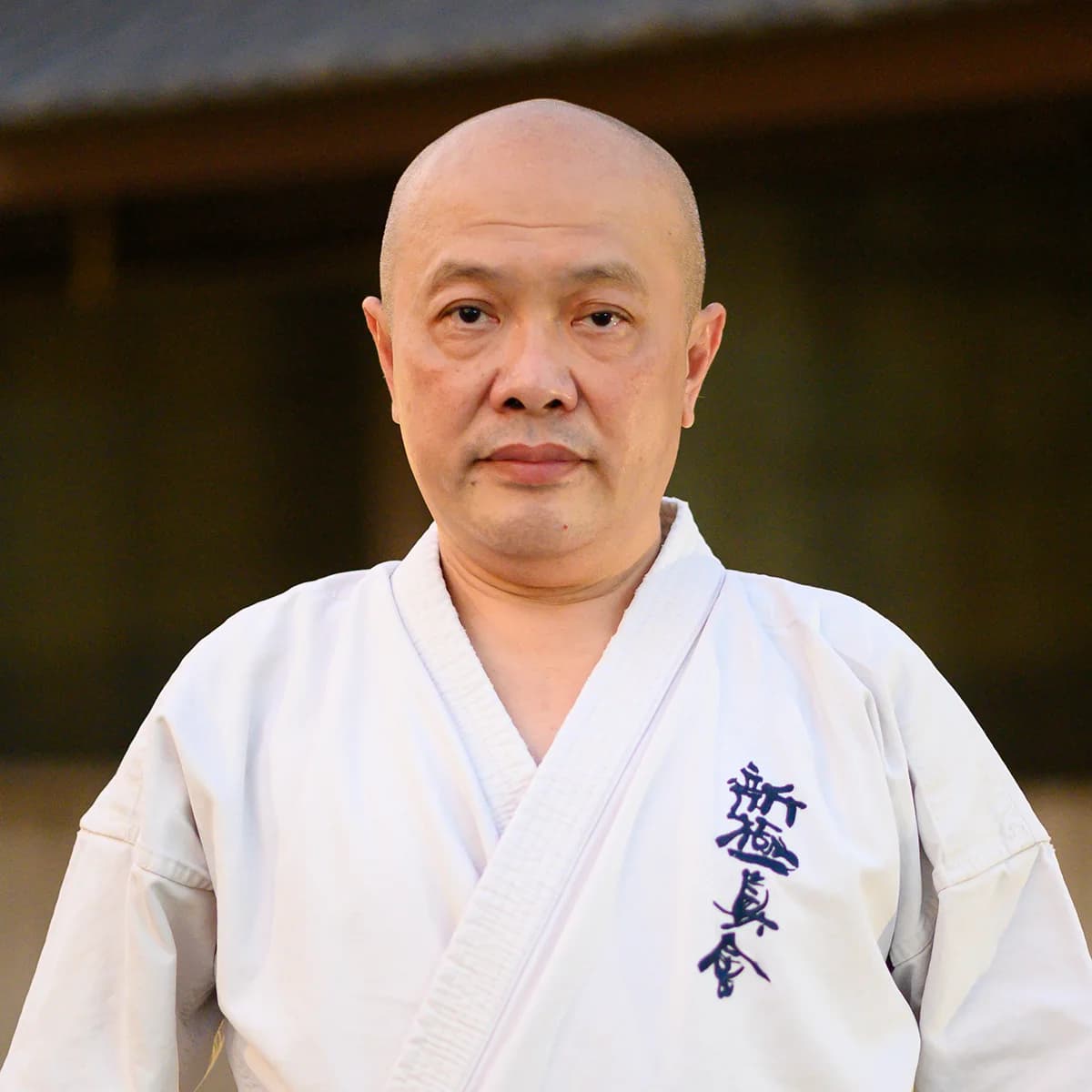
- Author
- Thaninpong Supapitakpong (Phoenix)
- Published
- Last updated
- Sources
- 5
- Reading time
- 9 min
Short Answer
Karate, or karate-do (空手道), is an empty-hand self-defence art that took shape on Okinawa. It divides broadly into traditional styles, which use the sundome rule to stop a strike before real contact, and full-contact styles such as Kyokushin, where strikes land on the body and legs. For a child, the deciding factor is not the name of the style. It is whether the instructor genuinely adjusts intensity to the child's age, whether the protective equipment matches that style's contact rules, and whether parents can come and watch the training.
Key Takeaways
- Traditional and full-contact karate differ in their contact rules, not in how seriously they train.
- The メンホー face mask seen in traditional youth divisions is designed for non-contact karate, and the manufacturer states plainly that it is not equipment for contact karate.
- In Japanese youth sport, roughly ages 9-12 are often called the Golden Age for learning new skills, though it is a coaching rule of thumb rather than a firm research finding.
- What decides a child's safety is the dojo's system of supervision, not the style name above the door.
Many people hear the word karate and picture fierce punching and kicking. Understand what karate actually is, though, and you find a far deeper system for training discipline through the body.
Having taught martial arts to children for a long time, I often meet parents who are unsure which style to choose, because the schools really do differ in philosophy and in how much contact they allow. This page is written to help that decision, by looking at the child's age, the protective equipment, and the dojo's system of supervision rather than at the name of the style.
In this article
What Karate Is, and Why Parents Should Know Before Choosing
Karate took shape on Okinawa, from the fusion of the old Ryukyuan art of Te with Chinese boxing that arrived through trade. Master Funakoshi Gichin demonstrated it in Tokyo in 1922 and pushed karate from jutsu, meaning combat technique, towards do, meaning a way of refining the mind, exactly as judo and kendo had done.
Two teachings have always shaped how I teach children. Karate-do wa rei ni hajimari, rei ni owaru means karate begins with respect and ends with respect. Karate ni sente nashi means there is no first attack in karate, which is why almost every kata opens with a block. That is the reason I have never taught a child to think about winning through violence, but to control themselves before controlling an opponent.
The origin of the name, the change of characters from 唐手 to 空手, and the whole belt-rank system are already covered in what karate is and how many styles there are. This page stays on what a parent actually has to decide: the right age to begin, the protective equipment to look for, and how to read a dojo's system of supervision.
How Traditional and Full-Contact Karate Differ
In Japan, karate divides into two large groups by level of contact. The first is the traditional group, gathered under the Japan Karatedo Federation, and the styles most often met are Funakoshi's Shotokan, built on low wide stances and linear power; Miyagi Chojun's Goju-ryu, which blends hard and soft through 息吹 breathing; Mabuni Kenwa's Shito-ryu, which holds the most kata because it inherits both Shuri-te and Naha-te; and Otsuka Hironori's Wado-ryu, which combines jujutsu with evasive body shifting.
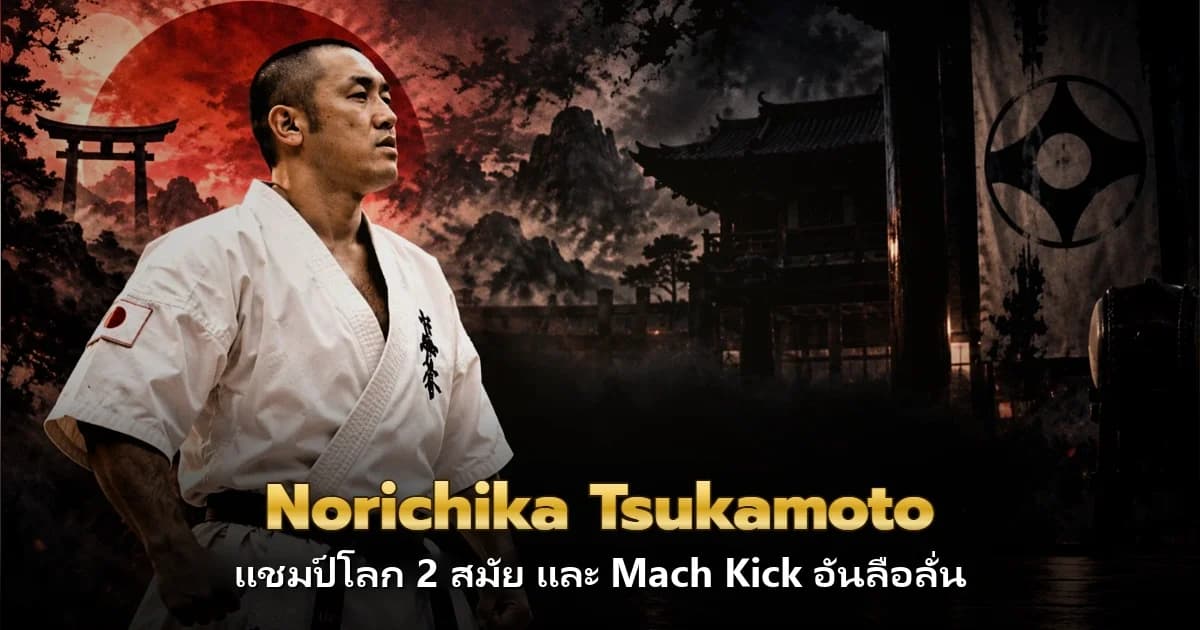
The second group is full contact. Its origin is the Kyokushin Kaikan school, founded by Grandmaster Oyama Masutatsu on the conviction that a martial art has to be tested through real impact. The Kyokushin lineage later split into several organisations, the internationally known one being Shinkyokushin (新極真会) under WKO, the World Karate Organization.
This matters a great deal for parents, because the name Kyokushin heard at two different schools may come from two different organisations while the contact principles stay similar. The useful question is therefore not only which style, but which organisation the dojo belongs to and whose grading standard it uses.
| Point | Traditional styles | Full-contact styles |
|---|---|---|
| Contact rule | Sundome, stopping the strike before real contact | Full-force contact to the body and legs |
| Head strikes in youth divisions | Under WKF rules, no head contact at all under 14; cadets (14-15) may lightly touch with kicks only | Hand strikes to the head are generally barred; head kicks depend on each organisation's age-group rules |
| Protective equipment usually seen | A clear メンホー face mask and body padding worn under the gi | Headgear and body protectors set by that style's own rules |
| What the training builds | Precise kata, accurate distance, discipline in detail | Endurance, the ability to absorb impact, and steadiness under pressure |
For a practical sense of what training with real contact feels like, read whether Kyokushin karate hurts.
What Age Can a Child Start Karate?
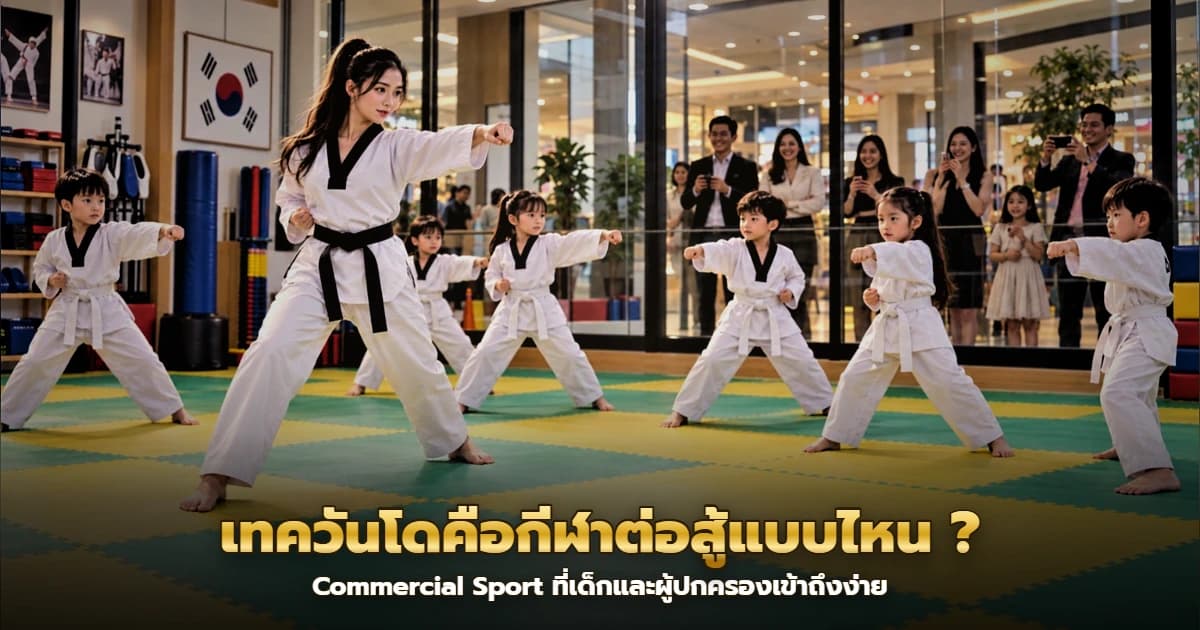
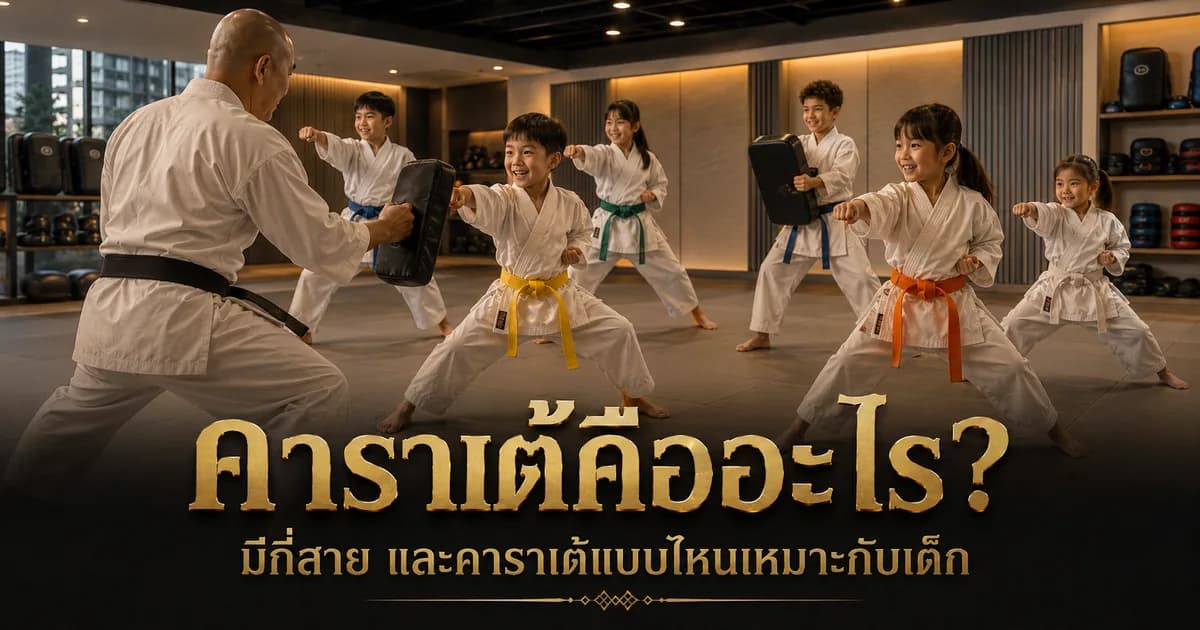
Each stage of childhood takes in something different. The kindergarten years, roughly four to six, suit classes built around following instructions, learning to line up, and enjoying movement. From about seven to nine, children begin to understand the reasoning behind a movement and can hold a kata in sequence.
In Japanese youth sport, roughly ages 9-12 are often called the Golden Age, on the idea that children of that age pick up new movement skills especially well. It is a popular coaching rule of thumb rather than a firm research finding, so read it as a reason not to wait too long, not as a deadline for starting.
At IMAC Dojo the karate class takes students from age 7, but that threshold is not only a number. We look at whether a child can follow instructions, understand the rules of the class, and control their body well enough to train safely. Two children of the same age can be ready at quite different times.
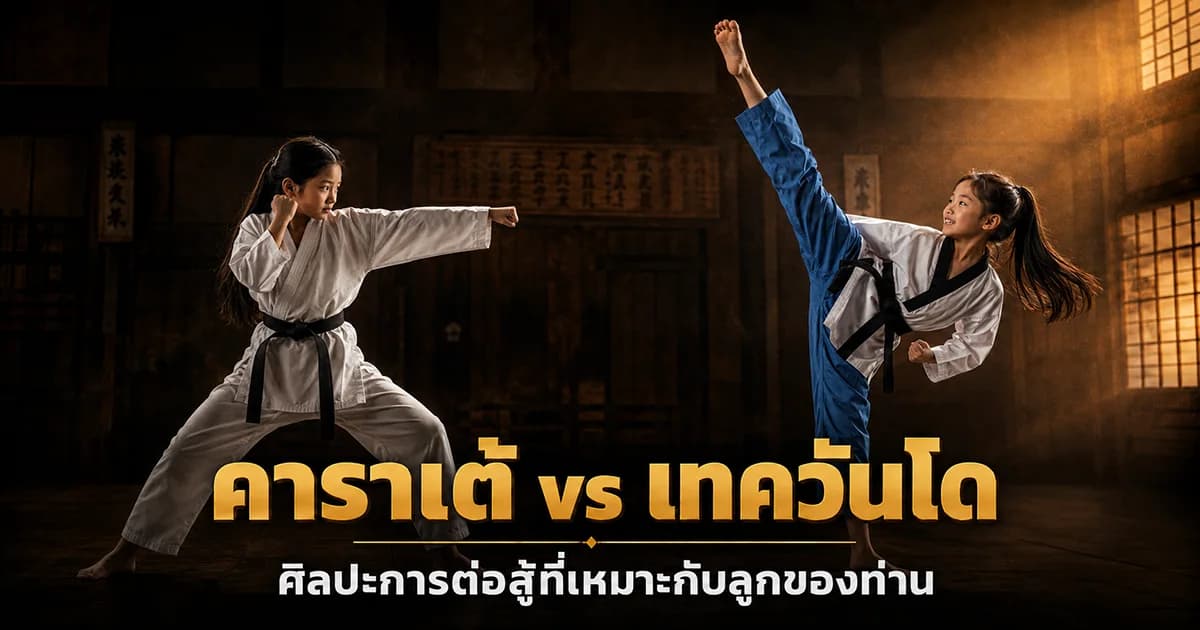
For details of the children's class itself, see the Shinkyokushin Karate course page; if you are weighing karate against another art for your child, there is already a comparison in karate versus taekwondo for children.
Protective Equipment and the Risks Parents Should Know
In traditional youth divisions the equipment you see most often is the clear face mask called メンホー, used in federation-sanctioned events. The equipment manufacturer's own guidance states plainly that this mask is designed for non-contact karate, to reduce the force of accidental contact, and that it is not equipment for contact karate. It is a good illustration that gear has to match the contact rules of the style, and that more padding is not automatically safer.
In full-contact styles the thing to watch is cumulative impact to the head, so ask how the organisation's children's rules limit head contact, and expect an instructor to control intensity pair by pair rather than letting children measure themselves against each other.
One risk parents in Thailand rarely hear about is cardiac arrest caused by a blow to the chest, known in Japanese as 心臓震盪 and in English as commotio cordis. The Japanese Association for Acute Medicine explains that it can occur in someone with no existing heart condition, and that children are more susceptible than adults because the chest wall is still more flexible. What helps is appropriate chest protection, and a training hall whose staff know the first-aid steps and can reach an AED.
None of this is a reason to avoid karate. It is a reason to ask a dojo directly how it controls intensity in children's classes, on what basis it pairs students for partner work, and whether it has a plan for an emergency. A dojo that answers those three clearly is usually safer than one that answers that nothing has ever happened.
How to Choose a Safe Karate School for Children in Bangkok
Four criteria are what I check in any dojo before recommending it. First, a positive teaching philosophy, where instructors praise to encourage development rather than shout or use verbal abuse. Second, real safety measures, pairing students of similar weight and grade for partner work. Third, travel that the family can actually manage every week, because consistency matters more than intensity in the first month. Fourth, transparency about cost, covering both tuition and grading fees.
Before deciding, three questions help more than any photo gallery. Which organisation does this dojo belong to, and whose grading standard does it use? At what level is the instructor certified by that organisation? And can you come and watch training during a group class, to see the atmosphere and how intensity is controlled, before you decide?
If the goal is the national-team athletic path, the points-rules route under the Thailand Karate Federation is the one that genuinely exists. If the goal is endurance and intensive training of body and mind, full contact answers that better. Neither path is superior; they answer different questions.
Finally, take the child along to watch a real class rather than deciding entirely on their behalf. A child who has seen the instructor, seen the other students, and had a say in the choice tends to keep training far longer than one persuaded purely by adult reasoning.
How IMAC Dojo Looks After Children in a Full-Contact System
IMAC Dojo teaches Shinkyokushin Karate, a full-contact style in the Kyokushin lineage. The common misreading is that full contact means a child steps in and trades strikes on day one. It does not. The programme opens with stances, punching, kicking, blocking, balance, and basic movement. That order gives a child a stable base first, and partner work comes later.
Instructors adjust the drills, the training partner, and the level of intensity to each student's age, size, and goal, so a child does not have to rush to keep up and the training still stays structured. Training and grading run under Shihan Fumiaki Frank Nagashima, Branch Chief Thailand for WKO, which means the standard applied to one child is the standard used across the whole lineage rather than one the school invented for itself.
So, back to the opening question of which karate style suits a child. The honest answer is that no single style suits every child. What decides it is whether the instructor can read a child's readiness, adjust intensity person by person, and let parents see the training with their own eyes. Those three matter far more than the style name above the door.
See the Shinkyokushin Karate course at IMAC DojoTo understand how the grading system works, see the grading preparation course.
Sources and further reading
- Japan Karatedo Federation — Japan Karatedo FederationReferenceAccessed 5 Sept 2026
- WKF Kumite Competition Rules 2024 — World Karate FederationReferenceAccessed 1 Oct 2026
- Guidance on the メンホー mask for non-contact karate — MizunoReferenceAccessed 5 Sept 2026
- Commotio cordis, cardiac arrest from a blow to the chest — Japanese Association for Acute MedicineReferenceAccessed 5 Sept 2026
- Thailand Karate Federation — Thailand Karate FederationReferenceAccessed 5 Sept 2026
Frequently Asked Questions
How is karate different from Kyokushin karate?
Traditional karate styles use the sundome rule, holding the strike back before real contact, while Kyokushin is full contact, with strikes landing on the body and legs. Organisations that split from it, such as Shinkyokushin under WKO, keep the same principle of real contact and differ in administrative structure and grading standards.
Is learning karate dangerous for children?
The risk depends on the dojo's system of supervision far more than on the style name. Traditional styles reduce it through the force-restraining rule and a mask designed for non-contact training. With a full-contact style, choose a school that restricts head contact in children's divisions, pairs students by weight and grade, and has an instructor controlling intensity throughout.
At what age can children start learning karate?
Young children can begin with classes built around following instructions and enjoying movement from kindergarten age, and roughly ages 9-12 are often described as a good window for learning new skills, though that is a coaching rule of thumb rather than a firm finding. At IMAC Dojo the karate class takes students from age 7, judged alongside readiness to follow instructions and control the body rather than on the number alone.
How do I choose a karate dojo for my child?
Ask three questions first. Which organisation does the dojo belong to, and whose grading standard does it use? At what level is the instructor certified? And can you watch training during a group class? Then look at how students are paired for partner work, how intensity is controlled, and whether the full cost is stated clearly.
Ready to start martial arts?
Message IMAC Dojo to ask which course fits your age, goals, and training background.
Ask on LINE Official