
Shihan Nagashima at IMAC Dojo: Sitting and Rising, Power in Kihon, and Tanden
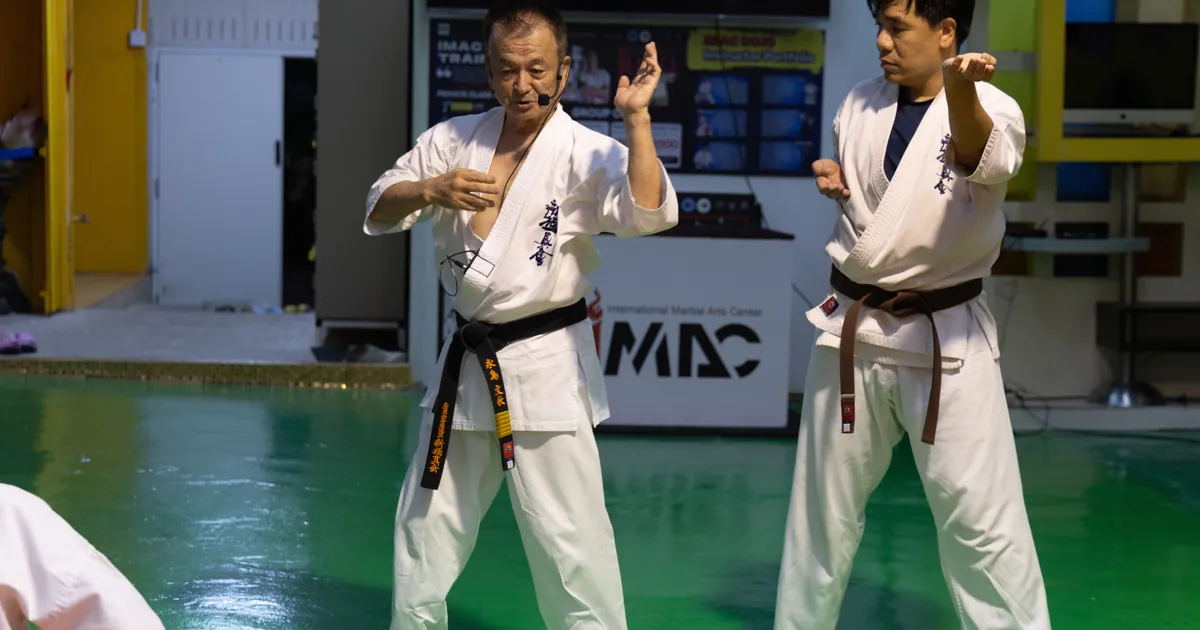
On Friday 18 September 2026 Shihan Fumiaki Frank Nagashima visited IMAC Dojo and taught a short session of about 40 minutes. He focused on three things: sitting and rising as Budo etiquette requires, using Hikite to generate power in Kihon, and Ibuki breathing to control the tanden, then presented the belts and certificates from the 21 August grading.
By
 Thaninpong Supapitakpong (Phoenix)Founder and instructor at IMAC Dojo
Updated 20 Sept 2026
- Author
- Thaninpong Supapitakpong (Phoenix)
- Published
- Last updated
- Sources
- 1
- Reading time
- 5 min
Short Answer
Shihan Fumiaki Frank Nagashima, Branch Chief for Thailand under WKO - World Karate Organization Shinkyokushinkai, visited IMAC Dojo at Ladprao 101 on Friday 18 September 2026 and taught a short session of about 40 minutes. He covered three things: sitting and rising as Budo etiquette requires, using Hikite to generate power in Kihon, and Ibuki breathing to control the tanden. It closed with him presenting, in person, the belts and certificates earned at the second grading of the year on 21 August, which he had examined over Google Meet from Japan.
Key Takeaways
- Shihan Nagashima is the WKO Branch Chief for Thailand and directs the training and grading standard of IMAC Dojo
- The session ran about 40 minutes: sitting and rising as Budo etiquette requires, Hikite in Kihon, and Ibuki breathing with the tanden
- The belts and certificates presented were the results of the grading held on 21 August 2026
- Anyone interested in this lineage of karate at Ladprao 101 can ask through LINE Official
I am Phoenix, founder of IMAC Dojo, and I want to record this day clearly, because it was the day the person who directs our training lineage walked in and taught in the dojo himself, not through a screen.
Shihan Fumiaki Frank Nagashima is the Branch Chief for Thailand under WKO - World Karate Organization Shinkyokushinkai in Japan, and he directs the training and grading standard of IMAC Dojo at Ladprao 101. On Friday 18 September 2026 he visited and taught a short session of about 40 minutes, on three things that sound like the most basic material there is, and that every belt level in the room needed to revisit.
In this article
What the Shihan came to IMAC Dojo to do
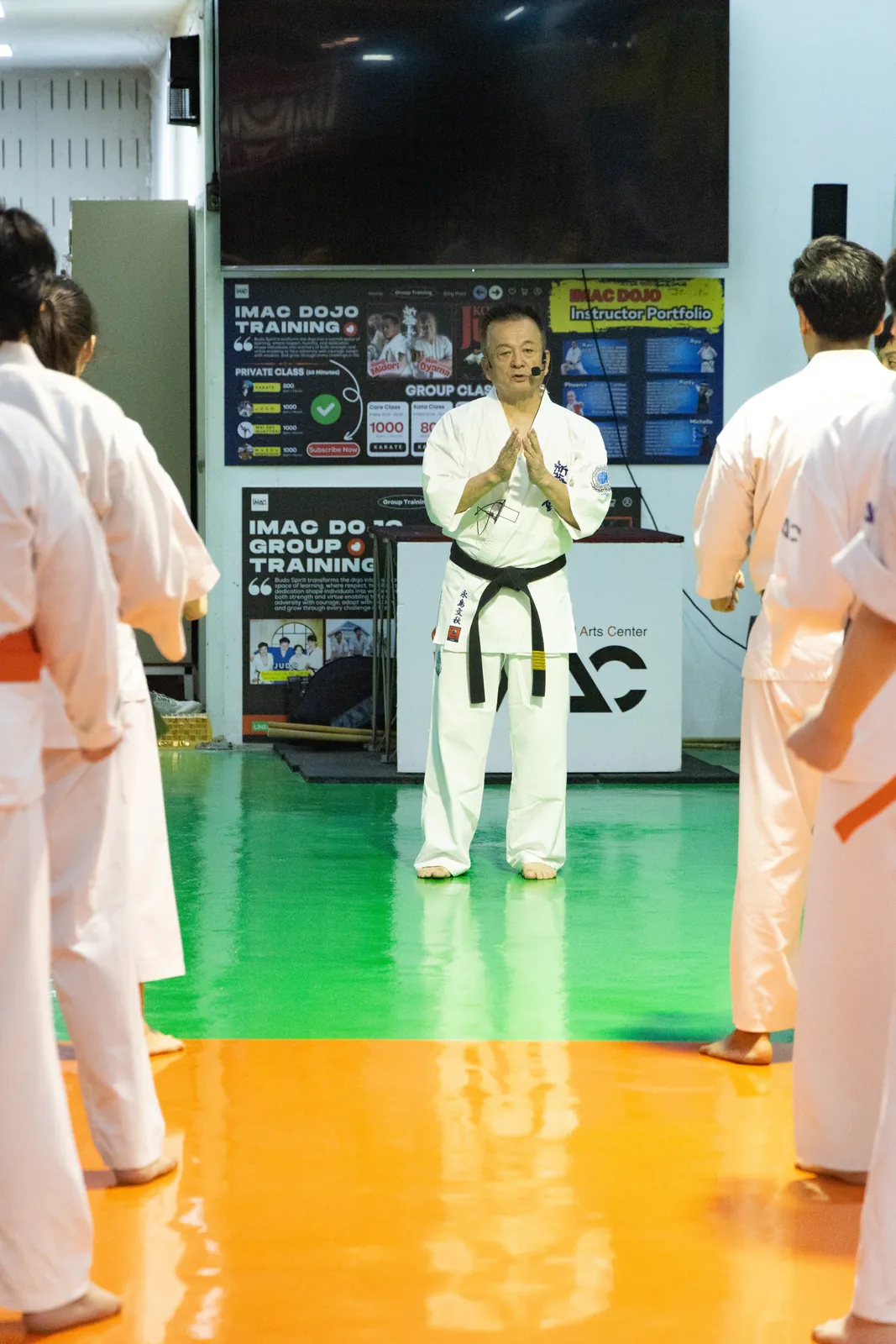
This was not a grading. The Shihan visited during the dojo's regular Friday karate slot and taught a short session of about 40 minutes. The room ran from orange belts who had just passed their grading to the dojo's own instructors.
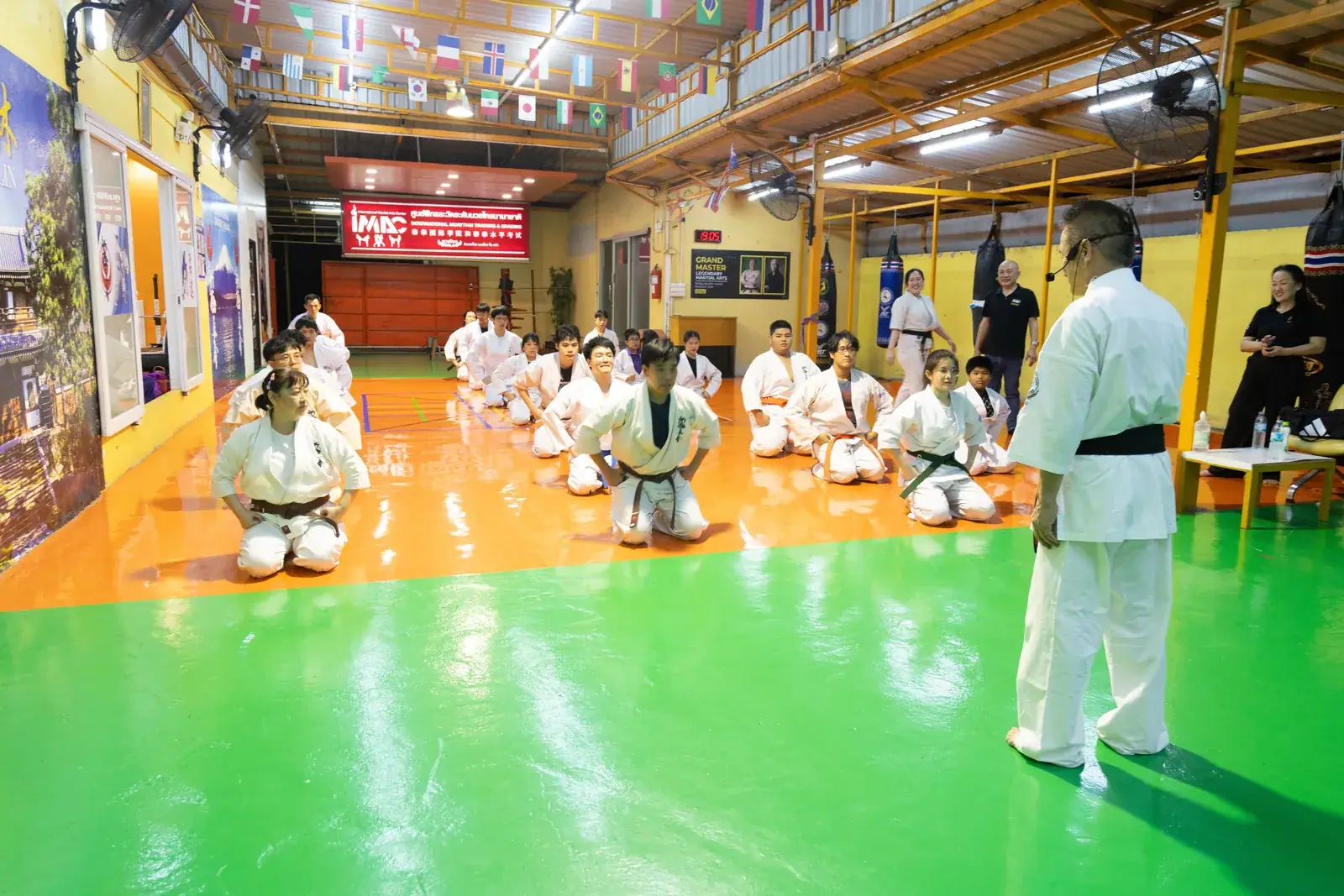
He chose three subjects: sitting and rising, generating power in Kihon practice, and controlling the tanden for real fighting. I will take them one at a time, as I saw them in the room, without adding words to what I noted him saying.
Sitting and rising: the most overlooked fundamental

The first thing he taught was how to sit down and stand up in the dojo. He said sitting and rising has to follow Budo etiquette, and that every Japanese martial art does it the same way. The idea is to imagine a samurai sword worn on the left: you kneel with the left knee first and then the right, and you rise on the right leg first and then the left.
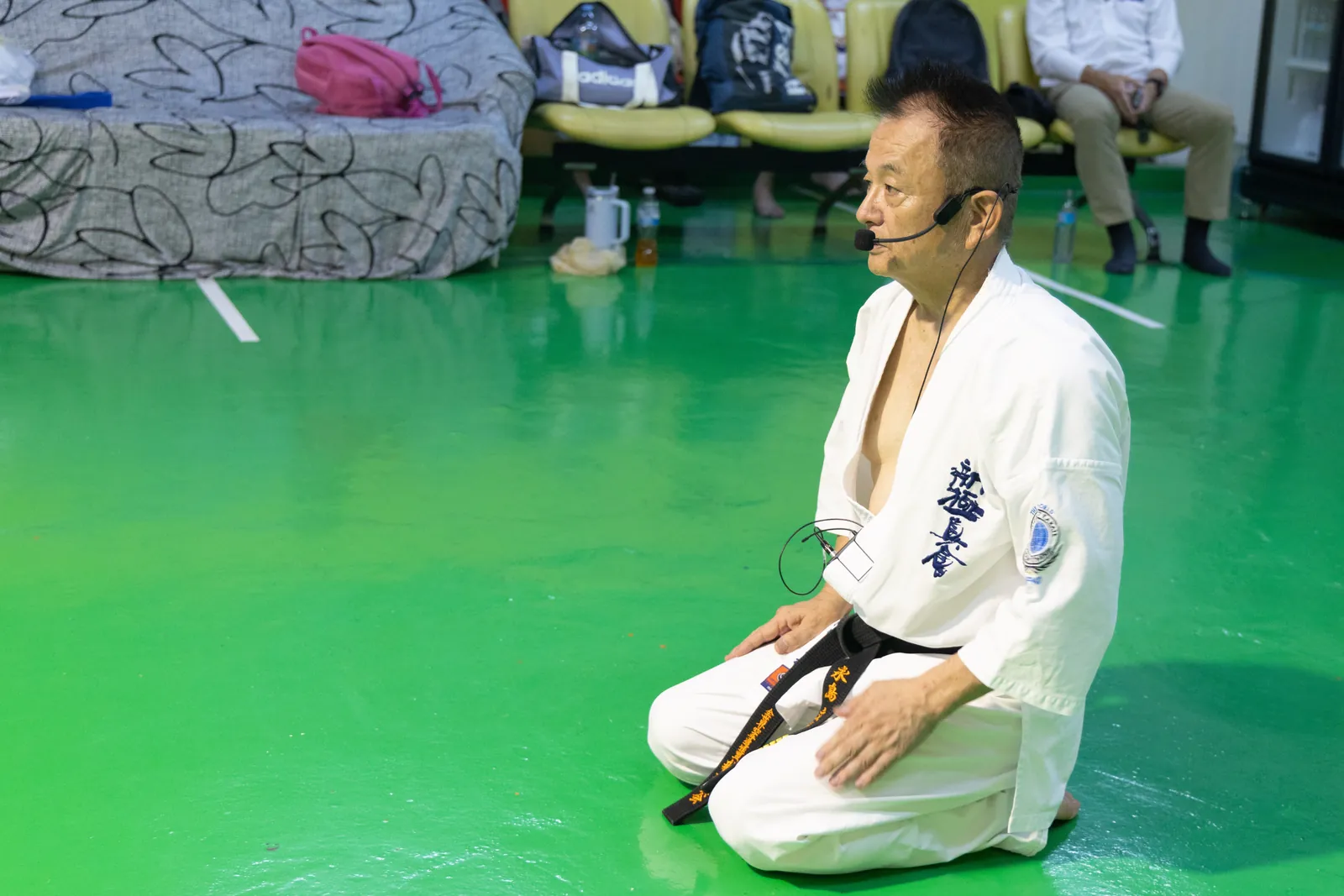
In the article on budo spirit in a Japanese karate dojo I wrote about seiza customs from my own experience training with Japanese friends. Today our students saw the same thing from the person who directs their own lineage, which carries far more weight than anything I wrote.
Power in Kihon: not arm strength
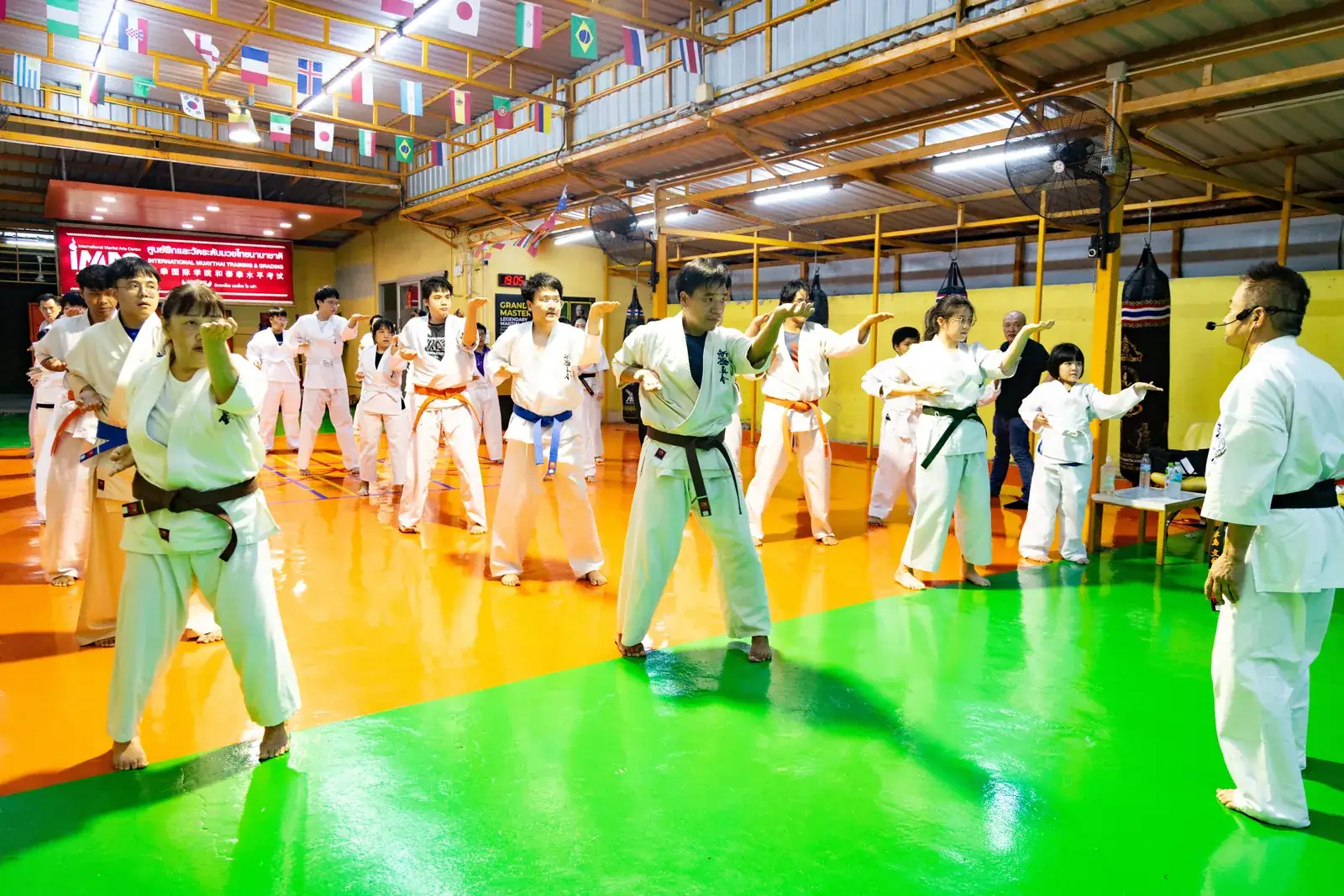
The second subject was how to generate power in Kihon practice. He concentrated on Hikite (引き手), the hand that withdraws to the ribs. Pulling that hand back sharply carries the rotation of the hips and torso into the technique, so the punching hand, the Tsukite, travels faster and lands heavier — action and reaction. His other point was not to tense from the first moment of a punch or a block: let the arm travel, then release the power as it nears the target.
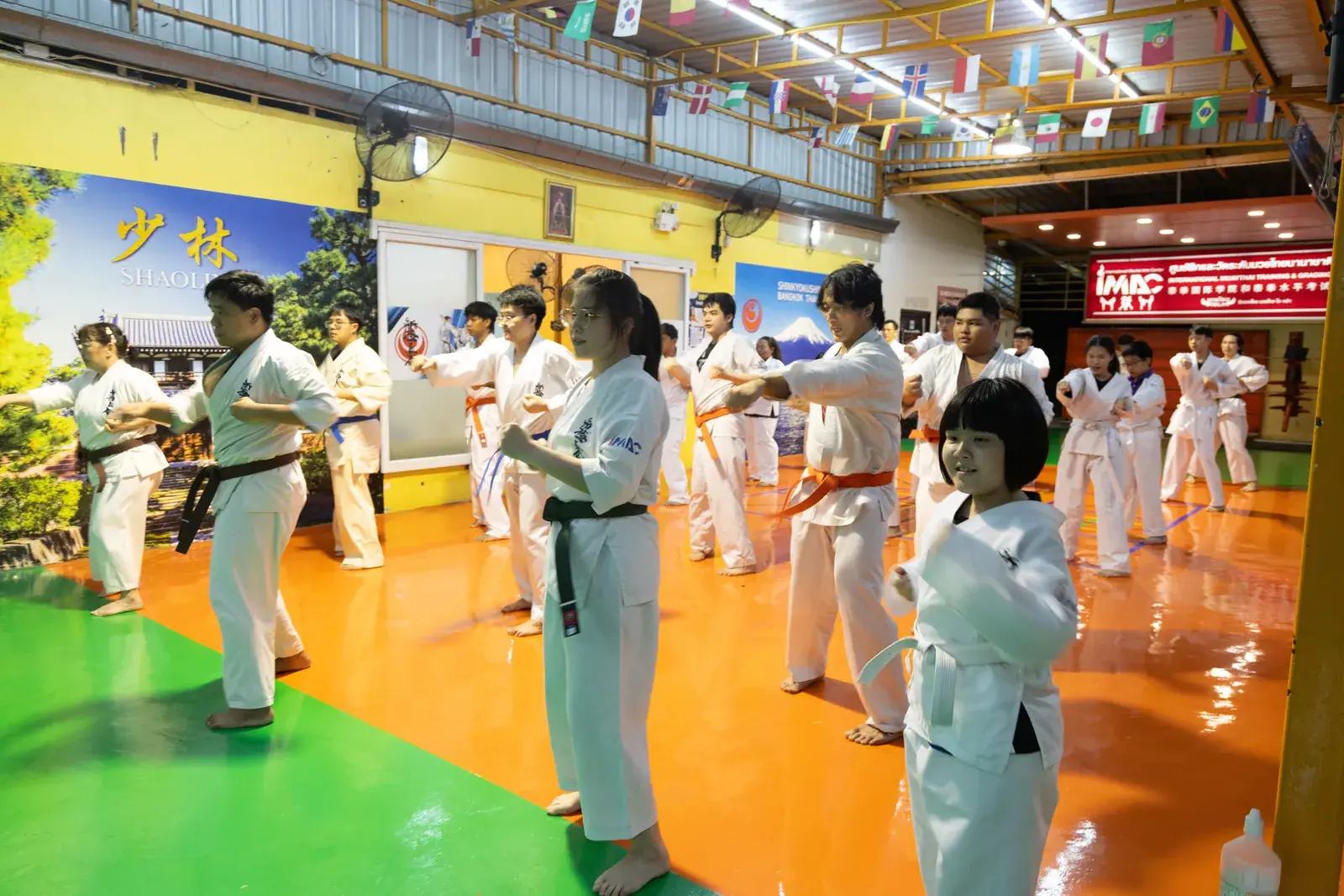
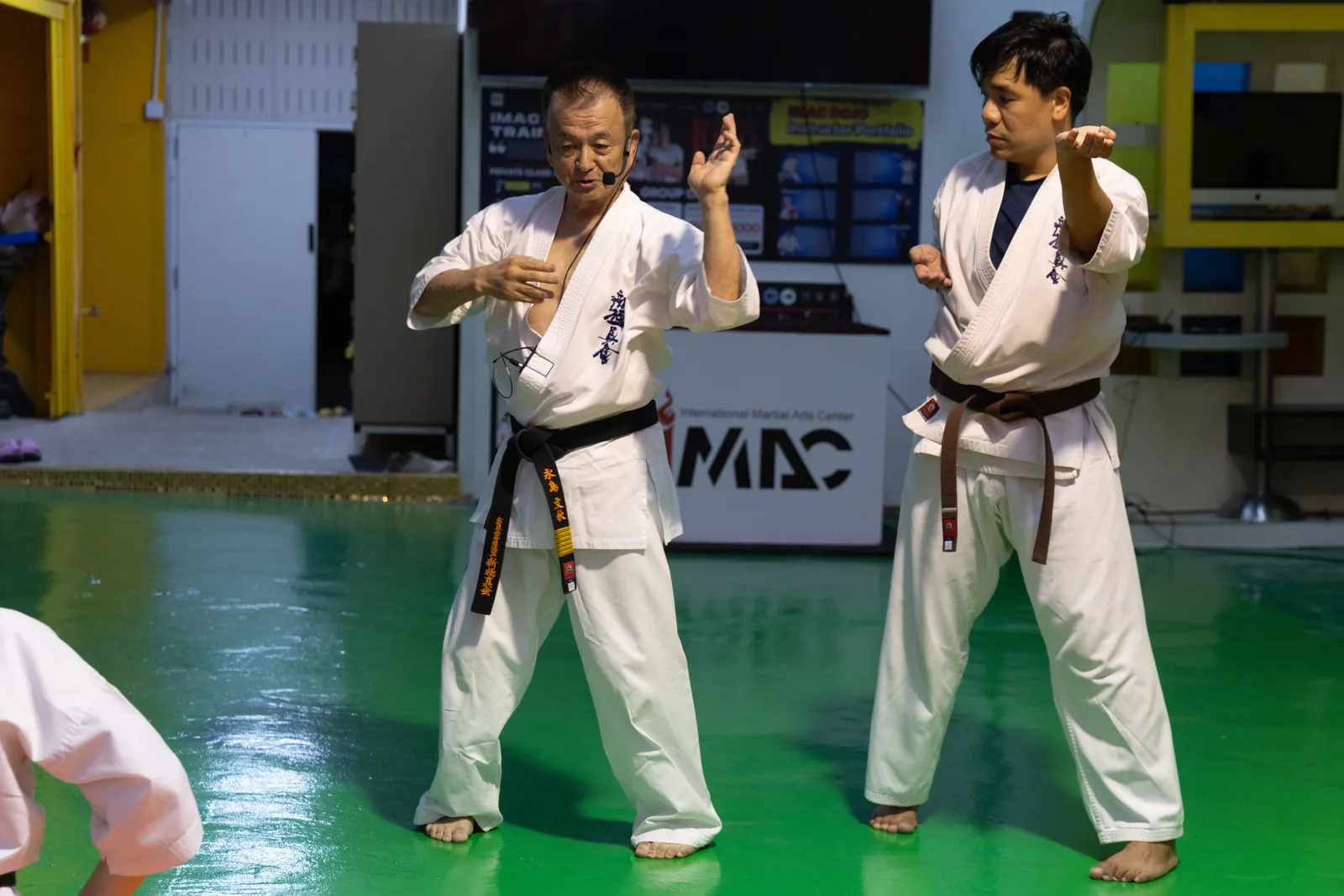
I think this is why our dojo structures the karate course so that Kihon is in every class, whether the core class or the Kata class. When the basics are corrected one point at a time like this, everything built on top of them changes too.
Tanden: the centre you actually use in a fight
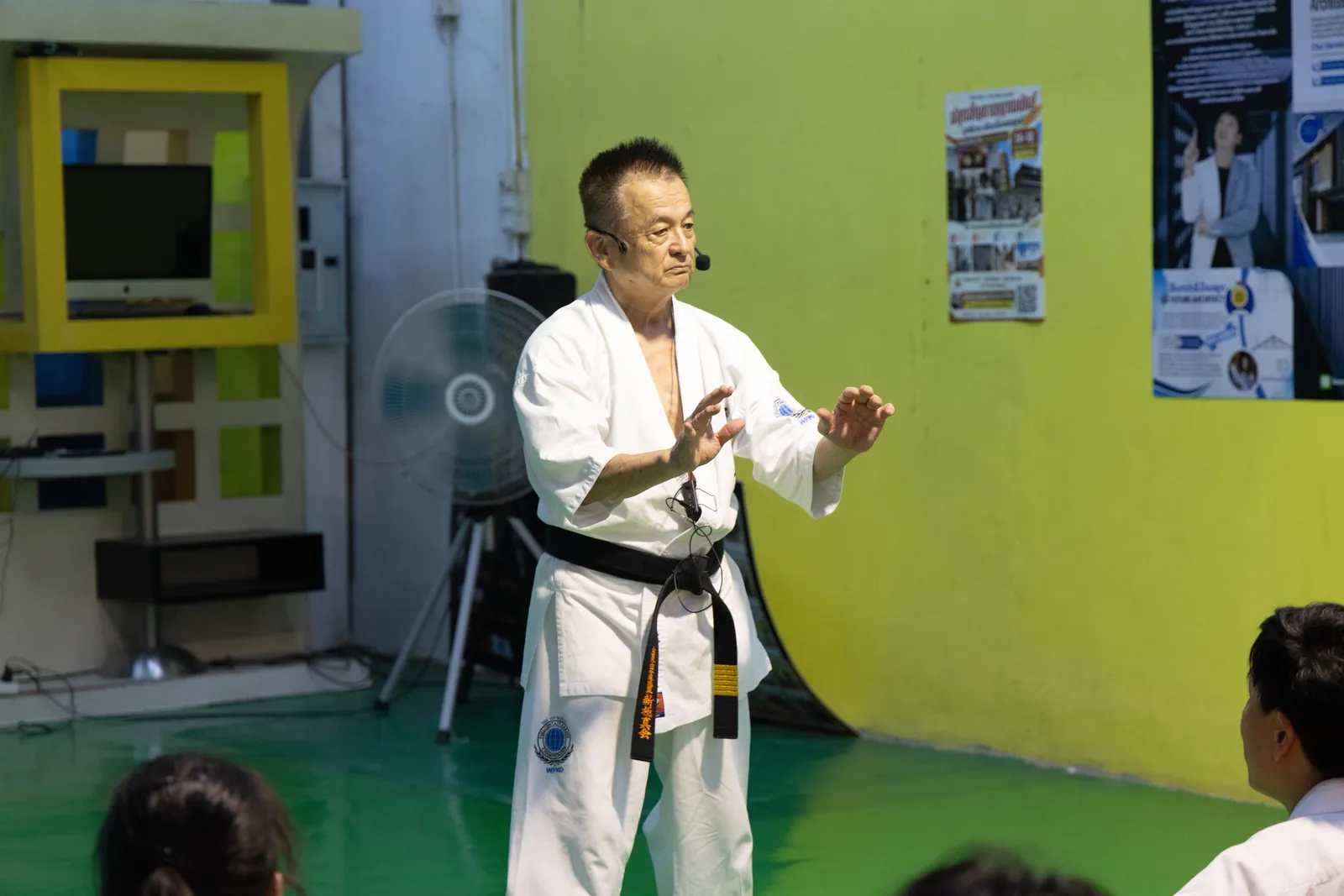
The third subject was the tanden, written 丹田 in Japanese, the body's centre in the lower abdomen. He taught breathing that gathers power at that point while working the abdominal muscles, then Ibuki breathing, making the point that Ibuki is not just the sound: it is being able to control the breath going in and out.
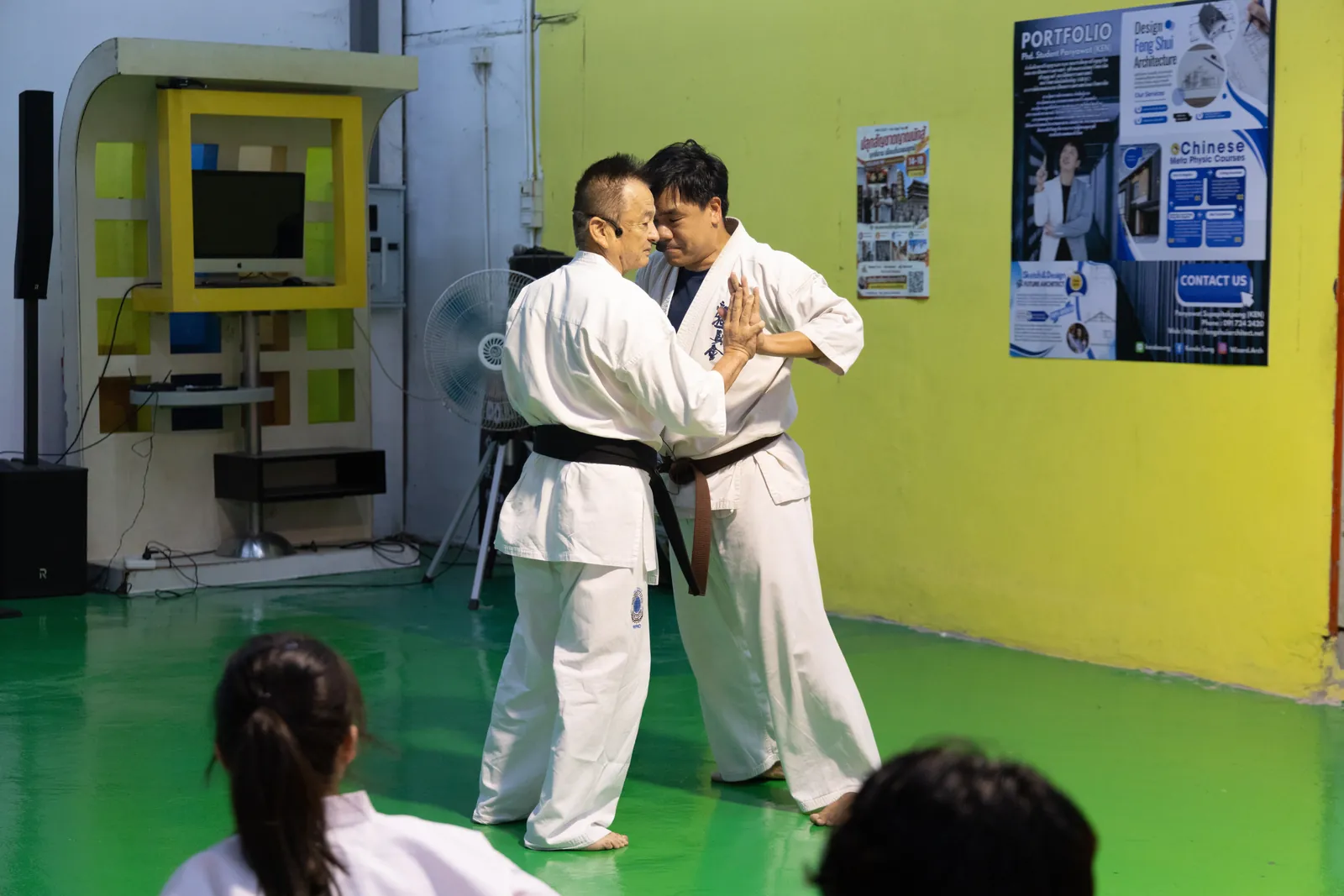
He then demonstrated in pairs at close range, so the room could see how controlled breathing and a braced abdomen behave when someone actually pushes. This was the part the adult students talked about most after class, because it is something you feel immediately in your own body.
Presenting the belts and certificates from the 21 August grading
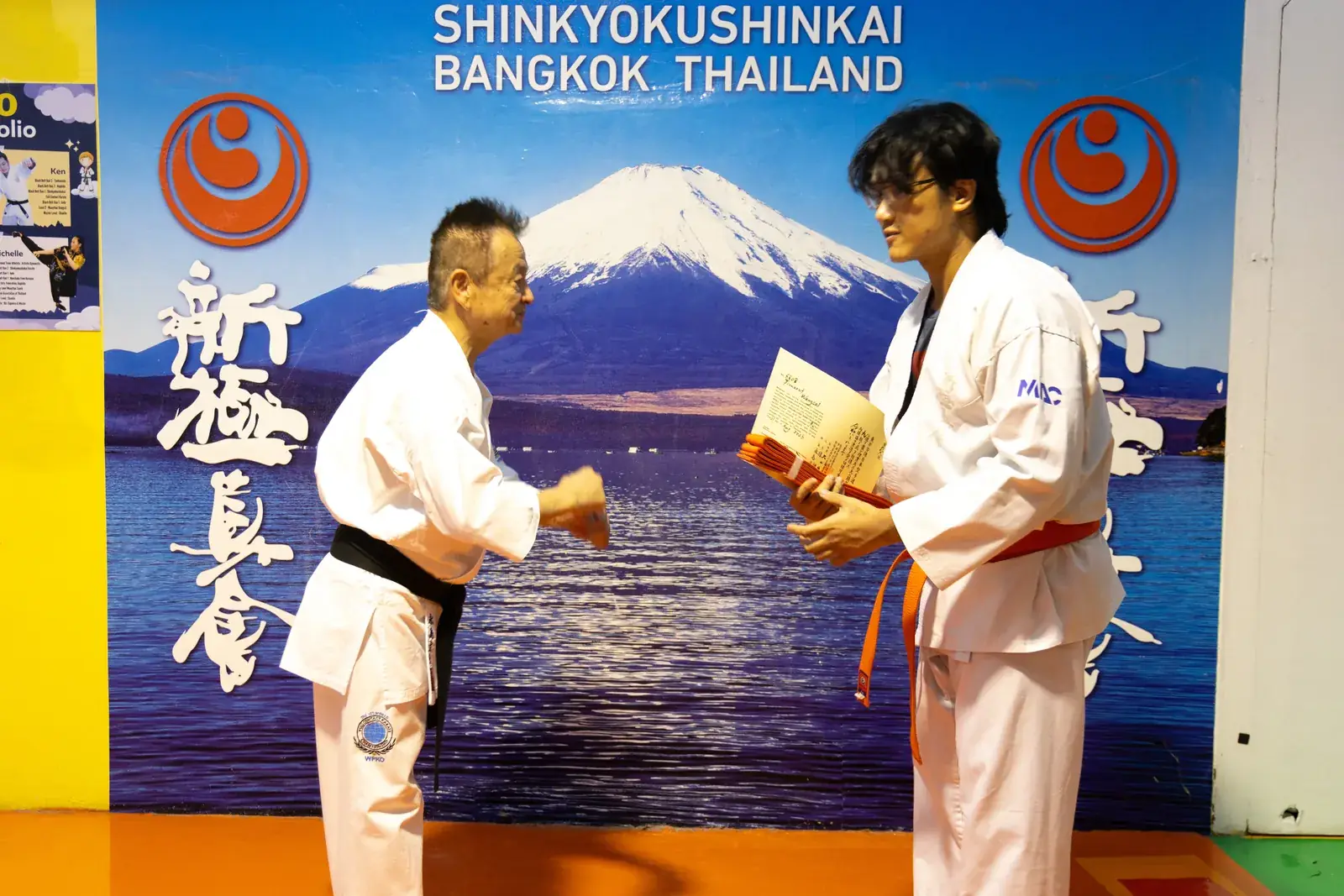
The end of the day was what many students had been waiting for since August. The second grading of the year was held on Friday 21 August 2026, with the Shihan examining over Google Meet from Japan. Today he brought the actual belts and certificates and presented them with his own hands, one person at a time, returning every bow.
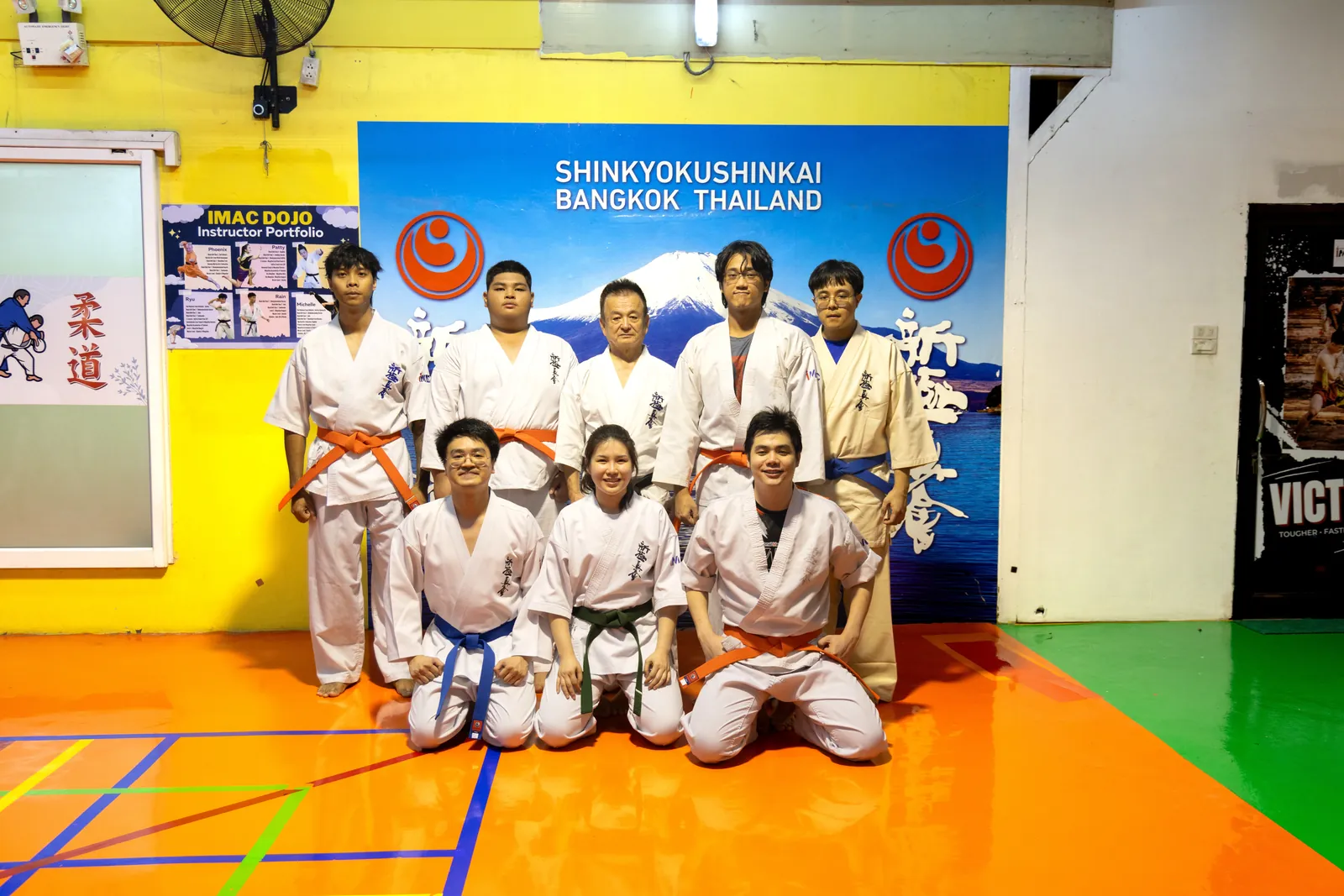
For a student, the difference between receiving a belt from an instructor in the dojo and receiving it directly from the Branch Chief is clear. It confirms that the belt around your waist is tied to the WKO grading system, not a belt the dojo made up on its own.
What this says about IMAC Dojo's lineage
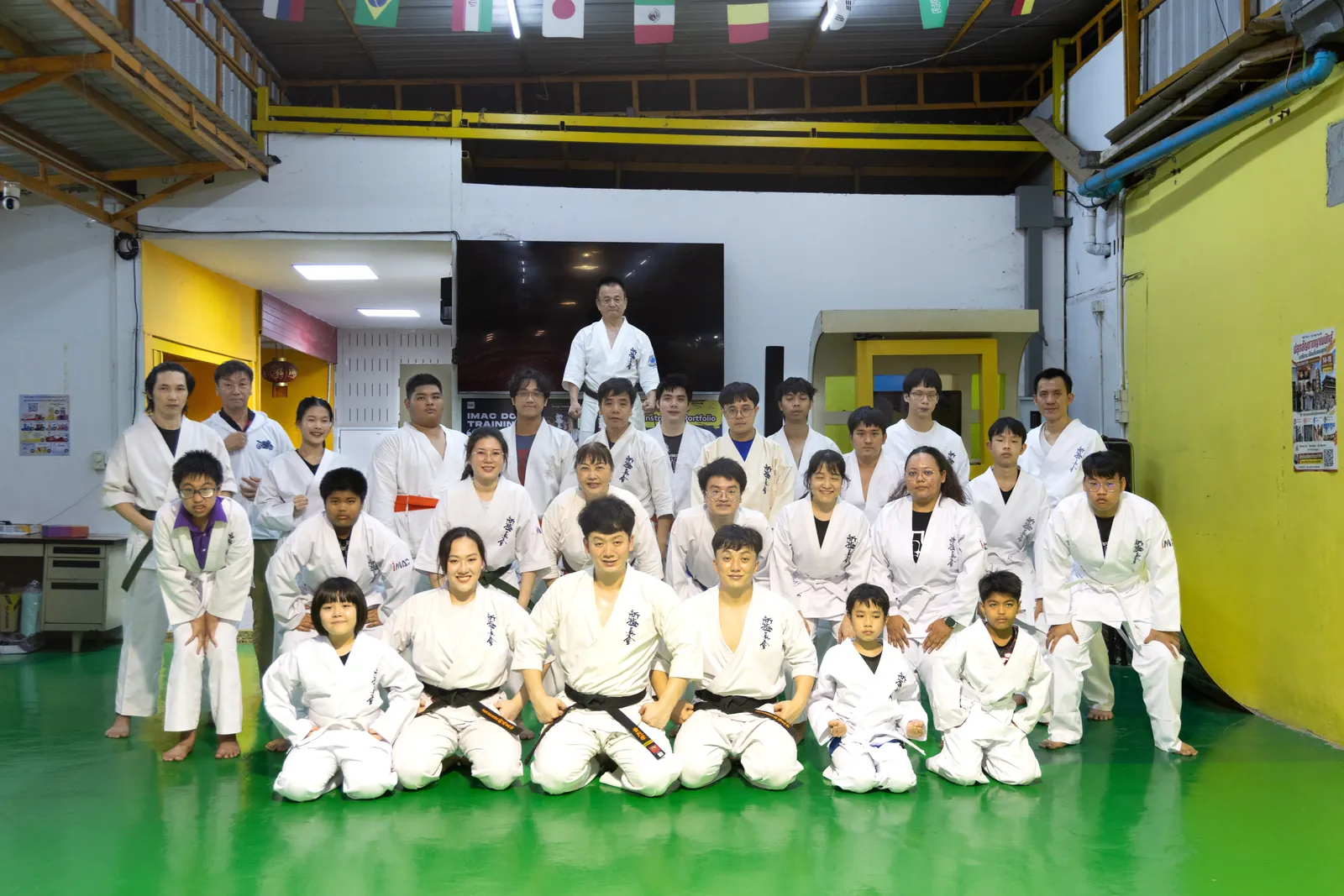
I have already written about the path of Shinkyokushin from Japan to Thailand. In short: WKO grants Thailand one country-level Branch, and Shihan Nagashima is its Branch Chief, directing the training and grading standard of IMAC Dojo. The Asia branches page of WKO lists him under Thailand.
Today turned that sentence into something more than text on a website. Students at IMAC Dojo, Ladprao 101, train to the standard he sets, grade under the WKO system, and receive their belts from his own hand. If you are thinking of starting, look at the schedule and fees first, then ask about the right class for you through LINE Official.
See the Shinkyokushin Karate course at IMAC DojoSources and further reading
- WKO Asia branches list — World Karate Organization ShinkyokushinkaiReferenceAccessed 20 Sept 2026
Frequently Asked Questions
Who is Shihan Nagashima?
Shihan Fumiaki Frank Nagashima is the Branch Chief for Thailand under WKO - World Karate Organization Shinkyokushinkai in Japan. He directs the training lineage and grading system of IMAC Dojo at Ladprao 101.
Which grading did the belts and certificates presented today come from?
From the second grading of 2026, held on Friday 21 August, which the Shihan examined over Google Meet from Japan. He presented the actual belts and certificates in person on 18 September.
Does the Shihan teach the regular classes at IMAC Dojo?
No. Regular classes are taught by IMAC Dojo's own instructors, who hold Shinkyokushinkai black belts. The Shihan directs the training and grading standard, and visits or examines when the occasion calls for it.
How do I start WKO-lineage karate at Ladprao 101?
Check the class times and fees on the schedule and fees page, then ask about the class that fits your age and experience through IMAC Dojo's LINE Official.
Ready to start martial arts?
Message IMAC Dojo to ask which course fits your age, goals, and training background.
Ask on LINE OfficialRelated Articles
Related Topics and Courses
Shinkyokushin Karate