
IMAC Dojo Judo Curriculum · Level 1
Judo Level 1: Ippon Seoi Nage — Connect the entry before lifting
Ippon Seoi Nage is a shoulder throw in which one arm wraps and controls the partner's upper arm. The key is to bring their balance forward and connect the entry before throwing. Trying to lift someone who is still firmly balanced often makes the technique feel unnecessarily heavy.
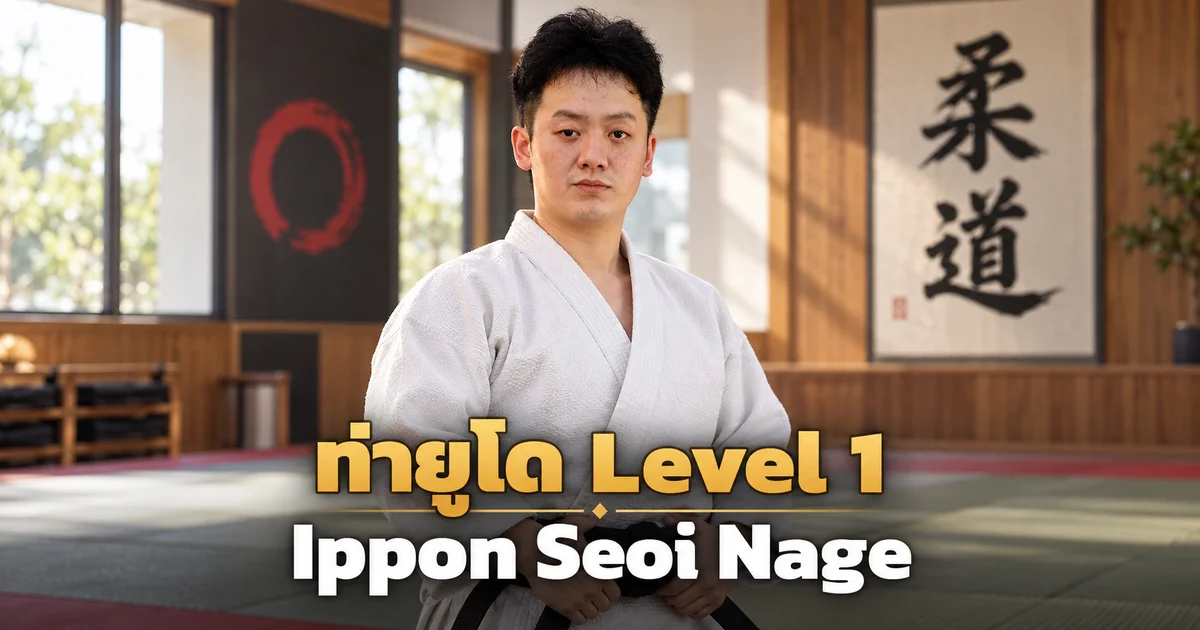
Compiled by Phoenix — Co-founder of IMAC Dojo
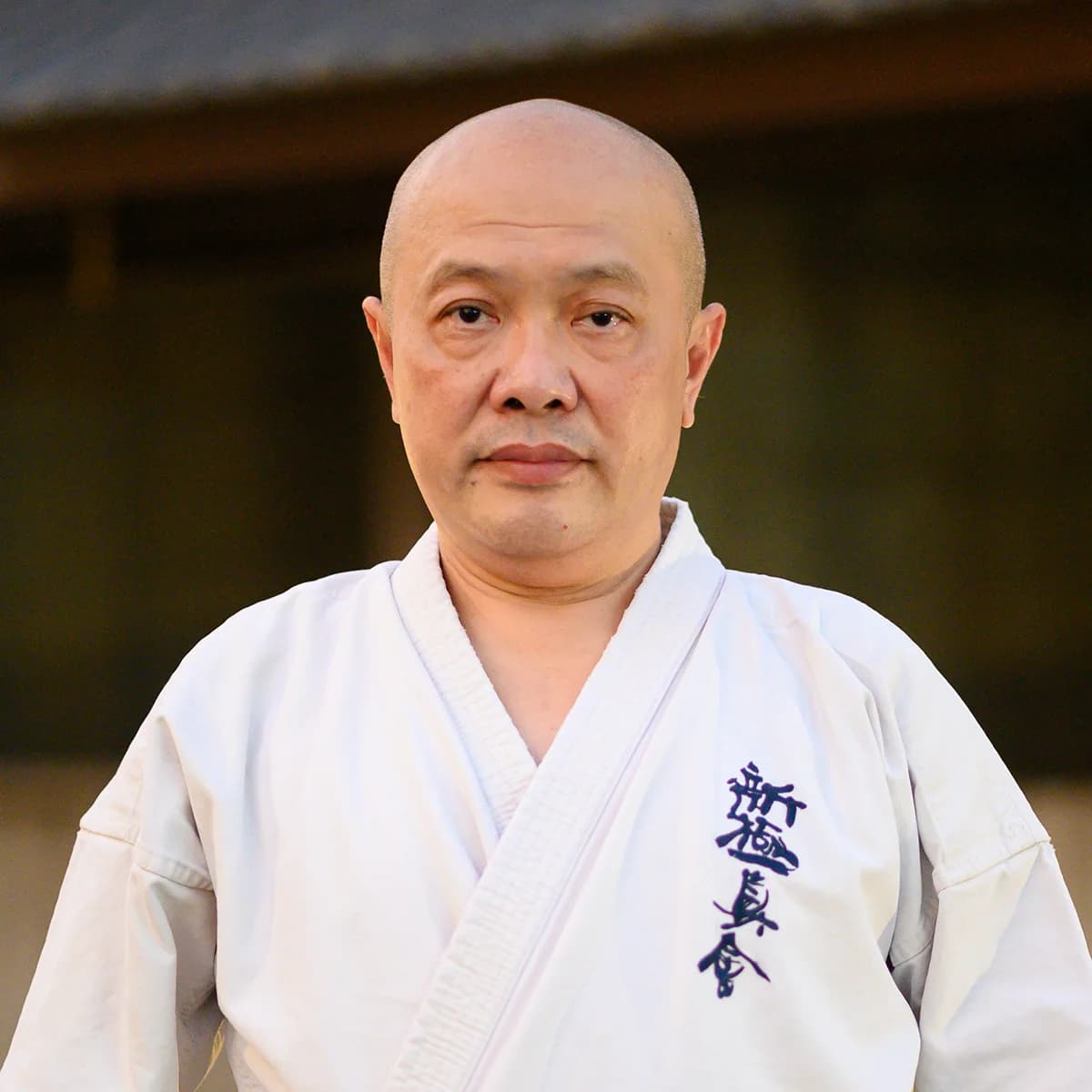 Thaninpong Supapitakpong (Phoenix)Co-founder of IMAC Dojo
Updated 29 Sept 2026
- Author
- Thaninpong Supapitakpong (Phoenix)
- Published
- Last updated
- Sources
- 1
- Reading time
- 4 min
Short Answer
Ippon Seoi Nage is a shoulder throw in which one arm wraps and controls the partner's upper arm. The key is to bring their balance forward and connect the entry before throwing. Trying to lift someone who is still firmly balanced often makes the technique feel unnecessarily heavy.
Key Takeaways
- Watch the sleeve-control hand before the turn: does the pull continue through the steps or stop early?
- Look at the space between the thrower's back and the partner's body. If it is large, review the entry rather than only the height of the throw.
- Compare the lesson and short clip for the same sequence: disrupt balance, enter, and control the descent to the mat.
A shoulder-throw clip draws our eyes to the moment the partner's feet leave the mat. To understand Ippon Seoi Nage, rewind a little. How is the arm controlled, when does the weight start moving, and where is the thrower when the two bodies connect?
In this article
What the name tells us
The Japanese name is 一本背負投, read ippon-seoi-nage. Kodokan places it in te-waza, the hand-technique group. Ippon in this name does not specify a score; it distinguishes this arm-control form from Seoi Nage, which uses a different arrangement of the hands and arms.
How the technique works
Kodokan's explanation starts with breaking the partner's balance forward, wrapping their upper arm from the inside and drawing them close before throwing over the shoulder. Hands, feet and torso therefore work together. Turning your back first and only then trying to haul the partner up misses that connection.
Begin by watching uke's arm, not just how deeply tori lowers the body. Kodokan describes bringing the upper arm close beneath the armpit and controlling one of uke's arms in coordination with the turn. Working backwards from the lift, ask when that connection between arm and torso forms. Turning first while uke's arm remains distant leaves a problem that simply squatting lower does not explain away.
What to watch in the clips
- Watch the sleeve-control hand before the turn: does the pull continue through the steps or stop early?
- Look at the space between the thrower's back and the partner's body. If it is large, review the entry rather than only the height of the throw.
- Compare the lesson and short clip for the same sequence: disrupt balance, enter, and control the descent to the mat.
A distinction worth noticing
Seoi Nage and Ippon Seoi Nage should not be interchangeable labels. Kodokan lists them separately and explains their different arm actions. Likewise, a lower entry alone does not establish that every demonstration shows the same technique: how the partner is supported and brought down also matters.
The word ippon does not mean that the other hand stops working. The sleeve hand still guides uke into the direction of the throw. The distinguishing feature from the two-handed seoi-nage grip is the use of the arm beneath the armpit. A final image of uke across tori's back is therefore insufficient: trace the change from the initial grip to arm control before the throw.
Taking the lesson back to practice
Ask your instructor to check arm placement and entry distance slowly before adding movement. If you need to jerk the arm or bend over to carry the partner, stop and revisit balance first. The receiver needs prepared ukemi, and the thrower should control the movement through its finish rather than let go once the lift succeeds.
The Level here refers to the IMAC Dojo curriculum. Use the article and clips to prepare questions and review them with your instructor. Practical training needs a suitable partner, space and controlled conditions.
Review both clips in three stages: before the turn, as the back approaches uke, and during the controlled landing. Note whether the sleeve connection continues. These are questions to discuss with your instructor, not instructions to squat lower or copy every frame at greater speed. Differences in height and movement timing can produce different-looking entries.
Connect this with your next lesson
Ippon Seoi Nage — Video lesson 1
An IMAC Dojo clip accompanying Ippon Seoi Nage. Use the observations and distinctions in this article to guide your viewing.
Video published
Ippon Seoi Nage — Short demonstration 2
An IMAC Dojo clip accompanying Ippon Seoi Nage. Use the observations and distinctions in this article to guide your viewing.
Video published
Sources and further reading
- 一本背負投(いっぽんせおいなげ)<手技> — 講道館ReferenceAccessed 29 Sept 2026
Frequently Asked Questions
How does Ippon Seoi Nage differ from Seoi Nage?
The main distinction is the arm action. Ippon Seoi Nage wraps and controls the partner's upper arm from the inside; Seoi Nage uses a different grip and arm arrangement. Use the name that matches the technique being demonstrated.
Why does my partner feel so heavy after I enter?
Ask your instructor whether the partner's balance has moved forward and whether there is too much space between you. Pulling harder alone does not explain a problem caused by entry timing or distance.
How should I use the full lesson and the short clip?
Use the full lesson to separate arm control, stepping and entry, then watch the short clip for the connected rhythm. Both support review; neither replaces an instructor checking your actual movement.
Ready to start martial arts?
Message IMAC Dojo to ask which course fits your age, goals, and training background.
Ask on LINE OfficialRelated Articles
Related Topics and Courses
Judo Thailand