What Kind of Sport Is Wushu, and Why It Is Not One Single Chinese Style
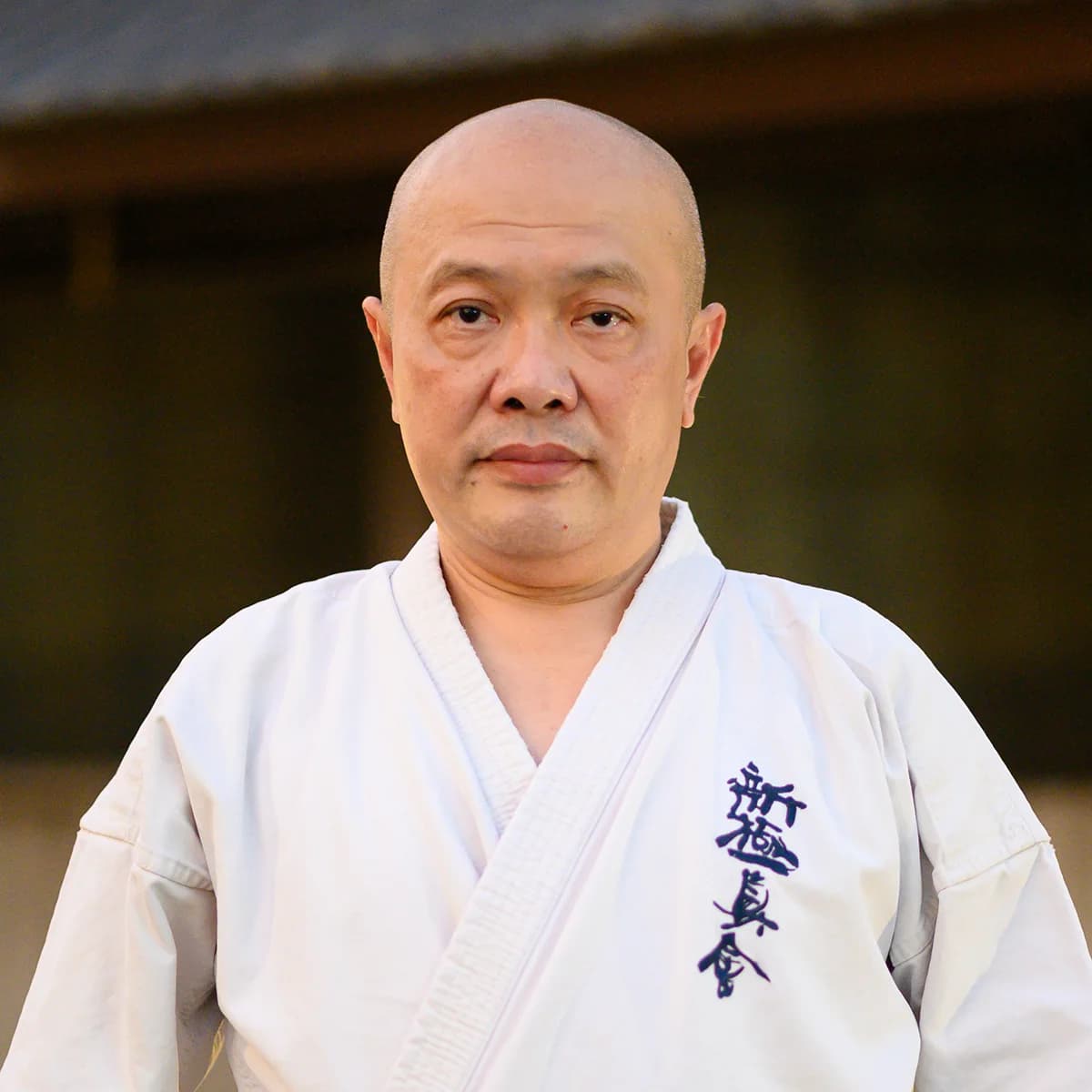
The founder of IMAC Dojo, whose family has trained in Chinese martial arts for about 20 years, explains that wushu is the umbrella term for Chinese martial arts rather than one style, with its origins, taolu and sanda, its link to tai chi and kung fu, and the duanwei ranks.
By
- Author
- Thaninpong Supapitakpong (Phoenix)
- Published
- Last updated
- Sources
- 12
- Reading time
- 10 min
Short Answer
Wushu (武术) is not the name of one Chinese style but the umbrella term for all Chinese martial arts, empty-hand and weapons alike. A Chinese survey from 1982 to 1986 recognised 129 distinct styles, each with its own system. As a sport, wushu has two branches: taolu (套路), competition in forms, and sanda (散打), full-contact fighting. The International Wushu Federation (IWUF), founded in 1990, publishes rules for both.
Key Takeaways
- 武术 (wushu) means martial arts. It is an umbrella term, not the name of a style.
- A survey of styles across China from 1982 to 1986 recognised 129 of them.
- Wushu has been a national competition sport in China since 1957, and the International Wushu Federation has existed since 1990.
- The wushu sport splits into taolu (forms) and sanda (full-contact fighting).
- The duanwei ranking system (段位制) began in 1998, has 9 duan, and was last revised in 2022.
- Wushu is a medal sport for the first time at the Dakar 2026 Youth Olympic Games, in taolu only.
Many people see clips of athletes in Chinese uniforms spinning through the air and swinging swords almost too fast to follow, and wonder what wushu really is: one Chinese style, or a name for something wider. My family has been with Chinese martial arts for about 20 years, from private lessons with a Shaolin lay disciple to competition wushu. I think the question is easier to answer than it looks, but most people have misunderstood it for a long time because the media shows only one side of it.
In this article
What Kind of Sport Is Wushu, and Why Is It Not One Style?
I want to start with the characters. The explanation Chinese people quote most comes from the Zuo Zhuan, where King Zhuang of Chu says "止戈为武": stopping (止) the halberd (戈) makes 武. It is a fine moral teaching, but it is not how the character was formed. In oracle-bone script 止 is a foot, so 武 meant marching with a weapon, as the National Palace Museum explains. 术 means method and skill. Together, 武术 means martial arts in general, not the name of any one style.
This is where I see people go wrong most often. Some think wushu is one kind of Chinese boxing, separate from tai chi or kung fu styles. In fact 武术 and gongfu, which Thai people call kung fu, sit under the same umbrella. The difference is that kung fu is the everyday word, while wushu is the term the Chinese authorities use systematically, in education, competition and rank grading.
What I want to stress is that there are many real styles under the word wushu. China's nationwide survey of styles from 1982 to 1986 recognised 129 of them, using the test that each must have a clear lineage, clear principles, a distinct character and a system of its own. That is the evidence that wushu is an umbrella term, not the name of one style. I always compare it for my students to Muay Thai in the broad sense, which includes Muay Chaiya, Muay Lopburi and Muay Tha Sao, each with its own strengths but all under the same umbrella.
From Ancient Military Training to a Modern Competitive Sport
The history of wushu did not begin in a competition hall but in hunting, self-defence and war. Ancient texts show it clearly from the Yueling chapter of the Book of Rites, which records that at the start of winter the ruler ordered his generals to practise archery, charioteering and "角力" (jiaoli, wrestling), so fighting was already a military subject trained systematically.
I especially like the Han dynasty, because that is when physical training began to be tied to health. Hua Tuo's biography in the Book of the Later Han records that the physician had an exercise called "五禽之戏" (wuqinxi, the Five Animals: tiger, deer, bear, monkey and bird). The idea of training inside and outside together is still part of wushu today, and it matches how I teach at the dojo: good martial arts should not wear down the practitioner's body over the long run but strengthen it as you go.
Wushu as the competitive sport we see today came after 1949. According to the Encyclopedia of China, wushu was part of the national folk sports performance and competition in Tianjin in November 1953, became a national competition sport in 1957, the Chinese Wushu Association was founded in 1958, and the first competition rules came in 1959. The International Wushu Federation (IWUF) was then founded in Beijing on 3 October 1990. So I disagree with the explanation that the wushu sport was created only to repair its image after viral challenge-match clips, because the timeline shows it was organised as a sport decades before social media.
Taolu and Sanda: The Two Sides of the Wushu Sport
Taolu: the art of forms
Taolu (套路) is competition in forms. Basic techniques such as kicks, punches, throws, locks, cuts and thrusts are linked into a set. The three main empty-hand events are changquan (长拳, long fist, with extended movements and high spinning jumps), nanquan (南拳, southern fist, with a stable low base, hip power and a shout to drive the force; see southern fists and northern kicks) and taijiquan (太极拳, tai chi, soft, slow and continuous). There are also weapon events such as the broadsword, straight sword, staff and spear.
Under the IWUF Taolu Competition Rules 2024, the maximum score of 10 splits into three groups: group A judges quality of movements for 5 points, group B judges overall performance, including power, rhythm and spirit, for 3 points, and group C judges degree of difficulty for 2 points, for example a 540-degree tornado kick landing in a horse stance. I often tell my students that calling taolu "dancing" makes people underestimate how hard the training is, because behind the flow on stage is the same movement repeated countless times until the body remembers it to the degree.
Sanda: full-contact fighting
Sanda (散打, formerly sanshou 散手) is full-contact fighting distilled from the real techniques of Chinese boxing, with dangerous techniques removed and protective gear added. Bouts take place on a raised platform without ropes called the leitai (擂台), 8 by 8 metres, 80 centimetres high and surrounded by 2-metre mats. Under the IWUF Sanda Competition Rules 2024, adult athletes wear gloves, headgear, a gum shield, a chest protector and a groin guard; shin guards are only for children and juniors. A bout is the best of three 2-minute rounds with 1 minute of rest, and punches, kicks and throws all score. The back of the head, the neck and the crotch are off limits, and so are the head, elbows, knees and joint locks. I think sanda is the clearest proof that wushu is not only about beauty, because it is Chinese boxing tested against an opponent who will not cooperate.
I compare sanda with training at my own dojo: a beautiful movement in practice and the reality on the platform are two different things. A taolu athlete who trains hard cannot necessarily step onto a sanda platform straight away, because sanda needs reading an opponent's rhythm, absorbing impact and a different kind of stamina. The reverse is also true: a sanda fighter does not need beautiful taolu. My children saw this difference for themselves when they trained in wushu at the Sports Authority of Thailand in early 2011. So when someone says they want to learn wushu, I always ask which branch, because the two give very different results.
How Are Wushu, Tai Chi and Kung Fu Related?
A question I get just as often is whether wushu and tai chi are the same thing. The answer is that taijiquan (太极拳) is one of the styles under the wushu umbrella, like changquan and nanquan, not a separate system. Tai chi simply emphasises softness, slowness and continuity, and has a clearer health dimension than other styles, so people know it on its own without realising it is one of the three main empty-hand events of taolu. In our family, Khru Rain trained in Chen-family taijiquan to direct-line master level and has competed in both taiji and wushu.
Kung fu comes from the Chinese word 功夫 (gongfu), which originally meant skill gained through sustained practice. Making tea, calligraphy or boxing could all be said to show gongfu. As the word spread with the films, it became tied to Chinese martial arts, while wushu became the term the Chinese authorities use systematically. The Chinese martial art IMAC Dojo teaches as a course, Wing Chun in our Wing Chun Sambo course, sits under the same umbrella.
So I always explain to my students that in a formal or competitive context you should say wushu, because it has a system, rules and clear governing bodies. In everyday conversation, saying kung fu is not wrong, as long as you understand it is informal and much broader.
The Duanwei System: How Modern Wushu Measures Skill
Another thing few Thai people know is that wushu has a ranking system similar to black belts, called the duanwei system (段位制). The General Administration of Sport of China says it has been in use since 1998, in three tiers: junior (duan 1 to 3), intermediate (duan 4 to 6) and senior (duan 7 to 9), nine duan in all, much like the dan systems of Japanese and Korean martial arts. It has been revised several times; the current edition took effect on 1 December 2022 and adds grades below duan for beginners.
I think the duanwei system matters a great deal for wushu's credibility internationally, because it lets practitioners from different places compare their level systematically, no differently from the black-belt system in the Shinkyokushin karate I use at my dojo. A clear standard gives both teachers and learners goals they can reach, instead of training on without knowing where they stand.
Comparison Table: Taolu vs Sanda
| Point | Taolu (套路) | Sanda (散打) |
|---|---|---|
| Type of competition | Performing a set of empty-hand or weapon forms | Full-contact fighting against an opponent |
| Judging | Quality 5, performance 3, difficulty 2, out of 10 | Points for punches, kicks and throws, best of three rounds |
| Equipment | No protective gear | Gloves, headgear, gum shield, chest protector, groin guard (shin guards for juniors) |
| Skills trained | Flexibility, balance, memory of forms and expressive power | Reading the opponent's rhythm, absorbing impact and stamina |
| Dakar 2026 Youth Olympic Games | Contested | Not contested |
I made this table so you can see on one page how different the two sides of wushu are: not just in uniform or stage, but from the goal of training to the scoring system. At the Dakar 2026 Youth Olympic Games, where wushu is a medal sport for the first time in an Olympic event, only taolu is contested. If parents want their child to gain discipline, flexibility and confidence in performing, taolu may suit them better; if they want self-defence skills tested in real contact, sanda is worth considering.
To be honest, IMAC Dojo does not teach wushu as a public course. But the ideas behind wushu, training inside and outside, putting fundamentals first, and measuring skill systematically, are the same principles we use to teach Shinkyokushin karate and judo at the dojo. Anyone interested in wushu itself should look for a school that specialises in it.
Conclusion
Coming back to the first question, what is wushu, I hope it is now clear that it is not the name of one Chinese style, but a term that covers a long history, the 129 styles China recognises, and competition split clearly into taolu and sanda. What I want to leave you with, from about 20 years of my family's time in Chinese martial arts, is that whether it is wushu, karate, judo or any other art, the heart of good training is not the name of the school or the beauty of the movements, but correct fundamentals, discipline and honesty about what you actually train. If you are interested in training that puts fundamentals, safety and each person's own potential first, see the courses for children and adults on IMAC Dojo's schedule and pricing page.
Sources and further reading
- Zuo Zhuan, Duke Xuan year 12 (止戈为武) - Chinese Text Project — Chinese Text ProjectReferenceAccessed 28 Sept 2026
- The character 武 in oracle-bone script - National Palace Museum — National Palace MuseumReferenceAccessed 28 Sept 2026
- Book of Rites, Yueling (讲武 习射御角力) - Chinese Text Project — Chinese Text ProjectReferenceAccessed 28 Sept 2026
- Book of the Later Han, Hua Tuo and the Five Animals - Chinese Text Project — Chinese Text ProjectReferenceAccessed 28 Sept 2026
- Modern wushu history, Encyclopedia of China (1998) - Sohu — Sohu (Encyclopedia of China, 1998)ReferenceAccessed 28 Sept 2026
- The survey that recognised 129 styles - Sina News — Sina News (The Beijing News)ReferenceAccessed 28 Sept 2026
- IWUF 30th Anniversary Special Issue 1990-2020 — International Wushu FederationReferenceAccessed 28 Sept 2026
- Wushu Taolu Competition Rules and Judging Methods 2024 - IWUF — International Wushu FederationReferenceAccessed 28 Sept 2026
- Sanda - IWUF — International Wushu FederationReferenceAccessed 28 Sept 2026
- Wushu Sanda Competition Rules and Judging Methods 2024 - IWUF — International Wushu FederationReferenceAccessed 28 Sept 2026
- China Wushu Duanwei System - General Administration of Sport of China — General Administration of Sport of ChinaReferenceAccessed 28 Sept 2026
- Wushu at the Dakar 2026 Youth Olympic Games - IWUF — International Wushu FederationReferenceAccessed 28 Sept 2026
Frequently Asked Questions
What kind of sport is wushu, and how is it different from kung fu?
Wushu (武术) is the umbrella term for Chinese martial arts that the Chinese authorities use systematically, and it has been a national competition sport in China since 1957. Kung fu (功夫) is an everyday word that originally meant skill gained through practice, not only in fighting.
Is wushu one particular Chinese style?
No. Wushu is an umbrella term covering many Chinese styles. A Chinese survey from 1982 to 1986 recognised 129 styles with a system of their own.
What is the difference between taolu and sanda?
Taolu is competition in empty-hand or weapon forms, judged on quality, performance and difficulty. Sanda is full-contact fighting on the leitai platform, scored with punches, kicks and throws over the best of three rounds.
How is tai chi related to wushu?
Taijiquan is one of the three main empty-hand events of taolu, alongside changquan and nanquan, so it is not a system separate from wushu but part of it.
At what age should a child start wushu?
This article gives general knowledge about the wushu sport. Parents who want their child to train in wushu should ask a school that teaches wushu directly about age requirements and training approach.
Is the wushu duanwei system comparable to black belts?
Broadly, yes. Duanwei has been used in China since 1998, with 9 duan in three tiers, junior, intermediate and senior, and it measures a practitioner's progress step by step like the dan systems of Japan and Korea.
Ready to start martial arts?
Message IMAC Dojo to ask which course fits your age, goals, and training background.
Ask on LINE Official