How Many Southern Chinese Kung Fu Styles Are There? 32 Documented Styles, from Wing Chun to Hung Kuen
How many southern Chinese kung fu styles are there, really? This article gathers 32 southern styles backed by intangible cultural heritage lists or official documents, arranged by province: from the Five Great Families of Guangdong, Wing Chun and Choy Li Fut, through Fujian and Hakka boxing, to two styles that official Chinese documents say are practised in Thailand.
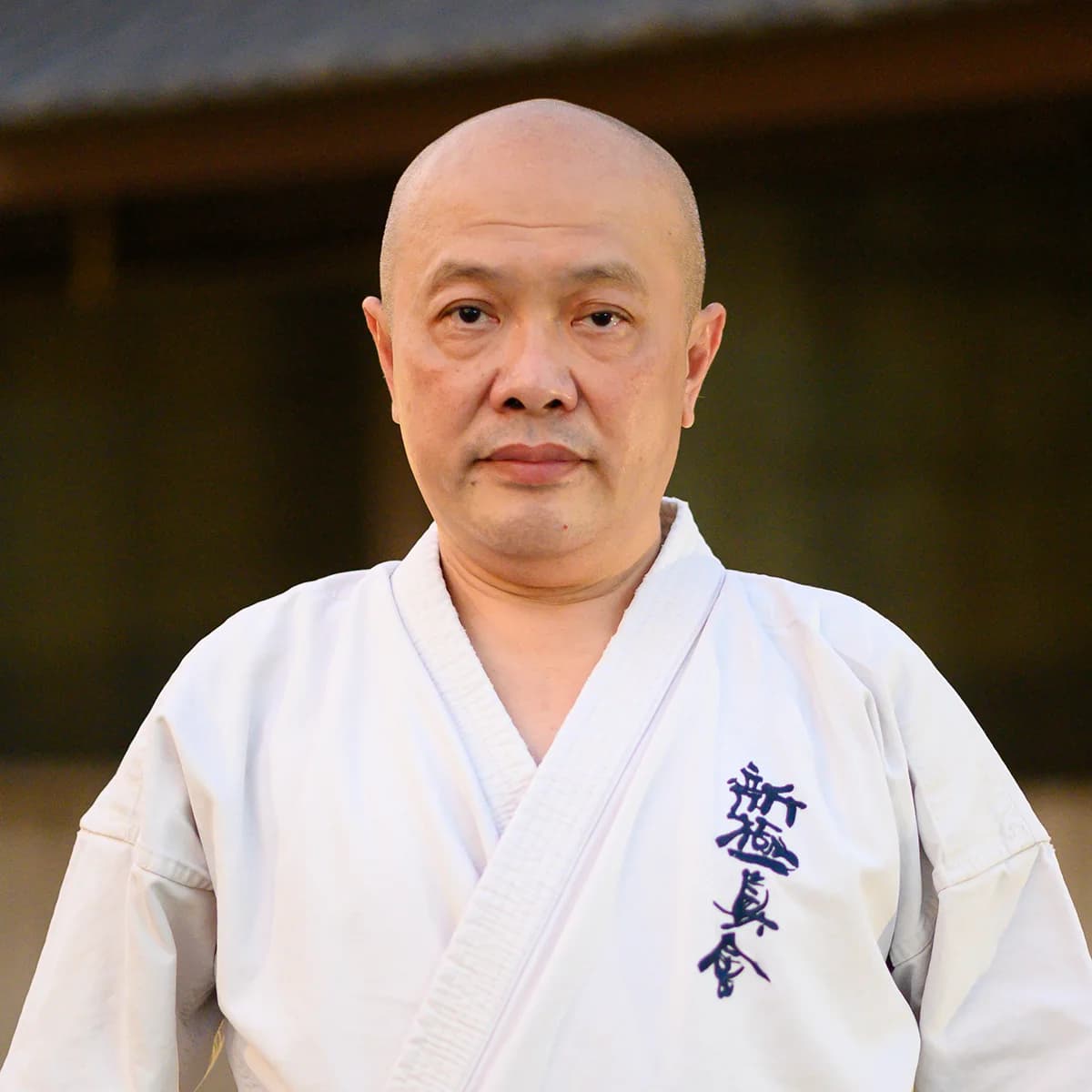
- Author
- Thaninpong Supapitakpong (Phoenix)
- Published
- Last updated
- Sources
- 79
- Reading time
- 32 min
Short Answer
Southern Chinese boxing, or Nanquan (南拳), has no officially counted number of styles. The official figure that exists is a nationwide survey of China in the 1980s, which counted about 129 kinds of Chinese boxing from every region. This article therefore gathers only the southern styles backed by intangible cultural heritage lists or official documents, 32 in all: from the Five Great Families of Guangdong (洪刘蔡李莫), Wing Chun and Choy Li Fut, through Fujian and Hakka boxing, to Nanzhi Quan and Zhu Jia Jiao, which have practitioners in Thailand.
Key Takeaways
- Nanquan (南拳) is the umbrella term for Chinese boxing that originated and spread south of the Yangtze River, not the name of any single style.
- There is no official count of southern styles yet; this article includes only the 32 styles backed by official documents.
- Guangdong has the most, 13 styles, including the Five Great Families 洪刘蔡李莫, Wing Chun and Choy Li Fut.
- Six of the southern styles in this article are on China's national intangible cultural heritage list.
- Official Chinese documents state that Nanzhi Quan and Zhu Jia Jiao spread to Thailand.
Southern Chinese boxing is one of the most distinctive families of kung fu: low, stable stances, short bridging arms, power delivered at close range but with real weight, a wide variety of hand shapes, and a habit of shouting while issuing force. A Chinese saying sums it up as 南拳北腿 (nanquan beitui), southern fists, northern legs. Southern boxing is also bound up with the culture of southern China, from lion dance and dragon dance to Cantonese opera and medicine, and it has travelled the world with kung fu films. The Wing Chun of Ip Man and Bruce Lee and the Hung Kuen of Wong Fei-hung are all southern styles.
The question I hear most often from people who have just become interested in kung fu is how many southern Chinese styles there are. I tried to find the answer in official Chinese documents and found that no agency has yet counted southern boxing as a single number. General websites list a great many style names, but many of them have no source that can be checked at all.
So I took a strict approach in this article: I include only southern styles recorded by the intangible cultural heritage lists of China or Hong Kong, by government bodies, by universities or by mainstream media. That gives 32 styles in all. Every style links to its source, and where something is legend, I say plainly that it is legend.
In this article
What Is Nanquan (南拳), Southern Chinese Kung Fu?
Nanquan (南拳) literally means southern boxing. The International Wushu Federation (IWUF) describes Nanquan as boxing that originated and spread south of the Yangtze River, so it is an umbrella term for many styles, not the name of any single one.
In wushu competition, Nanquan is also the name of one bare-hand routine event, alongside Changquan (长拳) and Taijiquan (太极拳). The two need to be kept apart: Nanquan on the wushu stage is a standardised sport routine, not the boxing of any particular style. I explain this in detail in What kind of sport is wushu.
When Thai people say "southern boxing" on its own, they may mean the southern Muay Thai styles of our own country, so in this article I always write southern Chinese boxing or southern kung fu to avoid confusion.
One more thing to settle first is naming. Chinese martial arts reach English through more than one dialect, mostly Cantonese and Mandarin, and mixing spellings at random makes an article look careless, so I use one system throughout. Each style goes by the name the martial-arts world already knows it by, which for most Guangdong styles is the Cantonese romanisation, such as Hung Kuen (also called Hung Gar) and Wing Chun; a style with no established English name is written in Hanyu Pinyin, such as Wuzuquan or Li Jia Jiao. People follow the same rule: Wong Fei-hung, Ip Man (叶问) and Bruce Lee (李小龙) keep the names readers already know, anyone without an established English name appears in Pinyin, and so do all place names. I give the Chinese characters at first mention, because a romanised name can hide which art is meant: Wing Chun (咏春拳) and Weng Chun (永春拳) sound identical in Mandarin, but they are two different styles.
What Makes Southern Kung Fu Distinctive: Southern Fists, Northern Legs
The saying everyone in Chinese martial arts knows is 南拳北腿 (nanquan beitui): southern fists, northern legs. The Guangdong Provincial Local Chronicles Office explains that southern boxing uses short bridging arms and short-range power, wide and sunken stances, and a great variety of hand techniques, while northern boxing is open and expansive, leaps, and stands out for its legwork. I have already written about where the saying comes from in Southern fist, northern kick: how Shaolin split into two lineages.
Putting the IWUF's description together with the Guangdong document, southern boxing shares these traits:
- Low stances, and less use of the legs than northern boxing
- Short, powerful punches, with force delivered at close range
- Vocal sounds used while issuing power
- Varied and intricate hand techniques
- Bridging arms, or 桥 (qiao); in the IWUF rules, bridge-arm techniques and tiger-claw hands are required elements of the Nanquan routine
Another side of southern boxing stands out beyond the training floor. The same Guangdong document records that from the late Ming to the late Qing dynasty, Guangdong boxing merged with lion dance, dragon dance, Cantonese opera, health care and medicine until it became part of Guangdong's culture. Today it is still handed down through performance, competition and classes, and it has spread abroad along with kung fu films. I think this is why many Thai people knew southern boxing through the films about Wong Fei-hung and Ip Man before they knew it was southern boxing.
But the saying does not mean southern boxing has no kicks. A clear example is Mok Gar, which is famous for its kicking; I cover it in the Five Great Families section. For my personal view on why Cantonese boxing stands low, read Why Cantonese boxing stands low and rarely kicks high.
How Many Southern Chinese Kung Fu Styles Are There? The Answer from Official Records
The closest thing to an official figure is a nationwide survey of Chinese boxing in the 1980s, which counted about 129 kinds of Chinese boxing. That figure covers Chinese boxing from every region and does not say how many of them are southern, so I would rather not invent a number for southern styles myself.
What I can do is gather the southern styles that official documents back up, and that comes to 32 styles in all. I count only arts that are a style or system of their own. Sets taught inside another style, such as Gung Ji Fook Fu Kuen within Hung Kuen, I describe under that style rather than counting them separately.
| Region | Styles | Styles in the group |
|---|---|---|
| Guangdong | 13 | Five Great Families, Wing Chun, Choy Li Fut, Bak Mei, Lung Ying, Chow Gar, Fut Gar, Wang Jia Quan, Weng Chun |
| Fujian | 8 | Fujian's seven great styles, plus Taizuquan |
| Hakka boxing | 8 | The eight great schools of the Hakka |
| Chaoshan (Teochew) | 1 | Nanzhi Quan |
| Hunan | 1 | Wu Jia Quan |
| Zhejiang | 1 | Wenzhou Nanquan |
| Total | 32 | All the regions above |
I have come across many other southern style names on general websites, but I have not yet found official documents to back them, so they are not in this article yet. Whenever I find the evidence, I will add those names to this page.
Southern Shaolin, the Hongmen, and Legends to Read with Care
Many southern styles trace their origin back to the Southern Shaolin Temple (南少林) in Fujian province. Even China's own national intangible cultural heritage (ICH) list records this legend: the listing for Fuzhou Wing Chun, for example, names the nun Ng Mui (五枚师太) of the Southern Shaolin at Fuqing as its creator.
Academically, however, the scholar Zhou Weiliang (周伟良) explains in an article published by the Institute of Qing History at Renmin University of China that the Southern Shaolin in the stories of the Tiandihui (天地会, the Heaven and Earth Society) was not a temple with a fixed location, but a story that a secret society used to rally people during the Qing dynasty. Archaeologically, there are the remains of a Shaolin temple at Fuqing, discovered in 1993, which were listed as a protected historic site at Fujian provincial level in 2005.
So I write "according to legend" every time a founder story has no contemporary evidence. To see how legend and history overlap, read Shaolin Ten Tigers vs Guangdong Ten Tigers: what is the difference? and Did Wing Chun come from Shaolin or the Red Boat?.
The Five Great Families of Guangdong: 洪刘蔡李莫
The best-known group of southern styles in Guangdong is the Five Great Families (广东五大名拳), recited as 洪刘蔡李莫 (Hung, Lau, Choy, Lee, Mok). The grouping appears in Guangdong's own ICH listings, both in the Hung Kuen listing and in the Lau Gar one.
1. Hung Kuen (洪拳 · also Hung Gar)
Hung Kuen (洪拳), also called Hung Ga Kuen (洪家拳) or simply Hung Gar, is on Guangdong's provincial ICH list as Hung Kuen, Wong Fei-hung lineage (洪拳 黄飞鸿派). The listing describes Hung Kuen as one of the Five Great Families and names famous masters such as Luk Ah Choy (陆阿彩), Tit Kiu Sam (铁桥三, real name Leung Kwan 梁坤), Wong Fei-hung (黄飞鸿) and Lam Sai-wing (林世荣).
Hong Kong's ICH inventory records that Hung Kuen in Hong Kong descends from Wong Fei-hung: his wife Mok Gwai-lan (莫桂兰) and his student Lam Sai-wing moved to Hong Kong and taught there around the 1930s. If you are interested in the Wong family, read on in Huang Qiying, one of the Ten Tigers of Canton.
Hung Kuen has more than one Guangdong provincial listing. Among them, the Zhanjiang Hung Kuen listing records, following oral tradition, that Hung Hei-gun (洪熙官), a lay disciple of Southern Shaolin, created Hung Kuen in the Kangxi reign, a claim that should be read alongside the scholarly notes on Southern Shaolin in the previous section.
The Lam Sai-wing lineage of Hung Kuen has sets that Hong Kong's inventory records separately:
- Gung Ji Fook Fu Kuen (工字伏虎拳), the foundation set for beginners
- Fu Hok Seung Ying Kuen (虎鹤双形拳, Tiger and Crane boxing), the set that represents this lineage
- Tit Sin Kuen (铁线拳, Iron Wire boxing), another set of this lineage
2. Lau Gar (刘家拳)
The Zhongshan Intangible Cultural Heritage Protection Center records that Lau Gar ranks second among the Five Great Families and was created by Liu Sheng (刘生) in the Qianlong reign. The Lau Gar of Dachong (大涌) township was listed as Zhongshan municipal intangible heritage in 2020.
3. Choy Gar (蔡家拳)
The Zhenjiang District government in Shaoguan records that Choy Gar is municipal-level intangible heritage, and that it began spreading in Shaoguan, in northern Guangdong, from the Jiaqing reign onward.
Choy Gar is a good example of separating legend from evidence. The story that Shaolin monks passed this style down was judged to have no basis by a study in the journal of the Hebei Institute of Physical Education.
4. Lee Gar (李家拳)
In Guangdong, Lee Gar exists as two unrelated lineages. The first is Huizhou Lee Gar, which is on the provincial ICH list. The listing says it was created in the Qianlong reign by Li Yi (李义, also known as Li Cunyi 李存义) of Guishan county.
The second is the lineage of Lee Yau-san (李友山) of Xinhui. Zhongshan's heritage list records Gangnan Lee Gar (冈南李家拳) as descending from Lee Yau-san, whose student was Chan Heung (陈享), the founder of Choy Li Fut.
5. Mok Gar (莫家拳)
Mok Gar is on China's national ICH list, fifth batch, 2021. The listing says the style took shape in Guangdong during the Qianlong reign, originating in Huizhou, spreading in Dongguan and developing in Guangzhou.
What I like about Mok Gar is that it challenges the image of southern boxing as boxing without kicks. The provincial listing records that its principle is 一腿胜三拳 (yi tui sheng san quan): one kick beats three punches, and according to the listing its creator was Mo Zheyao (莫蔗咬), also called Mo Dashi (莫达士), of Huizhou.
Other Southern Styles of Guangdong, from Wing Chun to Bak Mei
Beyond the Five Great Families, Guangdong has 8 more southern styles backed by official documents, and some of them are better known around the world than the Five Great Families themselves.
6. Wing Chun (咏春拳)
Wing Chun (咏春拳) is the southern style best known around the world. On China's national ICH list, Wing Chun was first entered in 2014 as Fuzhou Wing Chun, Fujian province, a listing that records, following legend, that the nun Ng Mui created it, and that uses the names of the forms Siu Nim Tao (小念头), Chum Kiu (寻桥) and Biu Jee (标指) to mark the order of disciple generations. As for the name Wing Chun itself, the Guangdong provincial listing says it comes from a Fujianese woman named Yim Wing Chun (严咏春). I tell this legend in Ng Mui: the legend behind Wing Chun's origin.
Then in 2021, Foshan Wing Chun was added to the list. The listing says that Leung Jan (梁赞), a Foshan master, fused the boxing that had been handed down to him into Cantonese-style Wing Chun. The lineage that made Wing Chun famous worldwide is that of Ip Man (叶问), which has its own Guangdong provincial listing as Wing Chun, Ip Man lineage (咏春拳 叶问宗支), and Hong Kong's inventory records the Ip Man lineage as descending from Leung Jan. The Hong Kong government's news service records that Bruce Lee (李小龙) was a student of Ip Man from the age of 13 and later created Jeet Kune Do (截拳道).
Of all the southern styles in this article, Wing Chun is the one that IMAC Dojo actually teaches as a course, within Wing Chun Sambo, and I describe our family's experience in Lessons learned from training Wing Chun in China.
7. Weng Chun (永春拳)
Weng Chun (永春拳) is the style people confuse with Wing Chun more than any other, because in Mandarin the two names sound identical, syllable for syllable, while the first character differs: Wing Chun is written with 咏, Weng Chun with 永. Hong Kong's ICH inventory treats them as separate items, Weng Chun as item 3.64 and Wing Chun as item 3.70, and the English names in the inventory differ too: Weng Chun and Wing Chun.
Hong Kong's inventory records that Shaolin Weng Chun (少林永春拳) takes its name, according to tradition, from the Weng Chun Hall (永春殿) of the Southern Shaolin temple, and that the lineage came down to Chu Chung-man (朱颂民) of Foshan, who came to teach in Hong Kong in 1953. The style has three core forms, Pingquan (平拳), Foquan (佛拳) and Meihua Bagua (梅花八卦), plus 2 Zhuangquan (桩拳) forms; it trains the wooden-dummy sets Tianpan Zhuang (天盘桩) and Dipan Zhuang (地盘桩), and uses the six-and-a-half-point pole (六点半棍) and the xingzhe staff (行者棒). Its key principle is 由长入短 (you chang ru duan), from long into short, using both long bridging arms and short hands.
Another line is Opera-troupe Weng Chun (班中永春拳). The inventory says the monk Jee Sin took refuge with a Cantonese opera troupe, shortened the stance and the bridging arms to suit the space aboard the boats, and taught four students: Leung Yee Tai (梁二娣), Xin Jin (新锦), Lan Gui (兰桂) and Wong Wah Bo (黄华宝). The same entry goes on to say that Leung Jan (梁赞) learned from Lan Gui and Wong Wah Bo, so the two styles carry overlapping stories of the opera troupe, the wooden dummy and the six-and-a-half-point pole, which is why people mix them up so often.
Wing Chun, Weng Chun and Yongchun White Crane: How They Differ
Three styles in this article have names that read "Yongchun" in Mandarin. This table summarises the differences, drawn from the documents cited in this article.
| Point | Wing Chun | Weng Chun | Yongchun White Crane |
|---|---|---|---|
| Chinese characters | 咏春拳 | 永春拳 | 永春白鹤拳 |
| English name | Wing Chun | Weng Chun | Yongchun White Crane |
| Origin of the name, according to tradition | A woman named Yim Wing Chun (严咏春) | The Weng Chun Hall (永春殿) in the Southern Shaolin temple | A style of Yongchun County (永春县), Fujian |
| Forms on record | Siu Nim Tao, Chum Kiu, Biu Jee | Pingquan, Foquan, Meihua Bagua, Zhuangquan | Legend says Fang Qiniang (方七娘) created it |
| Heritage listing | China national (Fuzhou 2014 and Foshan 2021) and Hong Kong | Hong Kong | National as part of Wuzuquan, and Fujian provincial 2022 |
| Number in this article | 6 | 7 | 15 |
8. Choy Li Fut (蔡李佛拳)
Choy Li Fut is on China's national ICH list, second batch, 2008. The listing says it was founded by Chan Heung (陈享) of Jingmei village, Yaxi township, Xinhui county, in 1836, the 16th year of the Daoguang reign.
The style takes its name from Chan Heung's three teachers, as Shenzhen University explains: Choy (蔡) comes from Choy Fook (蔡福), Li (李) from Lee Yau-san, and Fut (佛) from Chan Yuen-wu (陈远护), whose art came from a Buddhist lineage. The Xinhui District government also records that Chan Heung began studying with Lee Yau-san in 1823, on Chan Yuen-wu's introduction.
Something wushu students may not know is that the Guangdong provincial listing states that Choy Li Fut is the main source of the Nanquan routine in international wushu competition.
9. Bak Mei (白眉拳)
The Bak Mei of Tangxia township is on Jiangmen's sixth municipal ICH list, 2017. Sources still do not agree on the history of Bak Mei's founder, so I will not retell the founding legend in this article.
10. Lung Ying (龙形拳)
Lung Ying is on Guangdong's provincial ICH list. The listing says that Lam Yiu-gwai (林耀桂) of Huizhou, nicknamed the Tiger of Dongjiang (东江老虎), created it in the late 19th century. China's Ministry of Culture and Tourism explains that Lung Ying emphasises short strikes and closing in, and Hong Kong's inventory records that Lam Yiu-gwai came to teach in Hong Kong from the 1930s.
11. Chow Gar (周家拳)
The official channel of the Pengjiang District government in Jiangmen records that Chow Gar was created by Chow Lung (周龙) of Shafu village, Tangxia township, in the period from the late Qing to the early Republic, and that it is municipal intangible heritage.
12. Fut Gar (佛家拳)
The Fut Gar of Taishan county is on the same Jiangmen municipal ICH list as Bak Mei, in 2017.
13. Wang Jia Quan (王家拳)
The Wang Jia Quan of Huazhou (化州), in Maoming, is on Guangdong's provincial ICH list. The listing says that it is a southern style with roots in the Wang Jia Quan of Yongchangbao (永昌堡), in Wenzhou, Zhejiang province, which makes it a good example of how southern styles have always travelled across provincial borders.
Southern Kung Fu of Fujian, One of the Roots of Karate
Fujian is where the Southern Shaolin legend is tied most tightly. I count 8 Fujian styles backed by official documents. Karate practitioners should get to know this group in particular, because it is an important source of Okinawan karate, which I cover separately in the next section.
The Fujian provincial government publishes a list of Fujian's seven great boxing styles: Wuzuquan, Yongchun White Crane, Longzun Quan, Huzun Quan, dog boxing, Liancheng Quan and Fuzhou crane boxing. It also states that in 1993 the Fujian sports gazetteer added Zhangzhou's Taizuquan as the eighth major style.
14. Wuzuquan (五祖拳, Five Ancestors Fist)
Wuzuquan of Quanzhou is on China's national ICH list, second batch, 2008. The name Five Ancestors comes from the combination of five styles: Damo (达摩), Taizu (太祖), Luohan (罗汉), Xingzhe (行者) and Baihe (白鹤). The listing says Wuzuquan spread to Hong Kong, Macau, Taiwan and Southeast Asia from the Ming and Qing dynasties onward.
15. Yongchun White Crane (白鹤拳)
Yongchun White Crane (永春白鹤拳) is named after Yongchun County in Fujian, and it is a different style from Wing Chun (咏春拳) and Weng Chun (永春拳), even though the names sound alike. I compare the three in a table in the Guangdong section. The Yongchun County government states that this style is on the national list as part of Wuzuquan, and was listed at provincial level in its own right in 2022. As for its founding legend, The Paper tells how Fang Qiniang (方七娘), daughter of a Shaolin boxer named Fang Zhong (方种), created this style at a Guanyin temple on Mount Wumei.
16. Fuzhou Crane (福州鹤拳)
The Fujian provincial government counts Fuzhou crane boxing as a major style of its own, listed separately from Yongchun White Crane, which means Fujian has more than one crane lineage.
17. Taizuquan (太祖拳)
Taizuquan is one of the five styles combined into Wuzuquan, and it is also a style in its own right. The Fujian provincial government records that Zhangzhou's Taizuquan Qinglong Zhen (太祖拳青龙阵) was listed as provincial intangible heritage in December 2011, and the 1993 edition of the Fujian sports gazetteer counts Zhangzhou's Taizuquan as one of the province's main styles.
18. Dishu Quanfa (地术犬法, dog boxing)
China Radio International reports that Dishu Quan (地术拳), or Dishu Quanfa, which local people call 狗拳 (gouquan), dog boxing, is one of Fujian's seven great styles, was listed as national intangible heritage in 2011, and spread to Hong Kong and Southeast Asia.
Dog boxing interests me in particular, because its name tells you it is a style that works on the ground, something most southern styles rarely talk about, and that is the same reason we added principles from Sambo to Wing Chun Sambo.
19. Liancheng Quan (连城拳)
The Liancheng County government records that Liancheng Quan was put on Fujian's third provincial ICH list in 2009, and the Longyan Municipal Sports Bureau states that Liancheng's martial arts comprise more than 40 sets, covering empty hands, weapons, partner sets and fighting.
20. Longzun Quan (龙尊拳)
Longzun Quan is on the list of Fujian's seven great styles published by the provincial government. Fujian's Southeast Network (东南网) reports that Longzun Quan, also called Longzhuang Quan (龙桩拳), is handed down in Shanyang township, Gutian county, Ningde, was classed as one of Fujian's seven traditional styles in 1984, and was listed as provincial intangible heritage in February 2019.
21. Huzun Quan (虎尊拳)
Fuzhou News reports that Huzun Quan originated in Yongtai (永泰) county, was created in the Qianlong reign, and is one of Fujian's seven great styles. Yongtai is also home to the tiger-boxing teacher who taught Zhou Zihe (周子和), the man both Chinese and Okinawan sources agree was the teacher of Kanbun Uechi. I give the details in the next section.
How Karate Came from Southern Chinese Boxing: Evidence from Japan and China
People who train karate often wonder whether karate really came from Chinese boxing. As someone who trains both kung fu and Shinkyokushin Karate, I would rather answer with official documents than with feelings, and the documents of both Japan and China give the same answer: yes. The key source is southern boxing from Fujian, and from the city of Fuzhou in particular.
Karate's Foundation: Okinawan "Te" Blended with Chinese Boxing
Japan's Cabinet Office explains that modern Okinawan karate was built on a native art called 手 (ti), into which Chinese boxing was blended. The Okinawa Prefectural Assembly recorded in its Karate Day resolution that Chinese boxing reached Okinawa around 1400 to 1500, and Okinawans adopted its strengths. The same resolution states that writing karate with the characters 空手 (empty hand) was officially decided on 25 October 1936; before that, Okinawans used the word 唐手 (tode), whose background I explain in The Chinese roots of karate.
Chinese boxing came in by at least two routes. The first was the Chinese community of Kume village (久米村). Japan's Cabinet Office explains that Kume was home to Chinese immigrants, most of whom came from Fuzhou, and that the Chinese boxing of the Fujianese artisans known as the Thirty-Six Families of Kume (久米三十六姓) had a strong influence on Naha-te (那覇手). The second was the Chinese emperor's envoys. Okinawa Prefecture records that Xu Baoguang (徐葆光), a deputy envoy who reached Ryukyu in 1719, recorded the Ryukyuan terms for fist techniques in his book 中山传信录 (Zhongshan Chuanxin Lu), completed in 1721.
Okinawan Masters Who Went as Far as Fuzhou to Train
- Sokon Matsumura (松村宗棍): Japan's Cabinet Office records that he was sent to Fuzhou twice and trained in Chinese boxing there, and his line continued down to Gichin Funakoshi (船越義珍) of Shotokan (松濤館流).
- Kanryo Higaonna (東恩納寛量) travelled to China in 1874 and became the student of a Fuzhou boxing teacher whose name is recorded as Ryu Ryu Ko (ルールーコウ), and opinions still differ on who that teacher was. He returned to Okinawa in 1877, although the figures for how long he stayed in China still vary, and his art passed on to Chojun Miyagi (宮城長順) and became Goju-ryu (剛柔流).
- Chojun Miyagi named Goju-ryu after a phrase in the Bubishi (武备志) containing the word 剛柔 (hard and soft), as the Okinawa Karate Information Center, which works on behalf of Okinawa Prefecture, explains, after one of his students was asked the name of the style at an event at the Meiji Shrine in November 1930.
- Kanbun Uechi (上地完文) trained and taught in Fuzhou for 13 years before returning to Okinawa in 1909, and emphasised training through the kata Sanchin. The Okinawa Karate Information Center states that his teacher was Zhou Zihe (周子和), and that he opened the Pangainoon institute in 1932 before renaming it Uechi-ryu (上地流) in 1940.
Not everyone went to Fujian. Kanga Sakugawa (佐久川寛賀) went to study in Beijing, but the same Cabinet Office page explains that the Chinese boxing that came in and influenced Okinawan arts in that era was probably southern Shaolin boxing.
What the Fuzhou Side Confirms
The clearest evidence on the Chinese side is the story of Zhou Zihe. Fuzhou News reports that Zhou Zihe (周子和, 1874–1926), of Zhitian village, Nanyu township, Minhou county, learned tiger boxing from Li Zhaobei (李昭北) of Yongtai and developed it into Fuzhou tiger-form boxing. His boxing blended with Japanese arts to become Uechi-ryu, and in March 1984 Kanei Uechi (上地完英), the second head of Uechi-ryu, travelled to the village to trace its roots and confirmed Zhou Zihe as the patriarch of the lineage.
The relationship continues today. China Qiaowang (中国侨网), a news service for overseas Chinese, reports that in 2017 a delegation from Okinawa Prefecture's karate promotion office travelled to Fuqing to trace the roots of karate.
How the Kyokushin Lineage Traces Back to Fuzhou
The karate taught at IMAC Dojo is Shinkyokushin, which the WKO Shinkyokushinkai federation describes as carrying on the Kyokushin karate that Mas Oyama founded in 1956. Following the line back through the records, the history page of the Kyokushinkaikan organisation records that Oyama was a student of Gichin Funakoshi from the age of 15. Funakoshi stood in the line of Sokon Matsumura, and Matsumura had gone to Fuzhou to train twice.
This line does not mean Shinkyokushin Karate is Chinese boxing; karate has developed into an art of its own. But every time I see students standing in a low stance or practising breathing in kata, I think of the southern boxing of Fujian. To learn more about the founder of Kyokushin, read Mas Oyama and The history of Shinkyokushinkai, and for the course the dojo actually teaches, see Shinkyokushin Karate.
Hakka Boxing (客家拳): The Eight Great Schools of the Hakka People
Hakka boxing is the boxing of the Hakka people. Guangzhou's Yangcheng Evening News reports that Hakka boxing has eight great schools (客家八大派). Many Hakka styles use the word 教 (jiao), meaning teaching, instead of the word 拳 (quan), fist.
22. Li Jia Jiao (李家教)
Li Jia Jiao is a different lineage from the Lee Gar of the Five Great Families. According to the same report, the Li Jia Jiao of Meizhou was listed as Guangdong provincial intangible heritage in 2022. It was created by Li Tieniu (李铁牛) of Shuizhai township, Wuhua county, and it spread as far as Southeast Asia. Guangdong's heritage list also records that Li Guangren (李光壬), an heir of this line, took the style to Shantou.
23. Zhu Jia Jiao (朱家教)
Zhu Jia Jiao is the southern style I most want people in Thailand to know about. The Jieyang municipal government records that Zhu Jia Jiao spread through Meizhou, Heyuan, Jieyang, Chaozhou, Shantou, Fujian, Guangxi and Hong Kong, and as far as Thailand and the islands of the South Seas. Another page of the Jieyang government states that Zhu Jia Jiao also has practitioners in Thailand, and the style was listed in Guangdong's eighth batch of provincial intangible heritage on 30 April 2022.
Zhu Jia Jiao is also connected with the style known around the world as Southern Mantis (南螳螂). Hong Kong's inventory records that Hakka mantis boxing goes by another name, Nan Tanglang (南螳螂), and that Dongjiang Chu Gar Mantis (东江朱家螳螂拳) has its origin in Zhu Jia Jiao, which began with Zhu Yanan (朱亚南) of Wuhua in the Qianlong reign. The Guangdong provincial list also records the Zhu Jia Jiao of Jiexi as a Hakka style, so I do not count Southern Mantis as a separate style.
The Other Six Hakka Schools
According to the Yangcheng Evening News, the other six of the eight great Hakka schools are:
- 24. Zhong Jia Jiao (钟家教)
- 25. Yue Jia Jiao (岳家教)
- 26. Diao Jia Jiao (刁家教)
- 27. Liu Fengshan Pai (刘凤山派)
- 28. Liumin Quan (流民拳)
- 29. Kunlun Quan (昆仑拳)
For these six I have not yet found official documents that tell their history in enough detail, so for now I record only their names.
Teochew Boxing, and the Southern Chinese Styles That Reached Thailand
The Chaoshan region (潮汕), the Teochew homeland around Chaozhou and Shantou in eastern Guangdong, is a region I especially want people in Thailand to know, because an official document names Thailand outright, and because a Teochew folk performance carries southern boxing moves inside it, which many Thai people have already seen without realising it.
30. Nanzhi Quan (南枝拳)
Nanzhi Quan is a style of the Teochew region. The Guangdong Provincial Local Chronicles Office records that its founder was Chen Nanzhi (陈南枝, 1847–1925), also known as Chen Jianshan (陈鉴山), born in Haifeng county, who settled in Jieyang around 1870.
Shenzhen University explains that Nanzhi Quan stresses precise technique, uses the phoenix-eye fist (凤眼拳) to strike points, eagle-claw hands to deflect and grab, and locks at close range. Its most important signature is a move called 响马 (xiangma), a stamp of the foot that drives power, used to strike and to close off the opponent's lower body. The Guangdong provincial list also records that Nanzhi Quan students must keep the "三慎五戒", three cautions, over speech, training and contests, together with five prohibitions.
The style has a place in history as well. Shenzhen University records that when the War of Resistance against Japan broke out in 1937, Nanzhi Quan practitioners in Jieyang county formed a team led by Huang Guorong (黄国荣) and Lin Yunke (林运科), and performed in Shantou to raise funds for the resistance.
Nanzhi Quan was listed as Guangdong provincial intangible heritage in 2009, and it is on Shantou's municipal heritage list too. On its spread abroad, the two sources do not tell the same story. Shenzhen University states that it spread to Thailand and Singapore, while the provincial list names Hong Kong, Taiwan, Malaysia, Britain and the United States without mentioning Thailand. So what I can say is that one official source states that Nanzhi Quan reached Thailand.
Li Jia Jiao in Chaozhou and Shantou
Li Jia Jiao (number 22, in the Hakka section) is a Hakka style with deep roots in Chaoshan. The provincial listing for Shantou tells, following legend, that the style was originally an art of the Shaolin temple at Putian, and that after the temple was burned, a monk travelled to Wuhua and taught it to Li Tieniu. It has five core forms: Tuntu (吞吐), Ejian (鹅剪), Chibu (驰步), Jieshou (接手) and Chajian (插箭). A saying goes "three years of Tuntu, four years of Ejian", and its fighting principle is the eight characters 后发制人 寓守于攻: let the opponent move first, and keep your defence inside your attack.
Puning's listing states that Li Jia Jiao was blended into Teochew lion dance and Yingge (英歌) performance, and the provincial list also records the golden lion dance of Liucuozhai village, in Jiexi county, as having grown out of Li Jia Jiao.
Eng Kor (英歌, Yingge): A Teochew Performance with Southern Boxing Inside
Yingge (英歌), which Thai people know as Eng Kor, is a Teochew folk performance that was added to China's national ICH list in 2006. The Guangdong provincial listing for Chaonan Yingge states that the performance blends Nanquan moves, in single, three-sided and four-sided striking, into the procession. Put simply, there is southern boxing hidden inside an Eng Kor procession.
Eng Kor has also been in Thailand for a long time. The Thai newspaper Daily News calls Eng Kor a folk performance of Thai people of Chinese descent, and features the Eng Kor troupe of the Phanat Nikhom community, while a study in a Khon Kaen University journal states that Eng Kor was first performed in Thailand around 1937 to 1942, by a shrine committee in Nakhon Sawan.
Add Zhu Jia Jiao from the Hakka section, which the Jieyang municipal government says has practitioners in Thailand, and southern Chinese boxing reached Thailand by at least three routes: Nanzhi Quan, Zhu Jia Jiao, and the boxing moves inside the Eng Kor procession. That is why I see southern Chinese boxing as nothing remote from Thai people at all. It travelled with the overseas Chinese communities, just like the custom of Bai Shi, the ceremony of bowing to a master, which you can still see in Chinese martial-arts schools today.
Southern Styles of Other Provinces: Hunan and Zhejiang
31. Wu Jia Quan (巫家拳)
The Wu Jia Quan of Xiangtan, in Hunan province, is on China's national ICH list, fifth batch, 2021. The listing ranks it first among the four famous styles of Hunan, and the Hunan Provincial Department of Culture and Tourism states that Wu Jia Quan is one of the styles of Nanquan.
32. Wenzhou Nanquan (温州南拳)
Wenzhou Vocational and Technical College records that Wenzhou Nanquan was put on Zhejiang's fourth provincial ICH list in 2012.
Why I Do Not Count Emei as a Southern Style
Many general websites put the Emei boxing of Sichuan on their lists of southern styles, but China's national ICH list records Emei martial arts (峨眉武术) as one of the three great schools of Chinese martial arts. So I do not count Emei as a southern style in this article.
The Full List: 32 Southern Chinese Kung Fu Styles
This table brings every style in the article together in one place, in the same order as the sections above. The names follow the system explained at the start: the established Cantonese name where the world knows the style by one, Pinyin otherwise. I will add links to an article on each style as I finish writing them.
| No. | Style | Chinese | Region |
|---|---|---|---|
| 1 | Hung Kuen (Hung Gar) | 洪拳 | Guangdong |
| 2 | Lau Gar | 刘家拳 | Guangdong |
| 3 | Choy Gar | 蔡家拳 | Guangdong |
| 4 | Lee Gar | 李家拳 | Guangdong |
| 5 | Mok Gar | 莫家拳 | Guangdong |
| 6 | Wing Chun | 咏春拳 | Guangdong and Fujian |
| 7 | Weng Chun | 永春拳 | Guangdong and Hong Kong |
| 8 | Choy Li Fut | 蔡李佛拳 | Guangdong |
| 9 | Bak Mei | 白眉拳 | Guangdong |
| 10 | Lung Ying | 龙形拳 | Guangdong |
| 11 | Chow Gar | 周家拳 | Guangdong |
| 12 | Fut Gar | 佛家拳 | Guangdong |
| 13 | Wang Jia Quan | 王家拳 | Guangdong |
| 14 | Wuzuquan | 五祖拳 | Fujian |
| 15 | Yongchun White Crane | 白鹤拳 | Fujian |
| 16 | Fuzhou Crane | 福州鹤拳 | Fujian |
| 17 | Taizuquan | 太祖拳 | Fujian |
| 18 | Dishu Quanfa (dog boxing) | 地术犬法 | Fujian |
| 19 | Liancheng Quan | 连城拳 | Fujian |
| 20 | Longzun Quan | 龙尊拳 | Fujian |
| 21 | Huzun Quan | 虎尊拳 | Fujian |
| 22 | Li Jia Jiao | 李家教 | Hakka |
| 23 | Zhu Jia Jiao | 朱家教 | Hakka |
| 24 | Zhong Jia Jiao | 钟家教 | Hakka |
| 25 | Yue Jia Jiao | 岳家教 | Hakka |
| 26 | Diao Jia Jiao | 刁家教 | Hakka |
| 27 | Liu Fengshan Pai | 刘凤山派 | Hakka |
| 28 | Liumin Quan | 流民拳 | Hakka |
| 29 | Kunlun Quan | 昆仑拳 | Hakka |
| 30 | Nanzhi Quan | 南枝拳 | Chaoshan (Teochew) |
| 31 | Wu Jia Quan | 巫家拳 | Hunan |
| 32 | Wenzhou Nanquan | 温州南拳 | Zhejiang |
Want to Start Southern Chinese Kung Fu in Bangkok? Where to Begin
After reading a list this long, many people may ask which style to start with. My advice is to start from your own goal. If you want to preserve the culture and the forms, look for a teacher who genuinely carries that style's lineage. If you want self-defence you can use in everyday life, choose a style that trains with a partner, not forms alone.
At IMAC Dojo, the southern style we teach as a course is Wing Chun, within our Wing Chun Sambo course. Khru Ryu and I designed the course together, and it is taught by Khru Ryu and Khru Ken. Khru Ryu is a direct-line disciple in the lineage of Ip Man, through his own master in the city of Xi'an. The course takes the principles of Wing Chun as its core and adds principles from Sambo; I explain why in Why train Wing Chun + Sambo.
See the Wing Chun Sambo courseClass times and fees for every course are on the Schedule and pricing page. If you have questions before deciding, you can contact the dojo through the channels below.
- Phone
- 091-485-5445
- LINE
- @imacdojo
- Address
- 19, 21 Soi Pokaew 3 Yak 9, Klongchan, Bangkapi, Bangkok 10240, Thailand
Conclusion
How many southern Chinese kung fu styles are there? The answer I can stand behind is that there is no official figure yet, and this article has gathered 32 styles backed by official documents: from the Five Great Families of Guangdong, Wing Chun and Choy Li Fut, through the Fujian styles that are one of the roots of karate and the Hakka styles, to Nanzhi Quan and Zhu Jia Jiao, which have practitioners in Thailand. Every style has its own legends, and legends have their own kind of value, but I want readers to be able to tell which parts are stories and which parts rest on evidence.
I will write about each style in turn, and I will add southern style names to this page whenever I find new evidence. In the meantime, you can start with these related articles:
Sources and further reading
- Taolu — International Wushu Federation (IWUF)OfficialAccessed 13 Oct 2026
- 南派武术与南拳北腿 — 广东省地方志办公室OfficialAccessed 13 Oct 2026
- 中国武术拳种统计 — 科普中国PrimaryAccessed 13 Oct 2026
- 周伟良:天地会与福建南少林 — 中国人民大学清史研究所ResearchAccessed 13 Oct 2026
- 福清少林院遗址 — 海峡网(福州晚报)PrimaryAccessed 13 Oct 2026
- 洪拳(黄飞鸿派) — 广东省文化馆 广东省非物质文化遗产名录OfficialAccessed 13 Oct 2026
- 洪拳 — 香港非物质文化遗产资料库OfficialAccessed 13 Oct 2026
- 工字伏虎拳 — 香港非物质文化遗产资料库OfficialAccessed 13 Oct 2026
- 虎鹤双形拳 — 香港非物质文化遗产资料库OfficialAccessed 13 Oct 2026
- 铁线拳 — 香港非物质文化遗产资料库OfficialAccessed 13 Oct 2026
- 大涌刘家拳 — 中山市非物质文化遗产保护中心OfficialAccessed 13 Oct 2026
- 蔡家拳 — 韶关市浈江区人民政府OfficialAccessed 13 Oct 2026
- 罗国旺:蔡家拳源流考 — 河北体育学院学报ResearchAccessed 13 Oct 2026
- 冈南李家拳 — 中山市非物质文化遗产保护中心OfficialAccessed 13 Oct 2026
- 李家拳(惠州李家拳) — 广东省文化馆 广东省非物质文化遗产名录OfficialAccessed 13 Oct 2026
- 莫家拳 — 中国非物质文化遗产网OfficialAccessed 13 Oct 2026
- 莫家拳 — 广东省文化馆 广东省非物质文化遗产名录OfficialAccessed 13 Oct 2026
- 咏春拳(福州) — 中国非物质文化遗产网OfficialAccessed 13 Oct 2026
- 咏春拳(佛山) — 中国非物质文化遗产网OfficialAccessed 13 Oct 2026
- Lee's legend inspires a new generation — news.gov.hkOfficialAccessed 13 Oct 2026
- 蔡李佛拳 — 中国非物质文化遗产网OfficialAccessed 13 Oct 2026
- 蔡李佛拳 — 深圳大学 体育非物质文化遗产ResearchAccessed 13 Oct 2026
- 陈享 — 江门市新会区人民政府OfficialAccessed 13 Oct 2026
- 江门市第六批市级非物质文化遗产代表性项目名录 — 江门市人民政府OfficialAccessed 13 Oct 2026
- 龙形拳 — 广东省文化馆 广东省非物质文化遗产名录OfficialAccessed 13 Oct 2026
- 龙形拳 — 中华人民共和国文化和旅游部OfficialAccessed 13 Oct 2026
- 龙形拳 — 香港非物质文化遗产资料库OfficialAccessed 13 Oct 2026
- 周家拳 — 蓬江发布(网易转载)PrimaryAccessed 13 Oct 2026
- 五祖拳 — 中国非物质文化遗产网OfficialAccessed 13 Oct 2026
- 永春白鹤拳 — 永春县人民政府OfficialAccessed 13 Oct 2026
- 永春白鹤拳 — 澎湃新闻PrimaryAccessed 13 Oct 2026
- 漳州太祖拳 — 福建省人民政府OfficialAccessed 13 Oct 2026
- 地术犬法 — 国际在线PrimaryAccessed 13 Oct 2026
- 连城拳 — 连城县人民政府OfficialAccessed 13 Oct 2026
- 连城武术 — 龙岩市体育局OfficialAccessed 13 Oct 2026
- 沖縄偉人伝 東恩納寛量 — 内閣府OfficialAccessed 13 Oct 2026
- 客家八大派与李家教拳 — 羊城晚报PrimaryAccessed 13 Oct 2026
- 李家教拳 — 广东省文化馆 广东省非物质文化遗产名录OfficialAccessed 13 Oct 2026
- 朱家教 — 揭阳市人民政府OfficialAccessed 13 Oct 2026
- 朱家教 — 揭阳市人民政府OfficialAccessed 13 Oct 2026
- 南枝拳 — 深圳大学 体育非物质文化遗产ResearchAccessed 13 Oct 2026
- 南枝拳 — 广东省地方志办公室OfficialAccessed 13 Oct 2026
- 巫家拳 — 中国非物质文化遗产网OfficialAccessed 13 Oct 2026
- 巫家拳 — 湖南省文化和旅游厅OfficialAccessed 13 Oct 2026
- 温州南拳 — 温州职业技术学院ResearchAccessed 13 Oct 2026
- 峨眉武术 — 中国非物质文化遗产网OfficialAccessed 13 Oct 2026
- 少林永春拳 — 香港非物质文化遗产资料库OfficialAccessed 13 Oct 2026
- 螳螂拳 — 香港非物质文化遗产资料库OfficialAccessed 13 Oct 2026
- 东江朱家螳螂拳 — 香港非物质文化遗产资料库OfficialAccessed 13 Oct 2026
- 叶问咏春 — 香港非物质文化遗产资料库OfficialAccessed 13 Oct 2026
- 王家拳(化州) — 广东省文化馆 广东省非物质文化遗产名录OfficialAccessed 13 Oct 2026
- 蔡李佛拳 — 广东省文化馆 广东省非物质文化遗产名录OfficialAccessed 13 Oct 2026
- 咏春拳(叶问宗支) — 广东省文化馆 广东省非物质文化遗产名录OfficialAccessed 13 Oct 2026
- 洪拳(湛江) — 广东省文化馆 广东省非物质文化遗产名录OfficialAccessed 13 Oct 2026
- 朱家教拳(揭西鸿江) — 广东省文化馆 广东省非物质文化遗产名录OfficialAccessed 13 Oct 2026
- 班中永春拳 — 香港非物质文化遗产资料库OfficialAccessed 13 Oct 2026
- 咏春拳 — 香港非物质文化遗产资料库OfficialAccessed 13 Oct 2026
- 咏春拳(鹤山) — 广东省文化馆 广东省非物质文化遗产名录OfficialAccessed 13 Oct 2026
- 沖縄空手 偉人伝 — 内閣府OfficialAccessed 13 Oct 2026
- 沖縄空手の紹介 — 内閣府OfficialAccessed 13 Oct 2026
- 沖縄偉人伝 松村宗棍 — 内閣府OfficialAccessed 13 Oct 2026
- 沖縄偉人伝 佐久川寛賀 — 内閣府OfficialAccessed 13 Oct 2026
- 空手の日に関する決議 — 沖縄県OfficialAccessed 13 Oct 2026
- 沖縄空手の歴史 — 沖縄県OfficialAccessed 13 Oct 2026
- Okinawa Karate and Kobudo — 沖縄空手案内センター(沖縄県空手振興課委託)OfficialAccessed 13 Oct 2026
- 周子和与上地流空手道 — 福州新闻网PrimaryAccessed 13 Oct 2026
- 虎尊拳 — 福州新闻网PrimaryAccessed 13 Oct 2026
- 龙桩拳(龙尊拳) — 东南网PrimaryAccessed 13 Oct 2026
- 冲绳县空手振兴课赴福清寻根 — 中国侨网PrimaryAccessed 13 Oct 2026
- 極真会館について(Wayback Machine 保存版) — 国際空手道連盟極真会館PrimaryAccessed 13 Oct 2026
- 新極真会について — 全世界空手道連盟新極真会PrimaryAccessed 13 Oct 2026
- 南枝拳 — 广东省文化馆 广东省非物质文化遗产名录OfficialAccessed 13 Oct 2026
- 汕头市市级非物质文化遗产代表性项目名录 — 汕头市人民政府OfficialAccessed 13 Oct 2026
- 李家教拳(普宁) — 广东省文化馆 广东省非物质文化遗产名录OfficialAccessed 13 Oct 2026
- 狮舞(刘厝寨金狮) — 广东省文化馆 广东省非物质文化遗产名录OfficialAccessed 13 Oct 2026
- 英歌(普宁英歌) — 中国非物质文化遗产网OfficialAccessed 13 Oct 2026
- 英歌(潮南英歌) — 广东省文化馆 广东省非物质文化遗产名录OfficialAccessed 13 Oct 2026
- Eng Kor in the Phanat Nikhom community — Daily NewsPrimaryAccessed 13 Oct 2026
- Eng Kor in Thailand — Journal of Fine and Applied Arts, Khon Kaen UniversityResearchAccessed 13 Oct 2026
Frequently Asked Questions
How is southern Chinese kung fu different from northern Chinese kung fu?
According to the IWUF and the Guangdong provincial document, southern Chinese boxing stands in low stances, uses short bridging arms and short, powerful punches, uses a variety of hand techniques, and often uses vocal sounds, while northern boxing is open and expansive, leaps, and stands out for its legwork. The Chinese saying 南拳北腿 sums it up as southern fists, northern legs, but that does not mean southern boxing has no kicks: Mok Gar, for example, is famous for its kicking.
Does Wing Chun count as southern Chinese kung fu?
Yes, it counts as southern Chinese kung fu. Wing Chun has two entries on China's national intangible cultural heritage list: the Fuzhou lineage in Fujian province (2014) and the Foshan lineage in Guangdong province (2021). Both provinces lie south of the Yangtze River. In this article, Wing Chun is number 6.
What is the difference between Wing Chun (咏春拳) and Weng Chun (永春拳)?
They are different styles. The names sound the same in Mandarin, but the first character differs. Wing Chun (咏春拳) is said to take its name from a woman called Yim Wing Chun, and its forms are Siu Nim Tao, Chum Kiu and Biu Jee. Weng Chun (永春拳) is said to take its name from the Weng Chun Hall of the Southern Shaolin temple, and its forms are Pingquan, Foquan and Meihua Bagua. Hong Kong's intangible cultural heritage inventory lists the two as separate items, and both are different styles from the White Crane boxing of Yongchun County in Fujian.
Which southern Chinese kung fu styles are on China's national intangible cultural heritage list?
In this article there are 6: Wuzuquan (2008), Choy Li Fut (2008), Dishu Quanfa (2011), Wing Chun (2014 and 2021), and Mok Gar and Wu Jia Quan (2021). Yongchun White Crane is on the national list as part of Wuzuquan.
Which southern Chinese kung fu styles have practitioners in Thailand?
Official Chinese documents name Thailand for at least two styles: Nanzhi Quan of the Teochew region, which Shenzhen University records as having spread to Thailand and Singapore, and Zhu Jia Jiao of the Hakka, which the Jieyang municipal government says has practitioners in Thailand. China's heritage lists also record that the Teochew Yingge performance, known in Thailand as Eng Kor, carries Nanquan moves in its procession, and Thai research states that Eng Kor was first performed in Thailand around 1937 to 1942. Wing Chun is also taught in Thailand today, including in IMAC Dojo's Wing Chun Sambo course.
Why doesn't this article say there are more than 100 southern styles, like other websites do?
Because I could not find an official document that confirms that number. The official figure that exists comes from a nationwide survey of China in the 1980s, which counted about 129 kinds of Chinese boxing across all regions combined, without separating out the southern styles. This article therefore includes only the 32 styles recorded by intangible cultural heritage lists, government bodies, universities or mainstream media.
How is Hung Kuen connected to Wong Fei-hung?
Guangdong's provincial intangible cultural heritage list records Hung Kuen under the name Hung Kuen, Wong Fei-hung lineage, and names Wong Fei-hung (黄飞鸿) as one of the masters of Hung Kuen. Hong Kong's intangible cultural heritage inventory records that Hung Kuen in Hong Kong descends from Wong Fei-hung, through his wife and his student Lam Sai-wing, who moved to Hong Kong and taught there around the 1930s.
Ready to start martial arts?
Message IMAC Dojo to ask which course fits your age, goals, and training background.
Ask on LINE Official