
IMAC Dojo Judo Curriculum · Level 7
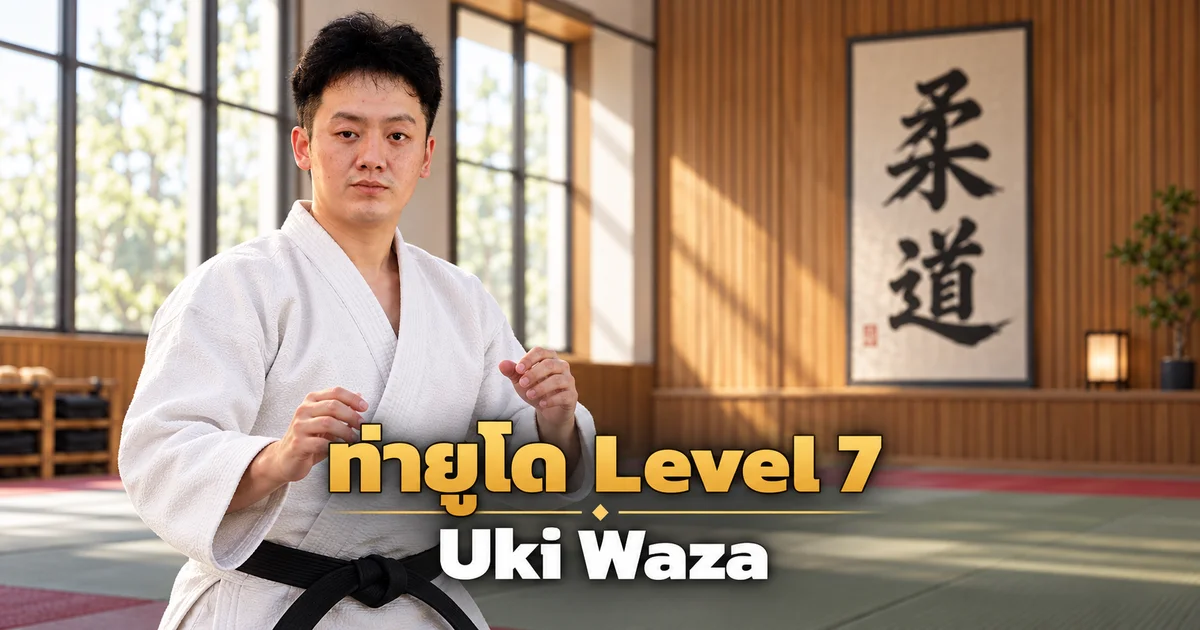
Judo Level 7: Uki Waza — Forward-diagonal imbalance and side descent
Uki Waza is a side sacrifice connecting forward-diagonal imbalance with rotation. Shared uki does not make it Uki Otoshi.
Compiled by Phoenix — Co-founder of IMAC Dojo
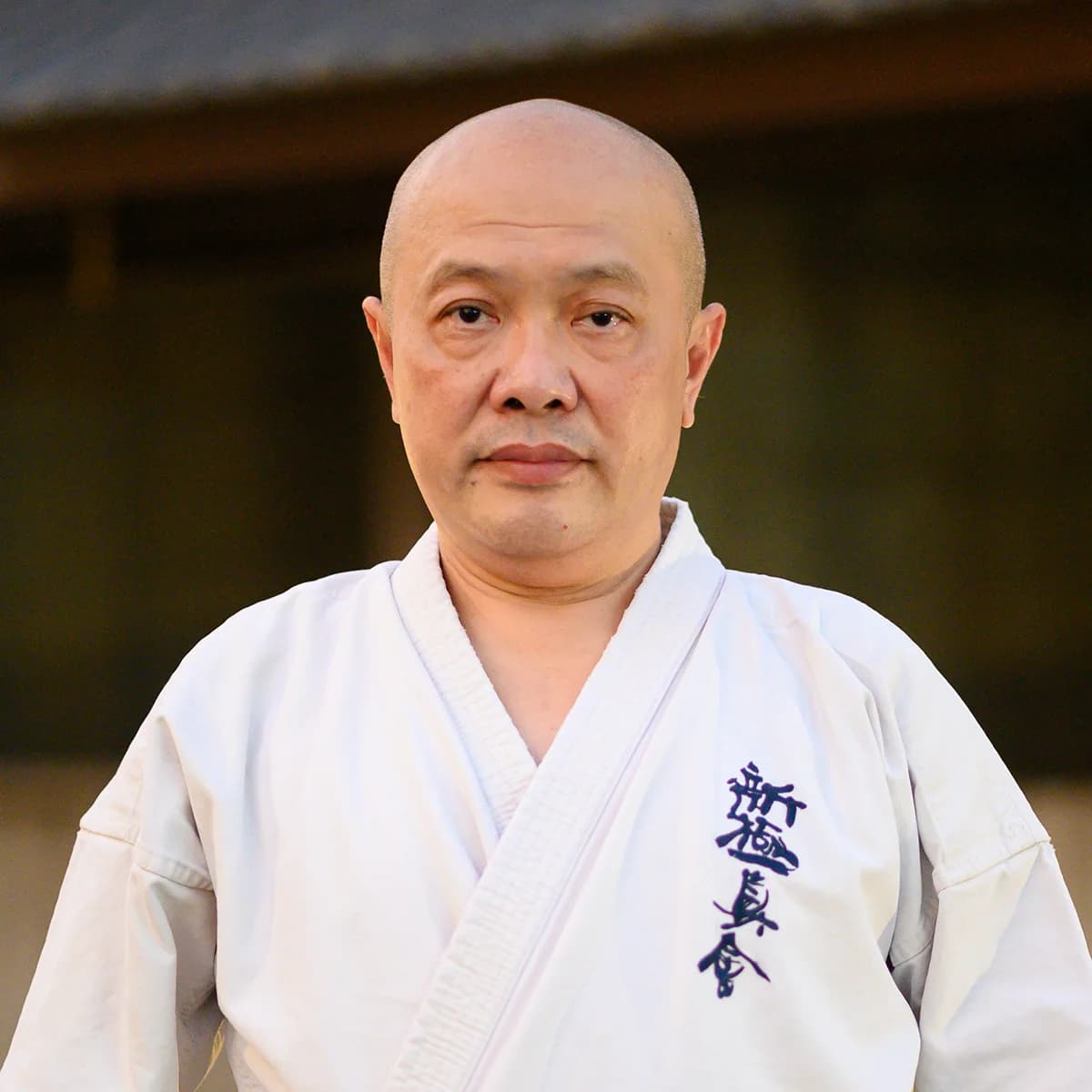 Thaninpong Supapitakpong (Phoenix)Co-founder of IMAC Dojo
Updated 29 Sept 2026
- Author
- Thaninpong Supapitakpong (Phoenix)
- Published
- Last updated
- Sources
- 1
- Reading time
- 2 min
Short Answer
Uki Waza is a side sacrifice connecting forward-diagonal imbalance with rotation. Shared uki does not make it Uki Otoshi.
Key Takeaways
- Watch forward-diagonal imbalance.
- Observe the extended leg before descent.
- Follow continuous hand guidance into rotation.
Watch the weight change before descent and compare the extended leg with the partner’s rotational path.
In this article
What the name tells us
浮技, uki-waza, combines floating with technique and belongs to side sacrifices.
How the technique works
Forward-diagonal guidance and sideways descent must connect. The extended leg shapes the movement; it should not become an impact point against the knee.
Uki-waza takes uke towards a front corner, combining side sacrifice with the extended leg outside uke's foot to create rotation in Kodokan's definition. Uki is not an instruction to lift with the arms; look at the transition in uke's support.
What to watch in the clips
- Watch forward-diagonal imbalance.
- Observe the extended leg before descent.
- Follow continuous hand guidance into rotation.
A distinction worth noticing
Uki Otoshi is a hand technique; Uki Waza sacrifices the body. Compare Yoko Otoshi through direction and leg arrangement, not just a side-lying pose.
Uki-otoshi is te-waza and does not use the same sacrifice. Yoko-otoshi emphasizes sideways imbalance and tani-otoshi backward imbalance. Uke's direction before the descent helps distinguish similar final images.
Taking the lesson back to practice
A common error is descending while the partner remains stable. Have an instructor check timing and leg alignment, with ukemi prepared before linking the action.
The Level here refers to the IMAC Dojo curriculum. Use the article and clips to prepare questions and review them with your instructor. Practical training needs a suitable partner, space and controlled conditions.
Watch whether hands and torso keep their connection through the descent, and ask which foot relates to the forward corner. Extending a leg and sitting down without reading balance is not a complete explanation.
Connect this with your next lesson
Uki Waza — Video lesson 1
An IMAC Dojo clip accompanying Uki Waza. Use the observations and distinctions in this article to guide your viewing.
Video published
Sources and further reading
- 浮技 — 講道館 柔道 技名称一覧 — 講道館ReferenceAccessed 29 Sept 2026
Frequently Asked Questions
Is it the same as Uki Otoshi?
No. They share uki but belong to different categories.
Is the lying-down frame enough?
No. Observe the forward-diagonal line and the preceding movement.
What should be checked if the action breaks down?
Review imbalance, timing and leg alignment with an instructor rather than pulling harder.
Ready to start martial arts?
Message IMAC Dojo to ask which course fits your age, goals, and training background.
Ask on LINE OfficialRelated Articles
Related Topics and Courses
Judo Thailand