
IMAC Dojo Judo Curriculum · Level 6
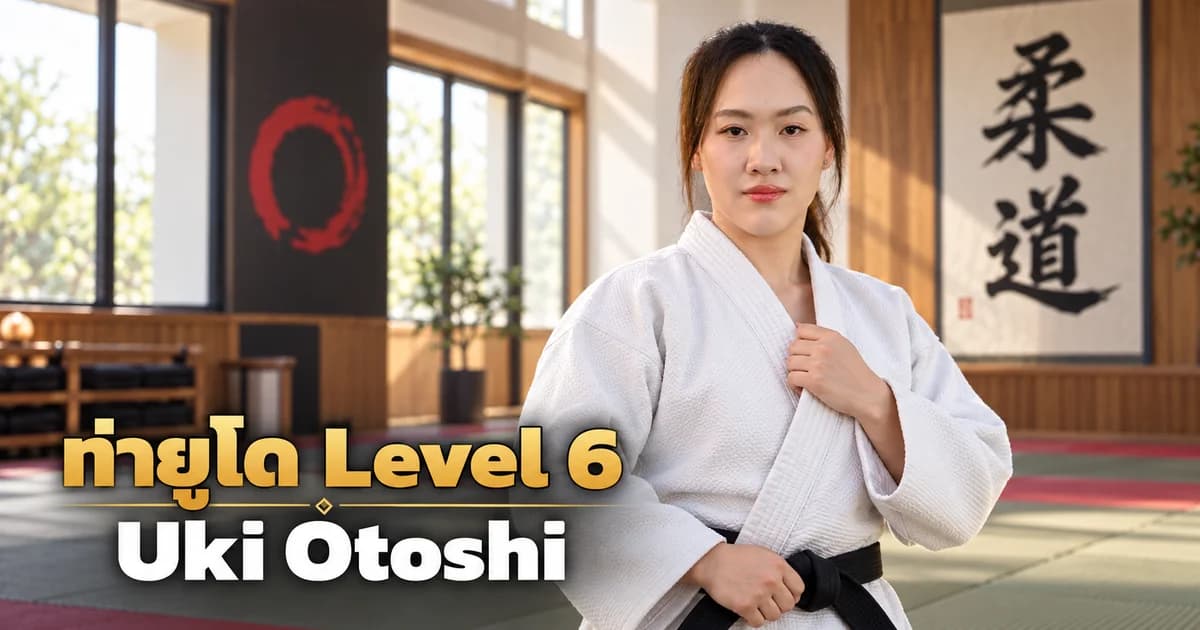
Judo Level 6: Uki Otoshi — Read the less obvious imbalance
Uki Otoshi is a hand technique guiding forward imbalance into a directed drop. A leg block or hip lift is not its defining feature.
Compiled by Phoenix — Co-founder of IMAC Dojo
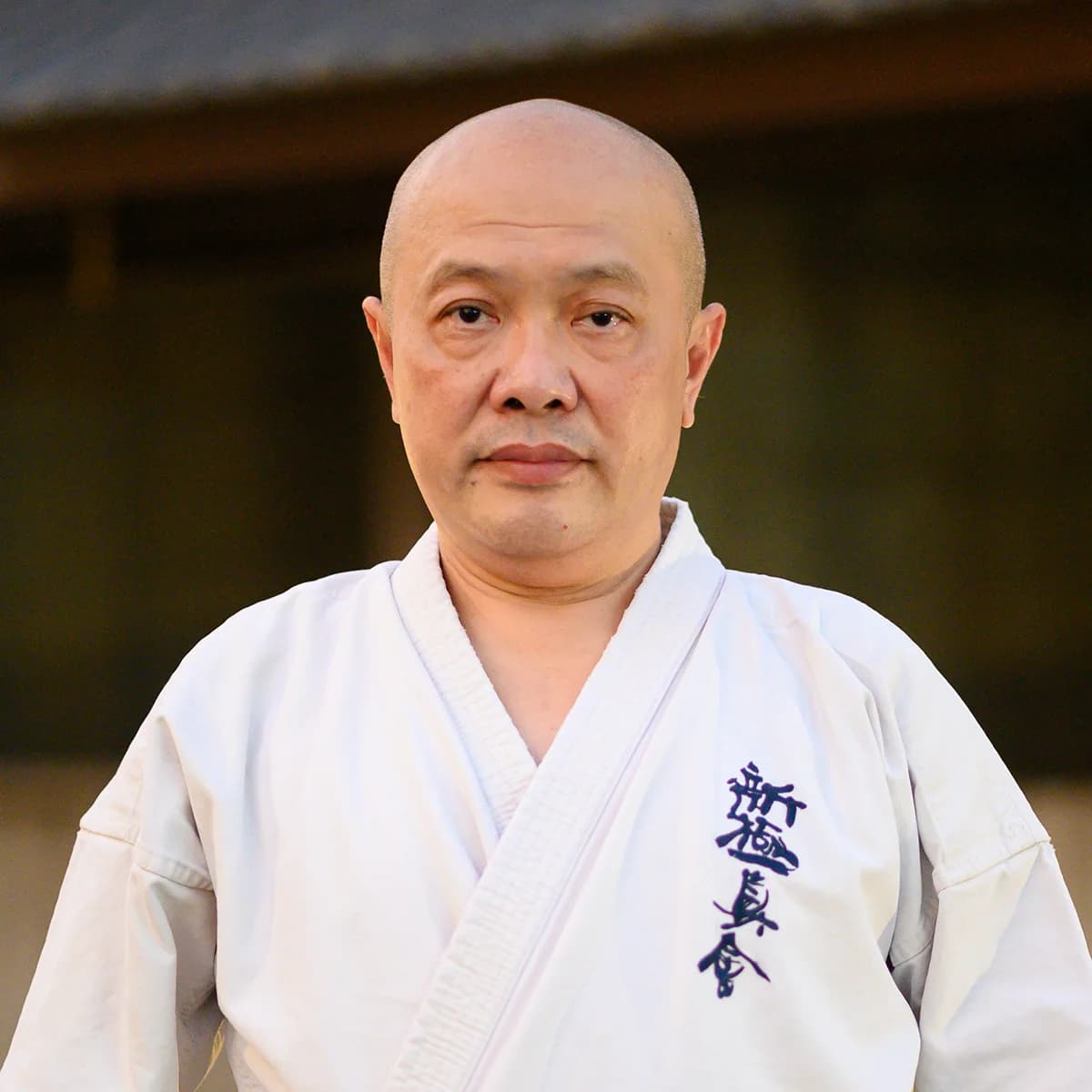 Thaninpong Supapitakpong (Phoenix)Co-founder of IMAC Dojo
Updated 29 Sept 2026
- Author
- Thaninpong Supapitakpong (Phoenix)
- Published
- Last updated
- Sources
- 2
- Reading time
- 2 min
Short Answer
Uki Otoshi is a hand technique guiding forward imbalance into a directed drop. A leg block or hip lift is not its defining feature.
Key Takeaways
- Observe the supporting foot beforehand.
- Compare hand direction with the torso.
- Watch control after imbalance.
An initial viewing may show only a pull. Revisit the preceding footwork and torso line.
In this article
What the name tells us
浮落, uki-otoshi, combines floating and dropping and belongs to hand techniques.
How the technique works
The partner’s movement and hand guidance must connect. Pulling harder against a stable base does not explain the principle.
Uki-otoshi exposes balance guidance without a sweeping leg or a hip load in its core definition. Kodokan describes taking uke forward and drawing down towards a front corner. Follow uke from standing rather than only tori lowering the body.
What to watch in the clips
- Observe the supporting foot beforehand.
- Compare hand direction with the torso.
- Watch control after imbalance.
A distinction worth noticing
Uki Waza is a side-sacrifice technique despite the shared uki. In Uki Otoshi, read hand guidance and the downward direction.
Mukai's nage-no-kata notes emphasize continuing the draw and state that uke should not jump voluntarily in that kata context. This distinguishes guided movement from jumping to simulate a throw, without requiring every instructional clip to use the kata's step count.
Taking the lesson back to practice
Do not copy only the final pull while ignoring preceding movement. Practise timing slowly with an instructor and a partner prepared to receive.
The Level here refers to the IMAC Dojo curriculum. Use the article and clips to prepare questions and review them with your instructor. Practical training needs a suitable partner, space and controlled conditions.
Ask when uke loses support and where tori's hands continue leading. If the explanation is only that tori kneels, revisit the preceding movement: kneeling alone does not explain the fall.
Connect this with your next lesson
Uki Otoshi — Video lesson 1
An IMAC Dojo clip accompanying Uki Otoshi. Use the observations and distinctions in this article to guide your viewing.
Video published
Sources and further reading
- 浮落 — 講道館 柔道 技名称一覧 — 講道館ReferenceAccessed 29 Sept 2026
- 投の形 留意点 — 向井幹博 — 東京都柔道連盟(講道館図書資料部資料)ReferenceAccessed 29 Sept 2026
Frequently Asked Questions
Is a leg block necessary?
A leg block is not the main feature for reading this technique.
Why can it look effortless?
The imbalance may be subtle. Watch before the pull; do not conclude that no force is involved.
How does it differ from Uki Waza?
Uki Otoshi is a hand technique; Uki Waza is a side sacrifice.
Ready to start martial arts?
Message IMAC Dojo to ask which course fits your age, goals, and training background.
Ask on LINE OfficialRelated Articles
Related Topics and Courses
Judo Thailand