
IMAC Dojo Judo Curriculum · Level 7
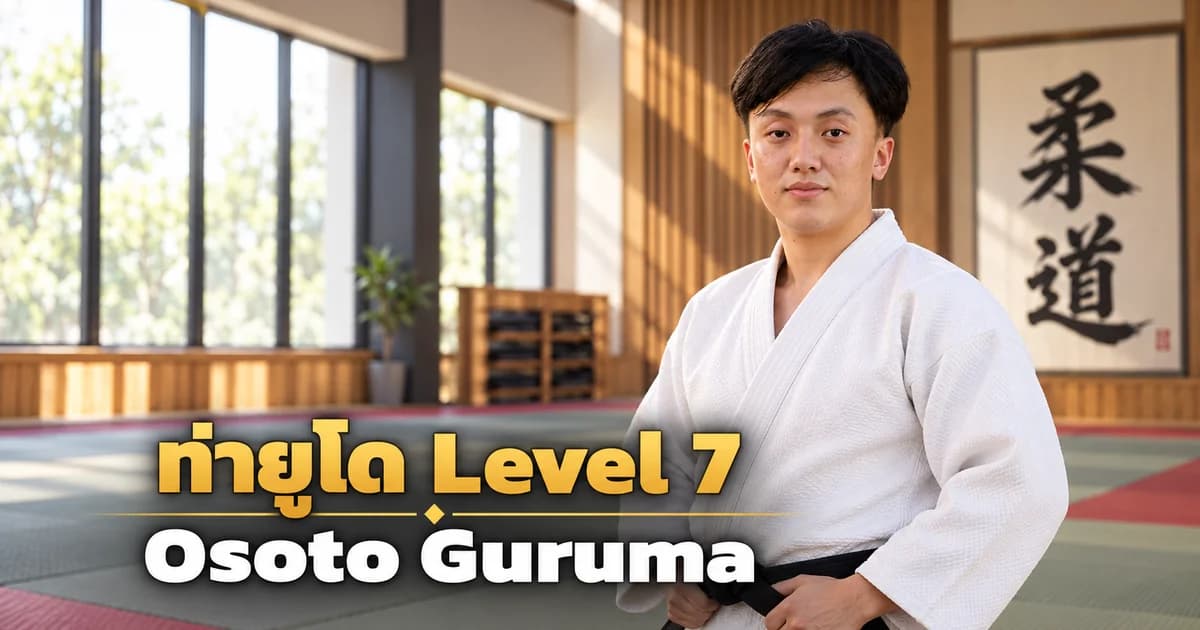
Judo Level 7: Osoto Guruma — A rear axis across both legs
Osoto Guruma is a foot technique placing a leg axis behind both of the partner’s legs. Read backward rotation rather than a single-leg hook.
Compiled by Phoenix — Co-founder of IMAC Dojo
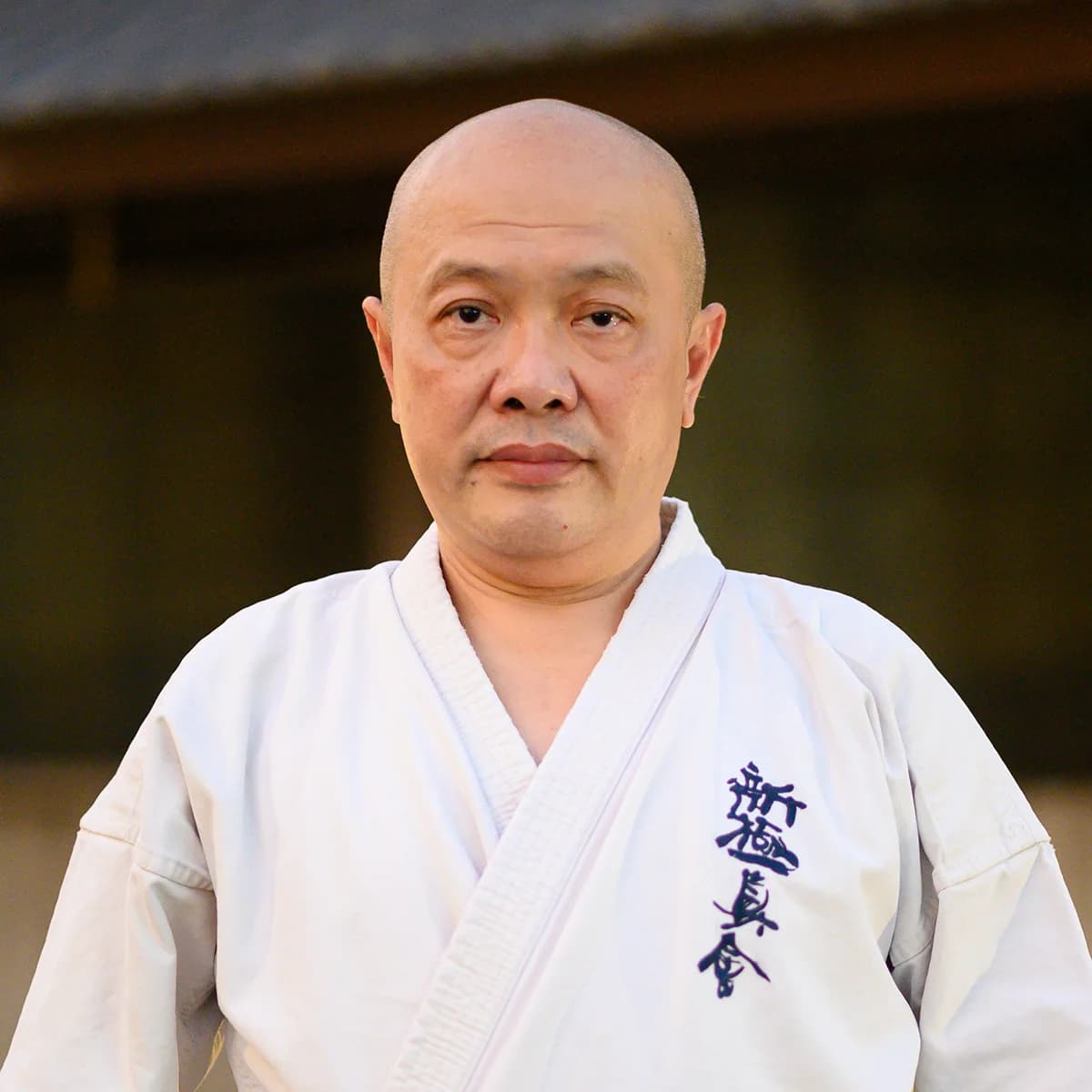 Thaninpong Supapitakpong (Phoenix)Co-founder of IMAC Dojo
Updated 29 Sept 2026
- Author
- Thaninpong Supapitakpong (Phoenix)
- Published
- Last updated
- Sources
- 1
- Reading time
- 2 min
Short Answer
Osoto Guruma is a foot technique placing a leg axis behind both of the partner’s legs. Read backward rotation rather than a single-leg hook.
Key Takeaways
- Watch upper-body imbalance backward.
- Observe the axis behind both legs.
- Follow rotation and controlled landing.
Observe how many legs the axis relates to, then follow upper-body guidance backward.
In this article
What the name tells us
大外車, o-soto-guruma, combines major outer and wheel and belongs to foot techniques.
How the technique works
Backward imbalance and the leg axis work together. Blocking legs alone does not explain the throw if the upper body remains over its base.
O-soto-guruma uses tori's leg as an axis behind both of uke's legs with backward imbalance in Kodokan's definition. Read both supporting legs relative to that axis rather than interpreting the name as a very large outside reap.
What to watch in the clips
- Watch upper-body imbalance backward.
- Observe the axis behind both legs.
- Follow rotation and controlled landing.
A distinction worth noticing
O Guruma rotates the partner forward over a higher axis; Osoto Guruma uses a rear axis. Guruma does not imply one direction.
The name resembles o-soto-gari but the leg's role differs. O-soto-guruma rotates uke across an axis associated with both legs. A backward fall alone cannot identify it.
Taking the lesson back to practice
Do not strike behind the knees or twist them. Let an instructor check position and distance; do not add sweeping force to compensate for a wrong direction.
The Level here refers to the IMAC Dojo curriculum. Use the article and clips to prepare questions and review them with your instructor. Practical training needs a suitable partner, space and controlled conditions.
Rewind before leg contact and ask about upper-body direction. Blocking both legs while uke remains balanced copies a pose without its conditions. Have the instructor arrange the practice and receiving path.
Connect this with your next lesson
Osoto Guruma — Video lesson 1
An IMAC Dojo clip accompanying Osoto Guruma. Use the observations and distinctions in this article to guide your viewing.
Video published
Sources and further reading
- 大外車 — 講道館 柔道 技名称一覧 — 講道館ReferenceAccessed 29 Sept 2026
Frequently Asked Questions
Must I watch both partner legs?
Yes. The rear axis relates to both.
Is it the same as O Guruma?
No. Compare imbalance direction and axis position.
Can a stronger sweep correct it?
Stop and check direction and position with an instructor rather than adding force.
Ready to start martial arts?
Message IMAC Dojo to ask which course fits your age, goals, and training background.
Ask on LINE OfficialRelated Articles
Related Topics and Courses
Judo Thailand