
Opening Wai Kru — Thep Phanom, bowing, earth-scooping and homage
Each name identifies a different ritual phase. Reading hands, torso and the return to a reference position gives the sequence meaning.
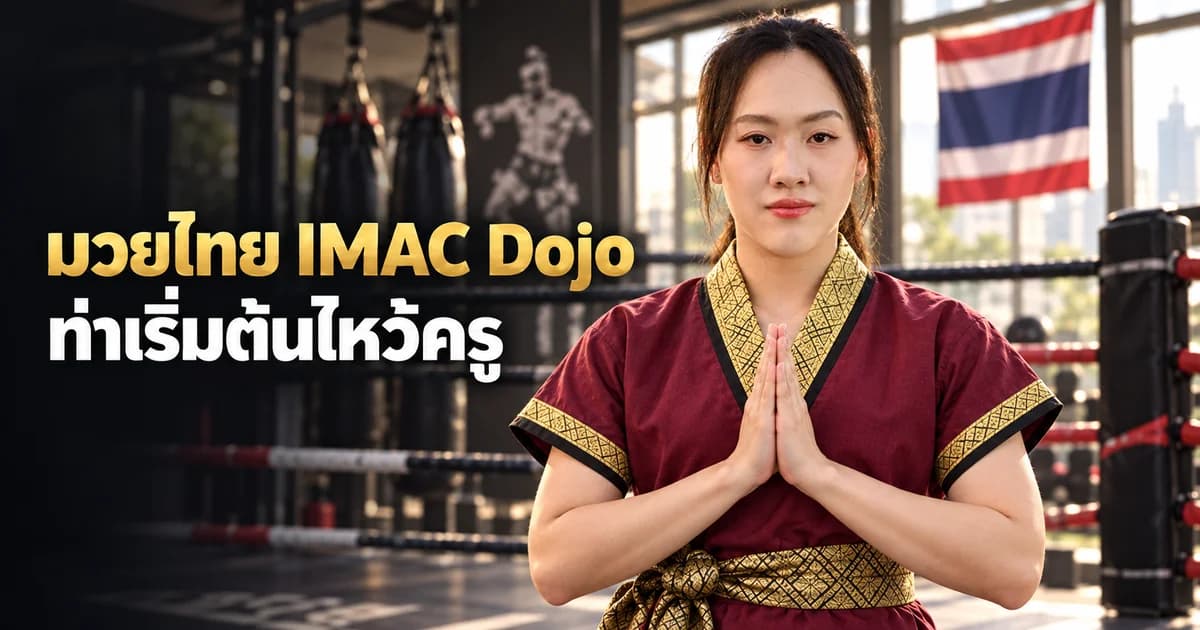
Compiled by Phoenix — Co-founder of IMAC Dojo
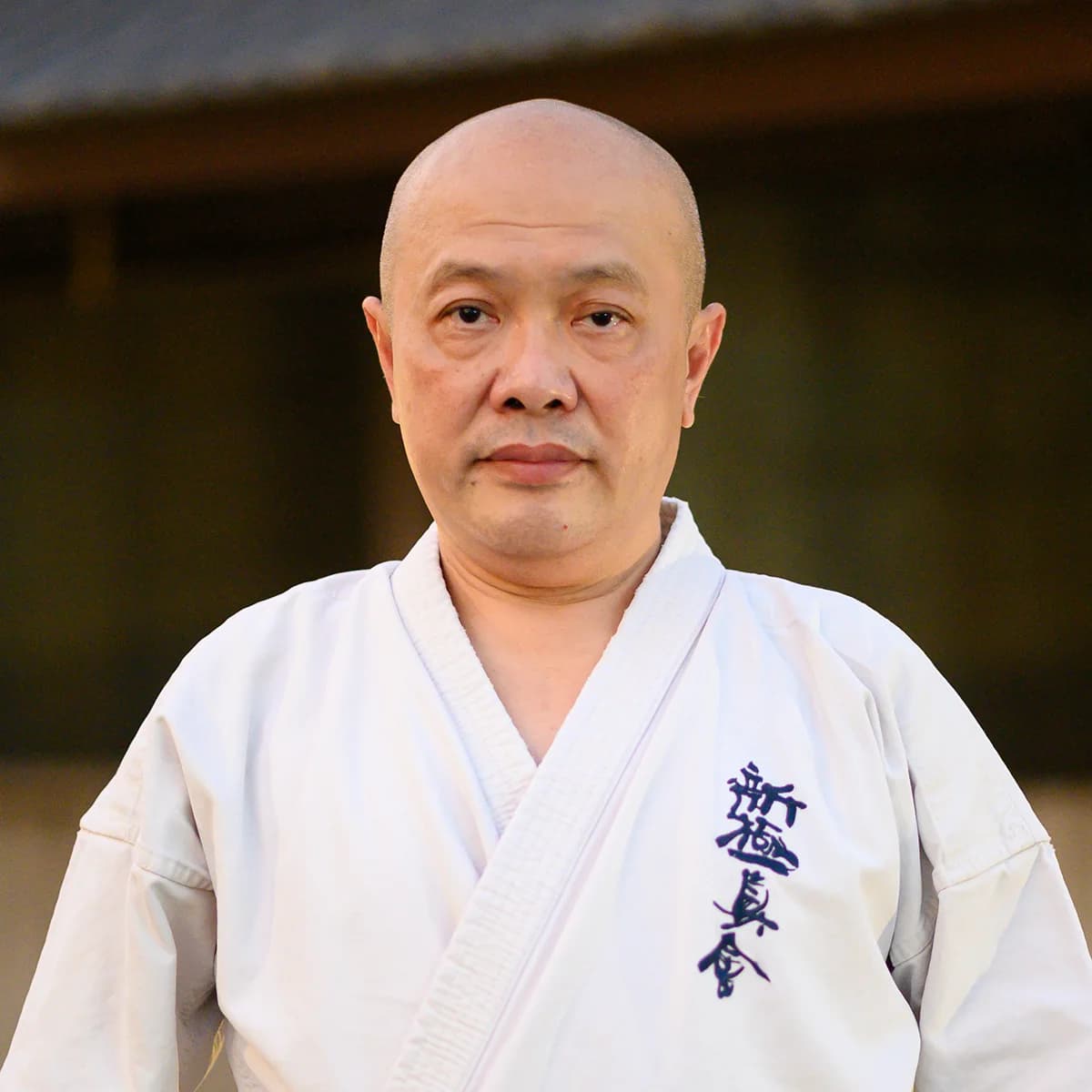 Thaninpong Supapitakpong (Phoenix)Co-founder of IMAC Dojo
Updated 30 Sept 2026
Assigned content reviewer: Patty
- Author
- Thaninpong Supapitakpong (Phoenix)
- Published
- Last updated
- Sources
- 1
- Reading time
- 3 min
Short Answer
DPE's The Art of Muay Thai places Thep Phanom, bowing, Kop Phra Mae Thorani and Thawai Bangkhom in the seated opening. Each has a different role and movement. Learn their connections in the instructor's form rather than assembling shapes from names alone.
Key Takeaways
- Thep Phanom is shown kneeling with palms together.
- Bowing includes descent and return, not only hands reaching the floor.
- Earth-scooping and homage have different arm pathways.
- All seven clips remain; names help navigation but do not prove identical content.
An opening Wai Kru may be remembered simply as joining the palms and bowing, yet the clips carry several distinct names. Knowing which phase a name describes makes questions to the instructor more precise and keeps cultural meaning alongside movement practice. This article uses one documented DPE presentation, not a rule that every school must perform identically.
In this article
Begin with the meaning of respect
Printed page 57 connects Thep Phanom with remembering teachers, parents and sacred figures within the document's ritual framework. Learning is more than copying hands: ask what the phase means in the course being taught.
The document also mentions becoming a teacher's pupil before describing the forms. That does not establish that every short video contains the entire ceremony. Cultural context and facts about an individual clip require separate reading.
Thep Phanom: recognize the reference position
The example uses upright kneeling, palms together at chest level and attention to those being honoured. Read the seated support, torso and hands together rather than choosing a hand position from one isolated picture.
Notice whether the clip begins there or moves into it, and watch the return to joined palms. A reference position helps distinguish phases without immediately following the complete performance at speed.
Bowing: read descent and return
Page 58 labels the bow Krap Benchangkhapradit and specifies three bows to the floor. That is the count in this presentation, not grounds to revise another course's practice from this article alone.
Follow hand placement, torso movement and recovery continuously. Remembering only the descent can leave the next transition unclear. Mark an uncertain moment for the instructor instead of inferring the sequence from one paused frame.
Earth-scooping: connect the arm pathway to the torso
Page 59 describes leaning with both arms moving from behind, through the underarm area and forward into the scooping form, with the gaze forward. Read the whole pathway rather than reducing the form to a brief hand scoop.
The name provides a cultural image; the form being learned still needs explanation and demonstration together. If arms and torso are disconnected, review the transition with the instructor instead of using speed to pass an unclear phase.
Thawai Bangkhom: follow the rise and return
Pages 60–61 describe joined palms extending forward, rising to the head, then arms extending and sweeping back to Thep Phanom. Watch the starting point, pathway and finish, not only the high-hand moment.
Returning to the reference position helps distinguish this from earth-scooping, although both involve arms and torso. This article does not assign mythical meanings to every movement the document leaves unexplained.
Review seven clips in manageable phases
The CSV contains one seated Thep Phanom clip and two each for bowing, earth-scooping and homage. All seven URLs remain. Compare actual content before deciding that similarly named entries are equivalent.
Choose one form, note its start and finish, then ask how it connects in the instructor's sequence. Use space suitable for seated movement and bowing. If a shape is not workable, ask for an adjusted task instead of treating the article as an instruction to force it.
Return to the course for review
Read about Muaythai Anywhere and Khru Patty, the assigned content reviewer. Dance and ceremony are covered in the Wai Kru Muay Thai course.
Thawai Bangkhom
Read the start, hand pathway and return to support; ask how it fits the taught sequence.
Video published
Kop Phra Mae Thorani
Read the start, hand pathway and return to support; ask how it fits the taught sequence.
Video published
Krap Benchangkhapradit
Read the start, hand pathway and return to support; ask how it fits the taught sequence.
Video published
Thawai Bangkhom — additional clip
Read the start, hand pathway and return to support; ask how it fits the taught sequence.
Video published
Earth-scooping — additional clip
Read the start, hand pathway and return to support; ask how it fits the taught sequence.
Video published
Three bows
Read the start, hand pathway and return to support; ask how it fits the taught sequence.
Video published
Seated Thep Phanom
Read the start, hand pathway and return to support; ask how it fits the taught sequence.
Video published
Sources and further reading
- The Art of Muay Thai: opening Wai Kru, printed pages 57–61 — Department of Physical Education, Institute of Muay Thai ArtReferenceAccessed 29 Sept 2026
Frequently Asked Questions
Are the four names one posture?
No. The manual separates phases with different hand and torso pathways. Read each start and finish.
Must everyone bow three times?
The cited manual specifies three in its presentation. Confirm the form with the instructor rather than applying that count to every school.
How does earth-scooping differ from homage?
The manual's forward scooping arm pathway differs from lifting joined palms and returning to Thep Phanom. Read the transitions in full.
Why retain several similarly named clips?
They are distinct CSV URLs. Similar names alone do not prove duplicated content.
Should I memorize individual forms or the whole sequence first?
Identify a form's start and finish, then connect it in the taught order. That makes questions more precise than following the whole sequence quickly.
Ready to start martial arts?
Message IMAC Dojo to ask which course fits your age, goals, and training background.
Ask on LINE OfficialRelated Articles
Related Topics and Courses
Muaythai