
Inao Thaeng Krit — understand the inside entry before the elbow
Inside does not mean the left or right edge of the screen. It describes a relationship to the punching arm. Reading that relationship distinguishes Inao Thaeng Krit from Chawa Sat Hok before the finishing elbow.
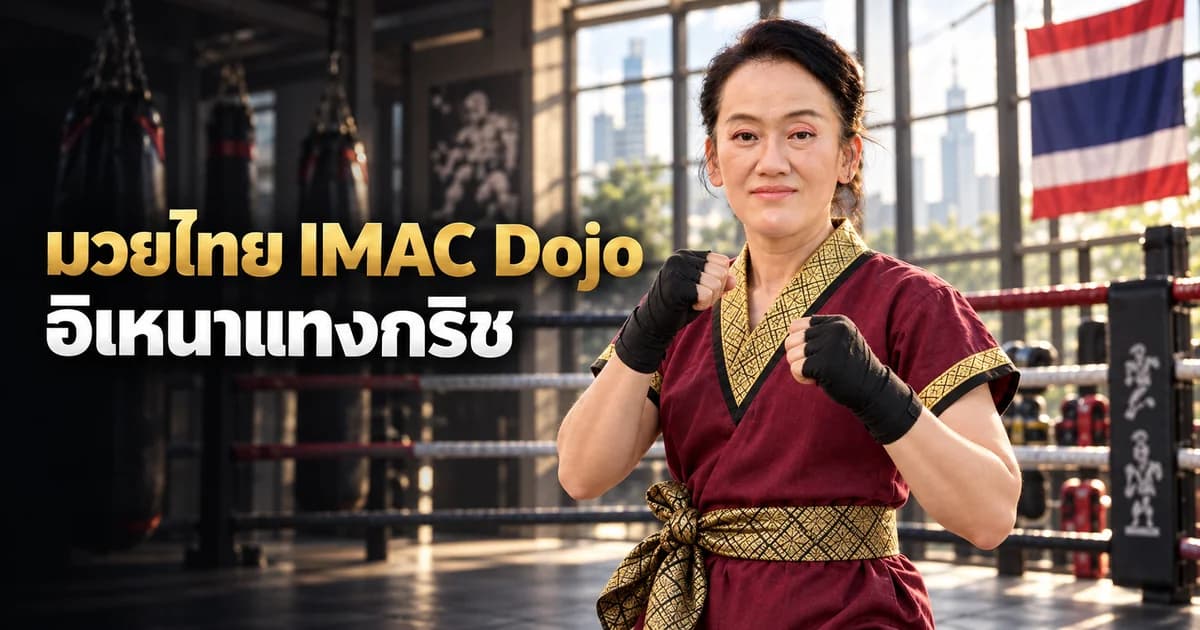
Compiled by Phoenix — Co-founder of IMAC Dojo
 Thaninpong Supapitakpong (Phoenix)Co-founder of IMAC Dojo
Updated 30 Sept 2026
Assigned content reviewer: Patty
- Author
- Thaninpong Supapitakpong (Phoenix)
- Published
- Last updated
- Sources
- 1
- Reading time
- 3 min
Short Answer
The DPE manual presents Inao Thaeng Krit as receiving a straight punch and using an elbow from the inside. Entry and trunk positioning establish the elbow's range, so read the receiver's side of the attacking arm before the answering weapon.
Key Takeaways
- The manual combines a straight-punch situation with an inside elbow.
- Define inside from the attacking arm, not the screen.
- Feet and trunk change the distance before the elbow.
- Chawa Sat Hok provides an outside-entry comparison.
A technique remembered as entering left can appear to enter right from another camera angle. This is why screen direction alone is inadequate for reading inside and outside Mae Mai entries.
Printed pages 134–135 of Muaythai Palasueksa Style describe Inao Thaeng Krit as receiving a straight punch and using an inside elbow. This article starts with the attacking arm as a reference, then reads step, trunk and elbow as a sequence.
In this article
Inside needs a reference point
The reference here is the punching arm and the attacker's trunk, not the camera. When the view changes, the partners' relationship can remain the same even though screen directions reverse.
A clear reference reduces confusion between a clip and the manual. First identify the attacking arm, then describe how the receiver enters relative to the trunk side, rather than beginning with a step to the picture's left.
The entry creates the elbow's distance
The document combines a step in, trunk alignment and lowering before showing the elbow towards the side of the trunk. Movement is not merely an introduction: it changes the distance from the straight punch's starting phase.
Watching only the bent elbow hides what happens to the original distance. Rewind before the elbow moves, compare feet and shoulders with the attacking arm, then ask how that position allows the elbow.
Read the elbow with the trunk and other arm
The manual shows the elbow line with the trunk at close range. It should not become an isolated forearm action or a claim that bending the arm completes the pattern. The earlier position change gives the picture meaning.
The partnered image is for reading relationships, not an invitation to strike each other's trunk. Let an instructor separate positioning and guard in partnered work from elbow force on equipment, so entry can be examined without rushing towards impact.
Compare Chawa Sat Hok by the side of entry
Chawa Sat Hok also answers a straight punch with an elbow in the manual, but uses the outside entry; Inao Thaeng Krit uses the inside. Similar answering weapons do not make their positioning tasks identical.
When reviewing the pair, hide the names and explain the entry from the attacking arm first. Needing the finishing elbow to recall the name may mean overlooking a key distinction. Reasoned identification helps locate exactly where to ask an instructor for clarification.
Watch through questions about relationships
The attached Muaythai Anywhere lesson is named Inao Thaeng Krit. Use the manual to frame the starting punch, side of entry, trunk distance and elbow response. This does not claim that the camera shows every point or explains every step.
Review screen-based direction, entering without tracking the attacking arm, or watching only the elbow and missing the base. Note unclear frames and ask an instructor to show inside using actual partners.
Connect back to the lesson
See Muaythai Anywhere and Khru Patty, the assigned content reviewer. For the dance context, see the Wai Kru Muay Thai course.
Inao Thaeng Krit — inside entry into an elbow
A Muaythai Anywhere clip accompanying the DPE manual's inside position relative to the attacking arm and connection to an elbow.
Video published
Sources and further reading
- Muaythai Palasueksa Style: Inao Thaeng Krit, printed pages 134–135 — Department of Physical Education, Institute of Muay Thai ArtReferenceAccessed 29 Sept 2026
Frequently Asked Questions
Does inside mean the left of the screen?
No. Use the attacking arm and trunk as references. Camera changes can reverse screen directions without changing the partners' relationship.
How does it differ from Chawa Sat Hok?
Both answer a straight punch with an elbow in the manual. Inao Thaeng Krit enters inside; Chawa Sat Hok enters outside. Read entry before response.
Why watch the feet before the elbow?
Stepping and trunk positioning change the distance from punch reception to elbow range. The arm alone does not explain that transition.
Does the dagger name require a real weapon?
The manual's lesson uses empty-hand punch reception and an elbow. Its figurative name should not be converted into a direction to use a real weapon.
Ready to start martial arts?
Message IMAC Dojo to ask which course fits your age, goals, and training background.
Ask on LINE OfficialRelated Articles
Related Topics and Courses
Muaythai