
Hak Kho Erawan — upper-body control and the knee in Mae Mai
The memorable image combines upper-body control and a knee. Understanding begins earlier, with the incoming punch's distance and the receiver's feet. Use these principles to watch and ask precise questions.
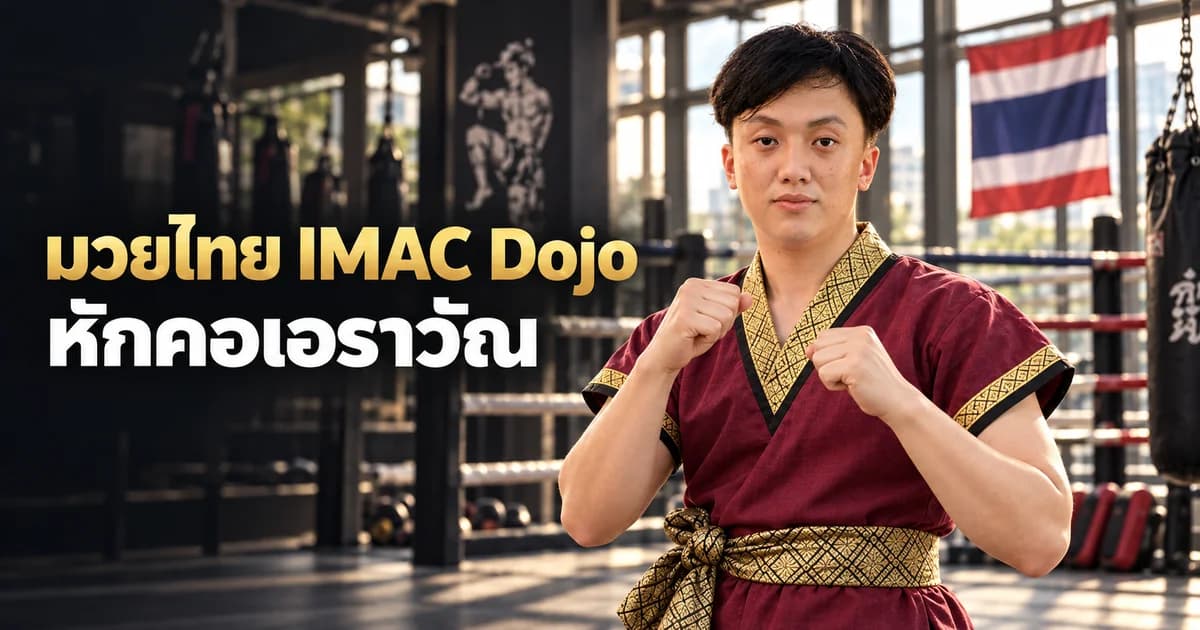
Compiled by Phoenix — Co-founder of IMAC Dojo
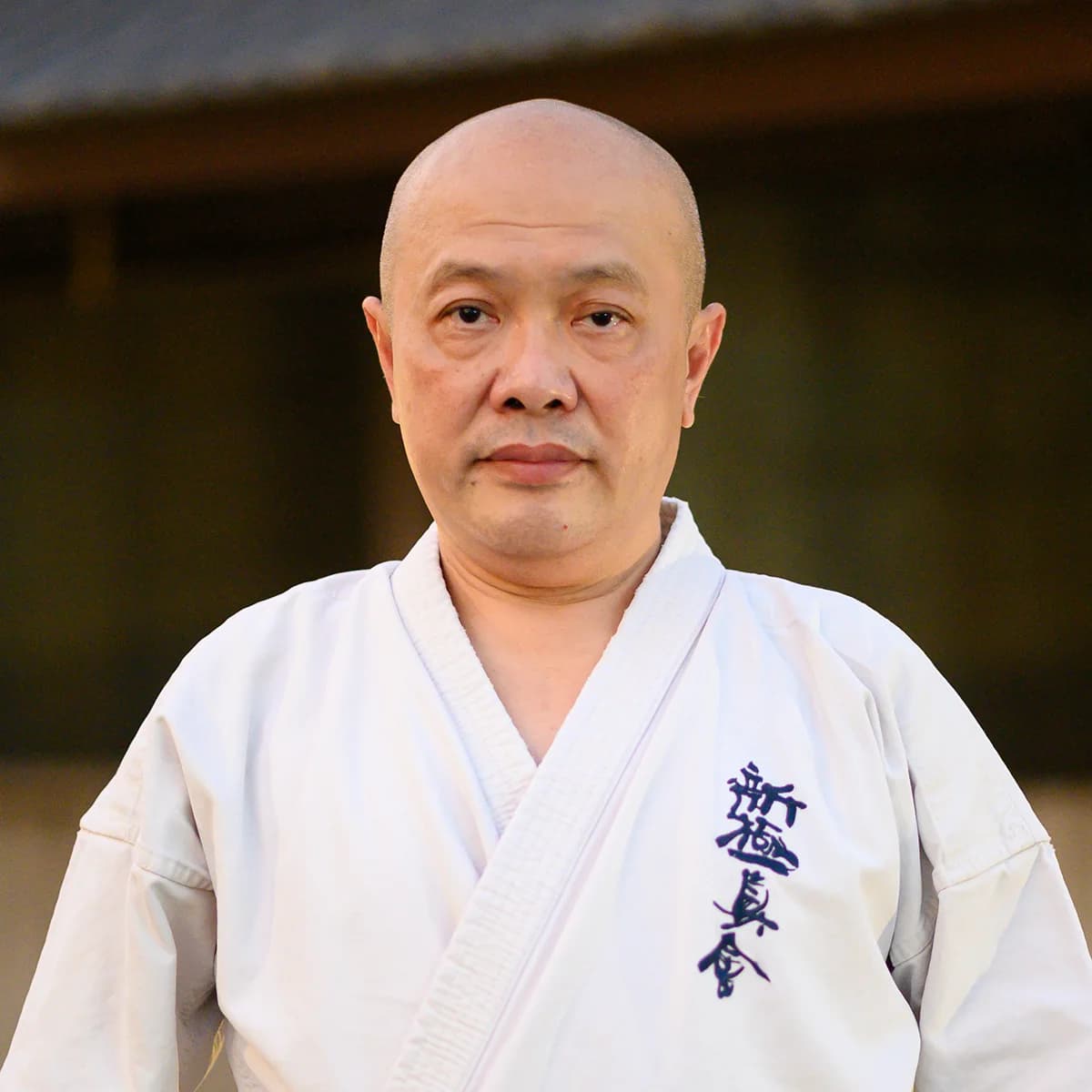 Thaninpong Supapitakpong (Phoenix)Co-founder of IMAC Dojo
Updated 30 Sept 2026
Assigned content reviewer: Patty
- Author
- Thaninpong Supapitakpong (Phoenix)
- Published
- Last updated
- Sources
- 1
- Reading time
- 5 min
Short Answer
Hak Kho Erawan is a Mae Mai pattern presented in the DPE manual as receiving a punch, entering and connecting upper-body control with a knee. Its learning questions concern moving from punching distance into close range and coordinating the arms, trunk and legs. The figurative name is not an instruction to injure a training partner's neck.
Key Takeaways
- Study distance and position before the control, not only the final knee.
- Separate learning hand positions from applying force to a partner.
- The preceding reception and control distinguish this pattern from a basic straight knee.
- Use the targets and exercises your instructor specifies instead of copying impact from an illustration.
When watching Hak Kho Erawan, attention can settle on the raised knee. Starting there skips important questions: how does the receiver get close, and how do the hands and feet establish a position that allows the movement to continue?
The DPE manual Muaythai Palasueksa Style, printed pages 160–161, presents this pattern against a punch. This article reads the relationship between distance, upper-body control and the knee, using the Muaythai Anywhere clip as material for review with an instructor. The name is not a literal direction for force.
In this article
A memorable name still needs its starting situation
Erawan appears in the pattern's name, while the manual's technical explanation concerns drawing the upper body through neck control and using the knee. Here we examine the relationship between control and response. We do not infer an inventor or origin event from the name because the cited evidence does not establish either.
The manual separates the person delivering a punch from the receiver moving into close range. Reading both roles shows that the final image results from an earlier change of distance. Beginning with the hands already held in the finishing position may help remember the shape, but does not explain the entry or when to reposition.
Punching distance and knee distance are different
The first viewing question is whether the receiver remains outside close range or has reached a position where control is possible. The manual shows a step in before linking the upper body with the knee. That step belongs to the technique; memorizing the arms does not make it dispensable.
During review, distinguish the period before entry, arrival at the position and recovery of your own control. Ask which exercise matches the distance shown in the clip and where to stand when rehearsing without impact. Reaching with the arms while the feet remain far away presents a different problem from repositioning the body in coordination.
Hands, trunk and supporting leg each have a job
The manual's image connects the arms with the raised knee, but focusing on those parts can obscure the supporting leg. Look at the whole body: how does the trunk change position as one leg rises, and does the preceding foot placement leave the practitioner able to control the movement? These are questions for an instructor to explain the base, not conclusions to draw from one still image.
Upper-body control should not be understood as pulling the head harder. Learn the positions and coordination first, with the instructor deciding whether to use a partner, pads or a demonstration. If making the picture look familiar seems to require much more arm force, return to distance and sequence rather than increasing force.
How it differs from a straight knee and Naka Bit Hang
A straight knee names a basic weapon. Hak Kho Erawan places that weapon inside a situation involving reception and control. Knee work on a pad can isolate the leg movement, but cannot explain the whole Mae Mai pattern, which also concerns entry and upper-body positioning.
Naka Bit Hang also includes a knee in the manual, but begins by receiving and controlling a kicking leg. That is a different situation from Hak Kho Erawan. Compare the incoming attack and the part being controlled before grouping both as knee techniques and assuming that every principle is identical.
Watch the clip in three phases
The attached Muaythai Anywhere clip is titled “Hak Kho Erawan | Mae Mai Muay Thai.” First watch the overall movement without following along. On a later viewing, choose the point where the receiver starts to enter and compare the positions before and after closing distance. Pausing during that transition may produce more useful questions than pausing only at the knee.
Then separate questions about the arms and supporting leg: when do the arms begin their role, and how does the practitioner return to readiness after lifting the knee? These are a reading framework drawn from the manual, not a guarantee that every detail is visible from every camera angle. If a position is obscured, note a question rather than guessing.
Do not let the name or final image bypass the foundations
One mistake is remembering only upper-body control and immediately lifting the knee without understanding the starting distance. Another is using arm force to compensate for poorly related feet. A third is copying an illustration's contact target onto a partner. Turn all three into questions about positioning and control that an instructor can examine.
During review, explain in your own words: what am I receiving, which distance am I entering and which part acts first? If those answers are unclear, reducing the exercise to entry and positioning provides more information than performing the whole pattern faster. Review is part of learning, not a test of how forcefully the name can be acted out.
Connect the lesson with further learning
Read the Muaythai Anywhere information for the lesson context and the profile of Khru Patty, the assigned content reviewer. For ceremony and dance, consult the Wai Kru Muay Thai course separately so their learning purposes remain clear.
Hak Kho Erawan — Mae Mai
The Muaythai Anywhere Hak Kho Erawan lesson accompanies a review of close-range entry, upper-body control and the knee action. Discuss controlled practice with your instructor.
Video published
Sources and further reading
- Muaythai Palasueksa Style: Hak Kho Erawan, printed pages 160–161 — Department of Physical Education, Institute of Muay Thai ArtReferenceAccessed 29 Sept 2026
Frequently Asked Questions
Does Hak Kho Erawan mean practicing an actual neck break?
No. A Mae Mai name is not a literal injury objective. This article examines changing distance and coordinating control with a knee. Use the practice format and targets set by your instructor.
How does Hak Kho Erawan differ from a straight knee?
A straight knee is a basic weapon. Hak Kho Erawan is a Mae Mai situation combining reception of a punch, close entry and upper-body control before the knee. Knowing the knee shape alone does not cover the pattern.
What if I cannot clearly see the hand position in the clip?
Do not infer pulling force or hand placement from an obscured view. Note the moment and ask an instructor, or ask for a separate demonstration of the position without force.
What can I review alone from the video?
You can review names, sequence and questions about entry. Controlling another person and applying the knee belong in the exercise an instructor specifies. Watching cannot replace checking contact and control between partners.
Ready to start martial arts?
Message IMAC Dojo to ask which course fits your age, goals, and training background.
Ask on LINE OfficialRelated Articles
Related Topics and Courses
Muaythai