
Khun Yak Chap Ling — connecting defense against punch, kick and elbow
The first defense does not finish Khun Yak Chap Ling. The DPE manual divides it into punch, kick and elbow responses. The positions between phases are central to reading the next movement.

Compiled by Phoenix — Co-founder of IMAC Dojo
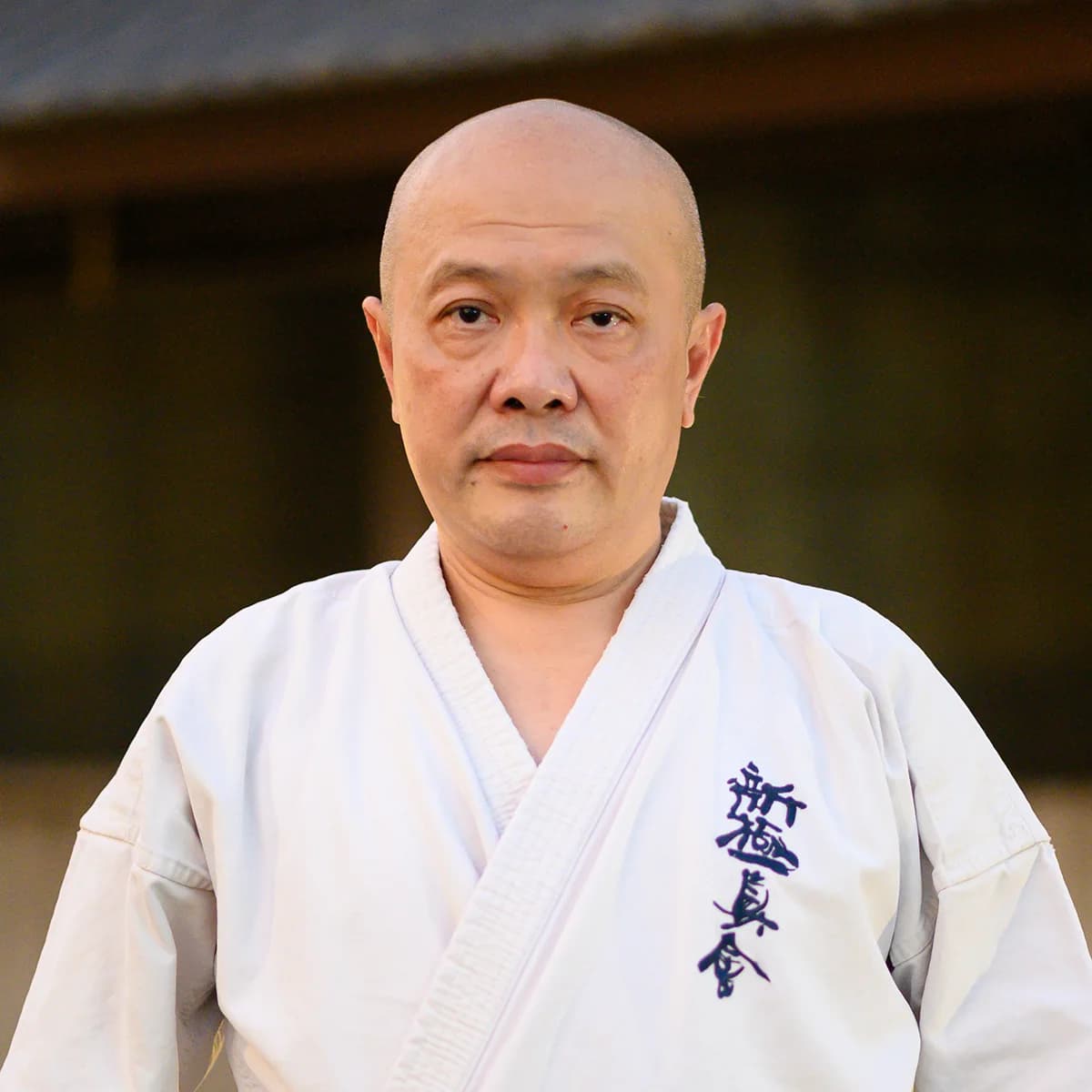 Thaninpong Supapitakpong (Phoenix)Co-founder of IMAC Dojo
Updated 30 Sept 2026
Assigned content reviewer: Patty
- Author
- Thaninpong Supapitakpong (Phoenix)
- Published
- Last updated
- Sources
- 1
- Reading time
- 4 min
Short Answer
Khun Yak Chap Ling is a Mae Mai pattern that the DPE manual divides into three defensive phases: receiving a punch, a kick and an elbow. Read how distance, arms and feet adjust when the attack changes, rather than memorizing three defensive pictures or measuring only speed.
Key Takeaways
- Identify the attack being received in each phase.
- The position after one defense starts the next phase.
- Study the situations separately before connecting them as your instructor directs.
- Three phases describes the manual's explanation, not the total number of Muay Thai techniques.
After receiving a punch, why should the feet and arms still matter? Khun Yak Chap Ling makes that question concrete because the first defense does not end the exercise. The attack changes, the distance changes and the receiver must reorganize.
Muaythai Palasueksa Style, printed pages 154–159, clearly separates the pattern into three phases. This article reads them individually before connecting them with the Muaythai Anywhere clip and questions about transitions for an instructor.
In this article
One name, three defensive situations
The manual presents Khun Yak Chap Ling as consecutive responses to punch, kick and elbow, describing the attacker and receiver in each phase. One name therefore does not mean one fixed arm shape. It identifies an exercise in which the receiver must read changing circumstances.
Three phases make the material easier to study in parts, but do not establish identical teaching details in every school. Follow the exercise your instructor demonstrates and use the manual for comparison. If details differ, ask which task or distance explains the difference rather than judging from the name alone.
Receiving the punch: the incoming arm and the step in
The first phase begins with a straight punch. The receiver moves in while redirecting its line with the arm. Both the attack's path and body position change. Watching only the parrying hand can hide how the distance shortens or the feet establish a different base.
Ask where the receiver stands before the parry and whether they can still read the partner afterward. Avoid treating not being hit as the entire explanation of the phase: in this exercise, that position must connect with the kick response that follows.
Receiving the kick changes the defensive problem
The second phase changes to a kick toward the side of the body. The manual shows movement and an elbow-based reception. The previous punching-distance defense cannot simply be held in place as a ready-made answer. Read the leg's path and the receiver's direction again.
The illustrated elbow belongs to the explanation of the pattern, not to an experiment in striking a partner's leg to see whether the defense works. Ask an instructor to demonstrate positioning separately and set the equipment and contact level. In the clip, ask about moving away and arranging the arms instead of looking only at impact.
Receiving the elbow brings a closer-range question
The manual's third phase changes to an elbow. The receiver raises an arm to meet it and withdraws their position. The set therefore does not maintain one direction from beginning to end. Entering in one phase and leaving in another serve different situations.
Look separately at which arm is assigned the defensive role and how the feet move the receiver out of range. Then ask about readiness after the finish. Arms left fixed or tangled foot positions leave a positioning problem even when the sequence has been memorized.
Connect readiness, not only speed
Linking the phases is useful when a practitioner can explain where the preceding defense leaves them. A rigidly memorized rhythm may work while a partner follows the order, without explaining the reason for the distance changes. Slowing the transition helps an instructor see what needs clarification.
In the attached Khun Yak Chap Ling clip, first identify the situations, then select the interval after a defense and before the new attack. This viewing question comes from the manual's three-phase structure. Do not infer timing that the camera does not show. If the feet are unclear, note the question and ask for that transition to be demonstrated separately.
Common mistakes turn the set into rote memory
Holding the same arm shape for every attack, looking only at the upper body and rushing to the next phase without understanding distance all obscure the exercise's central question. During review, pause after each phase and explain: what was received, what distance am I at and what am I ready to do next?
This article concerns a defensive sequence. It differs from individual punching, kicking or elbow lessons, and from Salap Fan Pla's focus on an outside reception. Individual weapon lessons clarify what is coming; Khun Yak Chap Ling helps apply that knowledge to changing situations.
Bring your questions back to the lesson
Read the Muaythai Anywhere information and the profile of Khru Patty, the assigned content reviewer. Ceremony and dance are covered by the Wai Kru Muay Thai course, whose learning purpose differs from this defensive set.
Khun Yak Chap Ling — successive defensive situations
The Muaythai Anywhere lesson supports a review of receiving a punch, kick and elbow, then discussing the positions between these situations with an instructor.
Video published
Sources and further reading
- Muaythai Palasueksa Style: Khun Yak Chap Ling, printed pages 154–159 — Department of Physical Education, Institute of Muay Thai ArtReferenceAccessed 29 Sept 2026
Frequently Asked Questions
What are the three phases of Khun Yak Chap Ling?
The DPE manual divides it into receiving a punch, a kick and an elbow. Each phase describes attacker and receiver separately, so read both roles.
Should the arms defend in the same shape throughout?
Do not assume one shape answers every situation. The manual presents different attacks and positions. Ask an instructor why the receiving part and distance change.
Should I practice the sequence quickly from the start?
Begin with separate situations and the transitions set by your instructor. If you cannot explain the position after a defense, rushing through the sequence hides that problem rather than resolving it.
How does this differ from a single-punch defense lesson?
A single-punch lesson isolates one attack. Khun Yak Chap Ling connects responses to different attacks, so it also requires attention to the position carried from one phase into the next.
Ready to start martial arts?
Message IMAC Dojo to ask which course fits your age, goals, and training background.
Ask on LINE OfficialRelated Articles



Related Topics and Courses
Muaythai