
Muay Thai roundhouse kicks — leg path, hips and returning to readiness
A roundhouse is more than swinging a leg to a target. Read the leg with the hips, base and return, separating target level from the kick's direction.

Compiled by Phoenix — Co-founder of IMAC Dojo
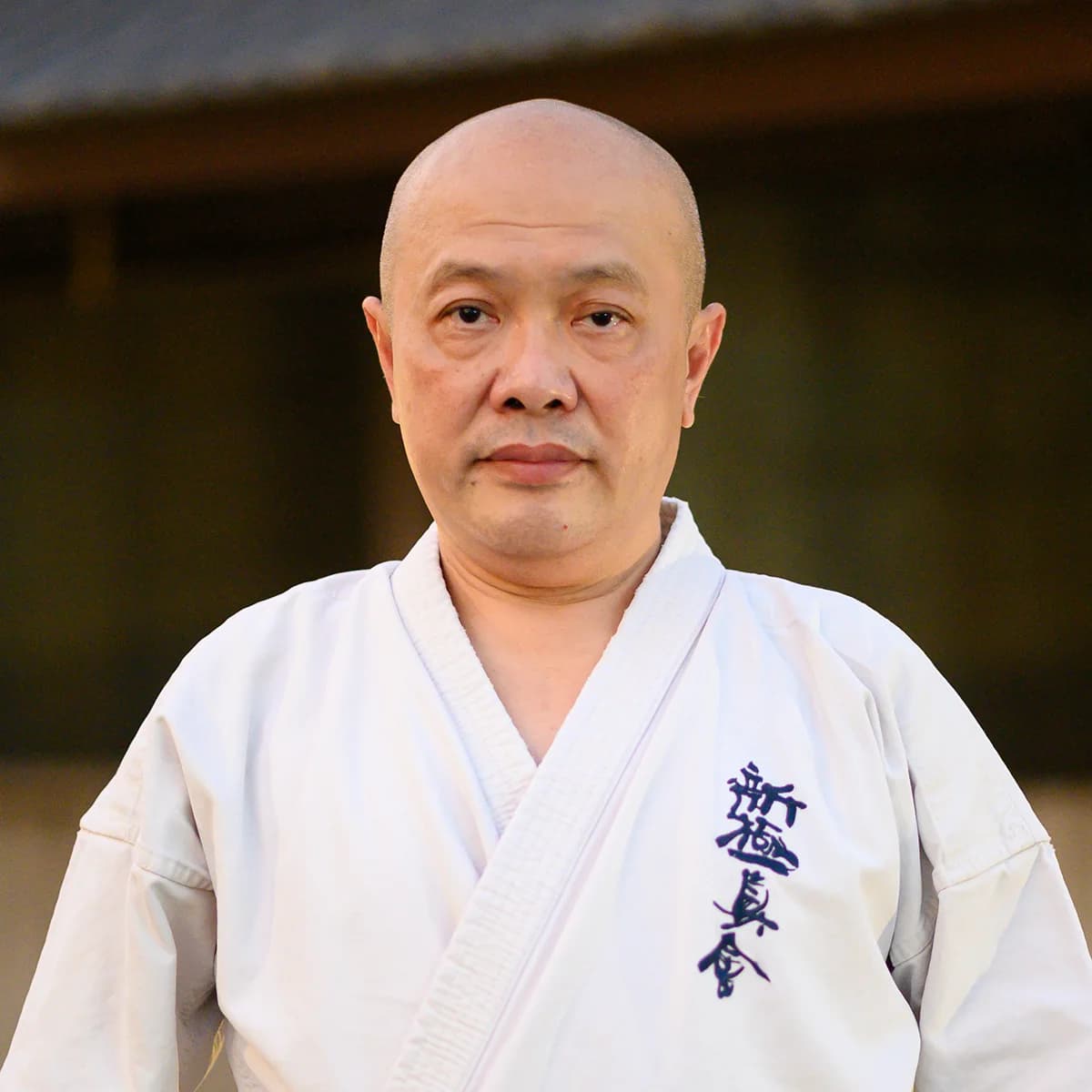 Thaninpong Supapitakpong (Phoenix)Co-founder of IMAC Dojo
Updated 30 Sept 2026
Assigned content reviewer: Patty
- Author
- Thaninpong Supapitakpong (Phoenix)
- Published
- Last updated
- Sources
- 1
- Reading time
- 4 min
Short Answer
The DPE manual describes the cutting kick as rising diagonally then cutting down, or cutting horizontally, and divides it into high, middle and low levels. Its middle-level explanation includes hip action. This framework accompanies three demonstration, practice and defence clips without assuming one general title covers every level.
Key Takeaways
- High, middle and low levels are separate observations from swing direction.
- Read the kicking leg with the hips and supporting leg.
- Hand positions and the return complete the movement you are observing.
- Defence and kicking practice answer different questions.
Why can two kicks look similar in height yet have different leg paths? This is a better starting question than simply asking which is stronger. An image near the finish may hide the leg's approach and the initial base.
Printed pages 104–107 of Muaythai Palasueksa Style divide cutting kicks into three levels and describe their paths. This article applies that information to three Muaythai Anywhere clips, establishing viewing questions to discuss with an instructor.
In this article
What does the cutting-kick name describe?
The manual's definition allows both a diagonal rise followed by a downward cut and a horizontal cut. Do not reduce the name to one perfectly horizontal line in every case. Track the leg from the beginning rather than inferring its whole path from a single final frame.
This article follows the Thai cutting-kick heading in the source. The English term roundhouse kick communicates the broad movement family; it does not make every school's naming system identical.
High, middle and low are levels, not completely unrelated movements
The manual divides cutting kicks into high, middle and low forms, discussing the leg path at each level. The categories organize what appears in a picture, but you still need to ask how the leg travels from the start and how the demonstrator turns.
Practice need not begin by imitating the highest position pictured. An instructor should establish the task and equipment position. These clips have general cutting-kick titles, so their names alone do not prove that all three levels have dedicated clips.
Hips and the supporting leg reveal connected movement
The middle-level explanation discusses the swing from the hips. Watching only the shin misses part of how movement is supplied. Read the relationship between hip orientation, the kicking leg and the leg remaining on the floor.
Ask how the base changes before, during and after the kick. Do not try to freeze the supporting foot into one pictured position while accelerating trunk rotation. Continuous viewing helps distinguish an intended base change from losing balance.
Keep the hands and return in the picture
The low cutting-kick explanation relates arm and leg movement while the other hand protects. Watch both hands' roles rather than assuming they must all remain in one position throughout the kick.
Questions worth checking include whether the leg reaches its destination while the trunk carries too far to return, or whether attention to the swing hides the other hand. Read each repetition through the return to readiness, not only until the leg reaches the end of its path.
Compare cutting kicks with diagonal kicks and teeps
The manual treats diagonal kicks in a separate heading before cutting kicks. The former emphasizes a diagonally rising path; the latter has the paths described above. Similar images do not make the names interchangeable everywhere. State which teaching vocabulary you are using.
A teep instead emphasizes sending the foot. Identify the weapon family before comparing level or side, rather than calling every use of a leg a cutting kick.
Three clips with three different jobs
The demonstration supports questions about shape and path. The practice entry revisits the cutting-kick task. The defence entry shifts attention to the receiver's job. These titles distinguish purposes, but do not verify every movement detail that remains unseen.
For defence, first identify whether you are watching the kicker or defender, then note the moment to discuss with an instructor. A receiving position does not substitute for an explanation of striking, and kicking a partner harder is not a way to test understanding.
Return to the course for review
Read about Muaythai Anywhere and Khru Patty, the assigned content reviewer. Dance and ceremony are covered in the Wai Kru Muay Thai course.
Roundhouse-kick defence
Roundhouse-kick defence from Muaythai Anywhere. Read leg path, hip and base with the manual, separating striking from defence.
Video published
Roundhouse kick — practice
Roundhouse kick — practice from Muaythai Anywhere. Read leg path, hip and base with the manual, separating striking from defence.
Video published
Roundhouse kick — demonstration
Roundhouse kick — demonstration from Muaythai Anywhere. Read leg path, hip and base with the manual, separating striking from defence.
Video published
Sources and further reading
- Muaythai Palasueksa Style: diagonal and cutting kicks, printed pages 102–107 — Department of Physical Education, Institute of Muay Thai ArtReferenceAccessed 29 Sept 2026
Frequently Asked Questions
Must a cutting kick always be horizontal?
The manual describes a diagonal rise followed by a downward cut as well as a horizontal cut. Read the whole path rather than one frame near the finish.
Do high and low kicks differ only in height?
Level begins the distinction, but leg path, hips, base and hands must also be read within the task.
Are cutting and diagonal kick names interchangeable?
The manual separates them. Use terminology in the teaching source's context rather than assuming similar pictures establish identical names across systems.
Why are there three clips?
The source list provides one cutting-kick demonstration, one practice and one defence clip. It is not a dedicated high/middle/low clip set.
Ready to start martial arts?
Message IMAC Dojo to ask which course fits your age, goals, and training background.
Ask on LINE OfficialRelated Articles



Related Topics and Courses
Muaythai