
Muay Thai hooks and swinging punches — read distance before arm shape
Different elbow bends can reflect different distances. The manual separates short, long and returning forms, so read the arm with distance, base and recovery.
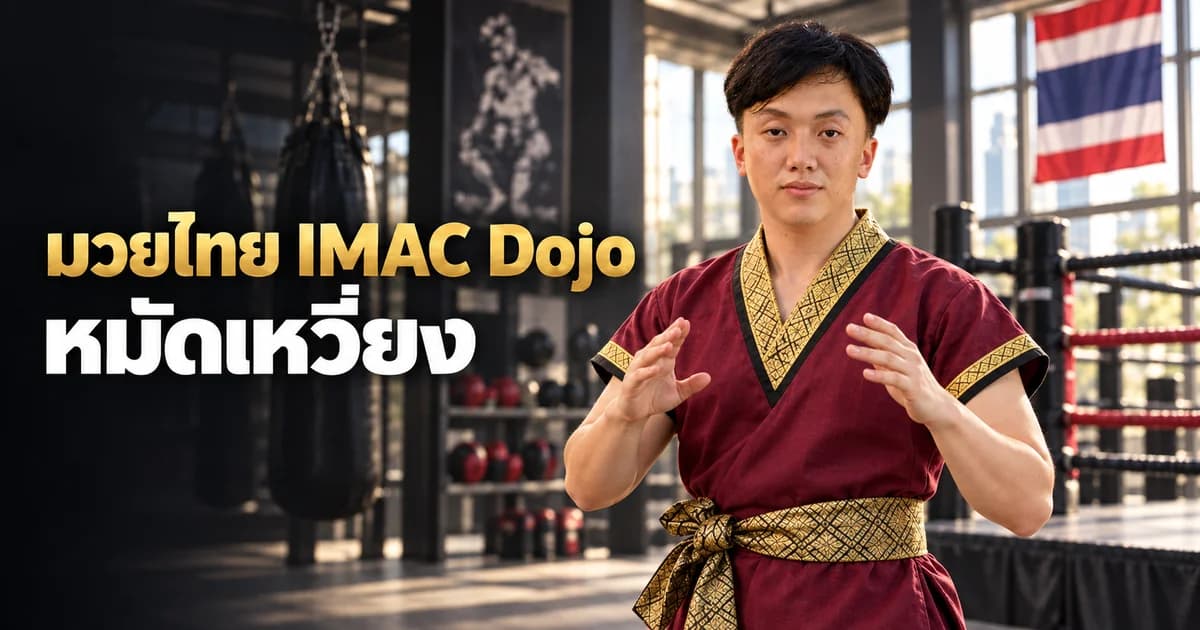
Compiled by Phoenix — Co-founder of IMAC Dojo
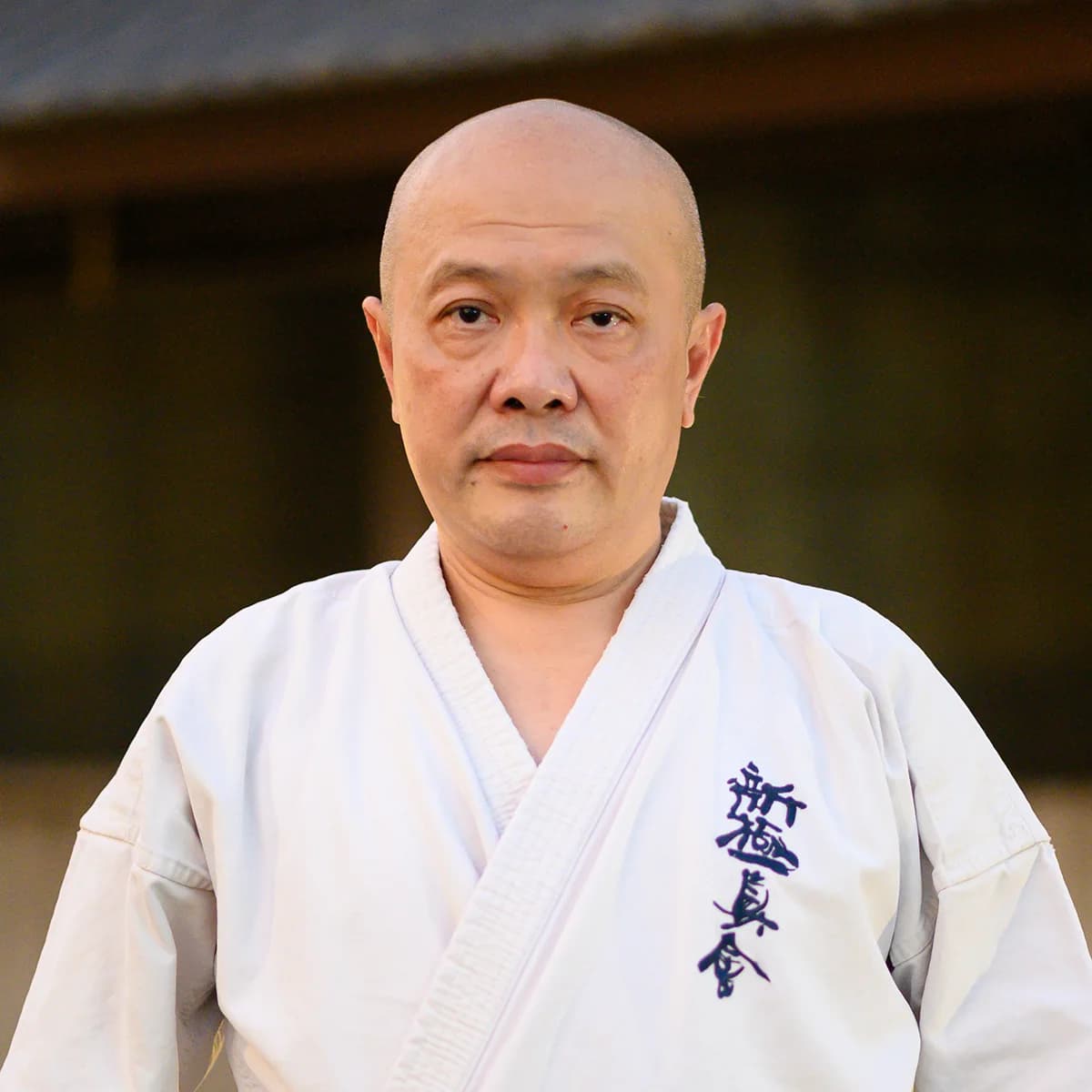 Thaninpong Supapitakpong (Phoenix)Co-founder of IMAC Dojo
Updated 30 Sept 2026
Assigned content reviewer: Patty
- Author
- Thaninpong Supapitakpong (Phoenix)
- Published
- Last updated
- Sources
- 1
- Reading time
- 3 min
Short Answer
Swinging punches approach from the side with shoulders, trunk, hips and feet working together. The DPE manual distinguishes short, long and returning forms, linking distance to arm shape. This framework accompanies eight clips without assuming every general title means a short hook or includes all three forms.
Key Takeaways
- Read distance before deciding how much the elbow should bend.
- The manual also calls the short swinging punch a hook.
- Its returning punch is not the same label as the rear hand in a stance.
- Eight clips form four demonstration/practice pairs.
If one swinging-punch clip shows more elbow bend than another, that alone cannot establish which is wrong. Muaythai Palasueksa Style relates arm shape to distance. Read the situation before comparing final fist images.
Printed pages 92–95 distinguish short, long and returning forms. Muaythai Anywhere instead groups these clips by lead hand, rear hand, both and defence. The two classifications answer different questions and can be used together without assuming every title contains every form.
In this article
Distance can change arm shape
The manual's overview relates distance to arm bend. Ask how far away the movement starts and from which side the fist approaches, rather than ranking correctness from the elbow alone.
Classifying by distance does not tell a learner to reach after a partner every time. If the spacing does not match the task, have an instructor reset distance and equipment. Reaching at the cost of the base obscures the principle being practised.
Short, long and returning forms in the manual
The short form is also labelled a hook. The long form describes a more extended arm and wider swing. Do not turn a short-form explanation into a fixed rule for every swinging punch.
The returning form swings back along the same route after the initial action and can use either short or long forms. Returning describes movement order, not the rear hand in a stance.
Do not let swinging reduce attention to the arm alone
The manual connects shoulders, trunk, hips and feet with punching. Read rotation relative to the fist and retain the other arm in the picture. A wider arm swing to make the shape obvious may hide questions of distance and support.
Continue through hand recovery and readiness for the next action. Ask whether the fist carries the trunk too far for an easy return, or whether freezing an elbow into a photographed position obstructs movement. Review at a speed that allows positions to be read.
Lead/rear is a hand distinction, not short/long
Identify lead and rear from the stance and lead side, not screen left and right. Short and long are a different classification related to distance. Do not automatically assign short to the lead hand and long to the rear.
A combined lead/rear title asks you to watch hand transitions, but does not identify the manual's returning form. Keeping names separate makes an instructor question precise: is it about side, distance or sequence?
Compare straight punches and uppercuts
Straight punches emphasize a forward path, swinging punches approach from the side and uppercuts rise. Begin with the route, not only a fist shape that may look similar in one frame.
If camera angles overlap the paths, read the start and recovery with the trunk. Do not name the technique from one final fist position or assume every swinging-punch clip teaches all short, long and returning forms.
Select four pairs from eight clips
Lead, rear, combined lead/rear and defence each have demonstration and practice, making four pairs. Select a single side to inspect that hand, both sides for continuity, and defence for the receiver's task.
Record distance and base only as the image supports. Treat an obscured part as a question rather than a gap to fill. A clip title is not an instruction to practise faster or harder with a partner; use the equipment and pace set by an instructor.
Return to the course for review
Read about Muaythai Anywhere and Khru Patty, the assigned content reviewer. Dance and ceremony are covered in the Wai Kru Muay Thai course.
Hook defence — practice
Hook defence — practice from Muaythai Anywhere. Read path and distance with the base; select single-side, combined or defence work by title.
Video published
Hook defence — demonstration
Hook defence — demonstration from Muaythai Anywhere. Read path and distance with the base; select single-side, combined or defence work by title.
Video published
Lead/rear hooks — practice
Lead/rear hooks — practice from Muaythai Anywhere. Read path and distance with the base; select single-side, combined or defence work by title.
Video published
Lead/rear hooks — demonstration
Lead/rear hooks — demonstration from Muaythai Anywhere. Read path and distance with the base; select single-side, combined or defence work by title.
Video published
Rear hook — practice
Rear hook — practice from Muaythai Anywhere. Read path and distance with the base; select single-side, combined or defence work by title.
Video published
Rear hook — demonstration
Rear hook — demonstration from Muaythai Anywhere. Read path and distance with the base; select single-side, combined or defence work by title.
Video published
Lead hook — practice
Lead hook — practice from Muaythai Anywhere. Read path and distance with the base; select single-side, combined or defence work by title.
Video published
Lead hook — demonstration
Lead hook — demonstration from Muaythai Anywhere. Read path and distance with the base; select single-side, combined or defence work by title.
Video published
Sources and further reading
- Muaythai Palasueksa Style: swinging punches, printed pages 92–95 — Department of Physical Education, Institute of Muay Thai ArtReferenceAccessed 29 Sept 2026
Frequently Asked Questions
Is every swinging punch a short hook?
The manual calls the short form a hook, but also separates long and returning forms. A short-form explanation does not cover every variant.
Must the elbow bend identically every time?
The source links arm shape to distance. Read the task and base before treating one photograph as an angle for every situation.
Are returning and rear swinging punches the same?
They classify different things. Returning describes a return swing in the manual; rear in these clips identifies the rear hand in the stance.
How are the eight clips divided?
Lead, rear, combined lead/rear and defence each have a demonstration and practice clip, making four pairs.
Ready to start martial arts?
Message IMAC Dojo to ask which course fits your age, goals, and training background.
Ask on LINE OfficialRelated Articles
Related Topics and Courses
Muaythai