
Ta Then Kham Fak — read the defending arm before the uppercut
The manual records two Thai spellings, but the learning task is clearer than the spelling: one arm protects against the punch while the other connects a rising punch from a changed position.
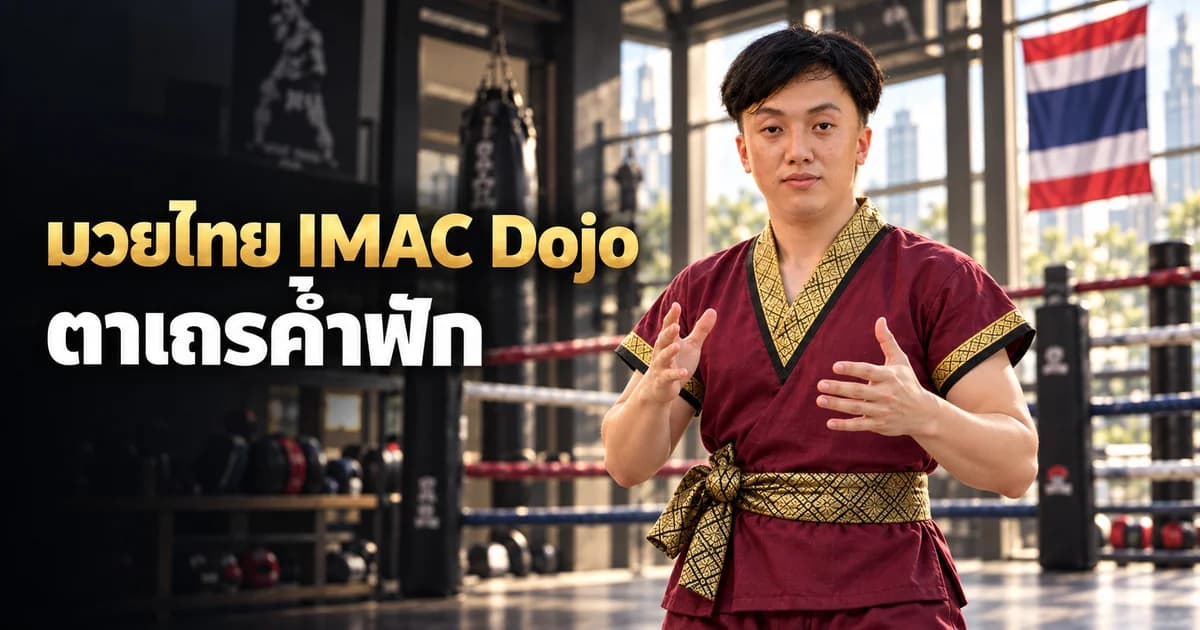
Compiled by Phoenix — Co-founder of IMAC Dojo
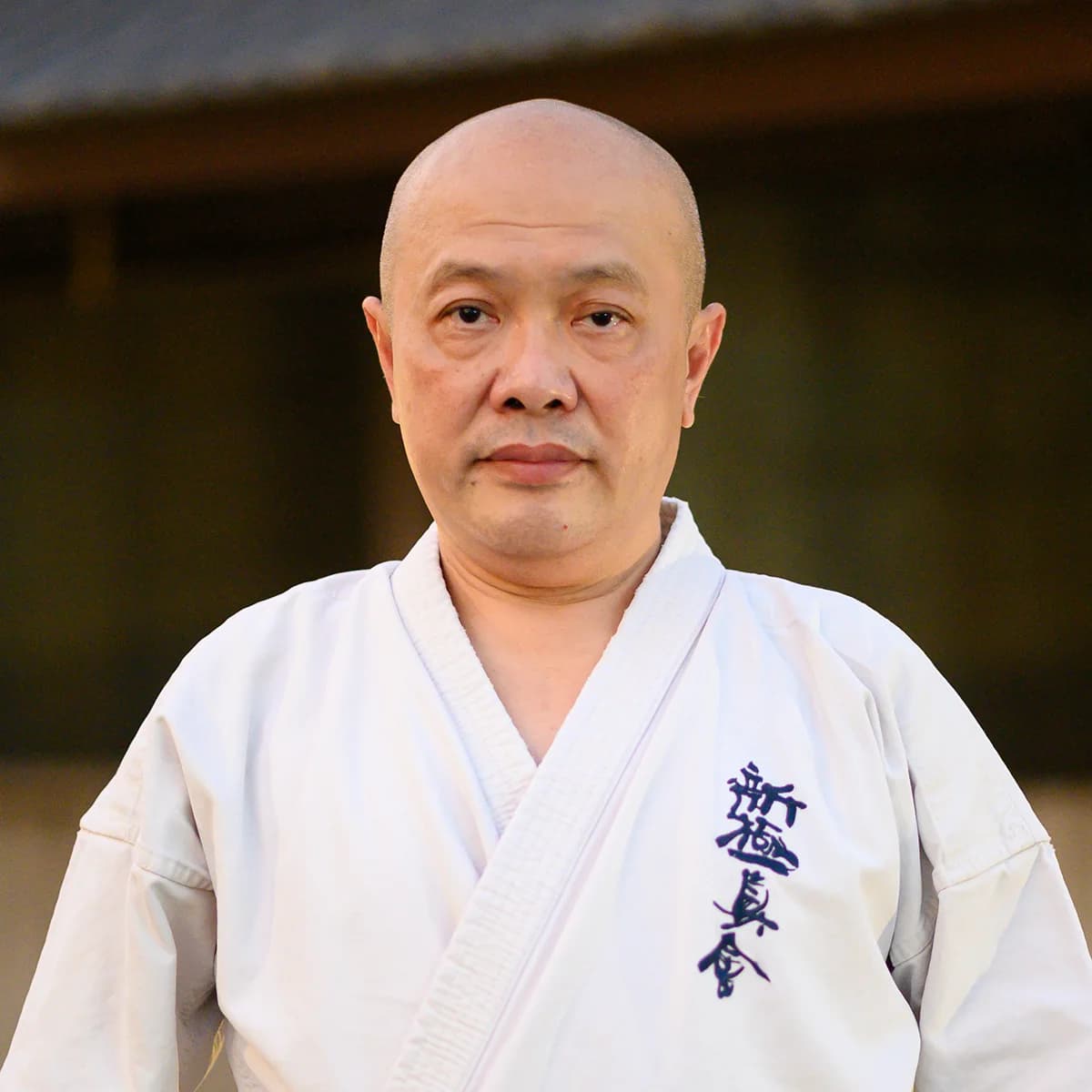 Thaninpong Supapitakpong (Phoenix)Co-founder of IMAC Dojo
Updated 30 Sept 2026
Assigned content reviewer: Patty
- Author
- Thaninpong Supapitakpong (Phoenix)
- Published
- Last updated
- Sources
- 1
- Reading time
- 3 min
Short Answer
The DPE manual presents Ta Then Kham Fak as entering against a straight punch, using one arm to protect above the head and connecting an uppercut with the other. Read both arms with the feet and trunk level rather than remembering only the rising fist.
Key Takeaways
- The manual includes both Thai spellings under one heading.
- The defending and punching arms have different functions.
- Entry and trunk level belong to the sequence.
- Compare Yo Khao Phra Sumen through the defending arm, not just the uppercut.
A rising fist may immediately look like an uppercut. Explaining why this Mae Mai is named Ta Then Kham Fak, however, requires looking back at the other arm and the position reached before punching.
Printed pages 138–139 of Muaythai Palasueksa Style combine punch defence with an uppercut and list two Thai spellings of the name. This article retains the CSV name and uses the original explanation to distinguish each part's function.
In this article
Two spellings: preserve the evidence rather than guessing a correction
The manual places both spellings in one heading, evidence that they can refer to the same lesson in this document. Searching the alternative may help find sources, but does not justify silently changing the CSV or video title.
Names connect sources; the situation and sequence distinguish the pattern. The text read does not establish who named it or a history of the figure in the name, so its imagery is not turned into an invented origin story.
Separate the arms' jobs, then read them as one pattern
The manual begins with a straight punch towards the face. The receiver uses one arm to protect above the head while preparing an uppercut with the other. Defence and punching are connected, but the arms are not simply lifted to do the same job.
Follow the defending arm before the punching arm. Ask which side of the head the attacking arm passes and how the receiver positions relative to it. If the camera hides that relationship, note it for an instructor rather than supplying unseen positions.
The uppercut is connected to stepping and body level
The manual includes an entry step and lowering the body before the response. Looking only at the bent punching arm skips the base that places the partners at that distance. Compare the feet before and after entry, then consider where the uppercut starts.
The manual uses angles to describe its example, not a requirement that everyone bend identically. Ask an instructor to explain a body level that retains the base and guard for the drill, rather than copying an angle without reading the actual distance.
What distinguishes Yo Khao Phra Sumen?
Both lessons contain an uppercut. The manual emphasizes lowering under a straight punch in Yo Khao Phra Sumen, while Ta Then Kham Fak prominently includes the arm protecting upwards. Compare the phase before the response rather than identifying the patterns from similar finishing fists.
An uppercut equipment drill may be a shared foundation. Mae Mai adds the incoming attack and changing positions. Knowing whether the task is a single weapon or a partnered relationship helps frame a more precise question for the instructor.
Review the sequence rather than rushing to copy the finish
The attached Muaythai Anywhere clip uses the CSV's technique name. Use the manual to frame observations of the incoming punch, defending arm, step and lowering, then the uppercut. These are viewing questions, not a claim that the clip verbally explains every point.
Review watching the counterpunch while forgetting the defending arm, or bending without relating the feet to the distance. Ask an instructor to separate partnered positioning from force on equipment, then connect the functions.
Read further and ask about unclear points
See Muaythai Anywhere and Khru Patty, the assigned content reviewer. For the dance context, see the Wai Kru Muay Thai course.
Ta Then Kham Fak — the defending arm and rising punch
A Muaythai Anywhere clip accompanying study of the defending arm, entry and rising punch in the DPE manual.
Video published
Sources and further reading
- Muaythai Palasueksa Style: Ta Then Kham Fak, printed pages 138–139 — Department of Physical Education, Institute of Muay Thai ArtReferenceAccessed 29 Sept 2026
Frequently Asked Questions
Do the two Thai spellings identify different techniques?
The cited manual lists both in one heading. This article keeps the CSV spelling and records the alternative rather than creating two articles from a spelling difference.
What does the arm that is not delivering the uppercut do?
It protects upwards against the incoming punch in the manual's explanation. Read it with the head position and punching arm.
Why compare with Yo Khao Phra Sumen?
Both include an uppercut, but their entries and defending-arm roles differ. The phase before the response distinguishes them more clearly than the finishing fist.
Must everyone bend to the angle stated in the document?
The example's angle is not treated as a fixed standard. Ask an instructor to assess the actual trainee's distance, base and trunk level together.
Ready to start martial arts?
Message IMAC Dojo to ask which course fits your age, goals, and training background.
Ask on LINE OfficialRelated Articles
Related Topics and Courses
Muaythai