
IMAC Dojo Judo Curriculum · Level 3
Judo Level 3: Ude Garami — Read the connected arm structure
Ude Garami is a joint-control technique using an interlocking arm structure to control the partner’s arm. Study grips and body position; testing how far a joint can turn is not an appropriate review method.
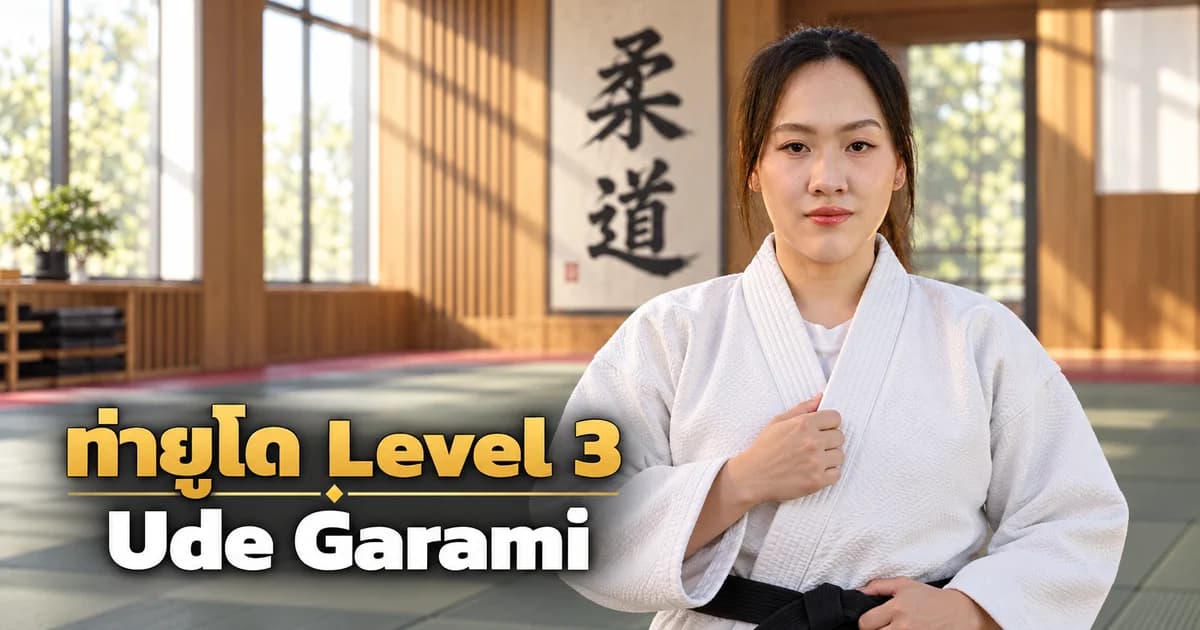
Compiled by Phoenix — Co-founder of IMAC Dojo
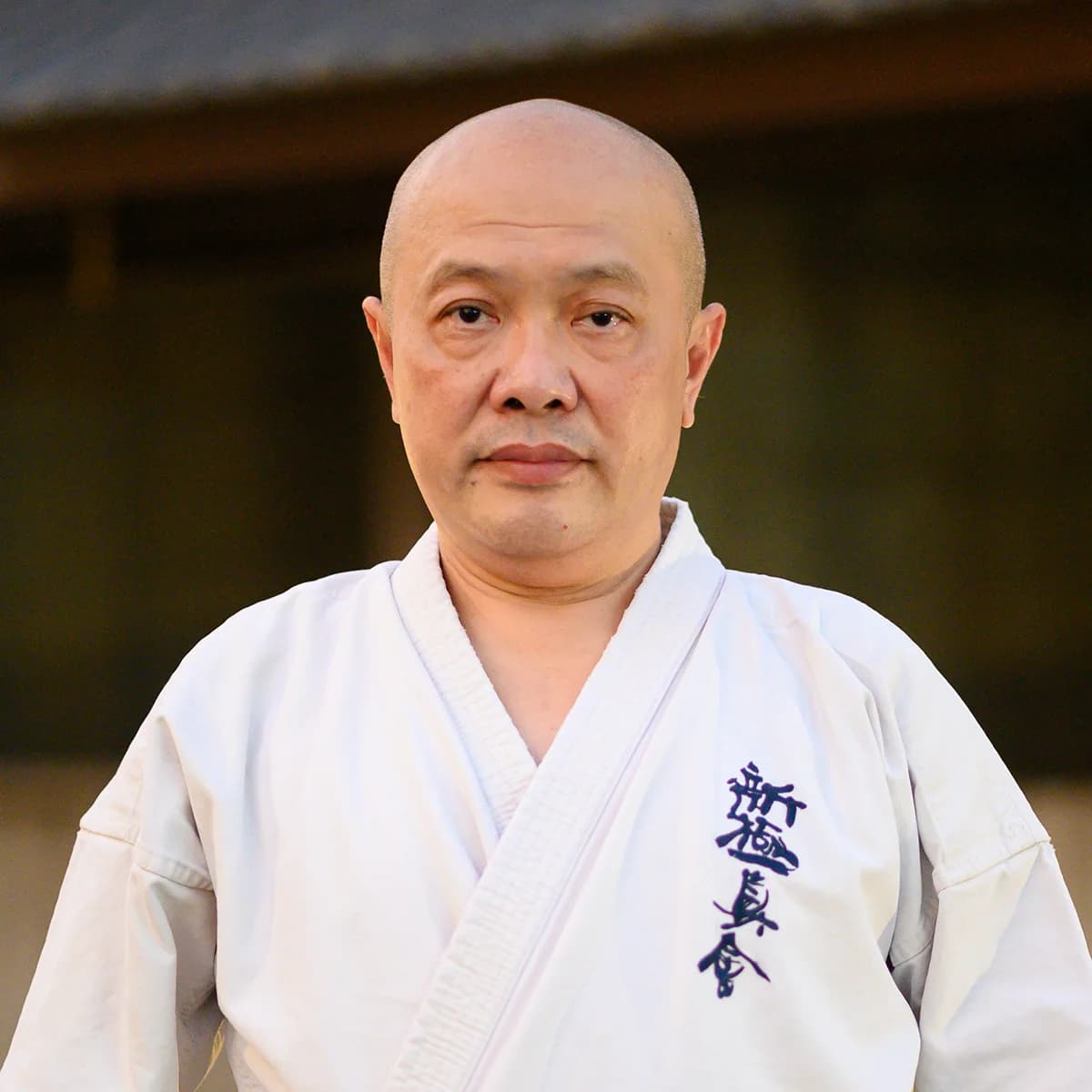 Thaninpong Supapitakpong (Phoenix)Co-founder of IMAC Dojo
Updated 29 Sept 2026
- Author
- Thaninpong Supapitakpong (Phoenix)
- Published
- Last updated
- Sources
- 1
- Reading time
- 2 min
Short Answer
Ude Garami is a joint-control technique using an interlocking arm structure to control the partner’s arm. Study grips and body position; testing how far a joint can turn is not an appropriate review method.
Key Takeaways
- Trace the hand on the partner’s wrist before the second arm.
- Compare the practitioner’s body position with the controlled upper arm.
- Observe stopping and release at the partner’s signal; do not use the clip as an endurance test.
Overlapping hands can be hard to follow. Start at the partner’s wrist and trace one arm at a time before focusing on the finish.
In this article
What the name tells us
腕緘, ude-garami, belongs to the joint-technique group. Ude means arm and garami suggests entangling, directing attention to the connected structure rather than one handhold.
How the technique works
Kodokan describes one hand controlling the partner’s wrist, with the other arm passing beneath the upper arm to grip the practitioner’s own wrist. This connected structure differs from simply holding a wrist with two hands. Follow the loop and body position.
Read ude-garami as several connected control points: Kodokan describes the grip on uke's wrist, the arm beneath the upper arm and the hand returning to tori's own wrist. This differs from simply twisting uke's wrist. Similar-looking hands are insufficient; include upper-arm and torso position.
What to watch in the clips
- Trace the hand on the partner’s wrist before the second arm.
- Compare the practitioner’s body position with the controlled upper arm.
- Observe stopping and release at the partner’s signal; do not use the clip as an endurance test.
A distinction worth noticing
Ude Garami is not a collective name for every arm control. Ude Hishigi Juji Gatame uses a different body-and-leg arrangement. Concentrating on twisting the forearm can distract from position and communication.
The difference from ude-hishigi-juji-gatame is not just being above or below. It concerns bent-arm rotational control compared with juji-gatame's extension line. Identify the controlling shape before pressure, not through the partner's pain.
Taking the lesson back to practice
Have an instructor check grips without applying joint pressure. Agree on a stop signal first and release immediately when it is given. Use the clip to prepare positioning questions, not to rush into testing force.
The Level here refers to the IMAC Dojo curriculum. Use the article and clips to prepare questions and review them with your instructor. Practical training needs a suitable partner, space and controlled conditions.
Have your instructor identify the control points without increasing pressure and explain which gaps let the arm move free. The aim is not a faster painful angle, but understanding that control precedes joint pressure and that the hold must be released immediately on a partner's signal.
Connect this with your next lesson
Ude Garami — Video lesson 1
An IMAC Dojo clip accompanying Ude Garami. Use the observations and distinctions in this article to guide your viewing.
Video published
Sources and further reading
- 腕緘 — 講道館 柔道 技名称一覧 — 講道館ReferenceAccessed 29 Sept 2026
Frequently Asked Questions
Does Ude Garami mean every arm lock?
No. It names a particular connected-arm technique; match the name to the structure demonstrated.
Why grip one’s own wrist?
That grip connects the two arms into the control structure. It is functional, but an instructor must check the actual placement.
What should I review first after watching?
Start with hand order and body position without joint pressure, with stop signals agreed by instructor and partner.
Ready to start martial arts?
Message IMAC Dojo to ask which course fits your age, goals, and training background.
Ask on LINE OfficialRelated Articles
Related Topics and Courses
Judo Thailand