
Ten Tigers No. 1: Wong Yan-lam (王隐林), Former Monk of Mount Dinghu Who Passed On Hop Gar (侠家拳)
Wong Yan-lam is the first name on the list of the Ten Tigers of Canton, and one of the few whose lineage carries on today: Hop Gar, which is on Foshan's intangible cultural heritage list. But his years of birth and death, his family and the story of a challenge platform with 150 fights still come from a single source or from lineage stories. This article separates them one by one.
- Author
- Thaninpong Supapitakpong (Phoenix)
- Published
- Last updated
- Sources
- 36
- Reading time
- 30 min
Some drafts are prepared with the help of AI writing tools. The named author reads and edits every article and decides what is published. Editorial policy
Short Answer
Wong Yan-lam (王隐林, Mandarin Wang Yinlin) was a Cantonese boxing teacher of the late Qing dynasty, and the first name on the list of the Ten Tigers of Canton. His lineage's account says he was a monk at Qingyun Temple on Mount Dinghu in Zhaoqing, learned boxing from a teacher from Sichuan, then left the monastic life and opened a school in the Huangsha district of Guangzhou. His art is Hop Gar (侠家拳), which is now on the intangible cultural heritage lists of Foshan city and Shunde District. His years of birth and death, 1840–1928, come from a single source, and the story of a challenge platform where he beat 150 men is told by the Western lineage and is not found in Chinese sources.
Key Takeaways
- Wong Yan-lam is the first name on the list of the Ten Tigers of Canton. This is his place in the list, not a ranking of skill.
- Hop Gar, the art whose lineage counts him as its founding teacher, is on the intangible cultural heritage lists of Foshan city (2020) and Shunde District (2025).
- His years of birth and death, 1840–1928, his birthplace and his family still come from a single source.
- There are two versions of his teacher: the Chinese version says a monk or knight-errant from Sichuan, the Western version a Tibetan lama.
- The story of a challenge platform in front of Hoi Tong Monastery and 150 wins comes from the lineages in the West and is not found in Chinese-language sources.
Of the ten names in the [Ten Tigers of Canton](/en/blog/ten-tigers-kungfu), Wong Yan-lam (王隐林) is one of the least known in Thailand. He has no film of his own and no catchy nickname like Iron Bridge Three (铁桥三) or Beggar So (苏乞儿), yet he comes first on the list, and he is one of the few whose boxing lineage carries on to this day.
What drew me to him is that the information about him falls into very clear layers. The layer with evidence is Hop Gar (侠家拳), which people still practise and which is on an intangible cultural heritage list in Foshan. The next layer is the lineage's account that he was a monk, studied with a teacher from Sichuan and then opened a school in Guangzhou. The outermost layer is his years of birth and death, his family and the story of a platform where he fought 150 men, which come from a single source or from lineages abroad.
In this article I separate the three layers and say where each claim comes from. For names I use the Cantonese romanisation best known in English where one is established, such as Wong Yan-lam, Hop Gar or Lama Pai, because the arts and people of this line became known abroad through Cantonese. I give the Chinese characters at first mention, and use pinyin for names that have no established English form.
In this article
Wong Yan-lam: quick facts
| Topic | Details |
|---|---|
| Name | 王隐林: Mandarin Wang Yinlin, Cantonese Wong Yan-lam |
| Other name | 王飞龙 (Wang Feilong). Some sources say it was his original name, others an alternative name |
| Place among the Ten Tigers | No. 1 on the most widely used list. A place in the list, not a ranking of skill |
| Birth and death | Chinese Wikipedia gives 1840–1928, citing an online article from 2021. Single source |
| Native place | Zhaoqing (肇庆), according to the text quoted from《广东武术史》. Some sources say Xinxing County (新兴) |
| Teacher | A teacher from Sichuan known as Li Huzi (李胡子) or Sing Lung (星龙), according to the lineage's account |
| Where he trained | Qingyun Temple (庆云寺) on Mount Dinghu (鼎湖山), Zhaoqing, according to the lineage's account |
| School | The Huangsha (黄沙) district on the Pearl River, Guangzhou |
| Style | Hop Gar (侠家拳, Mandarin Xiajia Quan). Some sources say its old name was 鹤阳拳 |
| Lineages that count him as a teacher | Hop Gar · the Lama school (喇嘛派, Lama Pai) · the White Crane school (白鹤派, Bak Hok Pai) |
| Heritage | Hop Gar is on the intangible cultural heritage lists of Foshan city (佛山, 2020) and Shunde District (顺德, 2025) |
| Pictures | No contemporary photograph or painting of Wong Yan-lam has been found |
Who was Wong Yan-lam, and why does he come first?
Wong Yan-lam (王隐林), read Wang Yinlin in Mandarin, was a Cantonese boxing teacher of the late Qing dynasty. On almost every version of the Ten Tigers of Canton list his name comes first. That includes the oldest list that can be traced, in the preface to a novel by the Hong Kong writer with the pen name 我是山人, which was quoted in a Chinese question-and-answer thread in 2007.
I explain the different versions of the list, and where the name Ten Tigers comes from, in the main article, Who Were the Ten Tigers of Canton? What matters for this episode is that the ten lived roughly two generations apart and there is no evidence they ever formed a group. The group name was given to them by later generations.
"No. 1" is a place in the list, not a ranking of skill
Many websites write that Wong Yan-lam was "the head of the Ten Tigers" or "number one". I have not found any document that actually ranks the skill of these ten. The phrase comes from several directions. A Hop Gar school in England says that after he won on the challenge platform he took "the number one seat" among the Ten Tigers, but a teacher from another lineage writes that the most outstanding of the Ten Tigers was Iron Bridge Three, not Wong Yan-lam.
When each lineage raises its own teacher to first place, "head of the Ten Tigers" becomes a phrase of praise, not the result of a ranking. "No. 1" in this series means only his place in the list.
One of the few counted as real people
A Chinese columnist on 163.com quotes the book《广东武术史》(History of Guangdong Martial Arts), compiled by members of the Guangdong Wushu Association in the 1980s, as saying that Hop Gar is said to be the boxing that the knight-errant Li Huzi of Sichuan passed on to the monk Wong Yan-lam of Qingyun Temple on Mount Dinghu, and as placing Wong Yan-lam (original name 王飞龙) among the representatives of Hung Kuen together with Iron Bridge Three, Wong Kei-ying (黄麒英) and Wong Fei-hung (黄飞鸿). The columnist concludes that six of the ten do not appear in the history of Guangdong wushu, and Wong Yan-lam is not one of those six.
I cite this through a secondary article, because I have not yet seen the book《广东武术史》itself, and it must be read carefully as the columnist's conclusion, not a verdict the book itself states. But at the very least it shows that the name Wong Yan-lam does not exist only in novels and TV drama.
His name, other names and place of origin
王隐林 and 王飞龙
Several Chinese sources say Wong Yan-lam had another name, 王飞龙 (Wang Feilong), but they differ in the detail. Chinese Wikipedia writes "又名王飞龙", meaning an alternative name, while the text the columnist quotes from《广东武术史》writes "原名王飞龙", meaning his original name. So I cannot yet say which was his real name.
A Zhaoqing man or a Xinxing man?
The text quoted from《广东武术史》says Wong Yan-lam was "a Zhaoqing man" (肇庆人). Chinese Wikipedia and the clan-history website 族谱网 are more specific, saying he came from Xiaowen village (小稳村) in Xinxing County (新兴县), and the latter uses the word "据说", meaning "it is said". The village name rests on a single source, and I have not found it in any official document.
The two may not contradict each other. Xinxing County was once under Zhaoqing. The administrative history of Zhaoqing records that Xinxing belonged to Zhaoqing until 1994, when Yunfu (云浮) was split off as a new city, so Xinxing is now in Yunfu. "A Zhaoqing man" in an old book may therefore mean someone from the wider Zhaoqing area. Mount Dinghu, home of the temple where the story says he became a monk, is still in Zhaoqing today.
Where do the years 1840–1928 come from?
Chinese Wikipedia gives a year of birth of 1840 and a year of death of 1928, at the age of eighty-eight by Chinese reckoning, citing a 2021 article on a website called 探探生活史. The Wikipedia page itself carries a tag asking for more reliable sources. I have not found these years in any older document, so all I can write is that some sources say 1840–1928.
There is one more point to watch with these years. The same page says that in 1928 Wong Yan-lam gave his art the name "Hop Gar" (侠家) and died in the same year, which does not fit the other versions of where the name came from. I explain this in the section on the name "Hop Gar" below.
One "Wong", two possible surnames
Cantonese reads both the surname 王 and the surname 黄 as Wong. When English sources turn a name back into Chinese characters, the two surnames can get swapped. The clearest example is the disciple Wong Lam-hoi, whom Chinese sources write as 王林开 but English sources write as 黄林开. Even Chinese Wikipedia's own page on Wong Yan-lam has both "王汉荣" and "黄汉荣" on the same page. In this article I follow the surnames in the Chinese sources, and I do not guess that men surnamed 黄 in this line were related.
A monk at Qingyun Temple on Mount Dinghu, and a teacher from Sichuan
The story the Chinese sources agree on is that a boxing teacher from Sichuan came to stay at Qingyun Temple (庆云寺) on Mount Dinghu (鼎湖山) and passed his art on to the monk Wong Yan-lam. A 2025 Foshan news report tells it with the word "相传", meaning "handed down by tradition": a teacher who had received the Shaolin line of the art travelled from Sichuan to stay at Qingyun Temple, and passed Hop Gar on to Wong Yan-lam. The report comes from the office of Chencun (陈村) town and the Shunde Museum, yet it still uses the words "handed down by tradition", so I class this as the lineage's account, not documented history.
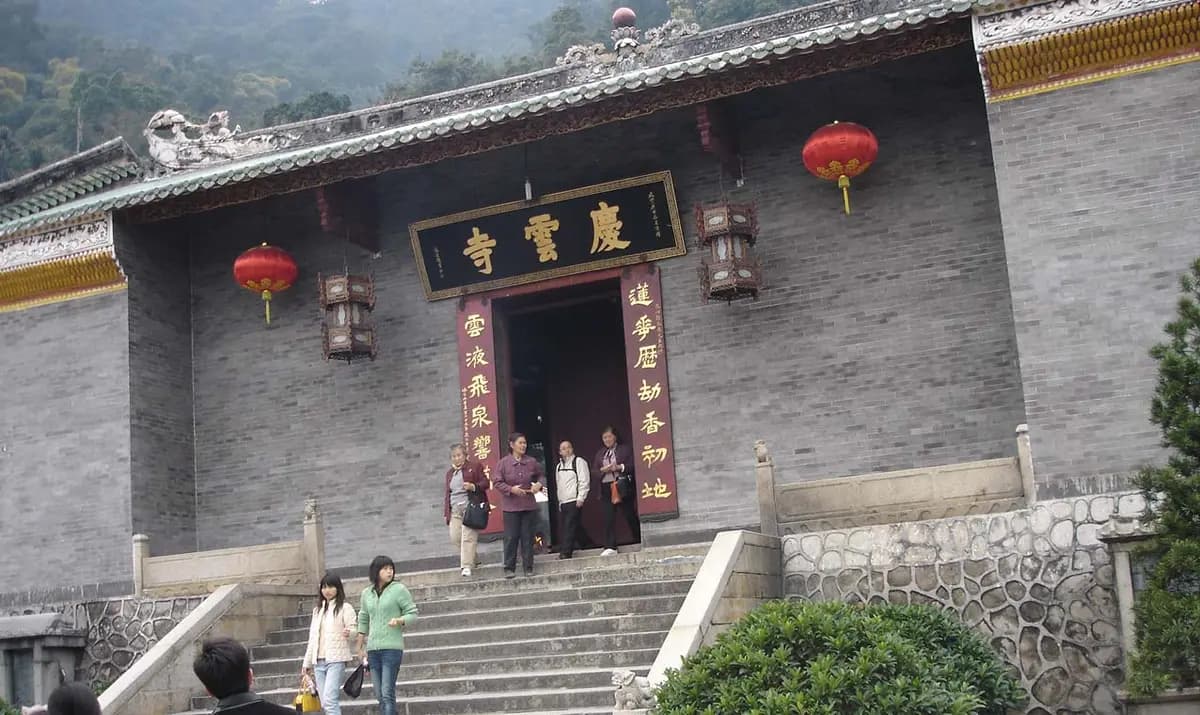
Qingyun Temple, a famous Guangdong temple since the late Ming
Qingyun Temple is real and has a clear history. Chinese Wikipedia records that it began as a thatched hermitage called Lianhua An (莲花庵) in 1633. Later the monk Qihe (栖壑) enlarged it, cutting the hillside into seven terraces, and in the 19th year of the Guangxu reign the Empress Dowager Cixi granted it a plaque reading "敕赐万寿庆云寺". The temple is counted as one of the four famous temples of Guangdong, and is on the list of nationally important Buddhist temples.
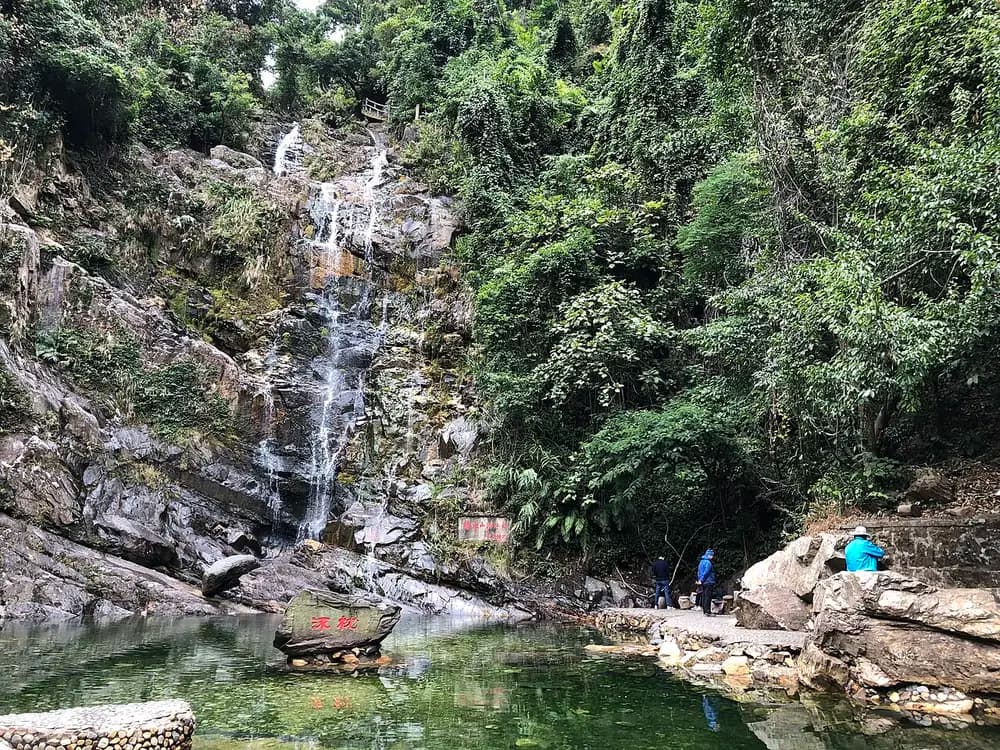
What I must point out is that none of the temple histories I could find mention boxing at all, and the temple itself does not claim to be the birthplace of Hop Gar. An old history of the temple,《鼎湖山庆云寺志》, printed in the Kangxi reign, can still be read as a scan, but it is more than a hundred years older than Wong Yan-lam's time, so it can only show that the temple was important long before he was born.
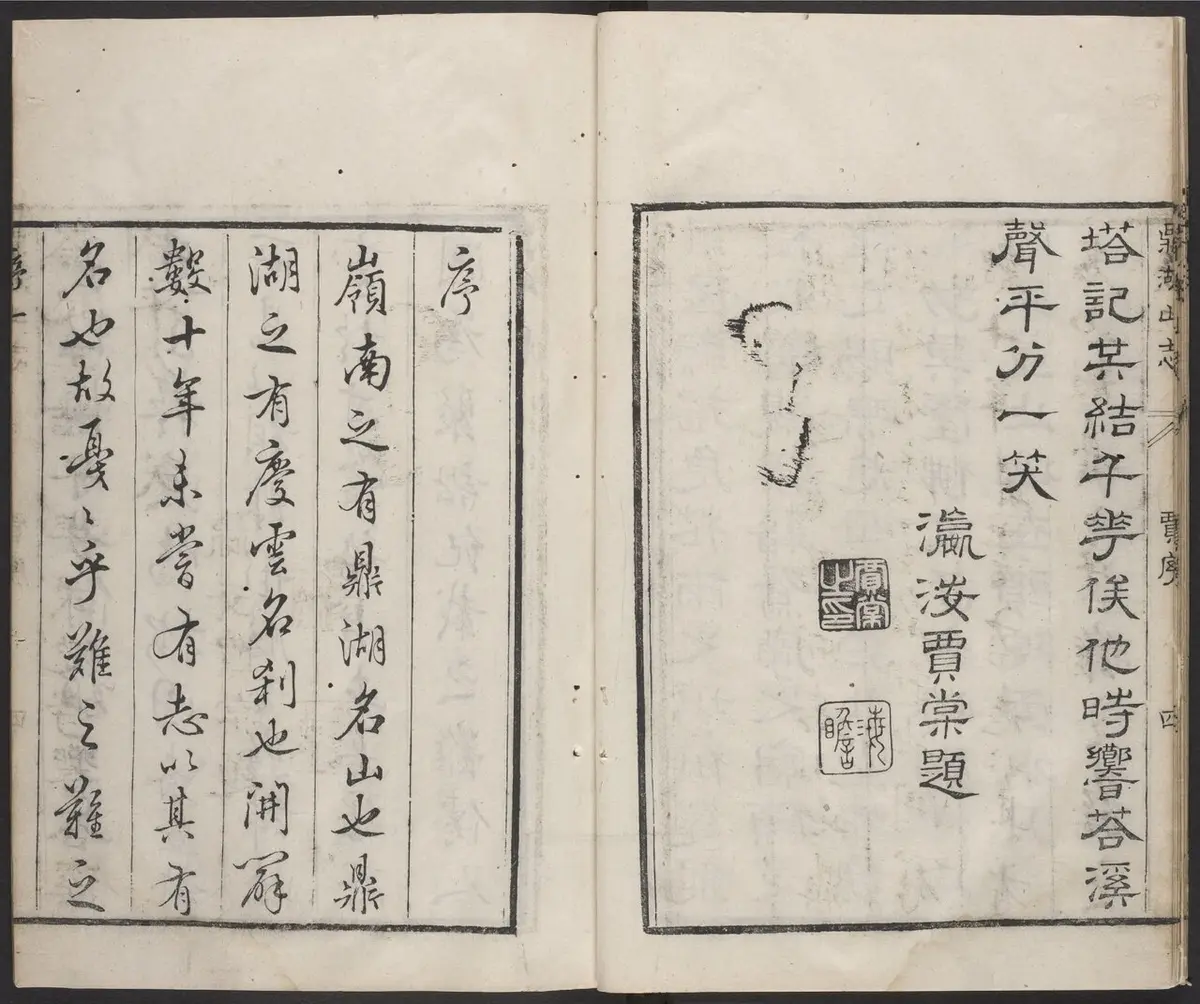
Li Huzi, Li Suicheng, Sing Lung, Chan Master Jingou: one teacher, many names
Wong Yan-lam's teacher goes by several names. The Foshan news report calls him Chan Master Jingou (金钩禅师), a monk of the Linji school who had received the Shaolin line of the art, and says people also called him the great knight-errant Li Huzi (大侠李胡子), literally "Bearded Li". Chinese Wikipedia gathers the names into a single bracket: Li Suicheng (李遂成) or the great knight-errant Li Huzi, Elder Sing Lung (星龙长老) and Chan Master Jingou.
Encyclopedia text copied by many Chinese websites also says that Hop Gar is said to have been brought from Mount Emei in Sichuan by the knight-errant Li Huzi, and was once called white crane boxing. So all the Chinese versions agree only that the teacher came from Sichuan. His real name cannot yet be settled.
It is worth noting that the names Li Suicheng and Li Huzi also turn up as the teacher of Leung Kwan (梁坤), or Iron Bridge Three, in another strand of the stories. Chinese Wikipedia writes that the young Leung Kwan became a student of Li Suicheng. I have not found evidence that they were the same man, or that the stories simply borrowed the name again.
A Chinese monk or a Tibetan lama: two versions of the same story
The story that reached Hong Kong and the West is very different. English Wikipedia, citing a book from the Lama Pai line, says that in 1865 Sing Lung, the 11th-generation grandmaster of the Lion's Roar (狮子吼) art and a Tibetan lama, travelled through Sichuan to Guangdong. He stayed at a temple called 清云寺 or 庆云寺, at first taught only monks, and his last two disciples were laymen: Wong Yan-lam and Wong Lam-hoi (王林开).
A Hop Gar school in England tells a similar story: Sing Lung was a Tibetan monk who came to the "Heng Wan" temple in Guangdong around 1860 and exchanged lama techniques for Southern Shaolin techniques with the monks there, and Wong Yan-lam studied with Sing Lung for ten years until his teacher died. A teacher from another lineage writes that Wong Yan-lam's art had its roots in Tibetan lama boxing, and that his teacher was a Shaolin monk named Sing Lung.
In short, the Chinese version makes the teacher a Chinese monk or knight-errant from Sichuan, the Western version makes him a Tibetan lama, and it is the Western version that gave the "Lama school" its name. I cannot yet say whether this is one man told two ways or two different men. The years 1865 and 1860 are the lineages' figures, not documented dates.
A monk who left the order, or a lay disciple?
Another point where the two versions disagree is Wong Yan-lam's own status. Chinese sources call him "僧人王隐林", meaning the monk Wong Yan-lam, and write that when he came to Guangzhou he left the monastic life and opened a school. The school in England calls him a lay disciple of Sing Lung. I use the Chinese version in the heading, because it is the version that sources in China, including local news, agree on, but both versions are still lineage accounts. The story that he studied at the temple for about ten years also comes from the lineage's account.
A boxing school on the Huangsha waterfront, Guangzhou
After leaving the monastic life, Wong Yan-lam opened a school in Guangzhou. The Chinese sources agree on this at the level of the district: Huangsha (黄沙). As for the street, Chinese Wikipedia and the clan-history website say he opened his school on Jianshan Street (兼善街) in Huangsha. I have not yet found a street of that name on old maps, so I can confirm it only at district level.
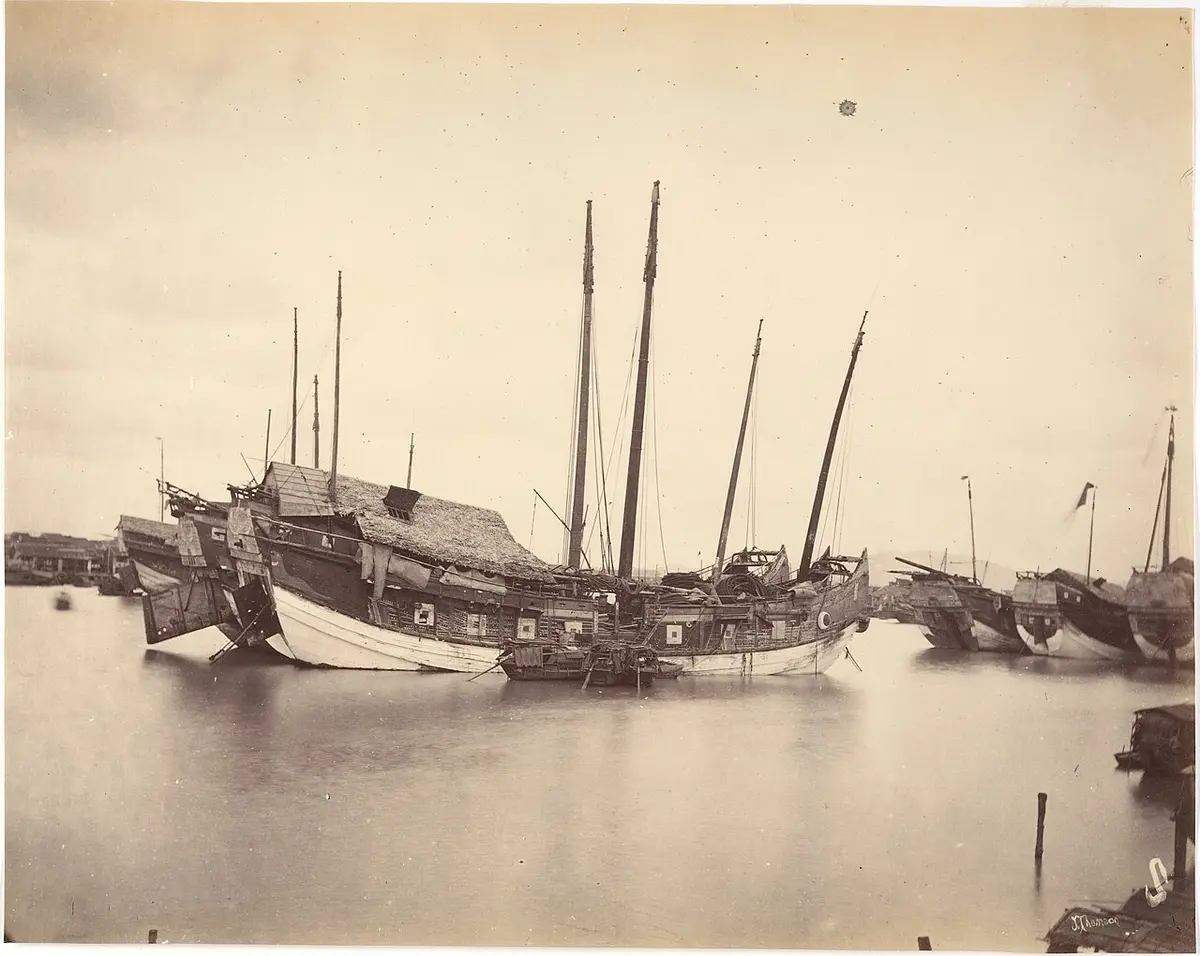
Huangsha in the 19th century
Huangsha lies on the north bank of the Pearl River (珠江), west of the old city of Guangzhou, next to Shamian Island (沙面). Chinese Wikipedia says that it was originally a sandbank built up from river silt from the late Ming onwards, and that in the 1850s the river began to be filled in, with wharves and roads built on it. Then in 1901 it became the terminus of the Guangzhou–Hankou railway, so the area became a district of wharves and wholesale markets. Today Huangsha is in Guangzhou's Liwan District (荔湾).
What I have not yet found is the year he opened his school, or any record of who his students were at the time. The stories give only the name of the district and the names of his leading disciples.
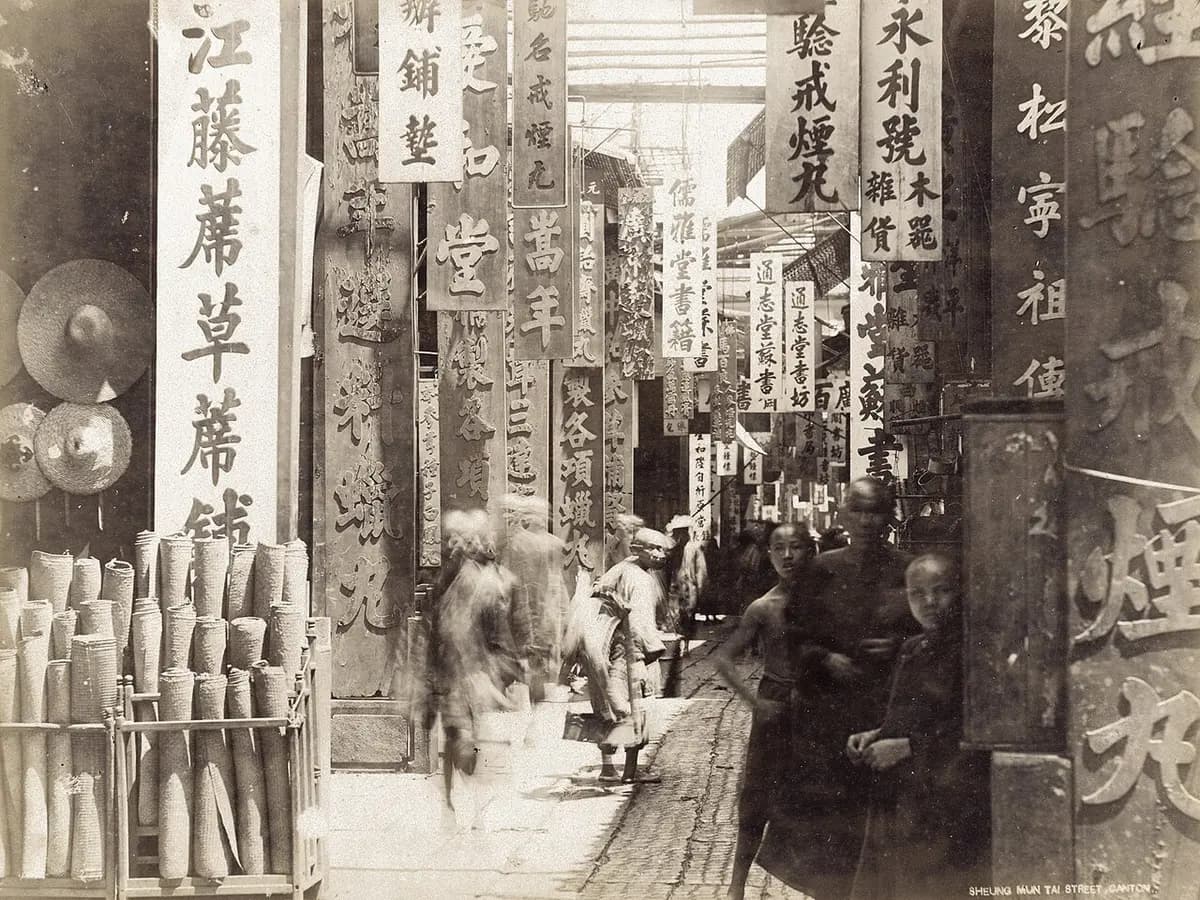
Four boxing forms, and weapons
What the Chinese sources record most consistently is what Wong Yan-lam taught. The 2025 Foshan news report says he taught the forms Twelve Bridges (十二支桥), Small Arhat (小罗汉), Tiger and Crane Fighting (虎鹤相斗) and Great Arhat (大罗汉), the Hop Gar broadsword, and spear and staff. The same report grades them: the beginning form is Small Arhat, the intermediate form is Tiger and Crane Pair (虎鹤双斗), and the advanced form is Great Arhat.
| Type | Form | Notes |
|---|---|---|
| Boxing | Twelve Bridges (十二支桥) | In the list of four forms on Chinese Wikipedia and the clan-history website |
| Boxing, beginning form | Small Arhat (小罗汉) | The Foshan report classes it as a beginning form |
| Boxing, intermediate form | Tiger and Crane Fighting (虎鹤相斗 or 虎鹤双斗) | The name is written two ways |
| Boxing, advanced form | Great Arhat (大罗汉) | The Foshan report classes it as an advanced form |
| Weapons | Single broadsword (单刀), left-handed spear (左把枪) and staff | Chinese Wikipedia calls the staff set 九点十二枪响棍 |
These form names are still taught in the Hop Gar line today, which makes them the best-evidenced part of Wong Yan-lam's story, even though that does not prove he created every form himself.
Seven leading disciples, and names written differently
Chinese Wikipedia says Wong Yan-lam had seven important disciples, but the text quoted from《广东武术史》gives only five names, and writes some of them differently. This table puts them side by side.
| Disciple | What the sources say | Caution |
|---|---|---|
| Wang Hanrong (王汉荣) | English-language sources say he gave Hop Gar its name | Sometimes written 黄汉荣 |
| Wang Lun (王伦) or Wang Jingchu (王敬初) | The line that carried on as Hop Gar in China, through the Deng family | The school in England says he had learned Hung Kuen (洪拳) first |
| Cai Yigong (蔡懿恭) | The line that went abroad and became the Lama school | Sometimes written 蔡以公 |
| Wong Lam-hoi (王林开) | The line passed on to Wu Zhaozhong (吴肇钟), which became the White Crane school | English-language sources say he was a fellow student, not a disciple |
| Pan Jian (潘鉴) | Only his name is given | No other information found |
| Zhu Yichuan (朱亦传) | In Chinese Wikipedia's list of seven. English-language sources say he started another Lama line | Not in the list of five |
| Wu Zhaozhong (吴肇钟) | In Chinese Wikipedia's list of seven | The same page also says he was Wong Lam-hoi's disciple |
The clearest conflict is Wong Lam-hoi. Chinese sources count him as Wong Yan-lam's disciple, but English Wikipedia counts Wong Lam-hoi as a lay disciple of Sing Lung himself, and so a fellow student of Wong Yan-lam. So in this article I write "Wong Lam-hoi's line" rather than ruling on who was whose disciple.
The Deng family: a Hung Kuen teacher who sent his son to learn Hop Gar
The line with the most continuous evidence down to the present is the one through Wang Lun. Chinese Wikipedia says that a Hung Kuen teacher in Guangzhou named Deng Long (邓龙) liked Hop Gar, so he had his son Deng Jintao (邓锦涛) become a student of Wang Lun, and Deng Jintao then taught his own son, Deng Zhenjiang (邓镇江). English Wikipedia gives the years: Deng Jintao lived from 1902 to 1987, and Deng Zhenjiang was born in 1945.
A school in England that descends from this family adds that Wang Lun studied Hung Kuen with his father for five years and then with a student of Iron Bridge Three for six years, before becoming Wong Yan-lam's disciple. It also says that Deng Jintao was once a coach of the Guangdong provincial wushu team, and that Deng Zhenjiang ran a martial arts school in Guangzhou from 1979 to 2006. These details come from the school itself, but they agree with the Chinese sources on the order of the people.
The best printed evidence for this line that I have found is the book《侠拳》, in a series on the forms of famous Southern Fist teachers of Guangdong, which Deng Jintao and Deng Zhenjiang demonstrate, and which a second-hand bookseller lists as printed in 1985. I have not yet read the book itself, so I do not yet know how its history pages tell Wong Yan-lam's story.
What kind of boxing is Hop Gar?
Hop Gar (侠家拳), also romanised Hap Gar, is read Xiajia Quan in Mandarin. 侠 means a righteous knight-errant and 家 means family or school, so the name can be rendered "the boxing of the knight-errant school". The Foshan news report sums up its character in the phrase "let fly the fist like a fierce tiger, thrust the spear like a flood dragon" (放拳如猛虎,出枪如蛟龙).
Long arms, wide stance
The principle the Chinese sources agree on is "长桥大马", meaning long arms and a wide stance. The movements open wide and close wide. The main punches are the upward swinging punch (抛拳), the straight punch (冲拳) and the charging swinging punch (冲锋抛拳). The power is long power and swinging power, and the spear work stresses flicking, swinging, circling and lifting. An inheritor of the art in Sanshui District (三水) described the same features when interviewed by students who went to study the art in 2022, adding that in this art, defence is also attack at the same time.
Encyclopedia text copied by Chinese websites goes into more detail: Hop Gar uses the wing-flapping hand (扑翼手) and the crane's-crest hand (鹤顶手), has basic hand techniques such as the whip strike (鞭槌), the tiger claw (虎爪) and the one-legged bridge (独脚穿桥), and has stances including the triangle stance (三角马), the swaying step and the plough stance. This matches what English-language sources say: the art concentrates on the hands, mostly uses low kicks, and gives weight to monkey and crane techniques.
If you want an overview of how the southern Chinese styles differ, and where Hop Gar sits in that picture, read How Many Southern Chinese Kung Fu Styles Are There?
The old name 鹤阳拳, and a nickname swapped with the seventh tiger
Chinese Wikipedia says Wong Yan-lam's art was at first called 鹤阳拳, the white crane boxing of Huiyang. This rests on a single source, but it helps explain something that confuses many people: the nicknames on online lists of the Ten Tigers.
A list on a question-and-answer site from 2010 gives Wong Yan-lam the nickname 鹤阳拳 and Tam Chai-kwan (谭济筠) the nickname 侠家拳, while other lists, such as the one on a reference website for writers, give the nicknames the other way round, with Wong Yan-lam as Hop Gar. The latter matches the lineage that actually exists, so I take Hop Gar as Wong Yan-lam's main art. I tell the story of Tam Chai-kwan's nickname in his own episode.
When was the name "Hop Gar" given, and by whom?
There are at least four versions of where the name came from, and they still do not agree.
- Chinese Wikipedia says Wong Yan-lam named the art Hop Gar himself in 1928, and died in the same year.
- English Wikipedia says his disciple Wang Hanrong gave it the name to honour his teacher, and that Sun Yat-sen is said to have suggested it.
- The Foshan news report says that because people called his teacher the knight-errant Li Huzi, the boxing the teacher brought came to be called Hop Gar.
- The school in England says Wong Yan-lam earned the nickname "Dai Hap" (大侠, "great knight-errant") for his good deeds, and his students named the art after their teacher's nickname.
All four agree only that "Hap" (侠) comes from the image of the righteous knight-errant. Who gave the name, and when, remain open questions. I do not treat any one version as settled.
The challenge platform in front of Hoi Tong Monastery: the legend of 150 fights
Wong Yan-lam's most famous story in English is the story of the challenge platform (擂台, lei tai). English Wikipedia's list of lei tai fighters says that Wong Yan-lam set up a challenge platform in front of Hoi Tong Monastery (海幢寺), fought for 18 days, beat 150 fighters without a single loss, and was then chosen as head of the Ten Tigers. This cites the account of a Hop Gar teacher in the United States. The school in England tells it more briefly: he set up a platform and won 150 no-rules fights before opening his school in Guangzhou.
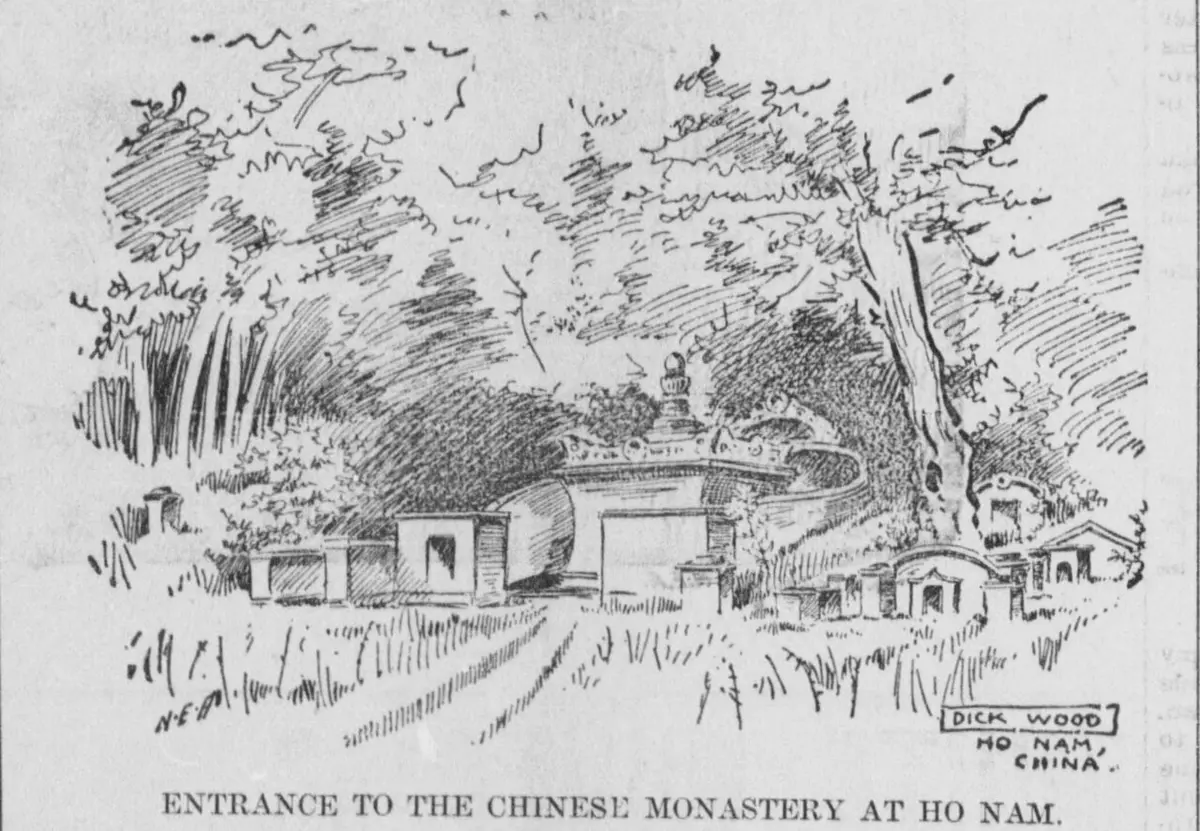
Why I class this as legend
Hoi Tong Monastery is real. Chinese Wikipedia records that it stands in Haizhu District, on the south bank of the river in Guangzhou, and is counted as one of the five great temples of Guangzhou. Westerners in the Qing period called it the Honam temple, after the name of the area. But none of the temple histories I could find mention a boxing platform at all.
More importantly, searching in Chinese for Wong Yan-lam together with Hoi Tong Monastery and a challenge platform finds nothing at all in Chinese-language sources. So the story comes only from the lineages in the United States and England. The figures of 18 days and 150 men belong to the story, and no one recorded such an event at the time. I can therefore tell it as the lineage's legend, not as history.
The same page also quotes the US teacher describing Wong Yan-lam as very brutal to his challengers. I do not repeat this as praise, because it too is a picture the lineage built later, and there is no evidence of him being either brutal or kind.
Other stories still without evidence
- Escorting caravans across China. English-language sources say that after his teacher died he worked escorting caravans all over China and exchanged techniques with Hung Kuen teachers. This is the lineage's account.
- Leader of a rebel group against the Qing. The same page calls him the leader of a rebel group called the Ten Tigers of Canton, which conflicts with the evidence that the ten lived roughly two generations apart.
- A father named Wang Ping, nicknamed "the One-Legged Bronze Man". Chinese Wikipedia says his father was Wang Ping (王平), nicknamed "独脚铜人", and that his son Wang Huai (王怀) was arrested for working against the Qing, so that Wong Yan-lam fell ill with grief and died. This rests on a single source, and the father's nickname sounds like something out of a novel.
- A son who helped Sun Yat-sen's revolution. This is the title of the 2021 online article that Chinese Wikipedia cites as its reference. There is no other document.
I do not use these stories as history, and I keep them separate so you can see where they come from. If someone finds a document that confirms one of them in future, I will move it up into the history.
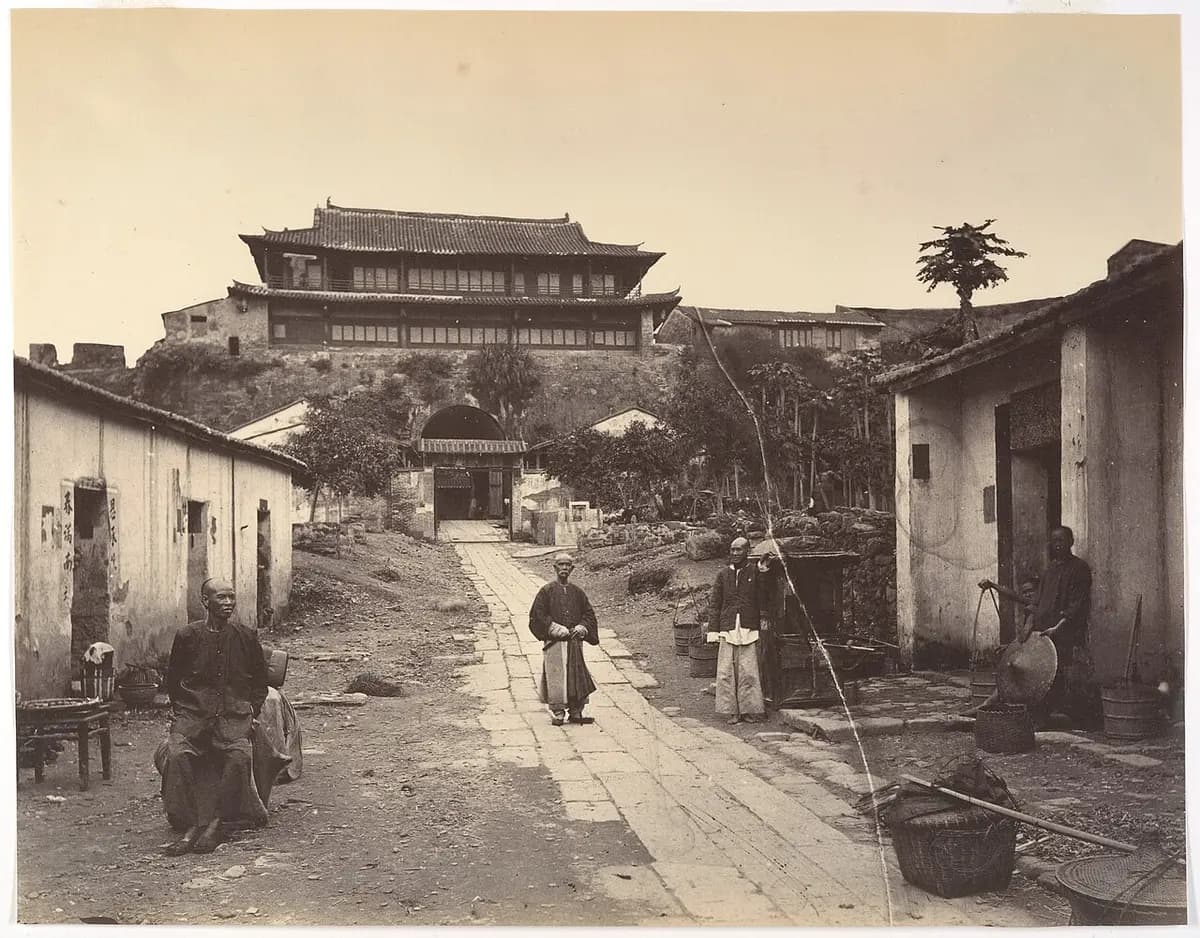
Three lineages that count him as an ancestor
What sets Wong Yan-lam apart from the other tigers is that as many as three martial arts lineages count him as their founding teacher or as part of their line of transmission. Chinese Wikipedia sums it up: Wang Lun's line passed down to Deng Jintao; Wong Lam-hoi's line passed down to Wu Zhaozhong, who split off as the White Crane school; and Cai Yigong's line grew up abroad, where the head teacher was called a lama, so it became the Lama school.
| Lineage | Through | Where it is today |
|---|---|---|
| Hop Gar (侠家拳) | Wang Lun → Deng Jintao → Deng Zhenjiang, and Wang Hanrong's line | Guangdong Province including Foshan, Hong Kong, and abroad |
| The Lama school (喇嘛派, Lama Pai) | Cai Yigong and Zhu Yichuan | Guangdong Province, Hong Kong, and abroad |
| The White Crane school (白鹤派, Bak Hok Pai) | Wong Lam-hoi's line → Wu Zhaozhong | Guangdong Province, Hong Kong, Macau, and abroad |
This White Crane is not Fujian White Crane
Be careful with the name "White Crane", because there are several crane boxing lines. English Wikipedia calls this Hong Kong White Crane school (白鹤派) Tibetan White Crane, and counts Wu Zhaozhong among its important teachers. The same page says that Wu Zhaozhong moved to Macau and became grandmaster of the line in both Macau and Hong Kong. This line is separate from the White Crane boxing of Fujian Province. If you see an article that mixes the two, know that it is talking about two different things.
To Hong Kong and abroad
English Wikipedia says that the first person to take Hop Gar out of mainland China was Ng Yim-ming (伍冉明, Mandarin Wu Ranming, 1908–1972), who opened a training centre in Hong Kong in the 1960s and moved to the United States in 1970. The same page says that the Lama line descends through Chen Taishan (陈泰山), a student of Zhu Yichuan, and that the Deng family's Hop Gar line has students who teach in the Netherlands, New Zealand, France and England.
The story of the platform and the 150 men, told above, travelled with these lines too. That is why it is found in English but not in Chinese.
Heritage today: listed in Foshan, not Guangzhou
Wong Yan-lam opened his school in Guangzhou, but the intangible cultural heritage lists I could check are in Foshan, not Guangzhou. I have not found Hop Gar on Guangzhou's lists, although I have not yet searched every district.
| Level | Year | Details |
|---|---|---|
| City level, Foshan | 2020 | The line taught in Sanshui District (三水) |
| District level, Shunde District, Foshan | 2025 | The 10th batch of Shunde District's list, nominated by Chencun town (陈村) |
The evidence for the first row is a report by students who went to study the art in Sanshui, which states that in 2020 Hop Gar was added to Foshan's list of intangible cultural heritage. The second row comes from the Chencun town news report, which says that on 18 August 2025 the Shunde District government announced its 10th batch of intangible cultural heritage, and Hop Gar was on it.
Hop Gar in Chencun: a path of nearly a hundred years
The same report says that in the 1920s Deng Jintao opened a school in Tancun village (潭村), Chencun, and a villager named He Yuezhen (何悦珍) became his student. From the 1930s she taught Hop Gar to people in the village without charge, until by the 1960s–1970s several hundred people were learning. This agrees with an older report from 2007 that in the year Foshan first opened nominations for its intangible cultural heritage list, Chencun put forward Hop Gar as one of three items, and that He Yuezhen was a student of Deng Jintao. That report counts Deng Jintao as the fourth-generation inheritor.
An old art in today's schools
Both places teach children. The Chencun news report says that since 2017 Tanzhou village (潭洲) has run Hop Gar classes for children aged six to fourteen, and has taken the art into schools for performances. The inheritor in Sanshui says he teaches Hop Gar in schools at several levels, from kindergarten to secondary school. A style that, according to the story, began with a monk in a mountain temple is now in the schoolyards of Foshan.
And Hong Kong?
The Lama and White Crane lines grew up in Hong Kong, and Hong Kong itself announced its first inventory of intangible cultural heritage, 480 items, in 2014, which includes several martial arts. But I have not yet checked whether Wong Yan-lam's lines are in that inventory, so I do not write either way.
Wong Yan-lam on screen
Wong Yan-lam has no film about himself. He appears as one of ten characters in works that tell the story of the Ten Tigers as a group.
| Year | Title | Who plays Wong Yan-lam | What to know |
|---|---|---|---|
| 1979 (some sources say released at the end of 1980) | The Shaw Brothers film《广东十虎与后五虎》(Ten Tigers from Kwangtung), directed by Chang Cheh (张彻) | Sun Chien (孙建) | Has an invented son and student |
| 1999 | The ATV series《英雄之广东十虎》, 40 episodes | Chen Baoyuan (陈宝辕) | Makes him a reformer hiding at the villain's side |
| 2004 | The Hollywood film Around the World in 80 Days | Not stated | Has a fictional version of the Ten Tigers |
For the Shaw Brothers film, Chinese Wikipedia gives a release year of 1979 and a cast with Sun Chien as Wong Yan-lam, along with the characters Wang Chaoming (王超明), his son, and Lin Bing (林炳), his student, while English Wikipedia gives a release date of 25 December 1980, and makes Sun Chien's character one of the town's former Shaolin students. The son and student in the film are invented characters. Do not confuse them with the son named on Chinese Wikipedia.
The 1999 ATV series has Chen Baoyuan as Wong Yan-lam, and Chinese Wikipedia summarises the role: in the series Wong Yan-lam is skilled in Hop Gar and is a reformer hiding at the villain's side, before joining the other tigers in the fight. The series sets the story in the reform period of the late Qing and makes the ten contemporaries, which is invention. As for the 2004 Hollywood film, English Wikipedia calls its group a fictional version of the Ten Tigers.
I have not yet found a Thai release title for this Shaw Brothers film or for the ATV series that I can verify. If you have seen a Thai video cover or poster for either, please let me know.
Common mistakes in Thai and Chinese posts
- "Wong Yan-lam was the best of the Ten Tigers." No. 1 is only his place in the list. There was never a real ranking of skill.
- "Wong Yan-lam was born in 1840 and died in 1928," stated as settled. These years rest on a single source.
- The nicknames 鹤阳拳 and 侠家拳 swapped with Tam Chai-kwan's. The art that has come down to today under Wong Yan-lam's name is Hop Gar.
- Mixing up Hong Kong White Crane and Fujian White Crane. They are separate lines.
- Writing 王汉荣 as 黄汉荣, or 王林开 as 黄林开. This comes from turning the word "Wong" back into Chinese characters.
- Telling the story of the 150-man platform in front of Hoi Tong Monastery as history. It comes from lineages in the West and is not found in Chinese sources.
- "Hop Gar is part of Guangzhou's heritage." The lists I could check are those of Foshan city and Shunde District.
- Picturing Wong Yan-lam as a monk all his life. Chinese sources say he left the monastic life when he came to open his school in Guangzhou.
- Telling the son character in the Shaw Brothers film as history. He is an invented character.
- "Qingyun Temple claims to be the birthplace of Hop Gar." None of the temple histories found mention boxing.
Questions still without answers
- Do the years 1840–1928 appear in any old book earlier than the 2021 online article?
- Was Wong Yan-lam's teacher a Chinese monk from Sichuan, a Tibetan lama, or one man told two ways?
- When was the name "Hop Gar" given, and by whom?
- Was Wong Lam-hoi Wong Yan-lam's disciple, or his fellow student?
- Did Jianshan Street (兼善街) in Huangsha really exist?
- How does the Deng family's 1985 book《侠拳》tell Wong Yan-lam's story?
If you have old books or information that can answer these questions, please let me know and I will add it to the article.
Hop Gar, Wing Chun and southern Chinese kung fu at IMAC Dojo
Wong Yan-lam's art is Hop Gar, a southern Chinese style with a wide stance and long swinging arms. IMAC Dojo does not teach Hop Gar, but we have a Wing Chun Sambo course, rooted in Wing Chun, another southern Chinese style that also came out of Foshan. If you want to know how the southern Chinese styles differ, read How Many Southern Chinese Kung Fu Styles Are There? or Why Cantonese Boxing Stands Low and Rarely Kicks High, and if you want to know how the Southern Shaolin legends differ from history, read Southern Fist, Northern Kick: Shaolin Split Into Two Lineages.
The next episode in this series is Episode 2: Wong Ching-ho (黄澄可), and you can read the full list of all ten at Who Were the Ten Tigers of Canton?
See the Wing Chun Sambo courseSources and further reading
- 喜报!侠家拳成功入选顺德区第十批非物质文化遗产代表性项目名录 — 佛山在线 / 陈村镇 (2025)ResearchAccessed 25 Oct 2026
- 社会实践||走近非遗,"武"动岭南 — 广东轻工职业技术学院 机电技术学院 (2022)ResearchAccessed 25 Oct 2026
- 陈村三宝申报佛山"非遗" — 新浪网 / 广州日报 (2007)ResearchAccessed 25 Oct 2026
- 侠拳(广东南拳名家套路)邓锦涛 邓镇江 演述 — 孔夫子旧书网CommunityAccessed 25 Oct 2026
- "广东十虎"的提法最先出自小说家 — 网易订阅 (2021)CommunityAccessed 25 Oct 2026
- 有谁知道广东十虎的啊(引《武坛二虎》自序) — 搜狗问问 (2007)CommunityAccessed 25 Oct 2026
- 广东十虎有谁了? — 搜狗问问 (2010)CommunityAccessed 25 Oct 2026
- 盘点清末武术界着名的"广东十虎" — 墨星写作网CommunityAccessed 25 Oct 2026
- 王隐林 — 维基百科 (中文)CommunityAccessed 25 Oct 2026
- 廣東十虎 — 维基百科 (中文)CommunityAccessed 25 Oct 2026
- 梁坤 — 维基百科 (中文)CommunityAccessed 25 Oct 2026
- 王隐林 — 族谱网CommunityAccessed 25 Oct 2026
- 王隐林_鼎湖区清代人物 — 奇客网CommunityAccessed 25 Oct 2026
- Lama Pai — WikipediaCommunityAccessed 25 Oct 2026
- Tibetan White Crane — WikipediaCommunityAccessed 25 Oct 2026
- Ten Tigers of Canton — WikipediaCommunityAccessed 25 Oct 2026
- List of lei tai fighters — WikipediaCommunityAccessed 25 Oct 2026
- About the Hap Gar Tradition — Rising Crane (UK, 2019)PrimaryAccessed 25 Oct 2026
- Selection of Questions and Answers, November 1999 (Ten Tigers) — Shaolin Wahnam / Wong Kiew KitPrimaryAccessed 25 Oct 2026
- 肇庆庆云寺 — 维基百科 (中文)CommunityAccessed 25 Oct 2026
- 肇庆市 — 维基百科 (中文)CommunityAccessed 25 Oct 2026
- 黄沙 (广州) — 维基百科 (中文)CommunityAccessed 25 Oct 2026
- 海幢寺 — 维基百科 (中文)CommunityAccessed 25 Oct 2026
- Hoi Tong Monastery — WikipediaCommunityAccessed 25 Oct 2026
- 廣東十虎與後五虎 — 维基百科 (中文)CommunityAccessed 25 Oct 2026
- Ten Tigers from Kwangtung — WikipediaCommunityAccessed 25 Oct 2026
- 英雄之廣東十虎 — 维基百科 (中文)CommunityAccessed 25 Oct 2026
- 英雄广东十虎 演员表 (1999) — 电视猫ResearchAccessed 25 Oct 2026
- 香港公布首份非物质文化遗产清单 — 中国新闻网 (2014)ResearchAccessed 25 Oct 2026
- Qingyun Temple, Dinghu Mountain (空雨, public domain) — Wikimedia CommonsCommunityAccessed 25 Oct 2026
- 肇庆鼎湖山飞水潭 2020 (星星, CC BY-SA 4.0) — Wikimedia CommonsCommunityAccessed 25 Oct 2026
- 鼎湖山庆云寺志 v.1 (Harvard-Yenching Library scan) — Wikimedia CommonsCommunityAccessed 25 Oct 2026
- Mercantile Junks at Canton (John Thomson, CC0) — Wikimedia CommonsCommunityAccessed 25 Oct 2026
- Sheung-mun-tai street in Canton (A Chan, 1870) — Wikimedia CommonsCommunityAccessed 25 Oct 2026
- West Gate, Canton (John Thomson, CC0) — Wikimedia CommonsCommunityAccessed 25 Oct 2026
- Entrance to Hoi Tong Monastery, 1903 (Dick Wood) — Wikimedia CommonsCommunityAccessed 25 Oct 2026
Frequently Asked Questions
Who was Wong Yan-lam?
Wong Yan-lam (王隐林) was a Cantonese boxing teacher of the late Qing dynasty, and the first name on the list of the Ten Tigers of Canton. His lineage says he was a monk at Qingyun Temple on Mount Dinghu, then left the monastic life to open a school in the Huangsha district of Guangzhou, where he taught Hop Gar.
Was Wong Yan-lam a real person?
He probably was. The Hop Gar lineage that is still taught, and that is on Foshan's heritage list, counts him as its founding teacher, and the columnist quoting the history of Guangdong martial arts does not count him as an invented character. But most details of his life still have no contemporary documents.
Why is Wong Yan-lam No. 1 among the Ten Tigers?
He comes first on a list that descends from a novel; it is not a ranking of skill. A Hop Gar school in England says he took the number one seat, but a teacher from another lineage names Iron Bridge Three as the most outstanding.
What is Hop Gar?
Hop Gar (侠家拳, Mandarin Xiajia Quan) is a southern Chinese style with a wide stance and long swinging arms. Its main punches are the upward swinging punch, the straight punch and the charging swinging punch. Its forms include Small Arhat, Tiger and Crane Pair and Great Arhat, and its weapons include the broadsword, spear and staff.
Was Wong Yan-lam a monk or a layman?
Chinese sources say he was a monk at Qingyun Temple and left the monastic life when he came to open his school in Guangzhou, while the lineage in England calls him a lay disciple of a teacher named Sing Lung. Both versions are lineage accounts.
Who was Wong Yan-lam's teacher?
Chinese sources call his teacher the knight-errant Li Huzi from Sichuan, or Li Suicheng, or Chan Master Jingou. The lineages that reached the West say the teacher was a Tibetan lama named Sing Lung, which is where the name of the Lama school comes from. Whether they were the same man cannot yet be settled.
Did Wong Yan-lam really set up a challenge platform in front of Hoi Tong Monastery and beat 150 men?
It is a story told by the Hop Gar lineages in the United States and England. It is not found in Chinese-language sources and there is no contemporary record, so I class it as the lineage's legend.
Where is Hop Gar still taught today?
In China it is still taught in Foshan, both in Sanshui District and in Chencun town in Shunde District, which were added to heritage lists in 2020 and 2025. The Lama school, the White Crane school and Hop Gar also have lines that still teach in Hong Kong and abroad.
Ready to start martial arts?
Message IMAC Dojo to ask which course fits your age, goals, and training background.
Ask on LINE OfficialRelated Articles
 Chinese WushuWho Were the Ten Tigers of Canton (广东十虎)? All 10 Names, and Who Was Real or Legend
 Chinese WushuHow Many Southern Chinese Kung Fu Styles Are There? 32 Documented Styles, from Wing Chun to Hung Kuen
 Chinese WushuBangkok Floods and Southern Kung Fu: Why Cantonese Boxing Stands Low and Rarely Kicks High